
California, often celebrated for its sun-kissed beaches, towering redwood forests, and iconic cities, harbors a dramatic secret beneath its picturesque facade: it is a land forged by fire. Far from being a geologically inert region, the Golden State is dotted with numerous volcanoes and active volcanic fields, a testament to its dynamic position on the Pacific Ring of Fire. For the adventurous traveler, these fiery landscapes offer unique destinations, blending breathtaking natural beauty with profound geological history and thrilling outdoor experiences.
The Fiery Heart of California: A Geologic Overview
California’s volcanic activity is deeply rooted in its tectonic setting. The state sits at the convergence of several major tectonic plates, most notably the Pacific and North American plates, which grind past each other along the infamous San Andreas Fault. However, the state’s volcanism is primarily driven by subduction zones to the north (part of the Cascades volcanic arc) and crustal stretching in the east. This complex interplay of forces has sculpted a landscape rich in volcanic features, ranging from majestic stratovolcanoes to vast calderas and geothermal hot springs.
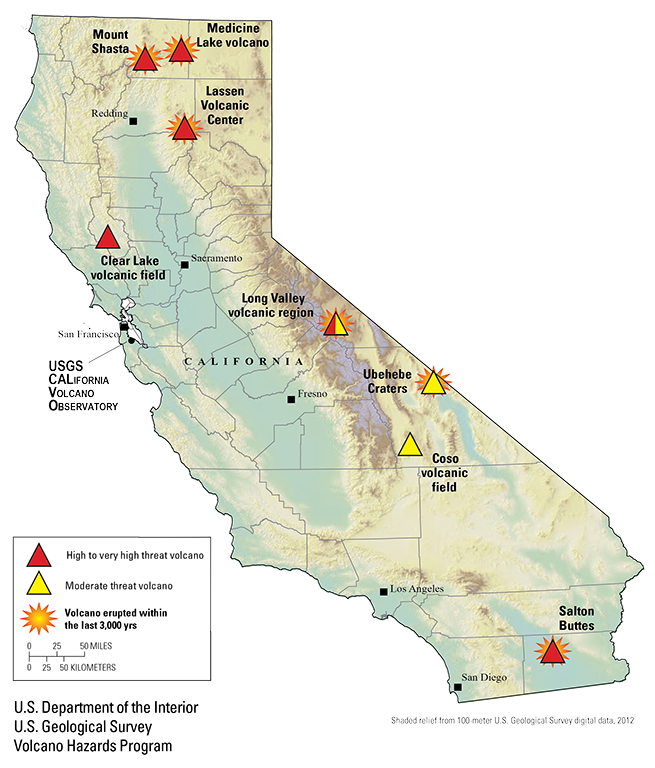
While many might associate active volcanoes with places like Hawaii or the Pacific Northwest, California possesses a significant share of these geological wonders. The state’s volcanic regions are not merely relics of the distant past; several are considered active or potentially active, with ongoing seismic activity, geothermal emissions, and ground deformation indicating their dynamic nature. Exploring these areas offers travelers an unparalleled opportunity to witness Earth’s raw power and the continuous processes that shape our planet.
Major Volcanic Destinations to Explore
For travelers seeking to discover California’s volcanic side, several key destinations stand out, each offering distinct landscapes and experiences.
Mount Shasta: A Majestic Stratovolcano
Dominating the skyline of northern California, Mount Shasta is an iconic stratovolcano rising to an impressive 14,179 feet (4,322 meters). Part of the Cascade Range, Mount Shasta is not merely a mountain; it is a complex of four overlapping volcanic cones, featuring visible glaciers and numerous vents. Its last significant eruption occurred about 200 years ago, making it one of the largest potentially active volcanoes in the contiguous United States.
Travelers to Mount Shasta can engage in a variety of activities. During the warmer months, climbing to its summit is a popular, albeit challenging, endeavor, offering unparalleled panoramic views. The surrounding Shasta-Trinity National Forest provides extensive opportunities for hiking, camping, and exploring unique geological formations and pristine alpine lakes. The town of Mount Shasta City serves as a welcoming base, with spiritual retreats and new-age communities drawn to the mountain’s mystical allure.
Lassen Volcanic National Park: A Hydrothermal Wonderland
Further south in the Cascades lies Lassen Volcanic National Park, home to Lassen Peak, the southernmost active volcano in the Cascade Range. What makes this park truly extraordinary is its display of all four types of volcanoes found in the world: stratovolcano, shield, cinder cone, and plug dome. Lassen Peak itself is a plug dome volcano, famous for its 1914-1921 eruption sequence, which was one of the most significant in California’s recorded history.
Lassen Volcanic National Park is a hydrothermal wonderland, offering visitors a chance to see boiling mudpots, steaming fumaroles, and sulfurous vents up close. Popular attractions include the vibrant Bumpass Hell trail, a boardwalk leading through a large hydrothermal area, and the scenic drive along the Lassen Park Highway, which offers access to numerous trailheads and viewpoints. Hiking to the summit of Lassen Peak provides a rewarding challenge, while easier trails lead to serene lakes and past evidence of historical volcanic activity.
The Long Valley Caldera and Mammoth Mountain
East of the Sierra Nevada range, the Long Valley Caldera is one of the world’s largest active calderas, stretching approximately 20 miles long and 11 miles wide. Formed by a massive eruption 760,000 years ago, this supervolcano remains geologically active, with ongoing seismic activity, hot springs, and gas emissions. At its western edge stands Mammoth Mountain, a younger, active stratovolcano popular for skiing and snowboarding in winter and mountain biking and hiking in summer.
Travelers to the Long Valley Caldera region can explore a diverse landscape. The town of Mammoth Lakes serves as an excellent base for exploring both Mammoth Mountain and the caldera. Visitors can soak in natural hot springs like Hot Creek Geological Site, witness the unique columnar basalt formations at Devil’s Postpile National Monument, or visit the surreal landscape around Mono Lake with its distinctive tufa towers. The entire area offers a wealth of outdoor adventures, from scenic drives along the June Lake Loop to extensive hiking and fishing opportunities.
Smaller and Lesser-Known Volcanic Features
Beyond these prominent sites, California is home to several other intriguing volcanic fields and individual volcanoes that offer unique travel experiences for those looking to delve deeper into the state’s geology.
The Clear Lake Volcanic Field

Located in Northern California‘s Coast Ranges, the Clear Lake Volcanic Field is an active geothermal area known for its numerous hot springs and steam vents. While there are no towering peaks, the field’s most recent eruption occurred only about 11,000 years ago, making it geologically young. The area is famous for its geothermal power plants, which harness the Earth’s heat. Visitors can enjoy the scenic Clear Lake, California’s largest natural freshwater lake, and explore the surrounding hillsides, which still bear the marks of ancient lava flows. It’s a prime destination for those interested in geology, fishing, and boating.
The Medicine Lake Volcano
Tucked away in the remote Modoc Plateau of far Northern California, the Medicine Lake Volcano is a massive shield volcano with an impressive caldera. It is considered the largest volcano by volume in the Cascade Range, though it is less recognized due to its gentle slopes and remote location. Its last eruption was roughly 900 years ago. The area around Medicine Lake offers a serene retreat with opportunities for camping, fishing, and exploring lava tubes and other volcanic formations within the Modoc National Forest. The Glass Mountain obsidian flow is a particularly striking feature.
Coso Volcanic Field
In the high desert of Southern California, near the town of Ridgecrest, lies the Coso Volcanic Field. This active geothermal area is characterized by numerous rhyolite domes, cinder cones, and extensive basalt flows. While not a typical tourist destination like Lassen, it is a fascinating site for those interested in geothermal energy production and the raw, untamed beauty of desert landscapes. The field is monitored for its seismic activity and potential for future eruptions, with the most recent volcanic activity occurring about 40,000 years ago.
The Salton Buttes
Even in the desert landscape of the Salton Sea basin in Southern California, volcanic activity is evident. The Salton Buttes are a series of five small rhyolite domes along the southeastern edge of the Salton Sea, formed by eruptions that occurred as recently as a few thousand years ago. These domes are associated with geothermal activity, and some are accessible for exploration. While the primary draw of the Salton Sea region might be its unique ecological environment and desolate beauty, the Salton Buttes add another layer of geological intrigue for visitors.
Planning Your Volcanic Adventure in California
Venturing into California’s volcanic landscapes offers unforgettable experiences, but careful planning is essential for a safe and enjoyable trip.
Safety First: Understanding Volcanic Hazards
While the probability of an eruption during a visit is extremely low, it’s crucial to be aware of the potential hazards associated with active volcanic areas. These include gas emissions (especially sulfur dioxide), ground deformation, and seismic activity. Always adhere to warnings and closures issued by park services and geological surveys. Stay on marked trails, particularly in hydrothermal areas, as the ground can be unstable and hot. Pack sufficient water and layers, as weather conditions can change rapidly in mountainous and desert environments.
Best Times to Visit and What to Pack
The best time to visit California’s volcanic regions largely depends on the specific destination and desired activities. For high-elevation areas like Mount Shasta and Lassen Volcanic National Park, late spring through early autumn typically offers the most accessible conditions for hiking and camping, with roads and trails free of snow. Mammoth Mountain thrives as a winter sports destination, but its summer activities are equally appealing. Desert volcanic fields like Coso and Salton Buttes are best visited during the cooler months of fall, winter, and spring to avoid extreme summer heat.
Regardless of the season, sturdy hiking boots, layers of clothing, sun protection, and plenty of water are essential. A camera is a must to capture the dramatic landscapes, and binoculars can enhance wildlife viewing.
Beyond the Peaks: Nearby Attractions and Activities
A trip to California’s volcanic regions often places travelers in proximity to other remarkable natural attractions. From Mount Shasta, one can easily extend a trip to the Redwood National and State Parks or the scenic Oregon coast. The Long Valley Caldera is a gateway to Yosemite National Park and Death Valley National Park, offering a diverse range of landscapes from alpine grandeur to stark desert beauty. Integrating these experiences can create a comprehensive California adventure, showcasing the state’s incredible geological and ecological diversity.

Respecting the Environment
When visiting these sensitive volcanic areas, practicing Leave No Trace principles is paramount. Stay on established trails, pack out everything you pack in, and respect wildlife. Geothermal features are fragile and often dangerous; never touch or step off designated boardwalks. By exploring responsibly, travelers can help preserve these extraordinary natural landmarks for future generations.
Indeed, California is a land of volcanoes, offering a thrilling and educational journey into the heart of a geologically active world. These powerful landscapes provide not just destinations, but profound experiences that underscore the dynamic nature of our planet.
LifeOutOfTheBox is a participant in the Amazon Services LLC Associates Program, an affiliate advertising program designed to provide a means for sites to earn advertising fees by advertising and linking to Amazon.com. Amazon, the Amazon logo, AmazonSupply, and the AmazonSupply logo are trademarks of Amazon.com, Inc. or its affiliates. As an Amazon Associate we earn affiliate commissions from qualifying purchases.