
Unpacking California’s Estate Landscape for a Seamless Lifestyle
For many, the allure of California represents a dream lifestyle: sun-drenched beaches, vibrant cities like Los Angeles and San Francisco, and endless opportunities for both personal and professional growth. Whether envisioning a luxurious retirement, a thriving business venture, or simply a long-term family stay, understanding the financial landscape is crucial for planning a truly seamless existence in the Golden State. A common question that arises in the context of estate planning and wealth transfer is concerning inheritance tax.
The Direct Answer: No State Inheritance Tax
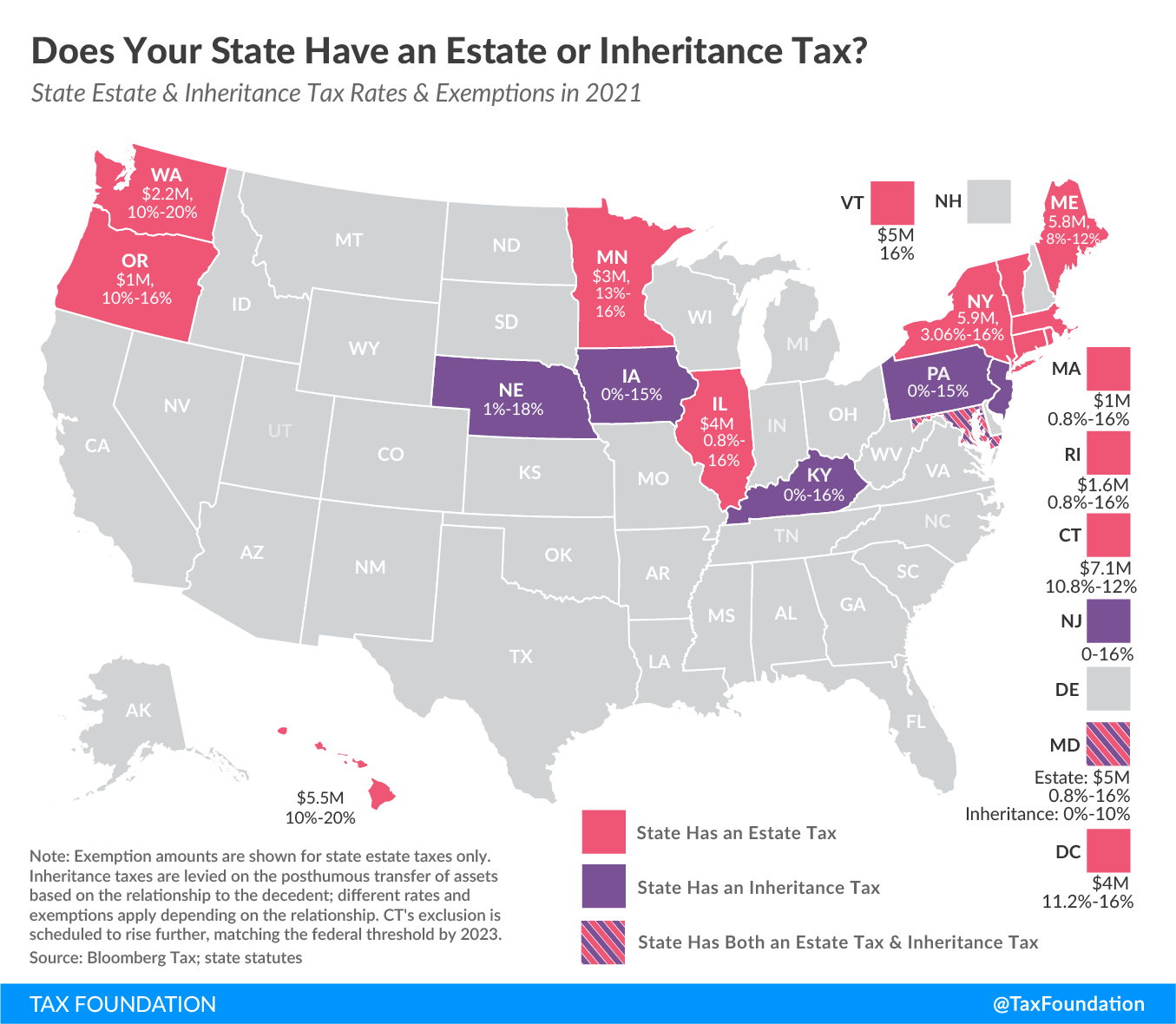
Let’s address the central question directly: California does not impose a state-level inheritance tax. This means that beneficiaries residing in or inheriting assets located in California will not owe a separate state tax solely on the property they receive from a deceased individual’s estate. This distinguishes California from a handful of other U.S. states that do levy such taxes. For those planning their lives and legacies in this iconic state, this absence simplifies one aspect of estate considerations, allowing for more straightforward planning related to family and personal wealth. The focus shifts away from state inheritance tax burdens and more towards comprehensive estate strategies that align with one’s desired lifestyle and legacy.
Why California Remains an Attractive Lifestyle Destination
The absence of an inheritance tax further enhances California’s appeal for individuals and families considering long-term residency or substantial investments in the state. From the bustling tech hubs of Silicon Valley to the serene vineyards of Napa Valley, the state offers diverse environments that cater to various lifestyles. For those building a luxury lifestyle or establishing significant businesses, the state’s tax environment, particularly regarding inheritance, can be a factor in financial strategizing. It means that inherited wealth, once past federal estate tax considerations (discussed below), can be passed on more directly to beneficiaries, supporting their continued lifestyle choices, whether that involves further investment in California real estate, funding education, or maintaining a particular standard of living. This clarity offers peace of mind for those looking to establish a multi-generational presence in the state.
Federal Estate Tax: A Key Consideration for High-Net-Worth Individuals
While California itself does not impose an inheritance tax, it’s critical for individuals with substantial assets to understand that federal estate tax rules still apply nationwide. This is a separate tax levied on the net value of a deceased person’s estate before it is distributed to heirs. For those pursuing a high-net-worth lifestyle or building a significant business empire, understanding these federal implications is paramount to effective legacy planning.
Understanding the Federal Thresholds
The federal estate tax is generally only applicable to very large estates. The exemption amount, which is the value an estate can have before it becomes subject to federal estate tax, is adjusted annually for inflation. For instance, in recent years, this exemption has been in the tens of millions of dollars per individual. This means that the vast majority of estates do not owe federal estate tax. However, for those whose accumulated wealth, perhaps through successful business ventures, luxury real estate investments, or substantial financial portfolios in California, exceeds these thresholds, proactive planning becomes essential. Estate planning in this context isn’t just about avoiding taxes; it’s about ensuring a smooth transition of wealth, minimizing potential conflicts, and preserving the lifestyle and legacy one has meticulously built.
Impact on Luxury Living and Business Legacies
For individuals engaged in luxury travel, managing multi-state businesses, or planning for a lavish retirement in California, the federal estate tax can significantly impact legacy planning. A successful entrepreneur with properties in Beverly Hills and a global investment portfolio, for example, would need sophisticated strategies to ensure their assets are distributed according to their wishes while minimizing tax liabilities. This could involve setting up various trusts, making lifetime gifts, or engaging in charitable giving. These strategies are not just about tax avoidance; they are integral to a holistic approach to wealth management that supports a chosen lifestyle, from financing family trips to ensuring the continuity of a family business. Understanding the interaction between California’s no-inheritance-tax status and the federal estate tax framework is a cornerstone of responsible financial stewardship for the affluent.
Strategic Estate Planning: Securing Your California Dream Lifestyle
Given the absence of a state inheritance tax in California but the presence of federal estate tax for larger estates, strategic estate planning takes on particular importance for anyone looking to establish or maintain a fulfilling lifestyle in the Golden State. Effective planning ensures that your assets are managed and distributed in a way that reflects your values, supports your family’s future, and preserves your legacy. This proactive approach goes beyond mere compliance; it’s about crafting a financial roadmap that complements your life’s journey, whether that involves extensive travel, philanthropic endeavors, or establishing a lasting family presence.
Wills, Trusts, and Beyond
The cornerstone of any estate plan typically includes a will, which dictates how your assets should be distributed. However, for those with more complex financial situations, particularly common among individuals pursuing luxury lifestyles or operating significant businesses, various types of trusts offer more sophisticated solutions. A living trust, for example, can help avoid probate, a potentially lengthy and public legal process, allowing for a quicker and more private transfer of assets to beneficiaries. This is particularly appealing in a state like California, known for its dynamic economy and substantial property values. Other trusts, such as irrevocable trusts, can be instrumental in reducing federal estate tax liability and protecting assets from creditors. These tools are not just for the ultra-wealthy; they are flexible instruments that can be tailored to various family structures and financial goals, ensuring that your long-term aspirations for your family and lifestyle are secured.
Philanthropic Giving and Lifestyle Legacy
For many affluent individuals residing in California, a fulfilling lifestyle often extends beyond personal luxury to include a commitment to philanthropy. Integrating charitable giving into an estate plan can serve multiple purposes: it can reduce federal estate tax, support causes close to one’s heart, and leave a lasting philanthropic legacy. Whether through direct bequests, charitable remainder trusts, or establishing a private foundation, strategic giving allows individuals to align their wealth with their values, contributing to communities within California or globally. This aspect of estate planning is deeply intertwined with the “lifestyle” category, as it reflects an individual’s personal philosophy and their desire to make a meaningful impact, extending their influence and values beyond their immediate family.
Navigating the Broader Financial Picture in the Golden State
While the focus has been on inheritance and estate taxes, understanding the broader financial context is crucial for anyone considering a significant move or long-term stay in California. The state offers an unparalleled lifestyle, but it also comes with its own unique financial considerations that savvy individuals and families must navigate to truly thrive.
Property Taxes and Cost of Living
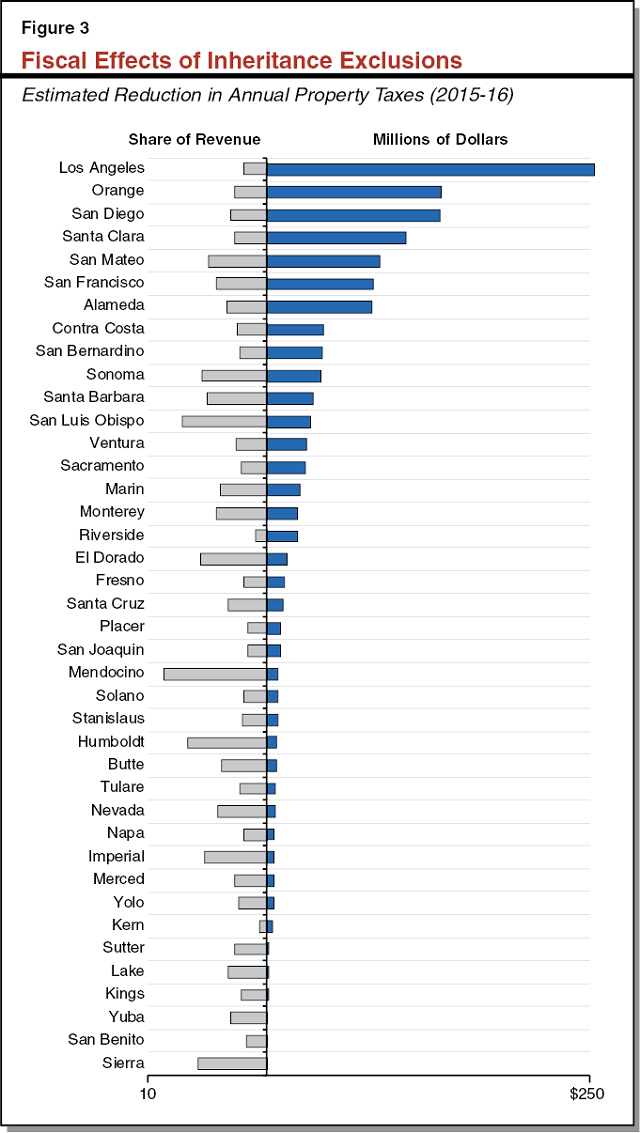
One of the most significant financial factors in California is its generally high cost of living, particularly real estate. While there’s no inheritance tax, property taxes, which are assessed annually based on a property’s value, can be substantial, especially in desirable areas like Malibu or Palo Alto. Understanding the implications of Proposition 13 and other state property tax rules is vital for homeowners and real estate investors. These taxes are an ongoing expense that directly impacts the financial feasibility of a long-term luxurious or comfortable lifestyle in the state. Planning for these recurring costs, alongside other living expenses, is an integral part of comprehensive financial management for California residents.

Seeking Professional Guidance for Your California Future
Given the complexities of federal estate tax laws, California’s unique property tax landscape, and the myriad of financial decisions involved in planning a desired lifestyle, seeking professional advice is highly recommended. Estate planning attorneys, financial advisors, and tax professionals specializing in California law can provide invaluable guidance. They can help navigate the nuances of wills, trusts, and gifting strategies, ensuring compliance with all regulations while optimizing financial outcomes. For families planning multi-generational living, for entrepreneurs building their empires, or for those simply seeking peace of mind as they enjoy their golden years, expert guidance ensures that their California dream lifestyle is not only enjoyed today but is also secure for tomorrow. By proactively addressing these financial aspects, individuals can fully immerse themselves in the rich experiences and opportunities that define the California way of life.
LifeOutOfTheBox is a participant in the Amazon Services LLC Associates Program, an affiliate advertising program designed to provide a means for sites to earn advertising fees by advertising and linking to Amazon.com. Amazon, the Amazon logo, AmazonSupply, and the AmazonSupply logo are trademarks of Amazon.com, Inc. or its affiliates. As an Amazon Associate we earn affiliate commissions from qualifying purchases.