
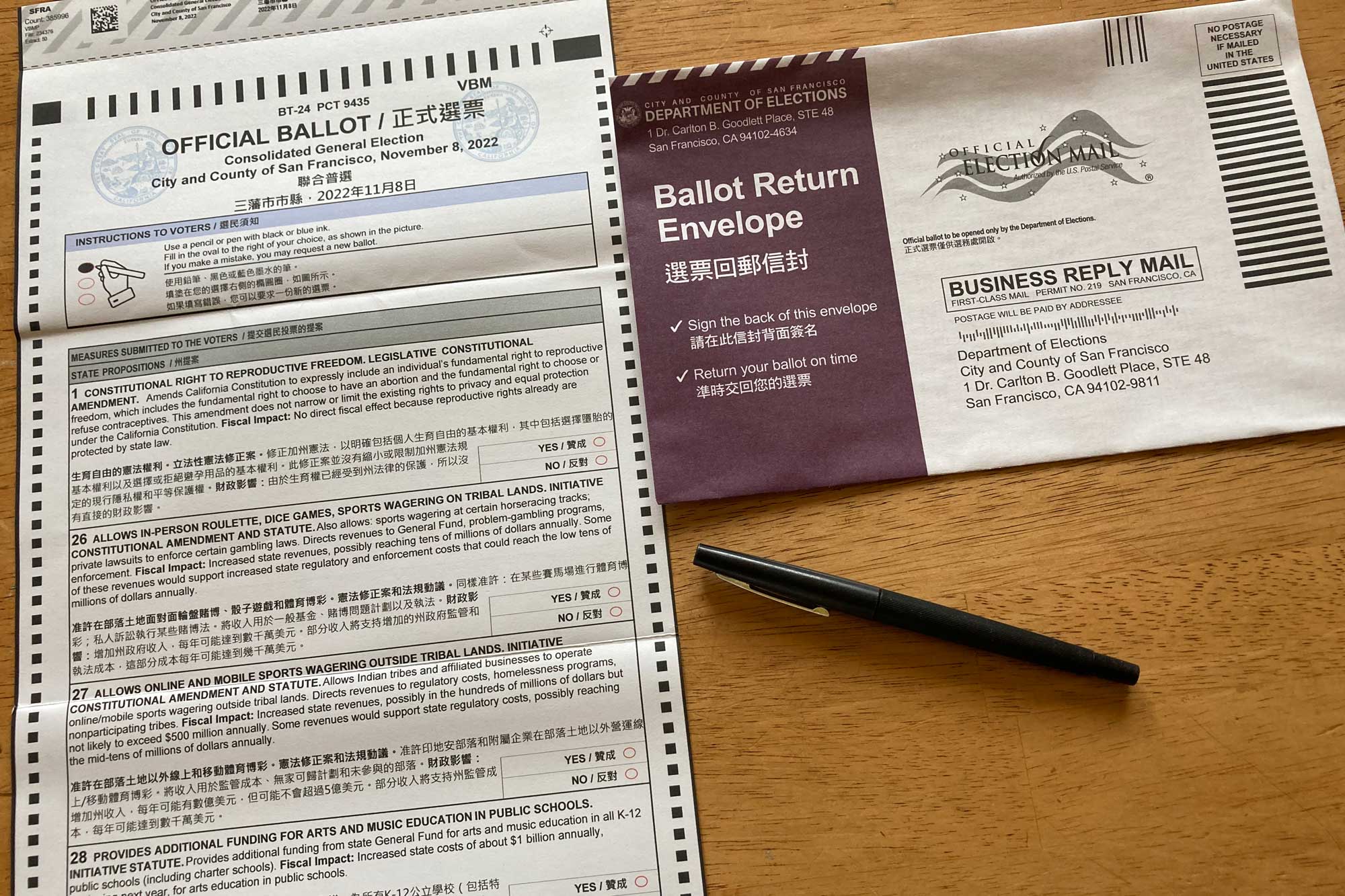
The ballot initiatives in California often reflect the state’s diverse priorities, ranging from environmental protection to urban development and social services. While these propositions primarily address civic and governmental functions, their implications frequently extend into vital economic sectors, none more so than tourism. For visitors planning a trip to the Golden State, or for businesses operating within its robust tourism industry, understanding the potential ramifications of these ballot measures is crucial. These proposals can shape everything from the accessibility of natural landmarks to the operational costs of hospitality services and the quality of the overall visitor experience.
Shaping California’s Allure: Environmental and Infrastructure Propositions
California’s reputation as a premier tourist destination is largely built on its stunning natural beauty and its sophisticated urban centers. Ballot propositions frequently address how these assets are managed, preserved, and developed. Measures focused on environmental protection, resource management, and infrastructure development directly influence the state’s appeal to travelers.
Funding for State Parks, Beaches, and Wildlands
Many propositions seek to secure funding for the maintenance and improvement of California’s extensive network of state parks, beaches, and wildland areas. For example, a hypothetical “2024 California Parks and Recreation Bond” (similar to past initiatives) might propose issuing bonds to finance improvements to Yosemite National Park access roads, upgrade facilities at coastal state beaches like those near San Diego, or restore critical habitats in areas surrounding Lake Tahoe. Such measures could lead to enhanced visitor centers, better hiking trails, improved signage, and increased staffing for park rangers and conservation efforts. From a tourism perspective, these investments translate directly into a higher quality experience for campers, hikers, beach-goers, and nature enthusiasts. Improved infrastructure and conservation not only protect California’s most iconic natural landmarks but also ensure their long-term accessibility and enjoyment, drawing both domestic and international tourists year after year. Conversely, if such propositions fail, parks might face deferred maintenance, reduced services, and potential overcrowding, potentially diminishing the visitor experience and California’s allure.
Public Transit and Roadway Improvements
Propositions addressing transportation infrastructure are equally vital for tourism. A “Sustainable Transportation Investment Act,” for instance, might propose dedicated funding for improving public transit systems in major metropolitan areas like Los Angeles and San Francisco, expanding high-speed rail networks, or repairing key roadways. Enhanced public transportation options make it easier for tourists to navigate cities, reducing reliance on rental cars and providing more environmentally friendly ways to explore. Imagine seamless transit from Los Angeles International Airport to Hollywood attractions or efficient rail connections between San Francisco and the Napa Valley. Better roads also benefit tourists undertaking scenic drives along the Pacific Coast Highway or exploring the state’s interior. Such improvements enhance convenience, reduce travel times, and contribute to a smoother, more enjoyable journey for visitors, encouraging longer stays and repeat visits.
The Hospitality Sector: Regulations and Economic Impacts
Ballot propositions can also have a profound impact on the operational landscape of California’s hospitality industry, affecting hotels, short-term rentals, restaurants, and tourism-related businesses. These measures often touch on labor laws, taxation, and land use.
Short-Term Rental Regulations
The rise of platforms like Airbnb and Vrbo has prompted numerous local and state-level debates, often manifesting as ballot initiatives. A hypothetical “Fair Rental Housing Act” might propose stricter regulations on short-term rentals, including limits on rental days, mandatory permits, or increased taxes. The impact on tourism can be twofold: on one hand, stricter regulations could reduce the availability of certain types of accommodations, potentially driving up prices or shifting demand towards traditional hotels. This could affect budget travelers or those seeking unique local experiences. On the other hand, proponents argue that such regulations protect residential neighborhoods, maintain affordable long-term housing for locals, and level the playing field for licensed hotels and resorts that adhere to comprehensive safety and tax regulations. For travelers, understanding these potential changes is key to planning their accommodation strategy, especially in popular tourist destinations like Santa Monica or coastal towns.
Labor Standards for Hospitality Workers

Propositions related to minimum wage, benefits, and working conditions for employees can significantly impact the operational costs for hotels, restaurants, and attractions across California. For instance, a “Living Wage for Hospitality Workers” initiative could mandate a substantial increase in the minimum wage or require specific health benefits. While supporters argue this improves the quality of life for workers and can enhance service quality through a more stable workforce, businesses often contend it leads to higher operating expenses. These increased costs may be passed on to consumers through higher prices for hotel stays, dining, and admission to attractions like the Disneyland Resort. Tourists might find their travel budgets stretching less far, but could also benefit from a motivated and well-compensated service industry, theoretically leading to better service quality.
Sustainable Tourism and Community Integration
Many propositions grapple with the delicate balance between economic development, environmental preservation, and the well-being of local communities. These initiatives often seek to ensure that tourism growth is sustainable and beneficial to all stakeholders.
Water Conservation Measures
Given California’s recurring droughts, propositions focusing on water conservation and infrastructure are common. A “Water Resiliency Bond” could fund projects for water recycling, desalination, and efficient agricultural irrigation. While not directly aimed at tourism, these measures are critical for maintaining the environmental health of attractions such as Lake Tahoe and supporting the daily operations of hotels, golf courses, and other water-intensive tourism facilities. A stable and sustainable water supply is fundamental to California’s long-term appeal as a destination, particularly for activities like skiing, boating, and enjoying lush landscapes. Tourists, increasingly conscious of environmental impact, appreciate destinations that demonstrate strong commitments to sustainability.
Local Business Support and Tourism Promotion Funding
Some ballot measures might directly or indirectly allocate funds towards local business initiatives or state-wide tourism promotion campaigns. For example, a proposition allowing local governments to impose a new sales tax (with a portion dedicated to tourism promotion) could see funds channeled into advertising campaigns to attract visitors to specific regions, supporting local festivals, or enhancing visitor services. These initiatives help reinforce California’s brand identity globally, ensuring continued interest from potential travelers. Enhanced marketing can highlight lesser-known gems beyond iconic landmarks like the Golden Gate Bridge, encouraging visitors to explore diverse regions and support a wider array of local economies.
Economic Outlook for the California Tourism Sector
The cumulative effect of various propositions can significantly alter the economic landscape for California’s tourism sector. These measures can influence tax revenues, investment in tourist-centric infrastructure, and the overall competitiveness of the state as a travel destination.
Potential Revenue Streams and Taxation
Many propositions involve new taxes or bonds, and understanding where these funds are generated and how they are allocated is key. For instance, a proposition to increase a statewide sales tax, with proceeds earmarked for climate change initiatives or public services, would affect the price of goods and services purchased by tourists. While some taxes might be directly linked to tourism (e.g., increased hotel occupancy taxes), others have a broader impact. The balance is often between generating necessary revenue for state services and avoiding an undue burden that could deter visitors or make California a comparatively expensive destination. The financial health of the state, influenced by these ballot outcomes, directly affects its ability to invest in and maintain the attractions that draw millions annually.

Attracting International and Domestic Visitors
Ultimately, the propositions on the California ballot contribute to the broader narrative of the state. Policies that foster a clean environment, efficient infrastructure, a robust economy, and a welcoming community reinforce California’s image as a world-class destination. Conversely, measures perceived as detrimental to the environment, overly restrictive, or leading to significant cost increases could subtly erode this appeal over time. For both domestic travelers considering a family vacation and international tourists planning an ambitious itinerary, the long-term vision for California, as articulated and funded through its ballot propositions, plays a role in their decision-making process. Engaging with these civic processes, even from a distance, provides insights into the future direction and sustainability of the Golden State’s vibrant tourism industry.
LifeOutOfTheBox is a participant in the Amazon Services LLC Associates Program, an affiliate advertising program designed to provide a means for sites to earn advertising fees by advertising and linking to Amazon.com. Amazon, the Amazon logo, AmazonSupply, and the AmazonSupply logo are trademarks of Amazon.com, Inc. or its affiliates. As an Amazon Associate we earn affiliate commissions from qualifying purchases.