
Navigating the nuances of waste disposal is an essential aspect of responsible living and visiting, particularly in a state as environmentally forward-thinking as California. The green waste bin, once primarily designated for yard trimmings, has evolved significantly, becoming a cornerstone of the state’s ambitious organic waste recycling initiatives. For residents and visitors alike, understanding what goes into this bin is not merely about compliance, but about actively participating in a sustainable lifestyle that directly impacts environmental health. This guide delves into the specifics of California’s green waste program, offering insights into what belongs, what doesn’t, and why these practices are crucial for the Golden State’s ecological future.
Understanding California’s Commitment to Organics Recycling
California has long been at the forefront of environmental legislation, and its approach to organic waste is no exception. The state recognizes the significant impact that landfilling organic materials has on greenhouse gas emissions, particularly methane. To combat this, comprehensive statewide programs have been implemented, transforming how organic waste is managed and diverting it from landfills towards more beneficial uses.
The Mandate: SB 1383 and Its Impact
The most significant legislative driver behind California’s expanded green waste program is Senate Bill 1383. Enacted to reduce short-lived climate pollutants, SB 1383 mandates a 75% reduction in organic waste disposal to landfills by 2025 (compared to 2014 levels) and a 20% increase in edible food recovery by 2025. This ambitious target has fundamentally reshaped waste collection services across the state, requiring nearly all residents and businesses to participate in organic waste collection programs.
The implementation of Senate Bill 1383 means that what was once a voluntary or limited service has become a universal requirement in many jurisdictions. This shift necessitated a broader definition of “green waste,” moving beyond just garden debris to include food scraps, food-soiled paper, and other compostable materials. The aim is to capture as much organic waste as possible before it decomposes in landfills, where it produces potent greenhouse gases like methane. For anyone living or operating within California, understanding and adhering to these regulations is a crucial aspect of responsible environmental citizenship.
Beyond the Bin: The ‘Why’ Behind Green Waste Programs
The rationale behind California’s robust green waste initiatives extends far beyond mere compliance. When organic materials—such as food scraps and yard waste—are buried in landfills, they decompose anaerobically (without oxygen), releasing methane, a greenhouse gas 84 times more potent than carbon dioxide over a 20-year period. By diverting these materials into dedicated green waste streams, California aims to mitigate this significant contributor to climate change.
Instead of becoming a source of pollution, green waste is transformed into valuable resources. Through industrial composting facilities, these organics are converted into nutrient-rich compost, which can then be used to enrich agricultural soils, promote healthier plant growth, and reduce the need for chemical fertilizers. Some facilities also utilize anaerobic digestion, a process that captures methane (biogas) from decomposing organics and converts it into renewable energy, powering homes and businesses. This closed-loop system embodies the principles of a circular economy, turning waste into a valuable resource and significantly reducing environmental impact. Embracing this system is a powerful way to contribute to a sustainable lifestyle and a healthier planet.
Deciphering What Belongs: Your Green Waste Checklist
The expanded scope of California’s green waste programs means that many items previously destined for the black landfill bin now have a greener home. However, precise understanding is key, as contamination can hinder the composting process.
Garden and Yard Trimmings: The Obvious Candidates
The traditional contents of the green waste bin remain steadfastly welcome. These are the most recognizable forms of organic waste and typically present fewer confusion points.
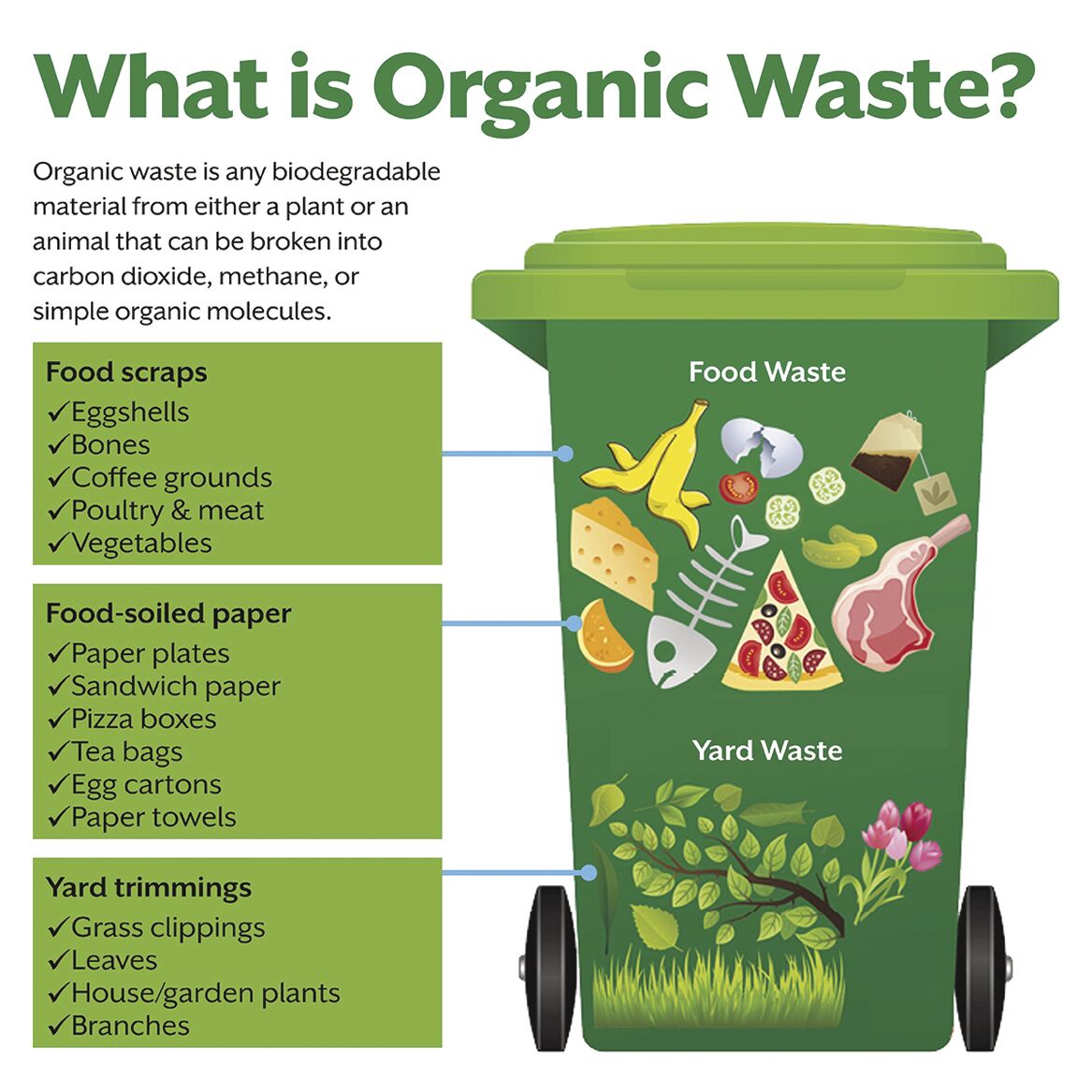
- Leaves and Grass Clippings: All types of loose leaves and grass are readily accepted.
- Branches and Brush: Small branches, twigs, and shrub trimmings are generally allowed. Most jurisdictions specify a maximum diameter (e.g., 4-6 inches) and length for branches. Always check with your local waste management provider for precise limits.
- Weeds and Plants: Non-woody plant material, including garden weeds, flowers, and spent vegetable plants, can be placed in the green bin.
- Small Logs and Stumps: Some areas accept small logs and stumps, provided they meet size limitations. Larger pieces might require special disposal.
- Untreated Wood Scraps: Small pieces of untreated lumber or wood scraps (without paint, stains, or glues) are often accepted, but this can vary by locale.
For optimal collection, ensure yard trimmings are loose in the bin or bundled appropriately if required by your service provider. Avoid bagging yard waste in plastic bags, as these are contaminants. Some areas permit paper yard waste bags.
Food Scraps: A Game-Changer for Organic Waste
The inclusion of food scraps is the most significant evolution of California’s green waste program and a critical component of Senate Bill 1383. This dramatically expands the volume and type of organic material diverted from landfills.
- All Food Waste (Cooked and Uncooked): This is the crucial point. Unlike backyard composting, industrial composting facilities can handle a vast array of food waste, including:
- Fruits and vegetables (peels, cores, scraps, spoiled produce)
- Meat, poultry, and fish (bones, skin, seafood shells)
- Dairy products (cheese, yogurt, butter)
- Bread, pasta, grains, and baked goods
- Eggs and eggshells
- Coffee grounds and tea bags (remove staples from tea bags)
- Sauces, dressings, and oils (in small quantities, absorbed by other food waste)
- Food-Soiled Paper: Items such as greasy pizza boxes (without excessive plastic or wax coating), paper plates, paper napkins, and paper towels (if food-soiled and explicitly allowed by your local hauler) are often acceptable. Always check local guidelines for paper products, as rules can vary significantly.
This comprehensive approach to food waste means that virtually all edible and inedible food items generated in a household or business now belong in the green bin. This is a monumental step towards reducing landfill waste and embracing a more circular economy in California.
Other Acceptable Organic Materials
Beyond the primary categories, some other organic materials may also be accepted:
- Natural Corks: Corks made from natural cork, not synthetic materials.
- Wood Ash: From clean wood burning (check local rules for quantities and placement).
- Hair and Pet Fur: Small quantities from grooming.

Always remember that local programs can have slight variations. When in doubt, consulting your specific city or county waste management website is the most reliable way to ensure proper disposal.
What to Keep Out: Common Contaminants and Why
Just as important as knowing what to put in the green bin is understanding what not to. Contamination can disrupt the composting process, degrade the quality of the final product, and in some cases, even pose safety risks to facility workers. Maintaining a clean organic waste stream is paramount for the success of California’s waste diversion goals.
Plastics, Glass, and Metals: Non-Organics
These materials are the most common and problematic contaminants found in green waste bins. They do not decompose and will remain in the finished compost, making it unsuitable for agricultural use.
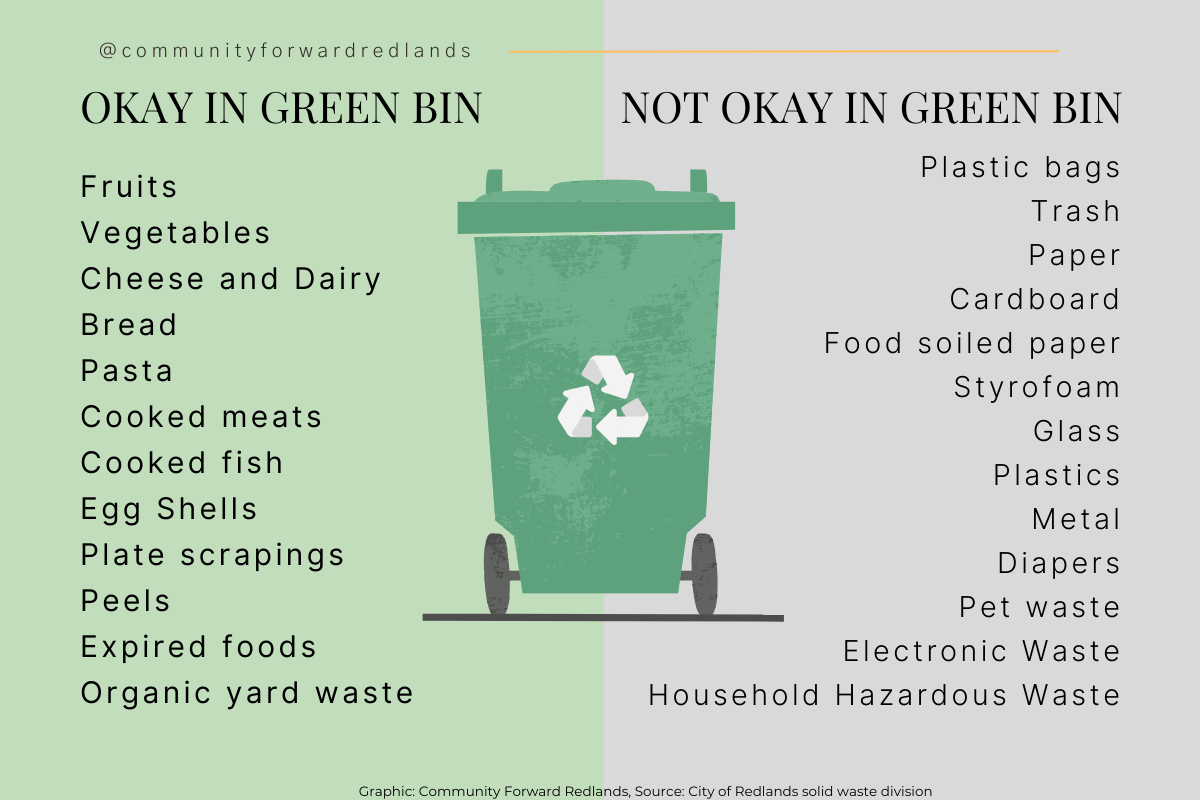
- Plastic Bags and Wraps: These are major culprits. Never bag your green waste in plastic. Even “biodegradable” or “compostable” plastic bags are often not compatible with industrial composting processes and should be avoided unless explicitly approved by your local hauler.
- Glass Bottles and Jars: Belong in the recycling (blue) bin.
- Metal Cans and Foils: Also belong in the recycling (blue) bin.
- Plastic Containers, Utensils, and Lids: Even small plastic items can severely contaminate the organic stream.
- Styrofoam: Never goes in green waste.
Treated Wood and Hazardous Waste: Safety First
Not all wood is created equal when it comes to composting.
- Treated Wood: Lumber treated with chemicals for preservation (e.g., fence posts, deck wood) should never go into the green bin. These chemicals are toxic and cannot be safely composted.
- Painted or Stained Wood: Similar to treated wood, the chemicals in paints and stains are harmful and should be kept out.
- Hazardous Waste: Batteries, light bulbs, electronics, chemicals, motor oil, and medical waste (sharps, pharmaceuticals) are strictly prohibited. These require specialized disposal methods.
Pet Waste and Diapers: Health and Sanitation Concerns
While organic, certain materials pose health risks or are unsuitable for composting due to pathogens.
- Pet Waste: Animal feces can contain harmful pathogens and parasites that are not always eliminated by standard industrial composting temperatures. It generally belongs in the landfill (black) bin.
- Diapers: Both human and pet diapers contain human waste and synthetic materials, making them unsuitable for composting. Dispose of them in the landfill bin.
“Compostable” Plastics: Understanding the Nuances
This category is a frequent source of confusion. Many products are marketed as “compostable” or “biodegradable,” but this often refers to industrial composting conditions that may not align with your local green waste facility’s capabilities.
- Certified Compostable Products: Even items certified by organizations like the Biodegradable Products Institute (BPI) may still be problematic. Some facilities struggle to break them down within their processing cycle, leading to contamination.
- Always Check Local Rules: The golden rule here is to consult your local waste hauler. Unless explicitly stated by your specific city or county, assume that “compostable” plastics (cups, cutlery, bags) are not accepted in the green bin and should be placed in the landfill bin. When in doubt, throw it out – in the black bin, to avoid contaminating the organic stream.
Maximizing Your Green Waste Efforts: Tips for Sustainable Living
Integrating green waste practices seamlessly into your daily life is a testament to a commitment to sustainable living. By following a few simple tips, you can maximize your efforts and ensure your organic waste contributes positively to California’s environmental goals.
Proper Collection and Storage
Managing food scraps and yard waste effectively can make the process clean and convenient.
- Kitchen Caddies: Use a small countertop bin with a lid for collecting food scraps throughout the day. Many jurisdictions offer free or low-cost kitchen pails.
- Liner Options: If using liners, opt for BPI-certified compostable bags only if explicitly allowed by your local waste hauler. Otherwise, line your caddy with newspaper or paper towels, or simply rinse it out regularly.
- Odor Control: To minimize odors and pests, empty your kitchen caddy frequently into the larger outdoor green bin. For highly perishable items or if you only put out your bin once a week, consider freezing food scraps until collection day.
- Outdoor Bin Maintenance: Keep your outdoor green waste bin lid tightly closed to prevent pests. Occasionally rinse the bin with water and a mild cleaner to keep it clean.
Community Resources and Local Variations
While Senate Bill 1383 sets statewide goals, the specifics of implementation can vary significantly from one city or county to another within California.
- Local Waste Management Websites: This is your primary resource. Nearly every city and county in California (e.g., City of Los Angeles Sanitation, San Francisco Department of the Environment) has a dedicated section on their waste management department’s website outlining acceptable and unacceptable materials, collection schedules, and bin sizes.
- Educational Materials: Look for brochures, magnets, or online guides provided by your waste hauler. These often contain visual examples of what belongs where.
- Customer Service: Don’t hesitate to call your local waste management company’s customer service line if you have specific questions about unusual items.
Staying informed about your local program ensures you’re contributing effectively and avoiding contamination.
The Broader Impact: From Waste to Resource
Every item correctly placed in the green waste bin contributes to a larger, more impactful system. By participating diligently, you are helping to:
- Reduce Greenhouse Gas Emissions: Diverting organics from landfills directly lessens methane emissions, a potent contributor to global warming.
- Create Nutrient-Rich Soil Amendments: Composted organic waste revitalizes depleted soils, supporting sustainable agriculture and reducing reliance on chemical fertilizers. This fosters healthier ecosystems and food systems.
- Generate Renewable Energy: In facilities equipped with anaerobic digesters, organic waste is transformed into biogas, a clean, renewable energy source that can power homes and vehicles.
- Conserve Landfill Space: By significantly reducing the volume of waste sent to landfills, we extend the lifespan of existing facilities and reduce the need for new ones.
Engaging with California’s green waste program is more than just sorting trash; it’s an active step towards a more sustainable and environmentally responsible lifestyle. Your choices at the bin make a tangible difference in the health of the planet and the vibrancy of your community.
LifeOutOfTheBox is a participant in the Amazon Services LLC Associates Program, an affiliate advertising program designed to provide a means for sites to earn advertising fees by advertising and linking to Amazon.com. Amazon, the Amazon logo, AmazonSupply, and the AmazonSupply logo are trademarks of Amazon.com, Inc. or its affiliates. As an Amazon Associate we earn affiliate commissions from qualifying purchases.