
California, a state renowned for its breathtaking natural beauty, diverse ecosystems, and iconic landmarks ranging from sun-drenched coastlines to towering mountain ranges, is also tragically familiar with the devastating power of wildfires. These fires are not merely random occurrences but are the complex result of a confluence of natural phenomena, human activity, and an increasingly volatile climate. Understanding the root causes is crucial to appreciating the unique challenges faced by this ecologically rich region and to developing strategies for resilience. The intrinsic nature of California’s landscape itself, coupled with specific climatic patterns, sets the stage for a perpetual fire risk.
California’s Unique Natural Landscape: A Tinderbox Environment
The geographical and climatological characteristics of California are primary architects of its fire susceptibility. The state’s natural environment, while stunning, has evolved under conditions that inherently predispose it to periodic fire.
The Mediterranean Climate and Drought Cycles
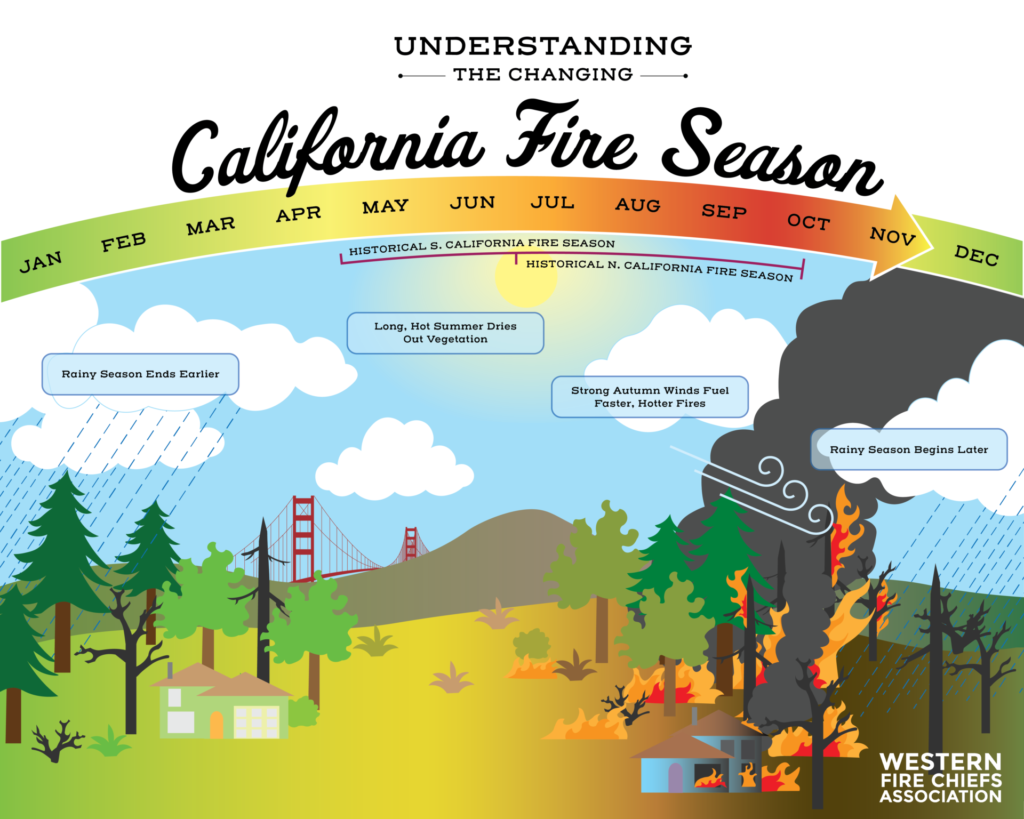
At the heart of California’s fire risk is its distinctive Mediterranean climate. This climate is characterized by hot, dry summers and mild, wet winters. While the winter rains are vital for nourishing the state’s diverse flora, they also foster lush vegetation growth. As summer progresses, this vegetation dries out, transforming into highly combustible fuel.
Compounding this seasonal cycle are recurrent, often severe, drought cycles. Prolonged periods of below-average rainfall lead to parched soils, desiccated plants, and reduced moisture content across vast natural areas. These droughts not only increase the amount of dry fuel but also make it more receptive to ignition and accelerate fire spread, turning forests and shrublands into vast tinderboxes. The lack of moisture also impacts the natural resilience of ecosystems, making trees and other plants more vulnerable to disease and insect infestations, which further contribute to dead, dry biomass.
Fuel: Chaparral, Forests, and Invasive Grasses
California’s diverse natural cover provides an abundance of fuel for wildfires. The most iconic and fire-adapted vegetation type is chaparral, a dense scrubland composed of hardy, drought-resistant shrubs. Chaparral species are highly flammable, containing volatile oils that can explode into intense blazes. While many chaparral species are adapted to fire, regenerating from seed banks or resprouting after a burn, their inherent flammability makes them a significant contributor to fast-moving, high-intensity fires.
Beyond chaparral, the state’s vast conifer forests, particularly in the Sierra Nevada and Klamath Mountains, provide massive amounts of fuel. Decades of fire suppression have led to an unnatural accumulation of dead trees, fallen branches, and dense undergrowth—fuel loads far exceeding historical norms. This dense, continuous fuel creates ladder fuels, allowing ground fires to climb into tree canopies and become catastrophic crown fires.
Adding another layer of complexity are invasive grasses. Non-native species like cheatgrass can quickly colonize disturbed areas, drying out early in the season and providing a continuous, fine fuel bed that carries fire rapidly across landscapes, linking larger fuel sources and accelerating spread, especially in grasslands and oak woodlands.
Topography and the Santa Ana Winds
The rugged topography of California, characterized by numerous mountain ranges, canyons, and valleys, significantly influences fire behavior. Slopes act as natural chimneys, preheating fuels uphill and accelerating fire spread at an alarming rate. Narrow canyons can channel winds, intensifying flames and making containment extraordinarily difficult.
Perhaps the most infamous meteorological factor is the presence of strong, dry, downslope winds, such as the Santa Ana Winds in Southern California and the Diablo Winds in Northern California. These winds occur when high-pressure systems build over the Great Basin, forcing air over mountain ranges and down into coastal valleys. As the air descends, it compresses, warms, and dries out, stripping moisture from already parched vegetation. These winds can push fires at incredible speeds, sometimes over 60 miles per hour, creating unpredictable and uncontainable infernos that leap over natural barriers and decimate vast areas in mere hours.
Human Factors: Ignitions and Land Management
While natural conditions create the potential for fire, human activities are overwhelmingly responsible for ignitions and have profoundly altered the natural fire regime.
Utility Infrastructure and Accidental Ignitions
A significant number of California’s’s most destructive wildfires have been traced back to utility infrastructure. Aging power lines, transformers, and other electrical equipment, particularly when exposed to high winds, dry vegetation, and extreme heat, can spark ignitions. When lines are downed by gusts or come into contact with dry trees and brush, they can create intense initial flames that, in favorable conditions, quickly escalate into major conflagrations. Utility companies are under increasing scrutiny and are implementing various mitigation strategies, including de-energizing lines during high-risk wind events and undergrounding infrastructure, but the challenge remains immense given the extensive network spanning vast wildland areas.
Arson and Human Negligence
Beyond infrastructure failures, direct human actions account for a substantial percentage of wildfires. Arson, both deliberate and reckless, is a recurring issue. However, unintentional human negligence contributes to an even greater number of ignitions. Discarded cigarettes, unattended campfires, sparks from vehicle exhausts, faulty equipment (e.g., chainsaws, grinders), fireworks, agricultural burning gone awry, and even children playing with matches can all serve as ignition sources. In a state where outdoor recreation is pervasive and population centers abut wildlands, the sheer volume of human activity increases the probability of these accidental sparks landing in critically dry fuel beds.
Legacy of Fire Suppression and Forest Management
For over a century, forest management practices in California and across the United States focused heavily on aggressive fire suppression. The philosophy was to extinguish every fire as quickly as possible. While this protected communities in the short term, it disrupted the natural fire cycle that many ecosystems, particularly ponderosa pine forests, had evolved with. Historically, frequent, low-intensity fires would clear out undergrowth, thin smaller trees, and maintain a healthier, more open forest structure.
The legacy of this “all-out suppression” approach is forests that are now overly dense with small trees and laden with decades of accumulated dead and dying vegetation. When a fire eventually does ignite in these conditions, it burns with unprecedented intensity, often becoming a high-severity crown fire that kills mature trees and fundamentally alters the landscape, impacting biodiversity and water resources for generations. This accumulation of fuel, a direct result of past human intervention, makes natural landmarks and wilderness areas far more vulnerable to catastrophic events.
Climate Change: Exacerbating Natural and Human Risks
The ongoing phenomenon of climate change is not a direct cause of ignitions but acts as a powerful accelerant, intensifying the natural conditions and human-induced vulnerabilities that drive California’s fire crisis.
Longer Fire Seasons and Increased Temperatures
Climate change has demonstrably led to higher average temperatures across California, particularly during the crucial spring and summer months. These elevated temperatures increase evapotranspiration, drawing more moisture out of plants and soils. Furthermore, the fire season itself has lengthened considerably. What was once a distinct summer and fall phenomenon now often extends earlier into spring and later into winter, providing more opportunities for fires to ignite and spread over a longer period each year. This extended period of fire risk puts immense strain on firefighting resources and makes fire management an almost year-round challenge.
Intensified Droughts and Fuel Aridity
The warming climate is contributing to more frequent and intense droughts. Even when precipitation levels are near normal, higher temperatures mean that snowpacks melt earlier and faster, and soil moisture evaporates more quickly. This leads to a longer dry period during which vegetation becomes extraordinarily arid. The aridity of fuels, measured by factors like dead fuel moisture content, is reaching historic lows more often, making them prime for ignition and rapid combustion. The combination of prolonged drought and high temperatures creates a critical window where any spark can become a raging wildfire.
Impact on Iconic Natural Landmarks and Ecosystems
The consequences of these exacerbated conditions are dire for California’s’s most cherished natural landmarks and ecosystems. Ancient Giant Sequoias in Sequoia National Park and Yosemite National Park, which are highly fire-adapted but vulnerable to unprecedented high-severity burns, are now facing existential threats. Entire swaths of diverse forests, unique chaparral communities, and critical wildlife habitats are being destroyed at scales previously unimaginable. The increased frequency and intensity of fires are disrupting natural regeneration cycles, leading to type conversions where forests are replaced by shrublands or grasslands, fundamentally altering the natural character and biodiversity of these iconic landscapes.
The Interplay of Factors: A Complex Challenge
The true danger of California’s wildfires lies not in any single cause, but in the intricate and often reinforcing interaction of its natural environment, human behavior, and the changing climate.
Wildland-Urban Interface: Expanding Vulnerability
A critical element exacerbating the wildfire problem is the continuous expansion of the wildland-urban interface (WUI). This is the zone where homes, businesses, and human developments directly abut or intermingle with wildland vegetation. As California’s population grows and development pushes further into natural areas, more people and structures are placed directly in harm’s way. This expansion not only increases the number of potential ignition sources but also raises the stakes of every fire, transforming what might have once been a remote wildland blaze into a devastating event threatening lives and property. Managing growth in the WUI, hardening homes against fire, and creating defensible space are vital but challenging endeavors.

Ecological Role of Fire and Future Adaptation
It’s important to recognize that fire is a natural and essential ecological process in many California ecosystems. Certain plant species require fire for germination, and many ecosystems rely on periodic burns to clear underbrush, release nutrients, and maintain ecological health. The challenge lies in managing fire in a way that allows its beneficial ecological role to persist while mitigating its destructive potential to human communities and specific, vulnerable natural assets.
Moving forward, strategies for addressing California’s wildfire crisis must be multifaceted. This includes proactive forest management (like prescribed burns and mechanical thinning to reduce fuel loads), updating utility infrastructure, enhancing community preparedness in the WUI, and aggressive action to combat climate change. Understanding “what causes fires in California” reveals a story of a beautiful yet vulnerable natural landscape, shaped by geological forces, ecological processes, human interaction, and a rapidly changing global climate, all contributing to a complex and urgent environmental challenge.