
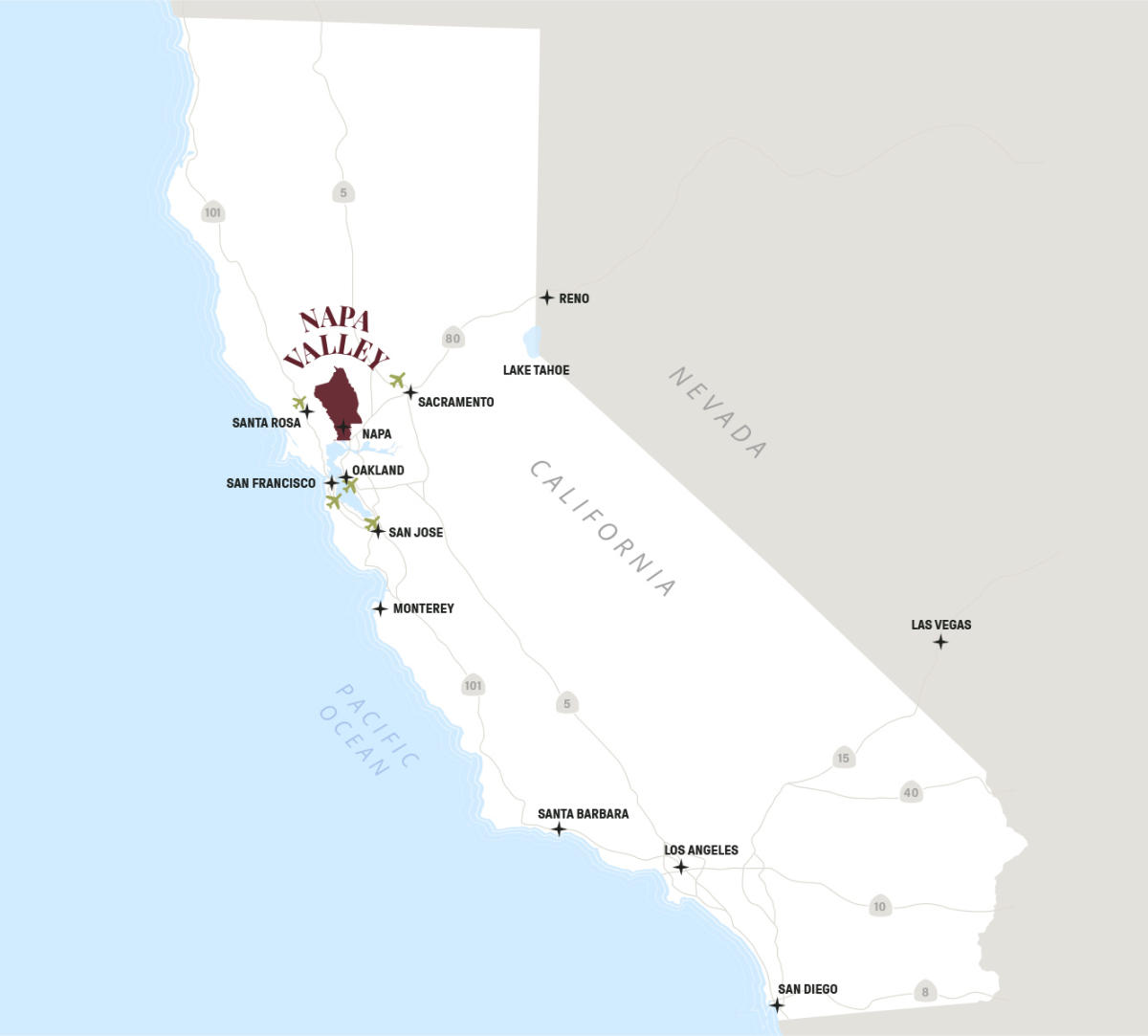
The quintessential American wine region, Napa Valley, is unequivocally located in Napa County, California. This seemingly simple geographical fact forms the bedrock of understanding one of the world’s most celebrated travel destinations. While the name “Napa Valley” itself often serves as a metonym for the entire wine-producing region, it is formally and administratively housed within the boundaries of Napa County, a jurisdiction that has meticulously cultivated and protected its reputation for viticultural excellence and luxurious tourism experiences. For any traveler planning a visit, recognizing this specific county is crucial, as it defines the scope of attractions, the local governance, and the unique character that makes the region a global magnet for enthusiasts of fine wine, gourmet food, and breathtaking landscapes.
Pinpointing Napa Valley’s Geographic Heart
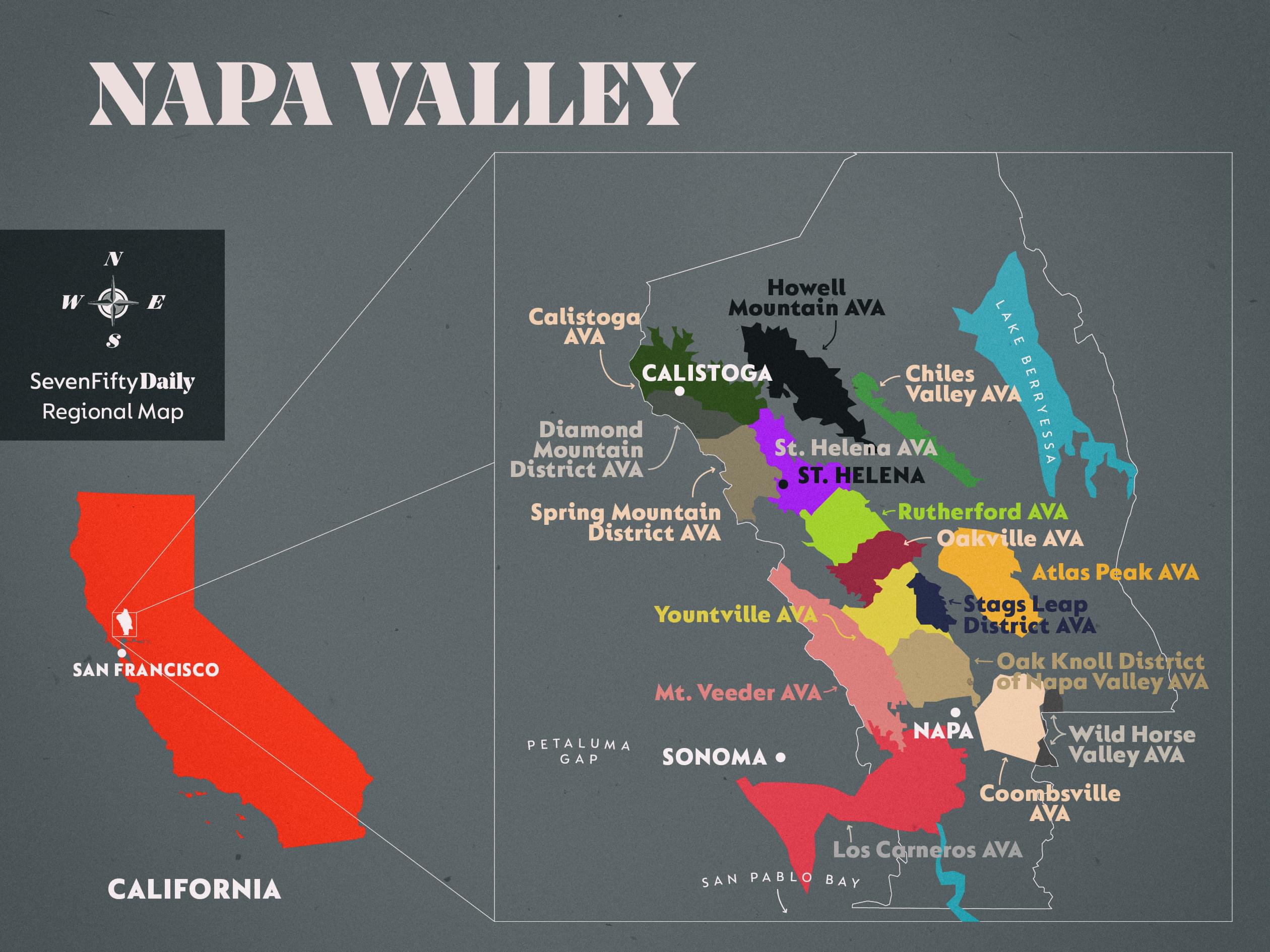
Napa County is situated in the North Bay region of California, approximately an hour’s drive north of San Francisco. This strategic location places it within easy reach of major population centers while maintaining its distinct, serene ambiance. The county spans roughly 790 square miles, with the fertile Napa Valley itself being a relatively narrow, approximately 30-mile-long stretch of land, nestled between the Mayacamas Mountains to the west and the Vaca Mountains to the east. This unique geological formation, characterized by its diverse microclimates and varied soil types, is precisely what makes Napa County an ideal terroir for growing a wide array of premium wine grapes, particularly Cabernet Sauvignon.
The county seat and largest city within Napa County is Napa itself, located at the southern end of the valley. From this vibrant city, the valley extends northward through a succession of charming towns like Yountville, Oakville, Rutherford, St. Helena, and culminating in Calistoga at its northern tip. Each of these communities, while sharing the overarching identity of Napa Valley, contributes its own distinctive flavor to the visitor experience, from Yountville’s culinary renown to Calistoga’s famous hot springs and mud baths. Understanding that these beloved destinations are all integral parts of Napa County simplifies travel planning and allows for a more cohesive exploration of the region.
Napa County: A Premier Travel Destination Beyond Wine
While wine is undeniably the star attraction, Napa County’s appeal as a travel destination extends far beyond its vineyards. The region has meticulously crafted an ecosystem of luxury, leisure, and natural beauty that caters to a diverse range of interests.
Wine Country Immersion
The opportunity for wine country immersion is, of course, unparalleled. Napa County is home to over 400 wineries, ranging from grand, historic estates to intimate, family-run operations. Visitors can embark on guided tours, participate in barrel tastings, and learn about the intricate process of winemaking from grape to glass. Iconic establishments such as Robert Mondavi Winery, which played a pivotal role in elevating Napa Valley to international acclaim, offer comprehensive experiences. Others, like the fairytale-esque Castello di Amorosa, provide not only exceptional wine but also a unique architectural spectacle. Many wineries offer food pairings, art exhibits, and stunning views, transforming a simple tasting into a multi-sensory journey. Specialized tours, from small group excursions to private chauffeured experiences, ensure that travelers can tailor their wine adventures to their preferences.
Culinary Delights
Napa County’s culinary scene is a destination in itself, rivaling its vinicultural fame. The region is a hotbed of the farm-to-table movement, with chefs leveraging the abundant local produce, artisanal cheeses, and fresh meats. Yountville, in particular, has earned a reputation as a culinary mecca, boasting several Michelin-starred restaurants. The legendary The French Laundry, helmed by Chef Thomas Keller, is a global pilgrimage site for gourmands. Beyond these fine dining establishments, the county offers an array of casual eateries, vibrant bistros, and charming cafes, all committed to showcasing the region’s fresh, seasonal ingredients. Food festivals and farmers’ markets further enrich the culinary landscape, offering visitors a taste of local culture and produce. Engaging in cooking classes or wine and food pairing seminars provides an even deeper insight into Napa Valley’s gastronomic philosophy.
Charming Towns and Cultural Hubs
The towns dotting Napa Valley serve as delightful hubs for exploration. The city of Napa, once a quiet agricultural town, has transformed into a sophisticated urban center with a revitalized downtown waterfront, offering a blend of chic boutiques, art galleries, and diverse dining options. St. Helena captivates with its elegant Main Street, lined with Victorian architecture, specialty shops, and high-end art galleries. Calistoga, at the valley’s northern end, offers a more laid-back vibe, known for its natural hot springs, mud baths, and wellness resorts, providing a perfect complement to the wine-focused activities. Each town provides unique opportunities for travelers to immerse themselves in local life, explore artisan crafts, or simply enjoy a leisurely stroll through picturesque streets.
Planning Your Napa Valley Travel Itinerary
To maximize the travel experience in Napa County, thoughtful planning is essential. The region’s popularity means that attractions, dining, and accommodations often require advance reservations.
When to Visit
The best time to visit Napa Valley largely depends on personal preferences. Spring (April to June) brings vibrant green vineyards, blooming mustard flowers, and pleasant temperatures, ideal for outdoor activities. Summer (July to August) is warm and sunny, perfect for enjoying al fresco dining and longer daylight hours, though it is also peak tourist season. Fall (September to October) is harvest season, a truly magical time to witness the grape crush, but also the busiest and most expensive period. Winter (November to March) offers a quieter, more intimate experience with fewer crowds, lower prices, and the serene beauty of bare vines and misty mornings, often referred to as “Cabernet Season.”
Getting Around
A car rental is often recommended for exploring Napa Valley, offering the flexibility to visit wineries and towns at one’s own pace. However, for those who prefer not to drive, especially after wine tastings, several alternatives exist. Private drivers and tour services are readily available. The Napa Valley Wine Train provides a unique and luxurious way to experience the valley’s scenery and culinary offerings, stopping at select wineries. Bike rentals are popular for those who wish to pedal between vineyards on the valley’s relatively flat terrain, particularly along the scenic Napa Valley Vine Trail.
Accommodation Options
Napa County offers a wide spectrum of accommodation, from ultra-luxury resorts and boutique hotels nestled among the vineyards to charming bed-and-breakfasts in historic homes. Options cater to various budgets and preferences, but booking well in advance, especially during peak season, is highly advisable to secure desired lodging. Many resorts offer spa services, exquisite dining, and other amenities that enhance the overall travel experience.
Beyond Wine Tasting
While wine tasting tours are a primary draw, Napa Valley encourages visitors to explore its other treasures. Hot air balloon rides offer breathtaking panoramic views of the valley at sunrise. Wellness enthusiasts can indulge in the mineral-rich mud baths and spa treatments synonymous with Calistoga. Hiking and biking trails crisscross the region, providing opportunities to enjoy the natural beauty. Art galleries and culinary institutes further diversify the activities available, ensuring a rich and varied travel itinerary.

The Greater Napa Valley Experience: Connecting with the Region
Understanding that Napa Valley is intrinsically linked to Napa County allows travelers to fully appreciate the cohesive vision that has shaped this region. The county’s commitment to preserving agricultural land, fostering sustainable practices, and promoting high-quality tourism has created a destination that feels both naturally beautiful and exquisitely curated. This regional identity distinguishes Napa Valley from other wine regions globally.
Furthermore, its proximity to other significant California attractions enhances its travel appeal. Travelers can easily combine a Napa Valley sojourn with visits to neighboring Sonoma County, offering a different but equally compelling wine experience, or extend their trip to explore the iconic landmarks and vibrant culture of the San Francisco Bay Area. By focusing on Napa County as the definitive location, travelers gain a clearer geographical context, enabling more efficient planning and a deeper, more immersive appreciation of this world-renowned destination.
LifeOutOfTheBox is a participant in the Amazon Services LLC Associates Program, an affiliate advertising program designed to provide a means for sites to earn advertising fees by advertising and linking to Amazon.com. Amazon, the Amazon logo, AmazonSupply, and the AmazonSupply logo are trademarks of Amazon.com, Inc. or its affiliates. As an Amazon Associate we earn affiliate commissions from qualifying purchases.