
Whittier, California, a city renowned for its rich history, tree-lined streets, and vibrant community, is located firmly within Los Angeles County. This strategic placement imbues Whittier with a unique identity, offering travelers the quintessential Southern California experience while maintaining a distinct small-town charm away from the frenetic pace of Downtown Los Angeles. For those planning a journey through the Golden State, understanding Whittier’s geographical context is the first step to unlocking its many attractions and appreciating its historical significance.
Whittier’s Geographical Anchor: Los Angeles County
Nestled approximately 12 miles southeast of Downtown Los Angeles, Whittier’s location in Los Angeles County makes it an accessible yet distinct destination. This positioning means visitors benefit from the extensive infrastructure and connectivity of one of the world’s largest metropolitan areas, while enjoying a community atmosphere that feels miles away from the urban sprawl. The city is bounded by other significant Los Angeles County cities such as Pico Rivera, Santa Fe Springs, and La Mirada, forming part of the Gateway Cities region.
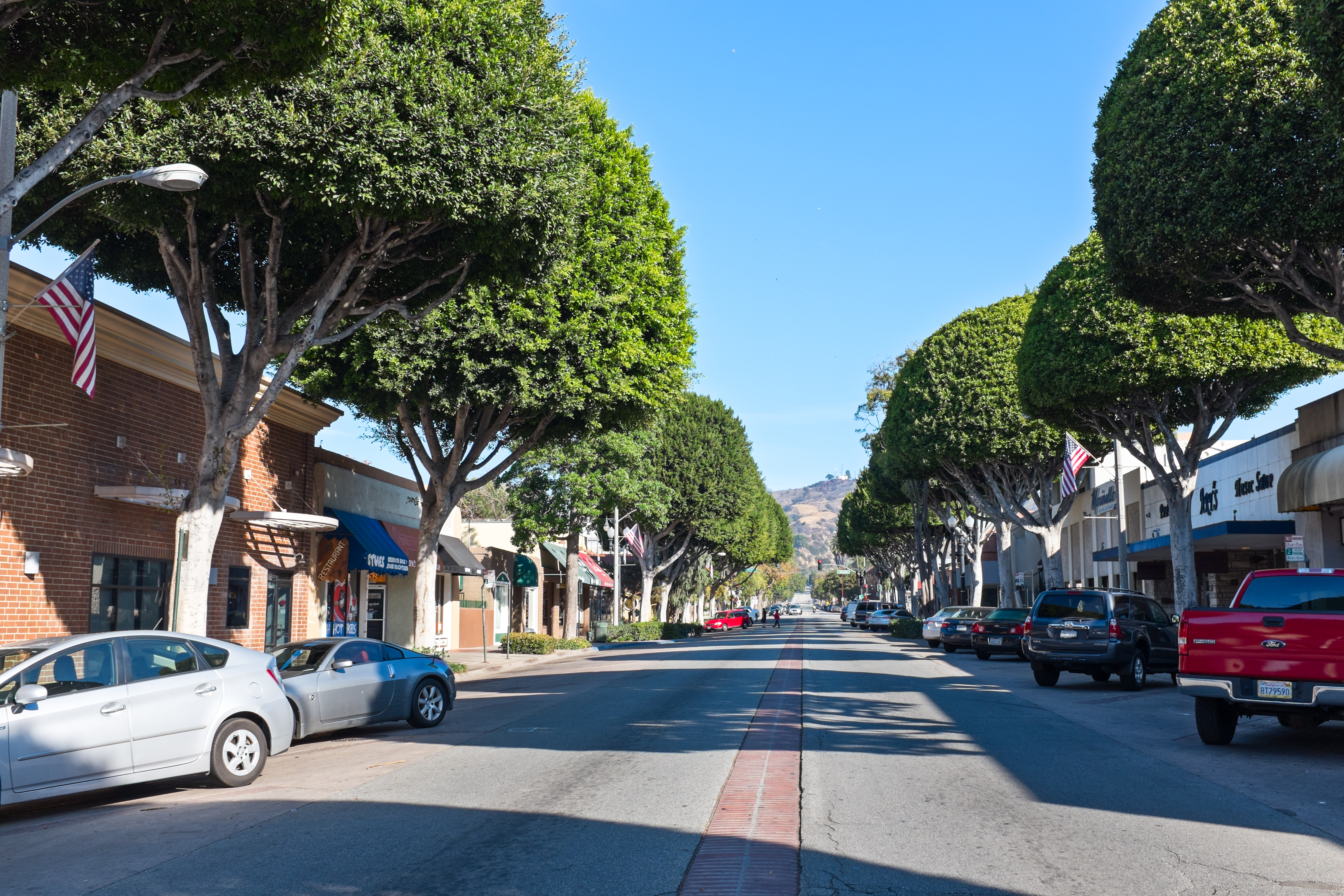
The choice to visit Whittier is often driven by a desire to explore a facet of Southern California that balances historical depth with modern conveniences. Its proximity to major freeways like the I-5, I-605, and CA-60 ensures that travel to and from Whittier is straightforward, connecting it effortlessly to other premier destinations within Los Angeles County and beyond. This accessibility is crucial for travelers who wish to base themselves in a quieter, more residential area while still having easy access to the broader attractions of the region, from the beaches to the mountains.
A Legacy Born from Quaker Ideals
Whittier’s origins are deeply intertwined with its designation as a Quaker colony established in 1887. Named after the famed Quaker poet John Greenleaf Whittier, the city was envisioned as a community built on strong moral principles, education, and temperance. This founding ethos profoundly shaped its development, influencing everything from its early architecture to its commitment to educational institutions like Whittier College.
The influence of its Quaker heritage is still evident in the city’s tranquil neighborhoods, its emphasis on community values, and the preservation of its historical landmarks. Unlike some rapidly developing cities in Los Angeles County, Whittier has retained a palpable sense of its past, making it an intriguing destination for history enthusiasts and those seeking a glimpse into California’s formative years. The city’s commitment to maintaining its historical integrity, even amidst growth, contributes significantly to its appeal as a unique travel destination within the sprawling urban landscape of Los Angeles.
Exploring Whittier’s Charms: A Travel Guide
For travelers venturing into Whittier, the city presents a diverse array of attractions and experiences, marrying its historical essence with contemporary vibrancy. Its well-preserved historic districts, verdant parks, and burgeoning culinary scene offer a compelling itinerary for a day trip or an extended stay.
Historic Uptown Whittier: The City’s Beating Heart
At the core of Whittier’s appeal lies Historic Uptown Whittier. This charming district serves as the city’s cultural and commercial hub, characterized by its beautifully preserved early 20th-century architecture, independent boutiques, and diverse eateries. Strolling through Uptown feels like stepping back in time, with storefronts that echo a bygone era. Visitors can spend hours exploring antique shops, browsing unique gift stores, or simply enjoying a cup of coffee at one of its many cozy cafes.
The dining scene in Uptown Whittier is particularly noteworthy, offering everything from classic American diners to international cuisine. Restaurants here often emphasize fresh, local ingredients, contributing to a vibrant food culture that caters to a variety of palates. Regular community events, farmers’ markets, and street fairs further animate the Uptown area, providing travelers with opportunities to immerse themselves in local life and culture. The Whittier Uptown Association frequently organizes these events, enhancing the district’s reputation as a lively community gathering place.
Parks and Natural Retreats
Despite its urban setting within Los Angeles County, Whittier boasts an impressive array of green spaces and natural areas, offering serene escapes for outdoor enthusiasts.
Sycamore Canyon Wilderness Park
For hikers and nature lovers, Sycamore Canyon Wilderness Park is an essential visit. This expansive natural preserve provides miles of trails winding through native California chaparral and riparian habitats. It’s an ideal spot for birdwatching, photography, or simply enjoying a peaceful walk amidst nature, with stunning views of the surrounding hills and, on clear days, even the Pacific Ocean. The park offers a true wilderness experience remarkably close to the bustling urban environment, showcasing Los Angeles County’s commitment to preserving its natural beauty.

Rose Hills Memorial Park & Mortuary
While primarily a memorial park, Rose Hills Memorial Park & Mortuary is also a significant landmark for its breathtaking landscapes and panoramic views. It features beautifully manicured gardens, serene water features, and unique architectural elements, including the renowned Pagoda of Eternal Peace. Many visitors come not for memorial purposes, but to appreciate the tranquil environment, the diverse flora, and the expansive vistas of the San Gabriel Valley and beyond. It serves as a unique testament to landscape design and offers a reflective, peaceful experience for travelers.
Whittier Narrows Recreation Area
Although partly located just outside Whittier’s direct municipal boundaries, the Whittier Narrows Recreation Area is a major regional park easily accessible to residents and visitors. This massive park offers an abundance of recreational opportunities, including fishing lakes, sports fields, equestrian trails, and a nature center. It’s a perfect destination for families or anyone looking to engage in a wide range of outdoor activities, further enhancing Whittier’s appeal as a destination for active travelers.
Cultural and Educational Landmarks
Whittier’s dedication to education and history is embodied in several key institutions that are worth exploring for any traveler.
Whittier College
Whittier College, a distinguished liberal arts institution, boasts a beautiful campus characterized by Spanish Colonial Revival architecture. The college played a significant role in the city’s early development and continues to be a cultural anchor. Visitors can admire its historic buildings, stroll through its grounds, and sometimes attend public lectures, performances, or art exhibitions. Notably, former U.S. President Richard Nixon was an alumnus, adding another layer of historical intrigue to the college and the city itself.
Whittier Museum
To delve deeper into the city’s unique heritage, a visit to the Whittier Museum is highly recommended. The museum houses a collection of artifacts, photographs, and exhibits that tell the story of Whittier from its Quaker founding to its modern-day development. It provides invaluable context for understanding the city’s architectural styles, significant figures, and the daily lives of its past residents, offering an insightful look into how a specific corner of Los Angeles County evolved.
Travel Logistics and Practical Advice
Visiting Whittier is relatively straightforward, thanks to its advantageous location in Los Angeles County.
Getting There and Around
Travelers arriving by air have several options, with Los Angeles International Airport (LAX) being the primary gateway, approximately 25-30 miles west. Long Beach Airport (LGB) is a closer alternative, situated about 15-20 miles south. From either airport, rental cars, ride-sharing services, or shuttles are available to reach Whittier. While public transportation within Los Angeles County is extensive, including Metrolink commuter rail services to nearby cities and local bus routes, having a car is generally recommended for exploring Whittier and its surrounding attractions at one’s own pace.
Accommodation and Dining
While Whittier does not boast a plethora of high-end resorts, it offers a selection of comfortable hotels and motels that cater to various budgets, often providing a more affordable base than properties in central Los Angeles. For dining, the options are plentiful, particularly in Uptown Whittier, ranging from casual cafes and bakeries to upscale bistros and ethnic restaurants. Exploring these local establishments is an integral part of the Whittier travel experience, reflecting the community’s diverse palate and independent spirit.

Whittier: A Distinct Southern California Travel Gem
In conclusion, Whittier is unequivocally located in Los Angeles County, positioning it as a highly accessible yet wonderfully distinct destination within Southern California. It stands apart by offering a compelling blend of historical depth, vibrant community life, natural beauty, and a strong sense of local identity, largely shaped by its Quaker heritage and commitment to preservation. For travelers seeking an authentic and engaging experience that moves beyond the typical tourist trails of Los Angeles, Whittier provides a refreshing alternative. Its charming Uptown, serene parks, and rich historical tapestry make it a rewarding destination for anyone looking to explore the multifaceted character of the Golden State.
LifeOutOfTheBox is a participant in the Amazon Services LLC Associates Program, an affiliate advertising program designed to provide a means for sites to earn advertising fees by advertising and linking to Amazon.com. Amazon, the Amazon logo, AmazonSupply, and the AmazonSupply logo are trademarks of Amazon.com, Inc. or its affiliates. As an Amazon Associate we earn affiliate commissions from qualifying purchases.