
Miami, a jewel of South Florida, is renowned for its vibrant culture, stunning beaches, and dynamic nightlife. However, a significant draw for many visitors and a crucial element for planning any trip is its distinctive climate. Understanding the weather in Miami is paramount to maximizing your experience, whether you’re seeking sun-drenched days on South Beach or exploring the city’s myriad attractions. The weather here is characterized by its tropical monsoon climate, meaning it is hot and humid for most of the year, with distinct wet and dry seasons. This classification, according to the Köppen climate system, hints at the consistent warmth and the predictable rainfall patterns that define the South Florida experience.
The Tropical Embrace: Understanding Miami’s Climate
Miami’s weather is a constant conversation for locals and a key consideration for tourists. The city enjoys warm temperatures year-round, with very little variation between seasons compared to temperate climates. The Atlantic Ocean and the Gulf Stream play a significant role in moderating temperatures, preventing extreme heat in the summer and keeping winters mild. This oceanic influence contributes to the high humidity levels, which are a hallmark of the Miami climate. The presence of abundant sunshine is another defining feature, making it a popular destination for those looking to escape colder regions.
Seasonal Variations: More Than Just Hot and Cold
While “hot” and “humid” might be the default descriptions, Miami’s weather does exhibit seasonal nuances that impact everything from what to pack to the types of activities best enjoyed. The year is broadly divided into two main periods: the dry season and the wet season, each with its own unique characteristics.
The Dry Season: Sunshine and Pleasant Breezes
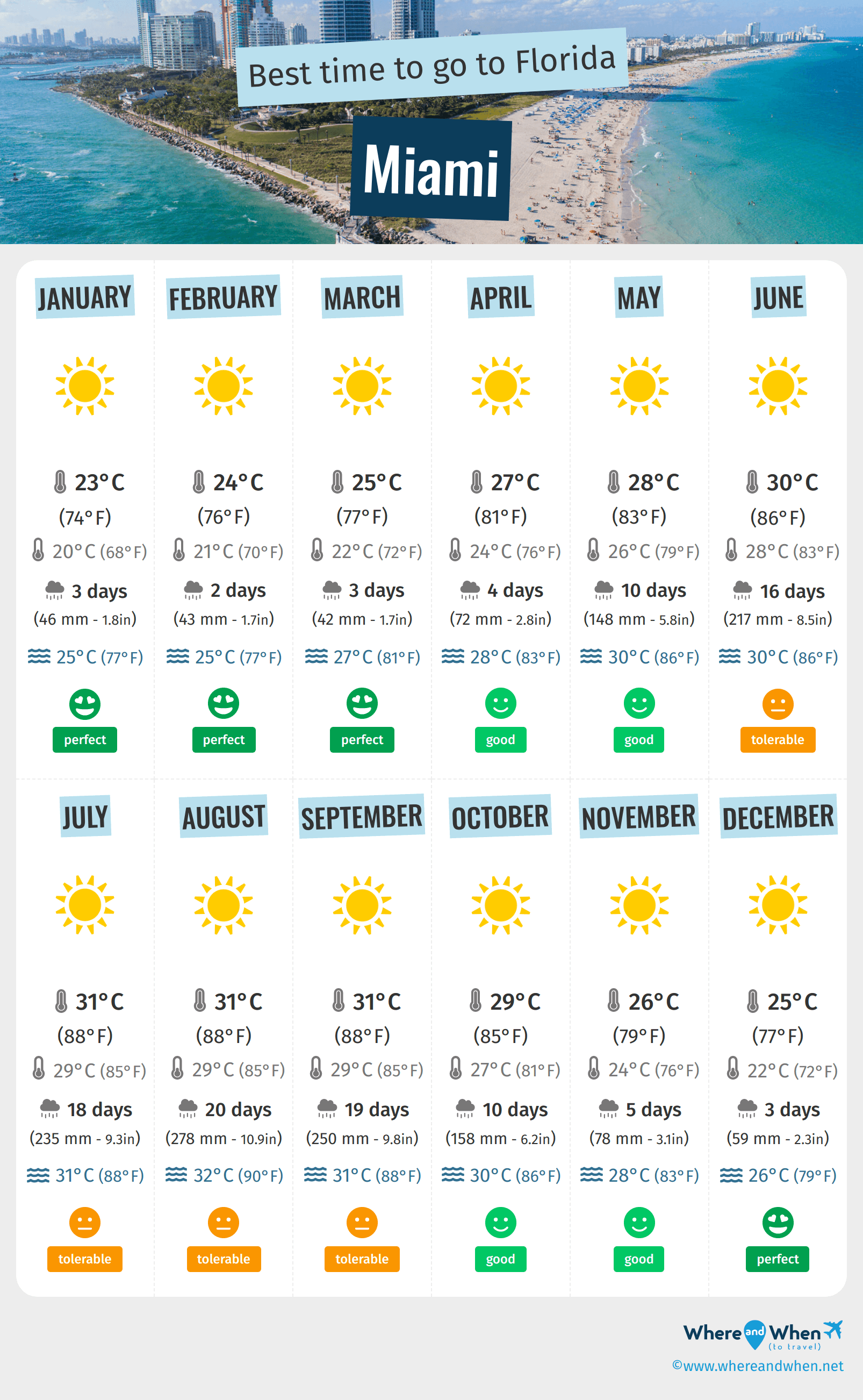
From approximately November to April, Miami experiences its dry season. This period is often considered the most pleasant time to visit, with average temperatures ranging from the low 70s to the high 70s Fahrenheit (around 21-26 degrees Celsius). Humidity levels tend to be lower, and rainfall is significantly reduced. These months are ideal for outdoor activities, exploring attractions like Vizcaya Museum & Gardens or enjoying a leisurely stroll through the Wynwood Walls. The skies are often clear, offering abundant sunshine perfect for beach days or sporting events. Evenings can be comfortably cool, making it a welcome respite for those coming from colder climates.
The Wet Season: Heat, Humidity, and Afternoon Showers
The wet season typically spans from May to October. During these months, temperatures climb, often reaching the high 80s and low 90s Fahrenheit (around 31-33 degrees Celsius), with the heat index frequently pushing into the triple digits due to high humidity. Rainfall is much more frequent, often manifesting as intense, short-lived afternoon thunderstorms. These downpours are usually followed by a return to sunshine, and they are essential for maintaining the lush tropical vegetation of the region. While the heat and humidity can be intense, the trade-off is often fewer crowds and potentially lower prices on accommodations and flights, especially outside of peak holiday periods. It’s important to plan your days to accommodate these afternoon showers, perhaps scheduling indoor activities or museum visits during that time.
Key Weather Elements in Miami
Beyond the seasonal shifts, several key weather elements consistently define the Miami experience. These include temperature, humidity, rainfall, and the ever-present sunshine. Understanding these components helps in preparation and enjoyment.
Temperature Fluctuations and Yearly Averages
As mentioned, Miami enjoys consistently warm temperatures. The average annual temperature hovers around 76.9°F (24.9°C). The coldest months are typically January and February, with average daily temperatures in the low 70s Fahrenheit (around 21-23°C), though occasional cold fronts can bring temperatures down into the 50s Fahrenheit (10-15°C) for a few days. Conversely, July and August are the hottest months, with average daily temperatures in the low 80s Fahrenheit (around 28-30°C). The ocean breeze, known as the “sea breeze,” offers some relief from the midday heat, especially along the coast.
Humidity: The Ever-Present Companion
Humidity is a constant factor in Miami’s weather, especially during the wet season. Relative humidity levels can often exceed 70% and frequently reach 80-90% during the summer months. This high humidity contributes to the feeling of heat, as it makes it more difficult for sweat to evaporate from the skin, thus hindering the body’s natural cooling process. Staying hydrated and seeking air-conditioned spaces are crucial strategies for comfort during the more humid periods.
Rainfall Patterns: From Drizzle to Downpours
Miami receives a significant amount of rainfall annually, averaging around 61.95 inches (157.4 cm). While the dry season is characterized by minimal precipitation, the wet season sees a dramatic increase. The daily afternoon thunderstorms are a signature of this period. These storms are often powerful, bringing heavy rain, lightning, and sometimes strong winds, but they typically dissipate as quickly as they arrive, leaving behind clear skies. These frequent rains are vital for the ecosystem, supporting the verdant landscapes and the abundance of tropical flora.
Sunshine: A Constant Source of Light and Warmth
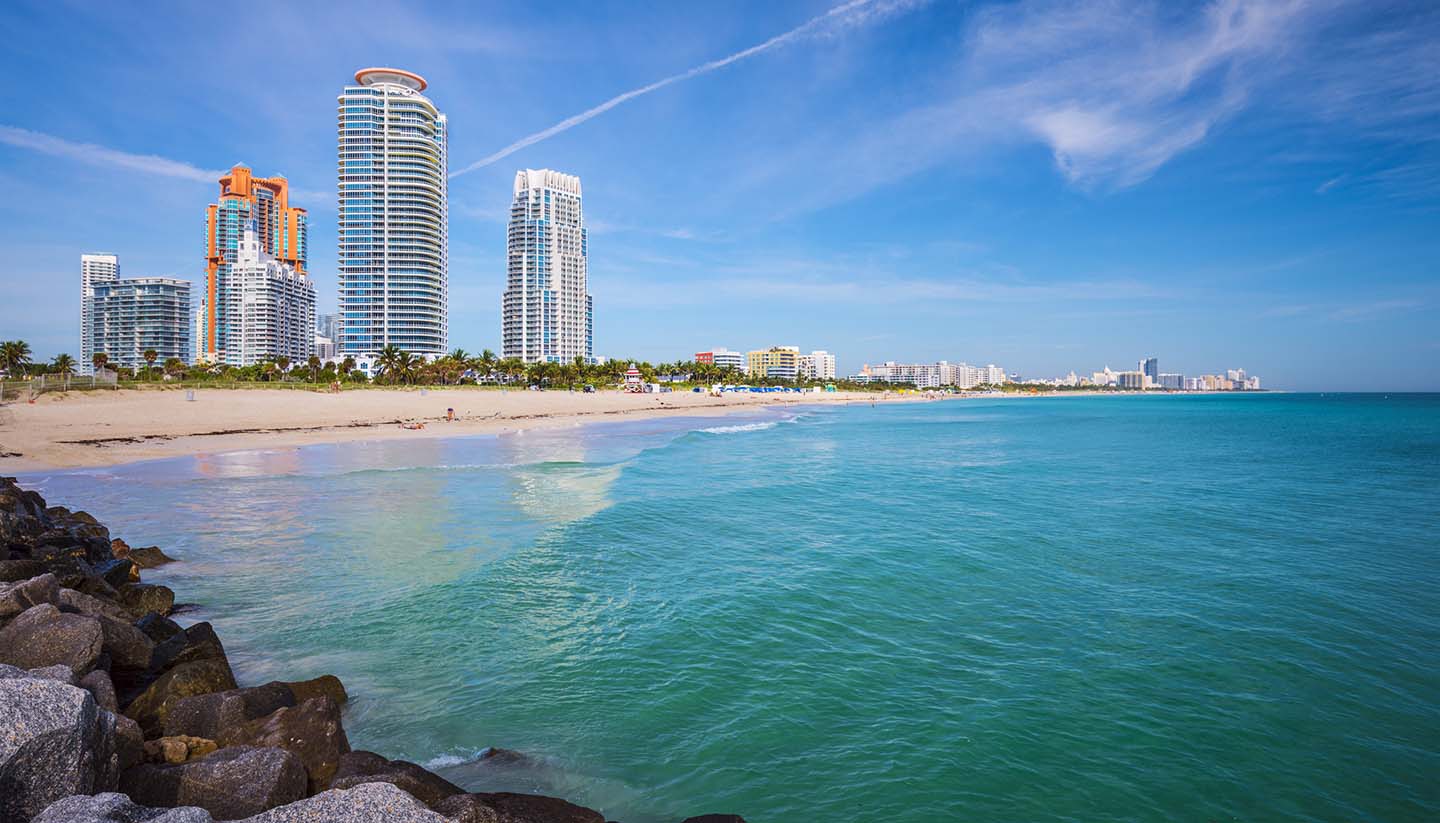
Miami is blessed with abundant sunshine throughout the year. On average, the city experiences over 3,000 hours of sunshine annually, which translates to about 70% of daylight hours being sunny. This consistent sunshine contributes to its appeal as a destination for outdoor recreation and its vibrant, energetic atmosphere. Even on days with passing showers, the sun often breaks through quickly, painting the sky with dramatic rainbows.
Factors Influencing Miami’s Weather
Several geographical and atmospheric factors converge to create Miami’s unique weather patterns. These elements are crucial to understanding why Miami experiences the climate it does.
Proximity to the Atlantic Ocean and the Gulf Stream
The most significant influence on Miami’s weather is its location on the southeastern tip of Florida, bordering the Atlantic Ocean. The vast body of water acts as a natural temperature regulator. The warm waters of the Gulf Stream, which flows north along the coast, further contribute to the mild winters and the overall warmth of the region. This oceanic influence also plays a role in the high humidity, as the warm ocean air picks up moisture.
Subtropical High-Pressure Systems
During the dry season, Miami is often influenced by subtropical high-pressure systems that bring clear skies and calm weather. As these systems shift, they allow for the passage of cold fronts from the north, which can temporarily lower temperatures and bring drier air. In contrast, the wet season is often dominated by the Intertropical Convergence Zone (ITCZ), a belt of low pressure near the equator where warm, moist air masses converge, leading to the characteristic afternoon thunderstorms.
Tropical Cyclones: A Seasonal Consideration
While not a daily occurrence, Miami is located in a region susceptible to tropical cyclones, commonly known as hurricanes, during the Atlantic hurricane season, which officially runs from June 1st to November 30th. The peak of hurricane activity is typically in August, September, and October. Although direct hits are not annual events, the possibility necessitates preparedness and awareness. Visitors during this period should always monitor weather advisories and have a plan in place, especially if staying in coastal areas or mobile homes. Major hurricanes like Hurricane Andrew and Hurricane Irma have significantly impacted South Florida, underscoring the importance of vigilance.
Planning Your Visit: Weather-Smart Travel to Miami
Armed with an understanding of Miami’s weather, travelers can better plan their itineraries and pack accordingly. The key is to embrace the tropical nature of the climate and prepare for its variations.
Packing Essentials for Every Season
Regardless of the time of year, light, breathable clothing is a must. Cotton and linen are excellent choices. For the dry season, pack a light jacket or sweater for cooler evenings. Sunscreen, a wide-brimmed hat, and sunglasses are essential year-round to protect against the strong sun. During the wet season, a compact umbrella or a lightweight, waterproof rain jacket is highly advisable. Comfortable walking shoes are crucial for exploring the city, whether it’s Little Havana or the art deco district of South Beach.
Adapting Your Itinerary to the Climate
Flexibility is key when visiting Miami. If a strong afternoon thunderstorm is forecast, consider scheduling indoor activities like visiting the Pérez Art Museum Miami or the Phillip and Patricia Frost Museum of Science during that time. Conversely, if you’re visiting during the dry season, take full advantage of the beautiful weather by planning outdoor excursions. Early morning and late afternoon are often the most comfortable times for activities during the hotter months. Hydration is paramount, so keep water with you at all times.
Understanding Weather Alerts and Advisories
For those traveling during the hurricane season, staying informed about weather alerts and advisories is crucial. Local news stations, weather apps, and official government websites such as the National Hurricane Center provide real-time information. Hotels and resorts, like the [Fontainebleau Miami Beach](https://lifeoutofthebox.com/ અ fontainebleau-miami-beach) or the Faena Hotel Miami Beach, often have protocols in place to ensure guest safety during severe weather events. Being prepared can turn a potentially disruptive situation into a manageable one, allowing you to continue enjoying your trip.
In conclusion, the weather in Miami is an integral part of its identity, a constant companion to its vibrant lifestyle. While often characterized by heat and humidity, its tropical monsoon climate offers distinct seasons that, when understood and respected, enhance rather than hinder the visitor’s experience. From the sun-drenched days of the dry season to the dramatic, yet fleeting, afternoon showers of the wet season, Miami’s weather provides a dynamic backdrop for exploring its unparalleled attractions.
LifeOutOfTheBox is a participant in the Amazon Services LLC Associates Program, an affiliate advertising program designed to provide a means for sites to earn advertising fees by advertising and linking to Amazon.com. Amazon, the Amazon logo, AmazonSupply, and the AmazonSupply logo are trademarks of Amazon.com, Inc. or its affiliates. As an Amazon Associate we earn affiliate commissions from qualifying purchases.