
The intersection of modern technology and traditional hospitality has fundamentally altered how travelers experience their stay. One of the most common questions for the contemporary traveler arriving in a new city is whether they can bypass the often-expensive room service menu in favor of their favorite local eateries. The short answer is yes: Uber Eats and similar platforms do deliver to hotels, but the logistics of whether that meal arrives at your actual door or awaits you in the lobby depend heavily on individual hotel policies, security protocols, and the specific city you are visiting.
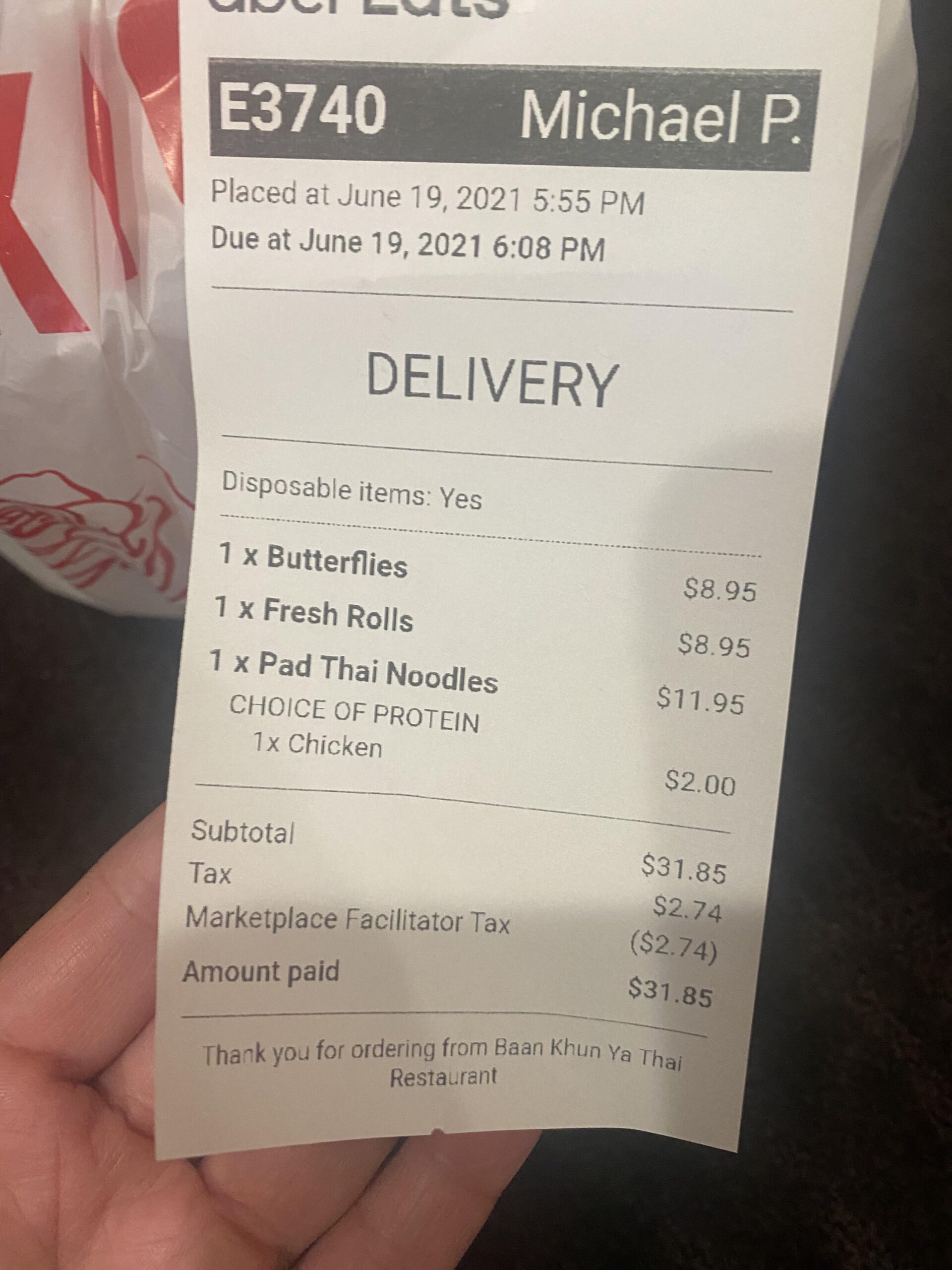
As the hospitality industry evolves, major brands like Marriott International and Hilton Hotels have had to adapt to the reality that guests value the variety and price transparency offered by delivery apps. This shift represents a significant change in the hotel business model, moving away from a captive audience for in-house dining toward a more open, service-oriented approach that prioritizes guest convenience.
Navigating Hotel Delivery Policies and Guest Etiquette
Every hotel property operates under a unique set of guidelines regarding third-party vendors. While a Holiday Inn in a suburban area might have a very relaxed policy, a high-security luxury establishment like the Waldorf Astoria in New York City will likely have much stricter rules. Understanding these nuances is key to ensuring your meal arrives hot and without incident.
Security Protocols and Front Desk Interventions
Security is the primary reason why many hotels do not allow delivery drivers to go directly to guest rooms. In many major metropolitan areas such as London or Paris, hotels utilize elevator keycard systems that prevent anyone without a registered room key from accessing guest floors. This is a deliberate safety measure designed to protect guests and their belongings.
In these instances, the standard procedure is for the driver to leave the order with the concierge or at a designated delivery rack in the lobby. Some properties, particularly those under the InterContinental Hotels Group umbrella, have even begun installing dedicated “delivery lockers” or warming stations to accommodate the high volume of Uber Eats orders. When placing an order, it is always wise to check the “Notes” section of the app and look for specific instructions provided by the hotel or to call the front desk to ask about their specific protocol.
The Transition from Traditional Room Service
Historically, room service was a cornerstone of the luxury hotel experience. However, the rise of food delivery apps has forced a reevaluation of this amenity. Many hotels in Chicago and Los Angeles have scaled back their 24-hour kitchen operations, recognizing that they cannot compete with the sheer variety of the local culinary scene.
Some hotels have leaned into this trend by partnering with delivery services. For example, certain Wyndham Hotels and Resorts locations have previously offered rewards points for guests who order via specific apps. This synergy acknowledges that the guest’s desire for a local Deep Dish Pizza or authentic Street Tacos outweighs the convenience of a standardized hotel burger.
Maximizing Convenience Across Different Hotel Tiers
The delivery experience can vary wildly depending on whether you are staying in a sprawling resort, a boutique city hotel, or a budget-friendly motor lodge. Each tier of accommodation handles the “last mile” of food delivery differently.
Delivery at Luxury Properties and Resorts
In high-end establishments like the Four Seasons Hotel or the Ritz Carlton, the focus is on maintaining an atmosphere of exclusivity and calm. Having a parade of delivery drivers in various uniforms walking through a marble-clad lobby can be seen as disruptive to the brand aesthetic. Consequently, these hotels almost always require guests to meet drivers at the main entrance or valet stand.
If you are staying at a massive resort, such as the Bellagio Hotel and Casino in Las Vegas or the Grand Floridian Resort within Walt Disney World Resort, the logistics become even more complex. These properties are often so large that a driver may struggle to find the correct entrance or tower. In Las Vegas, many hotels have designated ride-share and delivery pick-up zones located away from the main lobby to manage traffic flow.
Staying at Boutique Hotels and Urban Apartments
Boutique hotels in dense urban centers like San Francisco or Tokyo often have more flexible, personalized service. Because these buildings are smaller, the front desk staff may be more willing to call your room the moment your food arrives.
For those staying in apartment-style accommodations like those provided by Sonder or at the Marriott Vacation Club, the experience is much closer to ordering food at home. These properties often lack a central lobby or concierge, meaning you will likely need to provide the driver with a gate code or meet them at the street level.
Logistics: From the App to Your Hotel Room Door
To ensure a seamless delivery, there are several logistical steps a guest should take when using Uber Eats in a hotel setting. Preparation is the difference between a hot meal and a cold, confusing search through a dark parking lot.
Specifying Room Numbers and Drop-off Instructions
When entering your address in the app, do not simply rely on the GPS location of the hotel. Manually enter the full name of the hotel, such as the Hyatt Regency, and include your room number in the delivery notes. However, even if you include the room number, you should add a clarifying note: “Please meet in the lobby” or “Leave at the front desk if permitted.”
It is also helpful to describe your location if the hotel has multiple entrances. For instance, if you are staying at the Sheraton Grand in Seattle, specifying which street entrance you are near can save the driver significant time.
Handling Deliveries in Large Resorts and Apartment-Style Accommodations
In expansive resorts like the Marina Bay Sands in Singapore, the distance from the guest room to the delivery point can be a ten-minute walk. In these cases, timing is everything. Use the real-time tracking feature in the app to begin your walk to the lobby when the driver is a few minutes away.
Furthermore, consider the “Meet at Door” versus “Leave at Door” options. In a hotel, “Leave at Door” (referring to your room door) is rarely an option due to the aforementioned security. “Leave at Door” in a hotel context usually means leaving the food on a communal table in the lobby, which carries the risk of someone else accidentally taking your order.
Regional Variations: Uber Eats in Global Travel Hubs
The culture of delivery varies significantly across the globe. What is standard practice in Miami might be entirely different in Dubai or Sydney.
Delivery Trends in Europe and Asia
In European cities like Rome and Berlin, many historic hotels have small elevators and narrow corridors. Drivers are almost never permitted to go upstairs. In Japan, particularly in Tokyo, the service culture is exceptionally polite, but rules are strictly followed. If a hotel policy says no outside delivery to rooms, there is no room for negotiation.
In Dubai, the delivery economy is incredibly robust. At iconic landmarks like the Burj Al Arab, the security is so tight that deliveries are handled through a specialized service entrance, and the hotel staff may actually bring the items to you as part of their bespoke service, though this is an exception rather than the rule.
Local Regulations in North America
In the United States, particularly in hospitality-heavy cities like Orlando, hotels have become very efficient at managing delivery traffic. If you are staying near Universal Studios Florida, you will find that most hotels have clear signage for delivery drivers. In Canada, cities like Toronto and Vancouver follow a similar pattern, with most high-rise hotels requiring a lobby meet-up.
The Future of In-Room Dining and Third-Party Integration
The hospitality industry is currently in a state of flux regarding how to handle the “app economy.” Some forward-thinking brands are looking for ways to integrate these services rather than fight them.
Tech Integration and In-App Ordering
We are beginning to see hotels integrate food delivery directly into their guest apps. Instead of opening Uber Eats separately, a guest at a Marriott property might eventually find a curated list of local restaurants within the hotel’s own interface. This allows the hotel to maintain some level of oversight and potentially even share in the convenience fee while ensuring that the delivery process adheres to the building’s security standards.

The Evolution of the Hotel Lobby
The physical layout of hotels is also changing. Newer builds in cities like Austin and Nashville are being designed with delivery “cubbies” or dedicated short-term parking spots for delivery vehicles. The lobby is no longer just a place for check-in; it is becoming a multi-functional hub where the digital world meets the physical comforts of home.
Ultimately, while Uber Eats does deliver to hotels, the “to your room” part of the equation remains a variable. By understanding the policies of the specific Resort or Suites you have booked, and by maintaining clear communication with your driver, you can enjoy the best local flavors of your destination from the comfort of your bed, even if it requires a quick trip down to the lobby. This blend of local exploration and personal convenience is the hallmark of the modern travel experience.
LifeOutOfTheBox is a participant in the Amazon Services LLC Associates Program, an affiliate advertising program designed to provide a means for sites to earn advertising fees by advertising and linking to Amazon.com. Amazon, the Amazon logo, AmazonSupply, and the AmazonSupply logo are trademarks of Amazon.com, Inc. or its affiliates. As an Amazon Associate we earn affiliate commissions from qualifying purchases.