
Embarking on a journey from the heart of the Midwest to the tropical paradise of Hawaii is a dream for many. While the allure of pristine beaches and volcanic landscapes is undeniable, prospective travelers often first consider the practicalities, chief among them being the duration of the flight. Traveling from Detroit, Michigan, to any of the major Hawaiian islands involves a significant cross-continental and trans-Pacific voyage, making it one of the longer domestic routes within the United States. Understanding the typical flight times, the factors that influence them, and how to best prepare for such a journey is crucial for a smooth and enjoyable travel experience.
Navigating the Skies: Typical Flight Durations
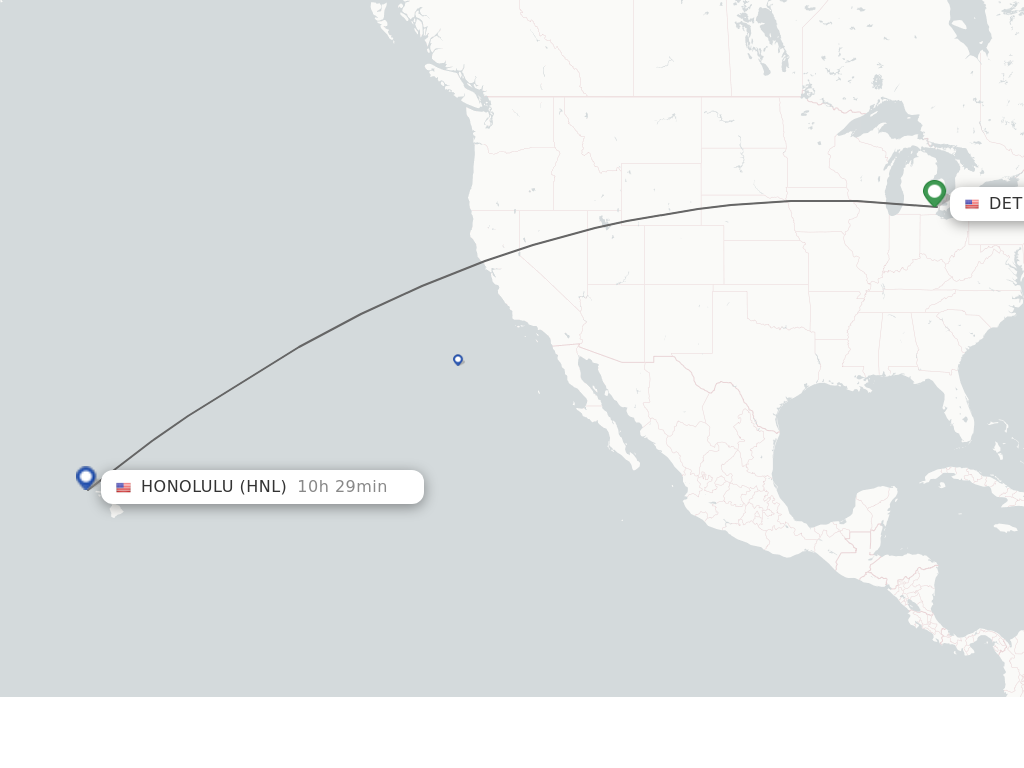
The flight time from Detroit Metropolitan Wayne County Airport (DTW) to the various airports in Hawaii can vary considerably, primarily depending on whether you secure a direct flight or opt for a connecting one. Given the vast distance of over 4,000 miles (approximately 6,400 kilometers), direct flights from Detroit to Hawaii are extremely rare, if they exist at all on a regular commercial schedule. The vast majority of travelers will undertake a journey involving at least one layover.
Understanding Connecting Flights
For most routes from Detroit to Hawaii, a connecting flight is the standard. This usually involves flying from DTW to a major hub airport on the West Coast, such as Los Angeles International Airport (LAX), San Francisco International Airport (SFO), or Seattle-Tacoma International Airport (SEA), followed by a second leg across the Pacific to your chosen Hawaiian island.
The total travel time for a connecting flight typically ranges from 11 to 15 hours or more, including the layover.
- The first leg (Detroit to West Coast hub): This segment usually takes between 4 to 5 hours, depending on the specific hub airport chosen. For instance, a flight to Chicago O’Hare International Airport (ORD) might be shorter, while a direct flight to Los Angeles or San Francisco will be longer.
- The layover: This crucial part of the journey can range from a quick 1-hour dash to your next gate to a leisurely 3-5 hour stop, providing time for a meal or airport amenities. Shorter layovers increase the risk of missing a connection, while excessively long ones can make the overall trip feel protracted.
- The second leg (West Coast hub to Hawaii): This trans-Pacific segment is typically the longest flying portion, averaging about 5 to 6 hours to Honolulu on Oahu, or slightly longer to islands like Maui, Kauai, or the Big Island (Hawaii Island).
Specific Hawaiian Island Destinations
While Daniel K. Inouye International Airport (HNL) in Honolulu, Oahu, is the primary gateway to Hawaii, travelers often head to other islands. This might add an extra inter-island flight to the itinerary, further extending the total travel time.
- To Oahu (Honolulu): Most common route, total travel time 11-14 hours.
- To Maui (Kahului Airport, OGG): Often involves a connection in Honolulu or a direct flight from the West Coast. Total travel time 12-15 hours.
- To Big Island (Kona International Airport, KOA, or Hilo International Airport, ITO): Similar to Maui, often a connection in Honolulu or direct from the West Coast. Total travel time 12-15 hours.
- To Kauai (Lihue Airport, LIH): Typically requires a connection in Honolulu. Total travel time 12-16 hours.
When planning, it’s essential to consider the final destination airport, as flights to smaller island airports might add an additional hour or two to the overall journey due to an extra connection.
Factors Influencing Total Travel Time
Beyond the basic mechanics of connecting flights, several variables can subtly or significantly impact the total duration of your journey from Detroit to Hawaii.
Aircraft Type and Speed
Modern commercial airliners typically cruise at speeds of around 500-600 miles per hour (800-965 km/h). While the difference between models might seem negligible over short distances, over a transcontinental and trans-Pacific journey, the specific aircraft can shave off or add a few minutes. Newer, more fuel-efficient planes often have slightly higher cruising speeds or more direct flight paths. However, this is usually a minor factor compared to others.
Layover Duration and Location
The length and location of your layover are arguably the most significant determinants of total travel time.
- Optimal Layover: A layover of 1.5 to 3 hours is generally considered ideal. It provides enough buffer for minor delays on the first leg without feeling excessively long.
- Short Layovers (under 1 hour): While tempting for a quicker overall trip, these are risky. A slight delay on the first flight, a distant gate for the connection, or slow airport processes can lead to missed connections and significant disruption.
- Long Layovers (4+ hours): These can extend your travel day considerably but also offer opportunities to leave the airport (if time and visa requirements permit) or simply relax in an airport lounge. Some travelers intentionally choose longer layovers in cities like Los Angeles or San Francisco to break up the journey.
Wind Patterns and Jet Stream
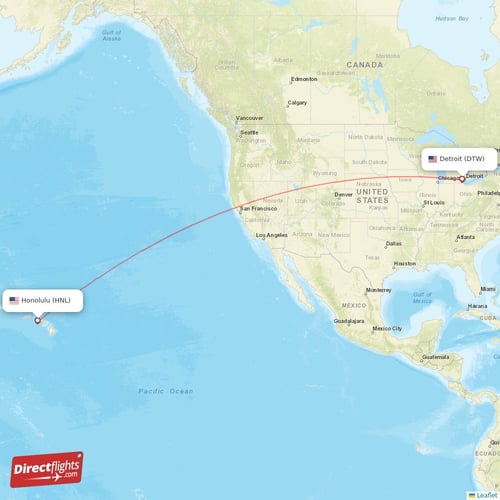
Flights traveling eastward across the United States and Pacific often benefit from the jet stream, a band of strong winds high in the atmosphere, which can significantly reduce flight times. Conversely, flights heading westward, like those from Detroit to Hawaii, typically fly against these prevailing winds, adding to the flight duration. This phenomenon can easily add 30 minutes to an hour to a long-haul flight segment.
Air Traffic Control and Gate Delays
As with any major airport, departures from Detroit Metropolitan Wayne County Airport and your connecting hub can be subject to air traffic control (ATC) delays, especially during peak travel times or adverse weather conditions. Similarly, arrival at busy airports can mean waiting for an available gate. These minor delays accumulate, pushing back departure or arrival times, and thus the total journey duration.
Popular Routes and Airlines Servicing Hawaii
For a journey as extensive as from Detroit to Hawaii, travelers have several reputable airline options and common connection points.
Major Connecting Hubs
Airlines generally route passengers through their primary hubs. For flights from Detroit (which is a major hub for Delta Air Lines), common West Coast connection cities include:
- Los Angeles (LAX): A popular hub for Delta Air Lines, United Airlines, American Airlines, and Southwest Airlines. Offers numerous flights to all major Hawaiian islands.
- San Francisco (SFO): A strong United Airlines hub with many flights to Hawaii.
- Seattle (SEA): A hub for Alaska Airlines and Delta Air Lines, also with frequent Hawaiian services.
- Phoenix (PHX): A hub for American Airlines and Southwest Airlines.
- Denver (DEN): A major hub for United Airlines and Southwest Airlines, offering connections to Hawaii.
- Dallas/Fort Worth (DFW) or Houston (IAH): While further east, these hubs for American Airlines and United Airlines respectively, sometimes offer competitive flight options, though the first leg will be longer.
Choosing a flight through an airline’s hub often means smoother connections and potentially more options if a flight is delayed or cancelled.
Major Airlines
A variety of major carriers facilitate travel from Detroit to Hawaii:
- Delta Air Lines: As Detroit’s primary airline, Delta offers numerous daily flights to West Coast hubs like Los Angeles and Seattle, from where they operate extensive services to Honolulu, Maui, Kona, and Lihue.
- United Airlines: Utilizing hubs such as Chicago, Denver, Houston, Los Angeles, and particularly San Francisco, United provides comprehensive connectivity to the Hawaiian islands.
- American Airlines: With hubs in Dallas/Fort Worth, Chicago, and Phoenix, American Airlines also offers numerous routes.
- Southwest Airlines: While not typically flying from Detroit direct to a Hawaii gateway, Southwest connects through cities like Chicago Midway International Airport, Denver, Phoenix, and Los Angeles to serve the islands.
- Alaska Airlines: Often a strong contender for West Coast departures, especially from Seattle and Portland International Airport (PDX), Alaska Airlines provides excellent service to Hawaii once you’ve connected to one of their West Coast hubs.
When booking, comparing options from several airlines and considering the total travel time, including layovers, is vital for securing the most convenient itinerary.
Preparing for Your Long-Haul Journey
A flight spanning 11 to 15 hours requires some thoughtful preparation to ensure comfort and minimize the effects of such a long journey.
Maximizing Comfort Onboard
- Attire: Dress in loose, comfortable layers. The temperature on planes can fluctuate, and layers allow for easy adjustment.
- Hydration: Air travel is dehydrating. Drink plenty of water before and during the flight, and limit caffeine and alcohol. Bring an empty reusable water bottle to fill after security.
- Movement: Periodically stretch and walk the aisles if possible to promote blood circulation and prevent stiffness. Compression socks can also be beneficial.
- Neck Pillow and Eye Mask: These small accessories can make a significant difference in your ability to rest or sleep, especially on a long flight across multiple time zones.
- Entertainment: While airlines provide in-flight entertainment, having your own loaded tablet, e-reader, or headphones with your preferred music or podcasts ensures you have options even if the onboard system fails or doesn’t suit your taste.
Managing Jet Lag
The time difference between Detroit (Eastern Time Zone, ET) and Hawaii (Hawaii Standard Time, HST) is significant—five hours during standard time and six hours during daylight saving time in the contiguous United States. This westward journey can lead to noticeable jet lag.
- Adjust Gradually: Try to shift your sleep schedule by an hour or two each day in the days leading up to your trip.
- On Arrival: Immediately try to adapt to Hawaiian time. Get natural sunlight exposure in the morning, and avoid heavy meals or excessive napping during the day.
- Stay Active: Gentle activity, like a walk on the beach, can help reset your internal clock.

Essential Carry-On Packing
Beyond comfort items, consider these for your carry-on:
- Snacks: While food is often served, having your preferred healthy snacks can prevent hunger pangs and offer a familiar comfort.
- Medication: Keep any essential prescription medications and over-the-counter remedies (like pain relievers or antacids) in your carry-on.
- Toiletries: A small bag with travel-sized toothbrush, toothpaste, moisturizer, and lip balm can refresh you mid-flight or during a layover.
- Charging Cables and Power Bank: Ensure your devices stay charged, especially if you plan on using them for entertainment.
In conclusion, a flight from Detroit to Hawaii is a substantial undertaking, typically ranging from 11 to 15 hours with a connecting flight. While there are no regular non-stop options, numerous airlines and West Coast hubs offer efficient routes. By understanding the journey’s dynamics and preparing thoughtfully, travelers can transform this lengthy transit into a comfortable preamble to their Hawaiian adventure.
LifeOutOfTheBox is a participant in the Amazon Services LLC Associates Program, an affiliate advertising program designed to provide a means for sites to earn advertising fees by advertising and linking to Amazon.com. Amazon, the Amazon logo, AmazonSupply, and the AmazonSupply logo are trademarks of Amazon.com, Inc. or its affiliates. As an Amazon Associate we earn affiliate commissions from qualifying purchases.