
The question of whether it’s legal to collect rainwater in Oregon is one that sparks considerable interest, particularly among those who value self-sufficiency, environmental stewardship, and reducing their reliance on municipal water sources. While the notion of capturing precipitation might seem universally permissible, the reality in many jurisdictions, including parts of the United States, can be surprisingly complex. This article delves into the specific regulations and historical context surrounding rainwater harvesting in Oregon, aiming to provide clarity for residents and visitors alike. Understanding these nuances is crucial for anyone considering implementing a rainwater collection system for their home, garden, or even for more extensive uses.

The Historical Context of Water Rights in Oregon
To fully grasp the current legal landscape of rainwater collection in Oregon, it’s essential to understand the historical framework of water law that has shaped the state’s approach to water management. For much of the American West, water rights have been a contentious and deeply ingrained aspect of development and resource allocation. Historically, the doctrine of prior appropriation, often summarized as “first in time, first in right,” has governed the use of surface water. This system grants senior water rights holders the first claim to water resources, even during times of scarcity.
Prior Appropriation and Surface Water
Under the prior appropriation doctrine, water rights are established by diverting water from a natural source and applying it to a beneficial use. This system was developed to encourage the settlement and development of arid western lands, where water was often scarce. In Oregon, like many other western states, this has meant that the state engineer’s office historically managed water rights, issuing permits for the use of surface water from rivers, streams, and lakes. The primary concern was ensuring that users with established rights were not deprived of their allocated water.
The Emergence of Rainwater Harvesting
Rainwater harvesting, in its simplest form, involves collecting precipitation that falls on a person’s property. Historically, this practice was common and largely unregulated. However, as water scarcity became a more pressing issue in some regions, and as water management became more formalized, questions arose about whether collected rainwater constituted a “water right” that could be claimed or regulated. The concern for water management authorities was that widespread, unregulated collection of rainwater, especially from rooftops that might otherwise contribute to streamflow, could potentially interfere with existing surface water rights. This led to varying interpretations and regulations across different states.
Oregon’s Specific Regulations on Rainwater Collection
The question of legality in Oregon hinges on specific state statutes and administrative rules. Historically, there has been some ambiguity, and interpretations have evolved over time. However, a significant shift occurred that clarified the situation for many residents.
The Distinction Between Surface Water and Rooftop Runoff
A critical distinction in understanding Oregon’s water laws is between collecting water directly from natural surface water bodies and collecting rainwater from structures like rooftops. For a long time, collecting rainwater from roofs was not explicitly addressed in water laws, leading to uncertainty. However, state legislation and subsequent administrative rules have largely clarified that rainwater collected from rooftops is generally not subject to the same strict water rights regulations that govern surface water diversions.
Key Legislative Changes and Administrative Rules
In recent years, Oregon has moved towards a more permissive stance on rooftop rainwater harvesting. The Oregon Water Resources Department (OWRD) has been instrumental in this evolution. Through administrative rules and interpretations, the OWRD has generally affirmed that the collection of rainwater from rooftops for non-potable uses, such as landscape irrigation, is permissible and does not require a water right. This clarification has been a significant relief for homeowners interested in sustainable practices.
Permissible Uses of Harvested Rainwater
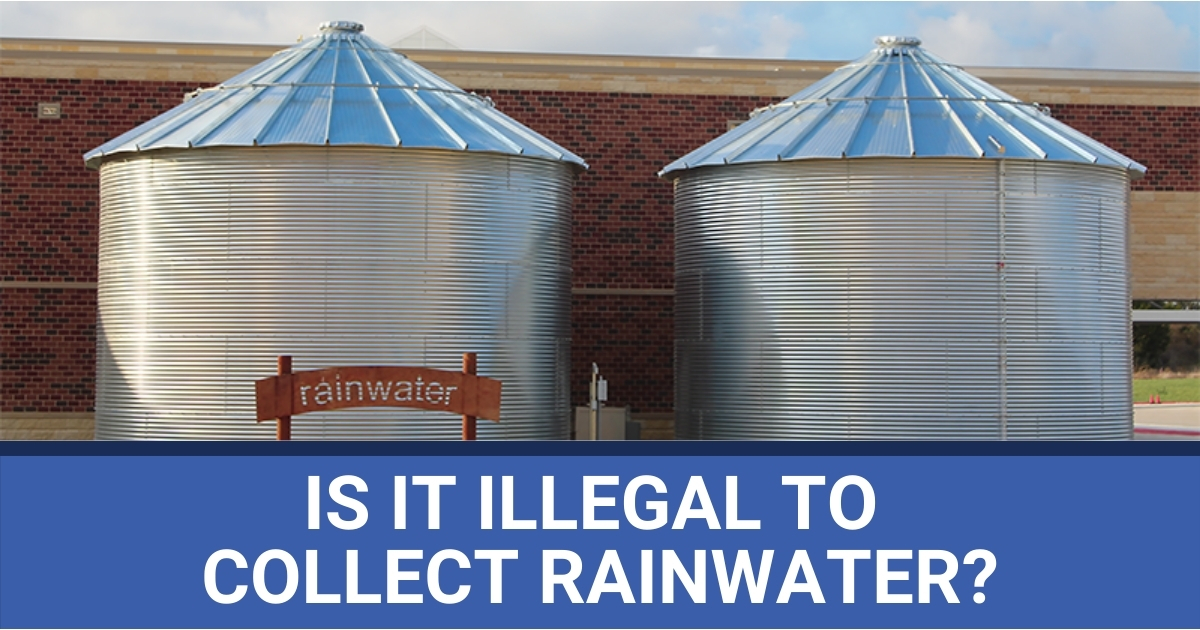
The primary distinction often made is between potable and non-potable uses. While collecting rainwater from rooftops for garden watering or other non-potable applications is generally allowed, using harvested rainwater for drinking, cooking, or bathing (potable use) often involves more stringent requirements. These requirements typically relate to water quality testing, filtration, and treatment to ensure the water is safe for human consumption. It is always advisable to consult with local health authorities and the OWRD if potable use is intended, as specific guidelines and potential permitting might be necessary.
Understanding Exemptions and Potential Restrictions
While the general trend in Oregon is towards allowing rooftop rainwater harvesting, there are always nuances and potential exceptions to consider. It’s important to be aware of these to ensure full compliance with state and local regulations.
Rooftop Collection vs. Other Forms of Collection
The legal framework primarily focuses on rainwater collected from the roofs of buildings. This is because rooftop runoff is considered incidental precipitation that would otherwise flow into storm drains or the ground. Collecting water directly from natural streams, springs, or other surface water sources, even if it appears to be “rainwater” pooling, is typically subject to traditional water rights laws and would require a permit or water right. The key is the source of collection and whether it interferes with existing water uses.
Local Ordinances and Homeowners’ Association Rules
Beyond state regulations, it’s crucial to investigate any local ordinances that might apply. Some cities or counties in Oregon may have specific requirements or restrictions related to rainwater harvesting, particularly concerning the size of cisterns, placement of collection systems, or aesthetic guidelines. Similarly, homeowners’ associations (HOAs) can have their own rules regarding external modifications to properties, which might include rainwater harvesting systems. It is always prudent to check with your local municipality and your HOA before installing any system.
Groundwater Recharge and Water Rights
While rooftop collection is generally exempt, there can be situations where large-scale rainwater harvesting, especially if it involves diverting or impounding significant quantities of water that would naturally recharge groundwater or contribute to surface flows, could raise concerns under water law. The OWRD’s primary mandate is to manage the state’s water resources to prevent waste and ensure equitable distribution. Therefore, any system that could be perceived as impacting established water rights or the overall water balance of a watershed would likely face closer scrutiny.
Best Practices and Resources for Rainwater Harvesters in Oregon
For those in Oregon who are interested in collecting rainwater, adopting best practices and utilizing available resources can ensure a smooth and compliant experience.
Planning Your Rainwater Harvesting System
Before embarking on a rainwater harvesting project, thorough planning is essential. Consider:
- Purpose: What will the harvested water be used for? (e.g., garden irrigation, toilet flushing, potable use).
- Catchment Area: The size and material of your roof will determine the potential volume of water you can collect.
- Storage: How much water do you need to store, and what type of storage tanks (cisterns) are appropriate?
- Filtration and Treatment: Depending on the intended use, filtration and treatment systems will be necessary to ensure water quality.
- Overflow Management: Plan for how excess water will be safely managed to prevent erosion or flooding.
Consulting with Experts and Authorities
The Oregon Water Resources Department (OWRD) is the primary state agency responsible for water management. Their website provides valuable information, guidance documents, and contact details for specific inquiries. For technical advice on system design, installation, and maintenance, consider consulting with local landscape architects, environmental engineers, or reputable rainwater harvesting system installers who are familiar with Oregon’s regulations.

Staying Informed on Evolving Regulations
Water law and environmental regulations can evolve. Staying informed about any changes in state or local policies is crucial for ongoing compliance. Subscribing to newsletters from the OWRD or relevant environmental organizations can help you stay up-to-date. In conclusion, for most residents in Oregon, collecting rainwater from rooftops for non-potable uses is not illegal and is, in fact, encouraged as a sustainable practice. However, understanding the distinction between rooftop collection and other forms of water diversion, and being aware of local ordinances, will ensure a successful and compliant rainwater harvesting endeavor.
LifeOutOfTheBox is a participant in the Amazon Services LLC Associates Program, an affiliate advertising program designed to provide a means for sites to earn advertising fees by advertising and linking to Amazon.com. Amazon, the Amazon logo, AmazonSupply, and the AmazonSupply logo are trademarks of Amazon.com, Inc. or its affiliates. As an Amazon Associate we earn affiliate commissions from qualifying purchases.