
The arid, sun-drenched landscapes of southern Arizona give way to the cooler, pine-forested highlands as one travels north. The contrast between the bustling metropolis of Phoenix, Arizona and the mountain town of Flagstaff, Arizona is striking, and the journey between these two distinct Arizona gems is a popular route for both leisure and business travelers. Understanding the distance and travel time is crucial for effective planning, whether embarking on a scenic drive, a quick weekend getaway, or a critical business trip. This exploration delves into the specifics of the distance, the most common travel methods, and factors that influence journey times, offering a comprehensive guide for anyone looking to traverse this significant segment of the Grand Canyon State.
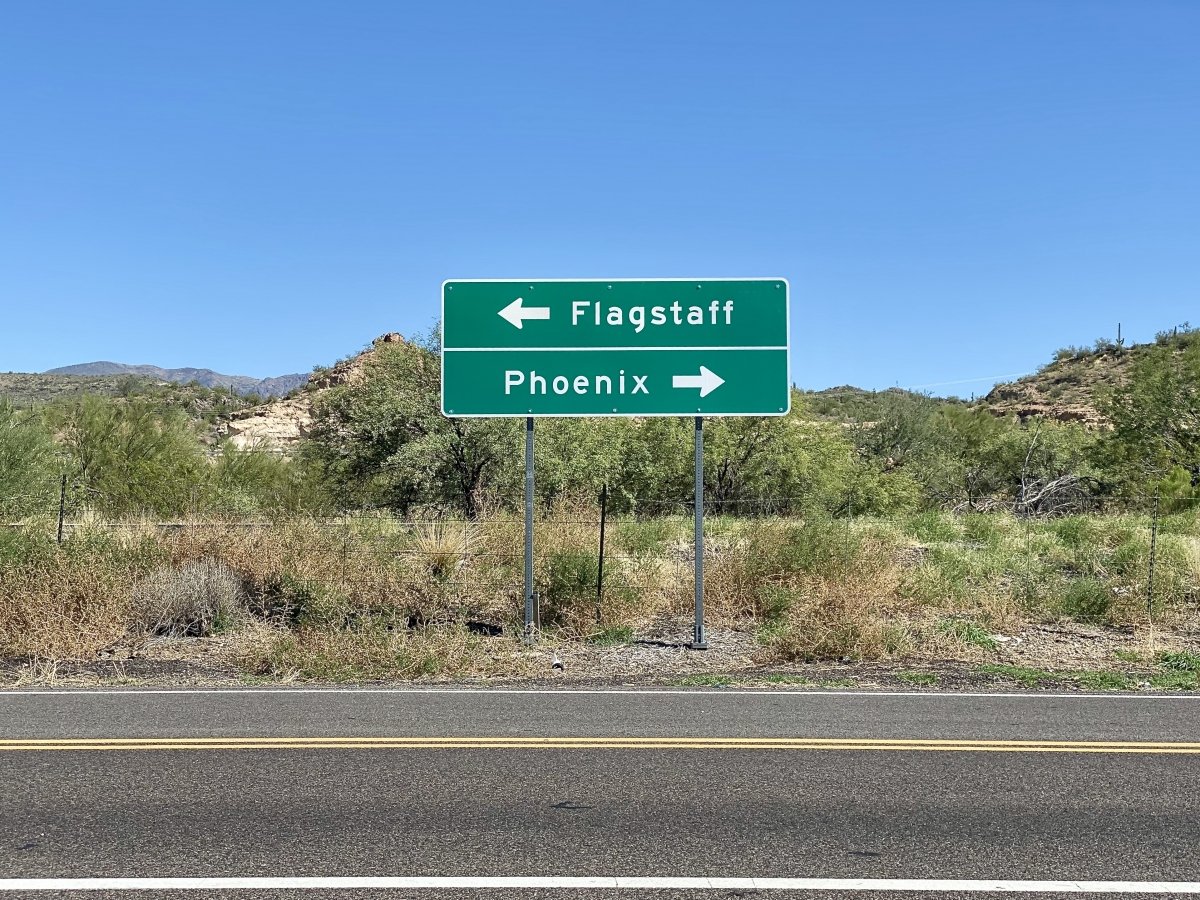
The Direct Distance and Driving Metrics
At its core, the distance between Phoenix, Arizona and Flagstaff, Arizona is a straightforward geographical measurement, yet it carries implications for how one experiences the transition between these two iconic Arizona locations. The most direct route, and typically the most efficient for driving, follows Interstate 17 (I-17) for the majority of the journey. This interstate highway is a well-maintained and scenic artery, cutting through varied desert and mountain terrain.
Mileage and Kilometers
The standard driving distance between Phoenix, Arizona and Flagstaff, Arizona is approximately 145 miles (about 233 kilometers). This measurement is generally taken from the central business districts of each city. Variations can occur based on the specific starting point within Phoenix, Arizona and the exact destination within Flagstaff, Arizona, particularly if one is traveling to or from areas outside the immediate downtown cores, such as neighborhoods on the periphery or specific resorts.
Average Driving Time
Under normal traffic conditions and without significant stops, the drive between Phoenix, Arizona and Flagstaff, Arizona typically takes between 2 hours and 30 minutes to 3 hours. This duration is heavily influenced by several factors, including time of day, day of the week, and any construction or special events occurring along I-17. For instance, traveling during peak commuter hours in Phoenix, Arizona can add considerable time to the initial departure, while encountering weekend traffic heading towards popular mountain destinations in Flagstaff, Arizona can also extend the journey.
Elevation Gain
A notable aspect of the drive is the significant elevation gain. Phoenix, Arizona sits at an elevation of around 1,087 feet (331 meters) above sea level, while Flagstaff, Arizona is situated much higher at approximately 6,909 feet (2,106 meters). This substantial increase in altitude over a relatively short distance means a noticeable change in temperature and scenery. The drive is characterized by a gradual ascent through the Sonoran Desert, transitioning into the Ponderosa pine forests of the Mogollon Rim region.
Travel Methods and Their Implications
While driving is the most prevalent method for covering the distance between Phoenix, Arizona and Flagstaff, Arizona, other transportation options exist, each with its own set of advantages and considerations for the traveler. The choice of method can significantly impact the overall travel experience, from cost and convenience to the ability to explore along the way.
Driving: The Dominant Choice
The personal vehicle remains the most popular way to travel between Phoenix, Arizona and Flagstaff, Arizona. This is largely due to the flexibility it offers. Travelers can depart at their convenience, make spontaneous stops at roadside attractions, and transport luggage and equipment with ease. Rental cars are readily available in Phoenix, Arizona for those who do not have their own vehicle. The route on I-17 is generally well-maintained and offers multiple services, including gas stations and rest areas, though these become less frequent as one ascends into the higher elevations.
Bus Services: An Economical Alternative
For budget-conscious travelers or those who prefer not to drive, bus services provide a viable option. Companies like Greyhound operate routes connecting Phoenix, Arizona and Flagstaff, Arizona. Bus travel is typically more economical than flying and can be a relaxing way to journey, allowing passengers to read, work, or simply enjoy the changing landscapes without the stress of navigating. The travel time by bus can be slightly longer than by car, often ranging from 3 to 4 hours, depending on the number of stops and layovers. Bus stations are conveniently located in both cities, offering further connectivity.
Train Travel: A Scenic, Though Less Direct, Option
While not as direct or as frequent as bus or car travel, train services can also connect travelers between the two regions, though typically requiring transfers. Amtrak offers routes that might link passengers from Phoenix, Arizona to nearby hubs from which they can then reach Flagstaff, Arizona. Train travel provides a unique perspective on the Arizona landscape and is often favored for its comfort and the ability to move around during the journey. However, the time investment is generally greater, and it is less common for travelers seeking a direct route between these two specific cities.
Air Travel: Not Practical for Direct Commute
Direct commercial flights between Phoenix, Arizona and Flagstaff, Arizona are not available. The closest airport to Flagstaff, Arizona is Flagstaff Pulliam Airport, which primarily serves smaller regional flights and is not a hub for major domestic carriers. For air travel to Flagstaff, Arizona from Phoenix, Arizona, one would typically fly from Phoenix Sky Harbor International Airport to another major hub, and then take a connecting flight, which is highly impractical and time-consuming for this relatively short distance. Therefore, air travel is not a feasible or recommended option for direct transit between these two cities.
Factors Influencing Travel Time and Experience
The distance between Phoenix, Arizona and Flagstaff, Arizona may be fixed, but the time it takes to cover it and the overall experience are subject to a dynamic interplay of various factors. Being aware of these can help travelers optimize their journey and mitigate potential delays or discomforts.
Traffic Conditions
Traffic is a significant variable, particularly in and around the Phoenix, Arizona metropolitan area. Weekday rush hours, typically from 6:00 AM to 9:00 AM and 4:00 PM to 6:00 PM, can dramatically increase the time it takes to get out of the city and onto I-17. Similarly, holiday weekends and Friday afternoons can see increased outbound traffic as residents and tourists head to mountain destinations like Flagstaff, Arizona or Sedona, Arizona. Conversely, the drive into Phoenix, Arizona on a Sunday evening might also encounter heavier volumes.
Weather Phenomena
Arizona’s diverse climate means that weather can play a crucial role, especially during the transition from the desert to the mountains. While Phoenix, Arizona experiences hot and dry conditions for much of the year, Flagstaff, Arizona is prone to snow and ice during its winter months (typically November through March). Heavy snowfall can lead to reduced speed limits, temporary road closures, or even the need for tire chains on I-17. Monsoon season in the summer (July-September) can bring sudden, intense thunderstorms to both regions, potentially causing flash floods or reduced visibility, particularly in canyons and desert washes. It is always advisable to check weather forecasts and road conditions before embarking on the journey, especially during the winter season.
Road Construction and Maintenance
Like any major transportation corridor, I-17 is subject to ongoing maintenance and construction projects. These can range from routine resurfacing and bridge repairs to larger infrastructure upgrades aimed at improving safety and traffic flow. Such projects can lead to lane restrictions, reduced speed limits, and significant delays, especially during peak travel times. Awareness of current construction alerts, often available through the Arizona Department of Transportation website, can help travelers anticipate and plan for potential disruptions.
Opportunities for Stops and Sightseeing
The journey between Phoenix, Arizona and Flagstaff, Arizona is more than just transit; it’s an opportunity to experience Arizona’s diverse natural beauty and cultural heritage. I-17 itself passes through several points of interest that can transform a simple drive into a memorable road trip.
Scenic Overlooks and Rest Areas
As the elevation increases, numerous pull-offs and rest areas offer breathtaking panoramic views of the evolving landscape. These are ideal for stretching legs, taking photographs, and appreciating the vastness of the Arizona terrain. Some well-known spots provide vistas of canyons, mountain ranges, and the distinctive desert flora.
Towns and Attractions Along the Way
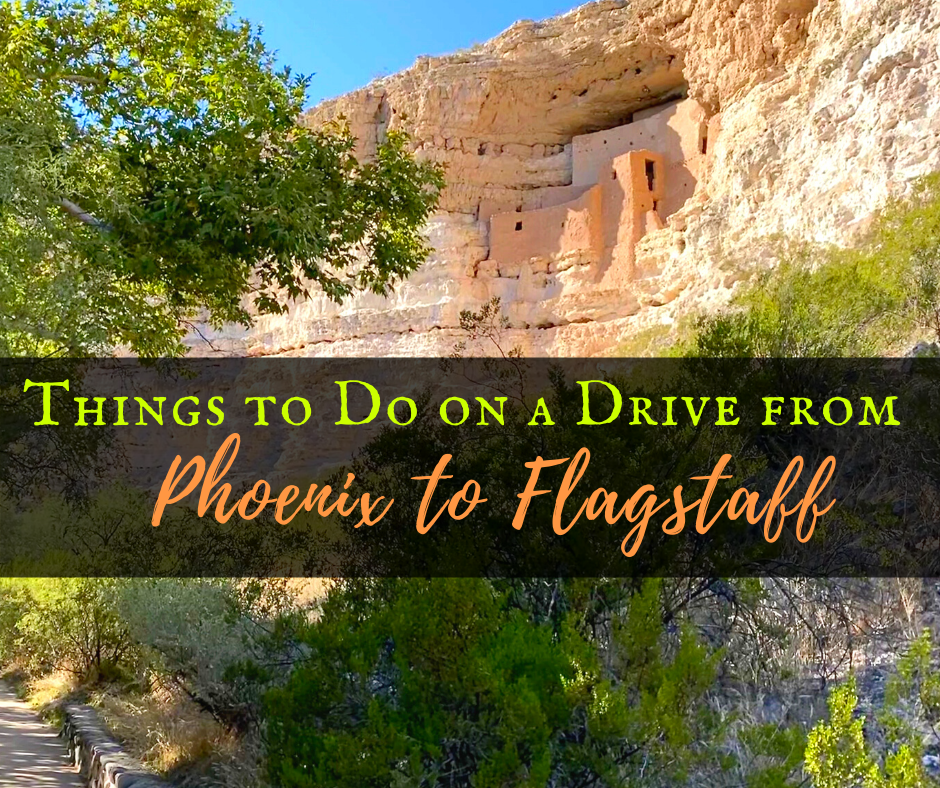
- Camp Verde, Arizona: Situated at the base of the mountainous ascent, Camp Verde, Arizona offers historical sites like the Montezuma Castle National Monument, ancient cliff dwellings preserved by the Sinagua people. It’s a significant stop for those interested in the region’s rich history.
- Jerome, Arizona: A short detour from I-17 leads to the historic copper mining town of Jerome, Arizona, now a vibrant artist community perched precariously on a hillside. Its unique shops, galleries, and haunted history make it a popular side trip.
- Sedona, Arizona: While slightly off the most direct path (requiring a connection via AZ-179), Sedona, Arizona is a world-renowned destination for its stunning red rock formations, spiritual vortexes, hiking trails, and vibrant arts scene. It’s a compelling detour for travelers with extra time.
- Payson, Arizona: Further east but accessible via scenic routes, Payson, Arizona is known as the “Heart of Arizona” and serves as a gateway to the Tonto National Forest and the Mogollon Rim.
Incorporating these stops can easily extend a 3-hour drive into a full-day exploration, enriching the travel experience and providing a deeper appreciation for the diverse landscapes and heritage of central and northern Arizona.
LifeOutOfTheBox is a participant in the Amazon Services LLC Associates Program, an affiliate advertising program designed to provide a means for sites to earn advertising fees by advertising and linking to Amazon.com. Amazon, the Amazon logo, AmazonSupply, and the AmazonSupply logo are trademarks of Amazon.com, Inc. or its affiliates. As an Amazon Associate we earn affiliate commissions from qualifying purchases.