
Planning a trip to the majestic Rocky Mountains often involves understanding the logistics of travel between key destinations. For many visitors and residents in Colorado, the journey from the bustling state capital, Denver, to the tranquil, adventure-rich town of Glenwood Springs is a common itinerary. This guide will outline the distance, typical travel times, and various considerations for making this scenic trek, ensuring a well-planned and enjoyable experience.
The Geographic Span: Distance and Driving Time
The direct distance between Denver and Glenwood Springs is approximately 160 miles (257 kilometers) as the crow flies. However, road travel naturally covers more ground due to the mountainous terrain and the specific routing of highways.

The Primary Route: I-70 West
The most common and efficient way to travel from Denver to Glenwood Springs is by driving west on Interstate 70 (I-70). This route takes travelers directly through the heart of the Rocky Mountains, offering breathtaking views and access to numerous mountain towns. The total driving distance via I-70 is roughly 157-160 miles (253-257 kilometers).
Under ideal conditions, with clear weather and no traffic delays, the drive typically takes between 2.5 to 3 hours. However, it is crucial to understand that “ideal conditions” are not always the norm, particularly in Colorado’s mountain corridor.
Factors Influencing Travel Time
Several elements can significantly impact the actual travel time from Denver to Glenwood Springs:
- Traffic Congestion: I-70 is a major artery, especially on weekends, holidays, and during ski season. Eastbound traffic returning to Denver on Sunday afternoons and westbound traffic heading into the mountains on Friday afternoons can cause significant delays. Bottlenecks frequently occur near Idaho Springs, Eisenhower Tunnel, Vail Pass, and around the Copper Mountain and Frisco areas. During peak times, a 2.5-hour drive can easily stretch to 4-5 hours or even longer.
- Weather Conditions: Mountain weather is notoriously unpredictable. Snowstorms, heavy rain, and ice can drastically reduce speed limits and visibility, leading to slower travel times and potential road closures. Travelers should always check weather forecasts and road conditions (e.g., via Colorado Department of Transportation resources) before embarking on their journey, especially during winter months.
- Construction: Roadwork is common on I-70, particularly during the warmer months, which can lead to lane closures and detours, adding to travel duration.
- Stops and Sightseeing: The route itself is incredibly scenic. Many travelers opt to make stops in charming mountain towns like Silverthorne, Frisco, or Vail, or to take in the views at various overlooks. These planned stops, while enriching the travel experience, will naturally extend the total time.
Scenic Routes and Alternative Journeys
While I-70 is the fastest, travelers have other options for a different kind of experience.
Beyond I-70: A More Leisurely Approach
For those with more time and a desire for a less direct, more scenic adventure, alternative routes exist, though they generally add significant time and distance.
- Highway 9 (via Fairplay/Buena Vista): One option involves heading south from Denver on US-285 towards Fairplay and Buena Vista, then cutting west on Highway 24 or similar roads to connect to Highway 82 over Independence Pass (seasonal) or further west to meet I-70 near Grand Junction. This route offers stunning views of the Arkansas River Valley and access to fourteeners, but it’s considerably longer (5+ hours without stops) and some mountain passes are only open in summer. This path could extend the journey by several hours and upwards of 50-100 miles.
- North via Rocky Mountain National Park (Seasonal): Another highly scenic, albeit much longer and more complex, route could involve heading north through Rocky Mountain National Park (via Trail Ridge Road in summer) and then southwest. This route prioritizes sightseeing and immersion in wilderness over efficiency and would likely take a full day of travel.
These alternative driving options are best suited for travelers who prioritize the journey itself as part of their destination experience and are not pressed for time. They also require careful planning regarding road conditions and seasonal closures.
Public Transportation Options
For those who prefer not to drive or wish to enjoy the scenery without navigating mountain roads, public transportation is available.
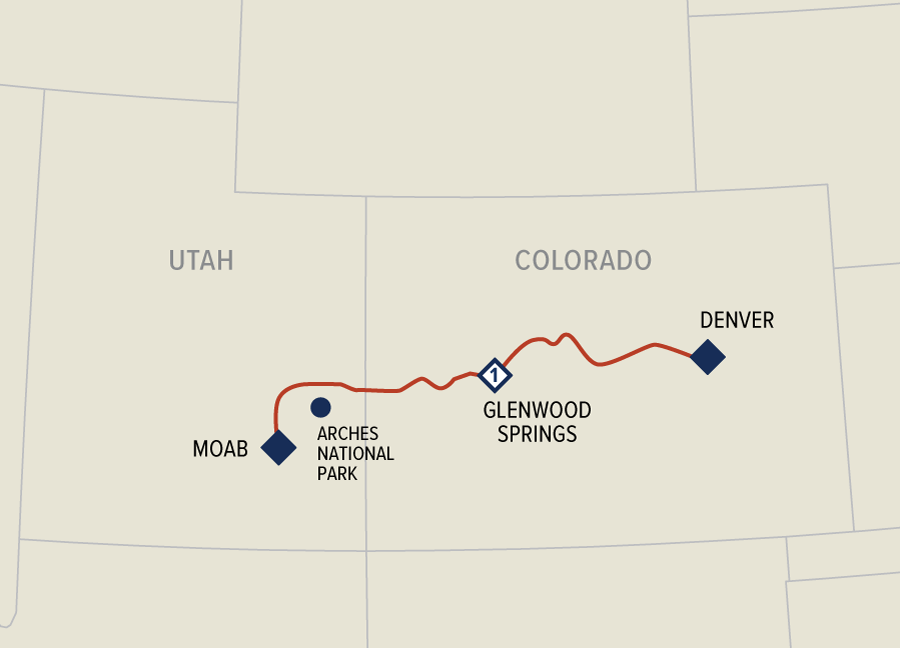
- Amtrak’s California Zephyr: A highly recommended and memorable way to travel is by taking Amtrak‘s California Zephyr train from Denver’s Union Station directly to the Glenwood Springs train station. This train journey is renowned for its spectacular views as it winds through Glenwood Canyon, often described as one of the most beautiful train rides in North America. The train ride typically takes around 5 to 5.5 hours, providing a relaxed experience where passengers can enjoy the passing landscapes without the stress of driving. Tickets should be booked in advance, especially during peak travel seasons.
- Bus Services: While less frequent and typically slower than driving or the train, some regional bus services may offer routes or connections to Glenwood Springs. However, these are often less direct and may involve transfers. For convenience and direct travel, the train or a private vehicle remains superior.
Preparing for Your Journey: Essential Travel Tips
Regardless of your chosen mode of transport, a little preparation can significantly enhance your trip from Denver to Glenwood Springs.
Best Times to Travel
- Avoid Peak Hours: If driving, try to depart Denver early on a weekday morning (before 7 AM) or late in the evening to avoid the worst of I-70 traffic. Similarly, avoid returning to Denver on a Sunday afternoon if possible.
- Seasonal Considerations: Summer (June-August) offers the most reliable weather for driving, but also the heaviest tourist traffic. Fall (September-October) brings stunning autumn foliage and generally pleasant driving conditions, though early snow can occur. Winter (November-April) requires vigilance for snow and ice, potentially requiring 4WD/AWD vehicles and snow tires/chains (per Colorado traction laws). Spring (April-May) can be a mix of conditions, with late snowstorms possible.
Vehicle Preparation and Safety
If driving, ensure your vehicle is in good condition. Check tire pressure, fluid levels, and brakes. In winter, ensure your tires are appropriate for snow and ice, and consider carrying chains if you plan to venture off major interstates or if conditions are severe. Always carry an emergency kit with blankets, water, snacks, a first-aid kit, and jumper cables. Pay attention to fuel levels, as service stations can be sparse in certain mountain stretches.
Packing for Glenwood Springs
Glenwood Springs is known for its hot springs and outdoor activities. Pack swimwear, comfortable hiking shoes, layers of clothing suitable for varying temperatures, and sun protection (even in winter, the high altitude sun can be intense). Depending on the season, bring appropriate gear for skiing, rafting, biking, or climbing.
What Awaits in Glenwood Springs
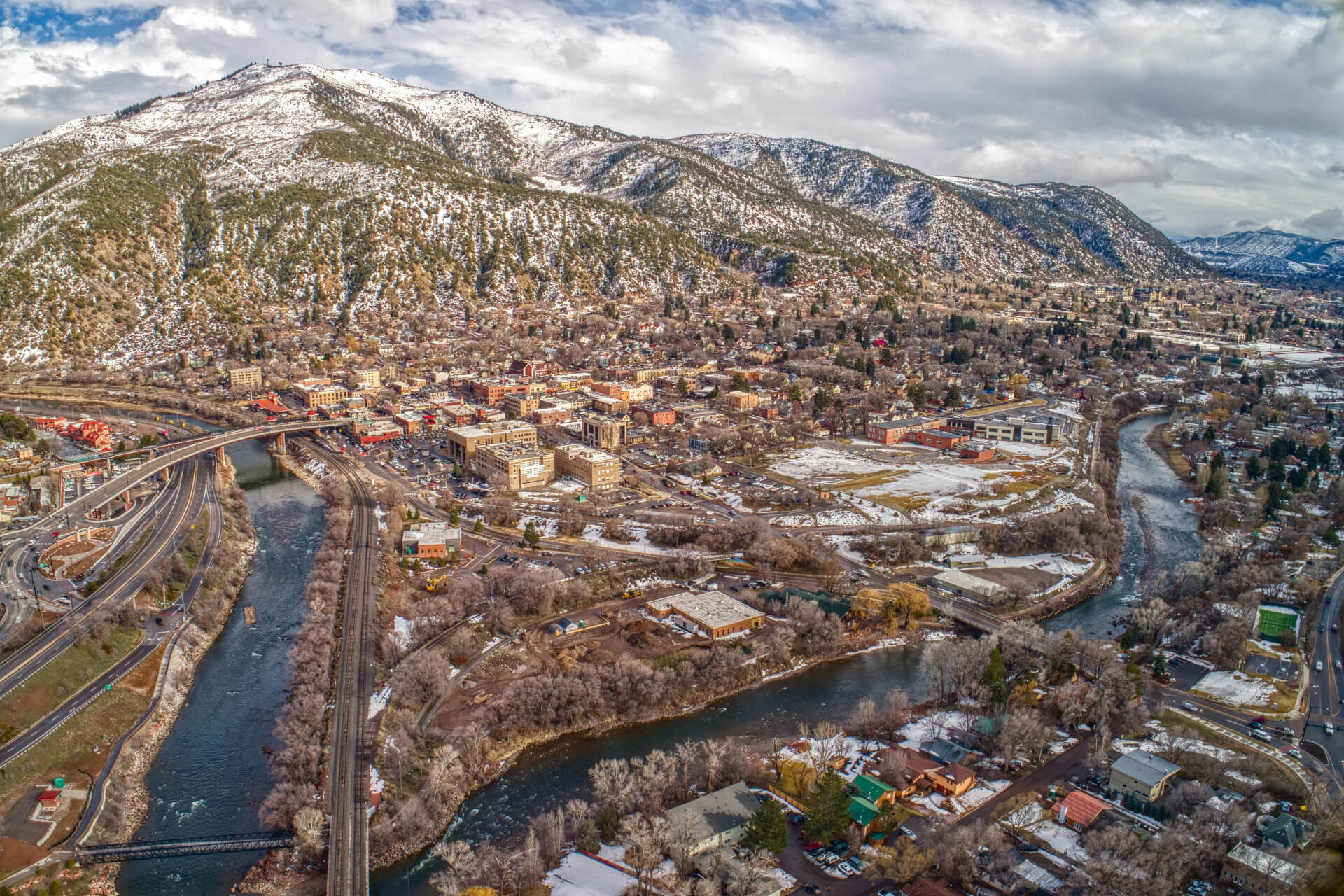
Upon arrival, the efforts of the journey are handsomely rewarded. Glenwood Springs offers a unique blend of relaxation and adventure, making it a beloved Colorado destination.
Hot Springs and Outdoor Adventures
The town’s namesake hot springs are a primary draw. The Glenwood Hot Springs Pool offers expansive mineral pools for soaking and relaxation, while the smaller, more intimate Iron Mountain Hot Springs provides a different experience with numerous smaller pools perched above the Colorado River.
Beyond the springs, outdoor enthusiasts will find an abundance of activities:
- Hiking and Biking: Trails abound, from the challenging ascent to Hanging Lake (requires a permit) to more leisurely paths along the Rio Grande Trail.
- Rafting and Kayaking: The Colorado River and Roaring Fork River offer thrilling white-water rafting opportunities during warmer months.
- Glenwood Caverns Adventure Park: Perched high above the town, this unique park combines cave tours with thrill rides built into the mountainside.
- Skiing: Nearby ski resorts like Sunlight Mountain Resort offer excellent slopes for winter sports.
Dining and Local Culture
Glenwood Springs boasts a vibrant downtown area with a variety of restaurants, breweries, and shops. Visitors can enjoy everything from casual eateries to fine dining, often featuring local Colorado ingredients. The town also has a rich history, evident in its architecture and the stories of figures like Doc Holliday, whose grave is a local landmark.
In conclusion, the journey from Denver to Glenwood Springs is approximately 157-160 miles and typically takes 2.5-3 hours by car under optimal conditions. However, variable traffic, weather, and construction necessitate flexible planning. Whether by car for independence or by train for a scenic, relaxed experience, the trip promises stunning vistas and leads to a destination brimming with natural beauty and adventure.
LifeOutOfTheBox is a participant in the Amazon Services LLC Associates Program, an affiliate advertising program designed to provide a means for sites to earn advertising fees by advertising and linking to Amazon.com. Amazon, the Amazon logo, AmazonSupply, and the AmazonSupply logo are trademarks of Amazon.com, Inc. or its affiliates. As an Amazon Associate we earn affiliate commissions from qualifying purchases.