
Getting married in California offers an unparalleled blend of natural beauty, diverse cultures, and vibrant cityscapes, making it a dream destination for couples seeking to tie the knot. Whether you envision an intimate elopement on a secluded beach, a grand vineyard ceremony, or an urban chic celebration, understanding the necessary legal and logistical requirements is the first step in planning your Golden State nuptials. This comprehensive guide will navigate you through the essentials, ensuring your journey to marital bliss in California is as smooth and memorable as the destination itself.
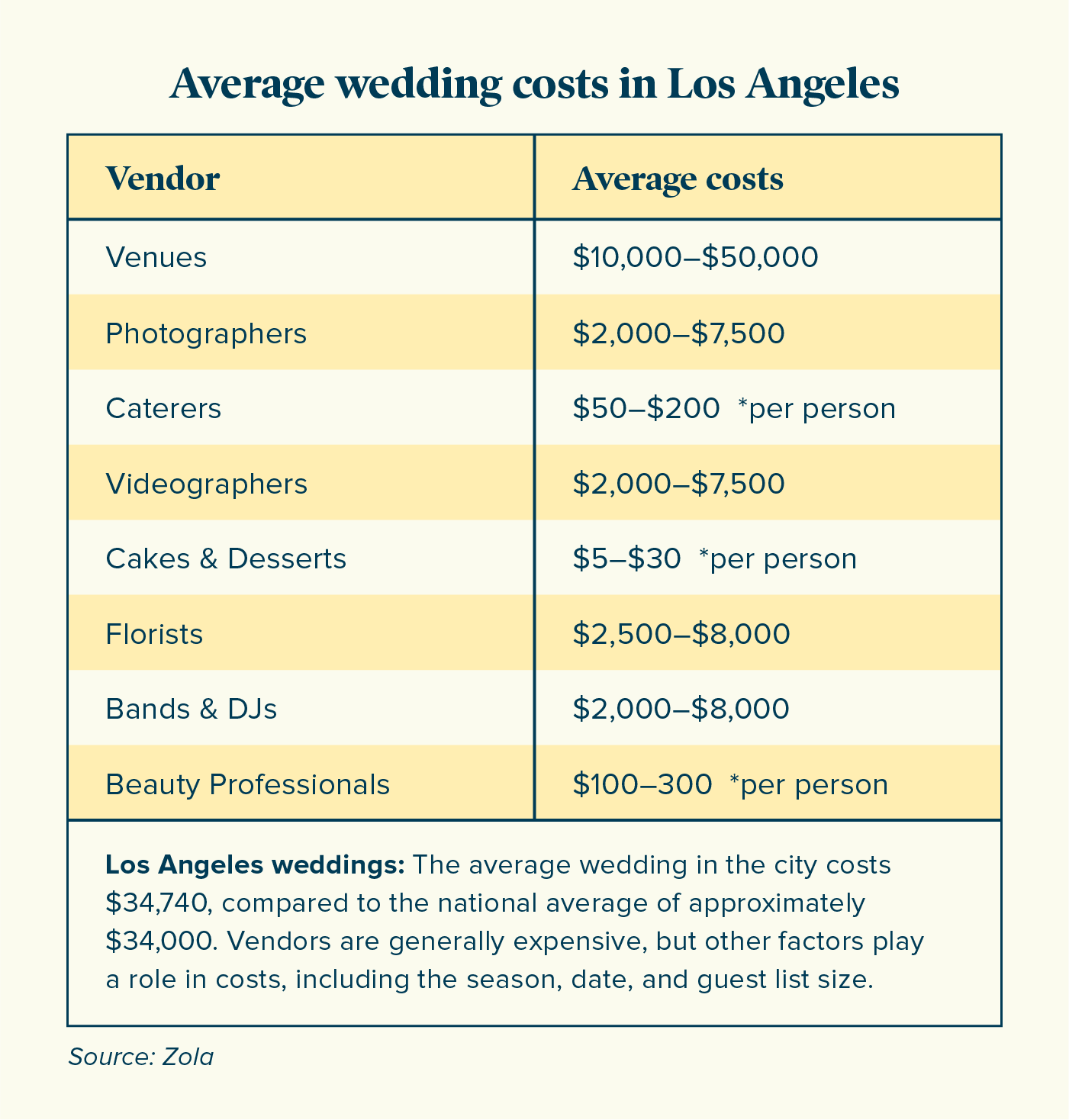
Navigating the Legal Landscape for Your California Nuptials
The legal framework for marriage in California is straightforward, but careful attention to detail ensures a hassle-free process. Unlike some states, California does not impose residency requirements, making it an accessible choice for both locals and destination wedding couples.
Eligibility and Age Requirements
To legally marry in California, both parties must meet specific criteria:
- Age: Both individuals must be at least 18 years old. If either applicant is under 18, they must obtain parental consent (from at least one parent or guardian for each minor) and court order approval.
- Relationship Status: Applicants must not be currently married or in a registered domestic partnership with another person. If previously married or in a domestic partnership, proof of the dissolution (divorce decree, annulment, or death certificate) is typically not required at the time of license application but must have occurred before applying.
- Blood Relation: Individuals must not be closely related by blood (e.g., siblings, parents and children).
- Capacity: Both parties must be capable of understanding the nature of the marriage contract and voluntarily consenting to it.
Obtaining Your Marriage License
The marriage license is the cornerstone of your legal union in California.
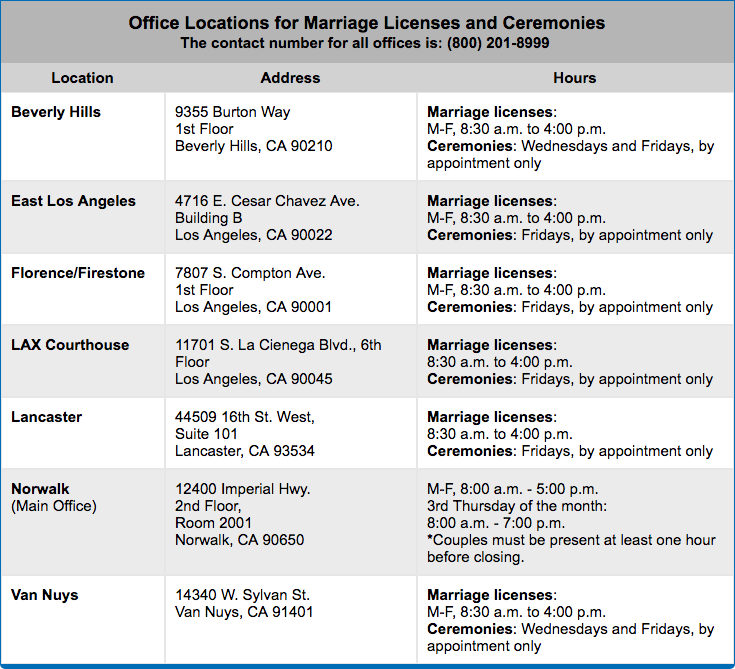
- Where to Apply: A marriage license must be obtained from any County Clerk’s office in California. The license is valid for a ceremony anywhere within the state.
- Required Documents: Both applicants must appear in person (with limited exceptions for special circumstances, such as military deployment) and present valid government-issued photo identification (e.g., driver’s license, passport). Some counties may request a birth certificate, especially if there are discrepancies in other documents.
- Public vs. Confidential License: California offers two types of marriage licenses:
- Public License: The most common type. This record is accessible to the public, and one witness signature is required at the ceremony.
- Confidential License: This record is not accessible to the public, and no witness signature is required. To qualify, couples must already be living together as spouses. This option is often favored for couples seeking maximum privacy or those who wish to avoid involving a witness.
- Validity: Once issued, a California marriage license is valid for 90 days. The ceremony must occur within this timeframe, or a new license will be required. There is no waiting period between obtaining the license and conducting the ceremony.
- Cost: Marriage license fees vary by county, generally ranging from $35 to $100. It’s advisable to check the specific fees with the County Clerk’s office where you plan to apply.
- No Blood Test: California does not require blood tests for marriage license applicants.
The Ceremony and Officiant
Once you have your license, the ceremony can take place.
- Who Can Officiate: Your marriage can be solemnized by a range of individuals, including:
- Judges, commissioners, or retired judges/commissioners.
- Active or retired county clerks or their deputies.
- Members of the clergy of any religious denomination (e.g., ministers, priests, rabbis).
- The captain of a ship at sea.
- Elected officials (e.g., mayor, governor).
- Anyone ordained through an online ministry for the purpose of performing marriages. California also permits a friend or family member to be deputized as a “Commissioner for a Day” by the County Clerk to officiate a single wedding, offering a personalized touch to your ceremony.
- Witnesses: A public marriage license requires at least one witness (18 years or older) to sign it after the ceremony. A confidential license does not require any witnesses.
- Returning the License: After the ceremony, the officiant is legally responsible for returning the signed marriage license to the County Clerk’s office within 10 days. This is crucial for your marriage to be officially recorded.
Choosing Your Perfect California Wedding Destination
One of California’s most compelling attributes for weddings is its sheer variety of breathtaking backdrops, catering to every aesthetic and desire. As a premier travel destination, it offers distinct regional experiences for your special day.
Iconic Settings Across the Golden State
- Southern California: Known for its glamorous cities and sun-drenched beaches. Los Angeles offers everything from Hollywood luxury to bohemian beach vibes in Malibu. San Diego captivates with its picturesque coastline, historic architecture in the Gaslamp Quarter, and idyllic islands like Coronado. Resorts here frequently offer comprehensive wedding packages.
- Central Coast: A romantic haven defined by vineyards, dramatic cliffs, and charming towns. Santa Barbara, often called the “American Riviera,” boasts Spanish colonial architecture and stunning ocean views. The rugged beauty of Big Sur provides an unforgettable, intimate setting for adventurous couples, though planning may require additional permits for specific locations.
- Northern California: From the iconic Golden Gate Bridge to world-renowned wine regions, this area is rich in diverse experiences. San Francisco presents elegant urban venues, historic landmarks, and dramatic bay views. For wine enthusiasts, Napa Valley and Sonoma offer luxurious vineyard estates and gourmet dining experiences, ideal for a refined celebration.
- Sierra Nevada Mountains & Lakes: For those dreaming of a majestic natural backdrop, regions like Lake Tahoe provide stunning lakeside and mountain resorts, perfect for year-round weddings, from snowy winter wonderland ceremonies to vibrant summer celebrations. While weddings within Yosemite National Park require specific permits and are often more restricted, the surrounding areas offer equally spectacular views and easier accessibility for larger events.
Venue Considerations and Booking
Choosing and booking your venue is a critical part of the travel planning process for your wedding.
- Permits: For ceremonies in public spaces such as state parks, national parks, or certain beaches, special event permits are often required. Research these well in advance, as application processes and availability can vary significantly.
- Popular Venues: California is home to countless renowned wedding venues, from grand hotels and luxury resorts to private estates, picturesque vineyards, and historic sites. Each offers distinct amenities and services tailored to various wedding styles.
- Early Booking: Due to California’s popularity as a wedding destination, desirable venues and vendors, especially during peak seasons (spring and fall), book up quickly. It is highly recommended to secure your venue and key vendors 12-18 months in advance, particularly if you are planning a destination wedding from afar.
- Guest Accommodation: When selecting a destination, consider the accessibility and availability of accommodation for your guests. Many resorts and hotels offer room blocks and special rates for wedding parties, enhancing the overall travel experience for your loved ones.
Essential Planning Steps for a Seamless California Wedding Experience
Beyond the legalities and venue selection, meticulous planning of travel and logistics ensures a stress-free and enjoyable experience for both you and your guests.
Beyond the Ceremony: Travel and Logistics
- Guest Travel Arrangements: For destination weddings, provide guests with information on major airports such as LAX (Los Angeles), SFO (San Francisco), and SAN (San Diego), along with recommended ground transportation options. Offer suggestions for local attractions and activities to make their trip a memorable vacation.
- Local Transportation: Consider how you and your guests will get around. Rental cars are often necessary for exploring more rural areas like wine country or coastal routes. In cities, ride-sharing services and public transit are viable options.
- Accommodation for the Couple and Guests: Explore a range of accommodation choices that suit different budgets and preferences. From luxurious beachfront resorts and boutique hotels to charming bed-and-breakfasts or vacation rentals, California offers diverse lodging options. Consider a special suite for the newlyweds for the wedding night and honeymoon.
- Honeymoon Planning: California itself is an incredible honeymoon destination. You could extend your stay to explore other parts of the state, embarking on a scenic road trip along Highway 1, relaxing in a Napa Valley spa, or adventuring in a national park.
Post-Ceremony Paperwork and Legalities
Your responsibilities don’t end when you say “I do.”
- Returning the Signed License: Reiterate the officiant’s responsibility to return the signed marriage license to the County Clerk’s office within 10 days of the ceremony. You may want to confirm this has been done.
- Obtaining Certified Copies: You will need certified copies of your marriage certificate for various purposes, such as changing your name, updating insurance policies, and filing taxes. These can be ordered from the County Clerk’s office (or the County Recorder/Registrar-Recorder/County Clerk, depending on the county) where the license was issued.
- Name Change Process: If either spouse plans to change their name, you will need the certified marriage certificate to update your Social Security card, DMV records (driver’s license/ID card and vehicle registration), passport, and other personal and financial accounts. This process typically starts with the Social Security Administration.
Tips for Out-of-State and International Couples
California’s allure extends worldwide, drawing many couples who reside outside the state or even the U.S.
Special Considerations for Destination Weddings
- No Residency Requirement: As mentioned, you do not need to be a resident of California to get married there, simplifying the process for destination wedding couples.
- Planning from Afar: If you’re planning a wedding from outside California, consider hiring a local wedding planner. They can be invaluable for navigating local vendors, understanding regional nuances, and managing logistics remotely. Virtual tours of venues and video calls with vendors are now commonplace, easing the planning process.
- International Couples: For international couples, a tourist visa is generally sufficient for a wedding ceremony if the primary purpose of your visit is not to immigrate. Always verify current visa requirements with the U.S. consulate or embassy in your home country. After your marriage, if you require the marriage certificate for use in a foreign country, you may need an apostille (a certification that authenticates the origin of a public document). This can be obtained from the California Secretary of State.
Leveraging California’s Diverse Offerings
Embrace the travel aspect of your California wedding by integrating unique local experiences.
- Pre-Wedding Experiences: Organize wine-tasting tours in Napa Valley, a scenic hike in a state park, or a relaxing spa day in Palm Springs for your wedding party.
- Post-Wedding Adventures: Extend your stay to explore more of what California offers. A road trip down Highway 1, a visit to Disneyland in Anaheim, or a gourmet culinary tour in San Francisco can transform your wedding trip into an unforgettable honeymoon.
- Integrating Local Culture: Incorporate local flavors into your reception menu, choose California wines, or select local flowers to give your celebration an authentic Golden State touch.
Getting married in California is an exciting journey that culminates in a truly special event. By understanding the legal requirements, strategically choosing your destination, and planning the logistics, you can ensure your California wedding unfolds beautifully, creating cherished memories that will last a lifetime.
LifeOutOfTheBox is a participant in the Amazon Services LLC Associates Program, an affiliate advertising program designed to provide a means for sites to earn advertising fees by advertising and linking to Amazon.com. Amazon, the Amazon logo, AmazonSupply, and the AmazonSupply logo are trademarks of Amazon.com, Inc. or its affiliates. As an Amazon Associate we earn affiliate commissions from qualifying purchases.