
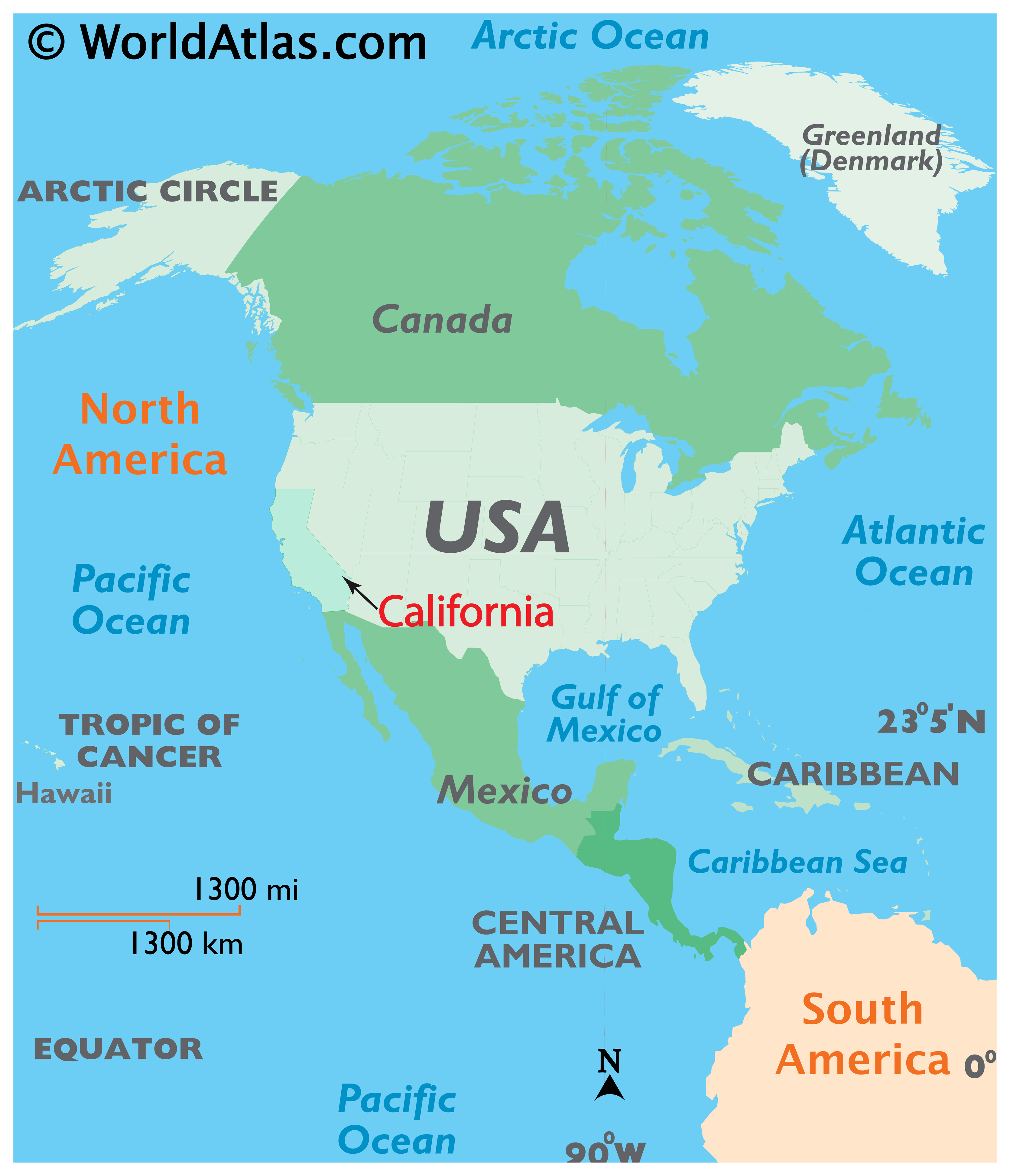
California, a state synonymous with diverse landscapes, iconic cities, and an unparalleled array of travel experiences, firmly resides in the Northern Hemisphere. This geographical fact profoundly influences everything from its seasonal weather patterns to the types of adventures travelers can expect throughout the year. Understanding California’s placement north of the Equator is fundamental to appreciating its unique climate zones, its agricultural bounty, and the timing of its world-renowned attractions, making it an essential piece of knowledge for any prospective visitor.
Locating California on the Global Map
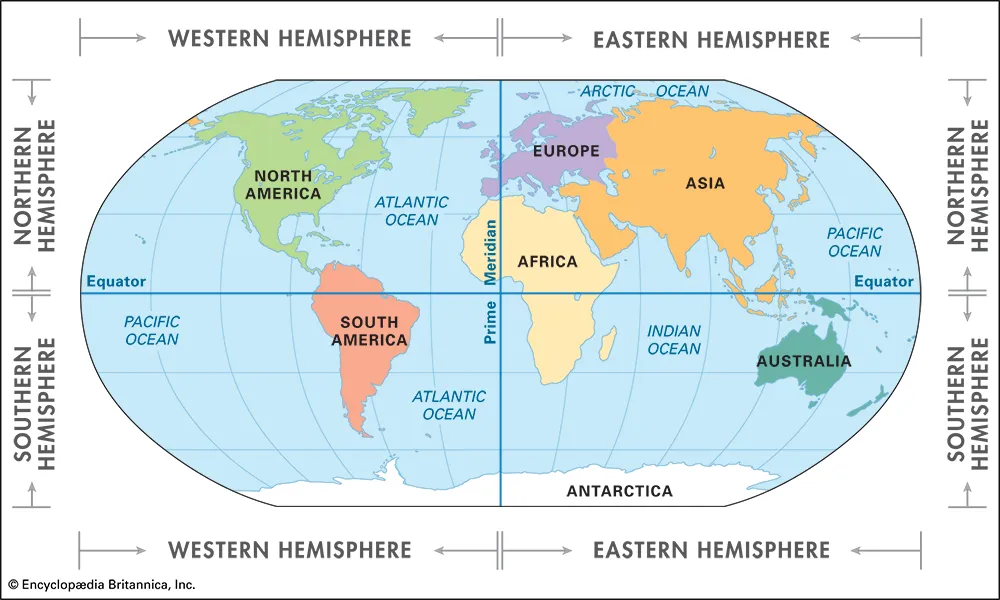
The Earth is divided into two primary hemispheres by the Equator: the Northern Hemisphere and the Southern Hemisphere. California, along with the rest of North America, is situated entirely north of this imaginary line. This positioning means that the state experiences seasons that are in alignment with the traditional Northern Hemisphere calendar – summer typically runs from June to August, winter from December to February, and so on.

The Northern Hemisphere Defined
The Northern Hemisphere encompasses all landmasses and waters north of the Equator. This includes continents such as North America, Europe, and Asia, as well as parts of Africa and South America. A key characteristic of the Northern Hemisphere is that the Sun appears to traverse the southern sky for observers, and ocean currents often flow in a clockwise direction. Most importantly for travelers, the seasons are inverted compared to the Southern Hemisphere. When it’s summer in California, it’s winter in Australia or South Africa. This distinct seasonal cycle dictates peak travel times, activity availability, and the natural beauty on display across the Golden State.
California’s Precise Coordinates
California stretches from approximately 32.5 degrees North latitude at its southern border with Mexico, up to 42 degrees North latitude at its northern border with Oregon. Its longitudinal span ranges from about 114 degrees West to 124 degrees West. These coordinates place it firmly within the temperate zone of the Northern Hemisphere, though its vast north-south extension and varied topography result in a fascinating array of microclimates. From the Mediterranean climate along the coast to the alpine conditions in the Sierra Nevada Mountains and the arid desert environments in the southeast, California’s geographic placement sets the stage for unparalleled ecological diversity and, consequently, an incredibly rich tapestry of travel experiences.
Seasonal Travel Implications of a Northern Hemisphere Location
The Northern Hemisphere designation means California’s travel seasons align with those of most of North America and Europe, making it an accessible and predictable destination for many international travelers. However, the sheer size and varied elevation of the state mean that “seasonal travel” in California is a nuanced concept, often allowing for multiple types of seasonal experiences simultaneously.
Summer Escapes: Beaches and National Parks
Summer, from June to August, is quintessential California travel time. The Northern Hemisphere summer brings long, sunny days and warm temperatures, perfect for exploring the state’s magnificent coastline. Destinations like Santa Monica, Laguna Beach, and San Diego buzz with activity, offering world-class beaches, surfing, and vibrant boardwalks. Inland, the Northern Hemisphere summer also opens up access to high-elevation wonders such as Yosemite National Park, Sequoia National Park, and Lake Tahoe, where visitors can enjoy hiking, camping, and watersports amidst breathtaking natural beauty. It’s the ideal time for road trips, with clear skies and open roads leading to national treasures.
Autumn’s Golden Hues: Wine Country and Deserts
As the Northern Hemisphere transitions into autumn (September to November), California reveals a different kind of splendor. This season is prime for visiting Napa Valley and Sonoma County, where vineyards turn brilliant shades of gold and crimson, and the grape harvest fills the air with a festive spirit. The cooler temperatures make it an excellent time for exploring the desert landscapes of Joshua Tree National Park or Death Valley National Park, which can be scorching in summer. San Francisco often experiences its warmest, clearest weather in early autumn, making it an ideal time to explore its iconic landmarks.
Winter Wonderland: Ski Resorts and Mild Coastal Retreats
Winter in the Northern Hemisphere (December to February) transforms parts of California into a snowy paradise. The Sierra Nevada Mountains become home to world-class ski resorts like Mammoth Mountain and those surrounding Lake Tahoe, offering skiing, snowboarding, and other winter sports. Yet, simultaneously, coastal cities like Los Angeles, Santa Barbara, and San Diego enjoy mild temperatures, making them perfect for those seeking a sunny escape from colder climates. Whale watching along the coast is a popular winter activity, as gray whales migrate south.
Spring Bloom: Wildflowers and Outdoor Adventures
Spring (March to May) in California’s Northern Hemisphere setting is a season of rebirth and vibrant color. Following winter rains, vast expanses of the state, particularly the deserts and rolling hills, erupt with stunning wildflower superblooms. This is a spectacular time for hiking and scenic drives in areas like the Carrizo Plain National Monument or Antelope Valley California Poppy Reserve. The weather is generally pleasant across the state, making it ideal for exploring cities without the peak summer crowds, or embarking on outdoor adventures before the summer heat arrives.
Diverse Landscapes and Attractions Shaped by Latitude
California’s extensive north-south stretch within the Northern Hemisphere contributes significantly to its staggering geographical diversity. From temperate rainforests in the north to scorching deserts in the south, this latitudinal range means that travelers can experience vastly different environments and attractions within the same state.
From Coastal Beauty to Mountain Majesty
Along the coast, particularly in Northern California, the influence of the Pacific Ocean and higher latitudes creates a cooler, foggier climate, fostering lush redwood forests like those in Redwood National Park. Moving south, the coastal climate becomes increasingly Mediterranean, with warm, dry summers and mild, wet winters, ideal for the iconic beaches and coastal cities. Inland, the towering Sierra Nevada Mountains, home to the highest peak in the contiguous United States, Mount Whitney, boast an alpine climate with heavy winter snowfall and crisp summer air. These mountains are not just a backdrop; they are a destination in themselves, offering everything from challenging mountaineering to serene lakeside retreats.
Deserts and Valleys: Unique Climates and Experiences
Further inland and to the southeast, California’s lower latitudes within the Northern Hemisphere give way to arid and semi-arid desert environments. Regions like the Mojave Desert, Colorado Desert, and the Central Valley experience extreme temperatures, particularly in summer. These areas offer unique attractions such as the surreal landscapes of Death Valley National Park (the hottest place on Earth), the unique flora of Joshua Tree National Park, and the agricultural heartland of the Central Valley. Travel here often requires careful planning, especially regarding hydration and sun protection, due to the intense sun exposure characteristic of these southern Northern Hemisphere latitudes.
Planning Your California Adventure: What to Expect
Knowing that California is in the Northern Hemisphere is just the first step in planning a remarkable trip. Its unique geography dictates that travelers must consider regional variations and microclimates even within the same season.
Packing for Seasonal Variation
Given the state’s diverse geography and climate zones, packing for a California trip often involves planning for multiple weather scenarios. A summer trip might require beachwear for Malibu, but also layers for cool evenings in San Francisco or warm clothing for chilly mornings in Yosemite National Park. Winter visitors might pack ski gear for the Sierra Nevada and light jackets for coastal cities. The key is flexibility and an awareness that California’s Northern Hemisphere location merely provides a broad seasonal framework; the details are in the regional climate.
Understanding Regional Microclimates
California’s topography creates countless microclimates. San Francisco, for instance, is famously foggy and cool even in summer, while just a short drive inland, cities like San Jose can be significantly warmer and sunnier. The desert regions, despite being in the Northern Hemisphere and experiencing typical summer and winter, have unique diurnal temperature swings, where days can be scorching and nights surprisingly cold. Travelers should research the specific weather patterns of each intended destination within California to ensure a comfortable and enjoyable experience.
Year-Round Appeal for Every Traveler
Ultimately, California’s position in the Northern Hemisphere, combined with its vast size and varied topography, ensures its appeal as a year-round travel destination. Whether seeking winter snow sports, summer beach vacations, autumn wine tours, or spring wildflower hikes, the Golden State offers an experience tailored to every season and preference. Its hemispheric location provides the canvas, but California’s diverse geography paints the picture of a truly versatile and captivating travel destination.
LifeOutOfTheBox is a participant in the Amazon Services LLC Associates Program, an affiliate advertising program designed to provide a means for sites to earn advertising fees by advertising and linking to Amazon.com. Amazon, the Amazon logo, AmazonSupply, and the AmazonSupply logo are trademarks of Amazon.com, Inc. or its affiliates. As an Amazon Associate we earn affiliate commissions from qualifying purchases.