
California, a land of unparalleled beauty, innovation, and diverse experiences, draws millions of visitors each year. From the sun-kissed beaches of San Diego to the majestic redwoods of Northern California, and the vibrant urban landscapes of Los Angeles and San Francisco, the Golden State offers an endless array of travel opportunities, luxurious resorts, charming boutique hotels, and captivating landmarks. Whether you’re planning a lavish luxury travel escape, a budget-friendly family trip, or considering a business stay, understanding the economic underpinnings of this dynamic state is crucial. A significant factor in this understanding, particularly for those interested in lifestyle, tourism, and accommodation costs, is the minimum wage.
The question “What Is The Minimum Wage In California 2024?” isn’t just relevant to local residents or businesses; it has far-reaching implications for travelers, aspiring seasonal workers, and anyone contemplating an extended stay. The cost of living in California is famously high, and the minimum wage plays a critical role in shaping the economic landscape that directly impacts the cost of services, the viability of certain types of travel, and the overall experience of engaging with the state’s vibrant culture. For those enjoying a stay at a Beverly Hills Hotel or exploring the unique culinary scene in Napa Valley, the minimum wage earned by the staff serving them contributes to the operational costs and service quality. For adventurous souls considering working at a national park lodge in Yosemite or a bustling restaurant in Santa Monica, knowing the earning potential is fundamental to their planning. This article delves into the specifics of California’s minimum wage in 2024, exploring its nuances and broader impact on travel, tourism, and lifestyle within the Golden State.
Understanding California’s Minimum Wage Landscape in 2024
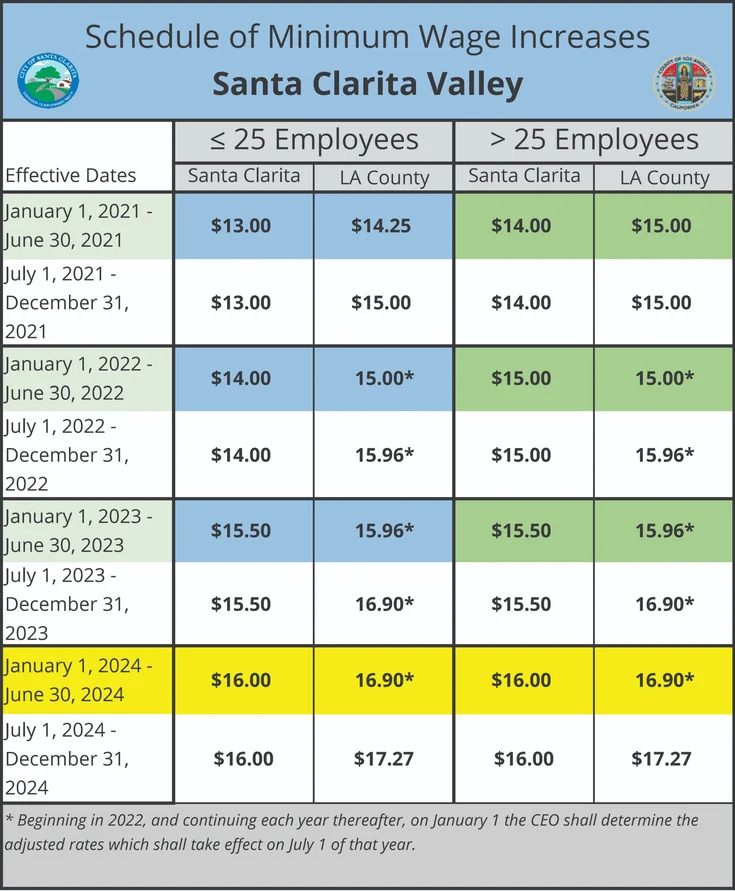
California has long been at the forefront of progressive labor policies, and its approach to the minimum wage is no exception. Unlike many states that adhere to the federal minimum wage, California has historically set its own, higher standard, often incorporating annual increases to keep pace with the rising cost of living. In 2024, this commitment continues, but with a more complex structure that travelers and residents alike should be aware of.
The Statewide Standard
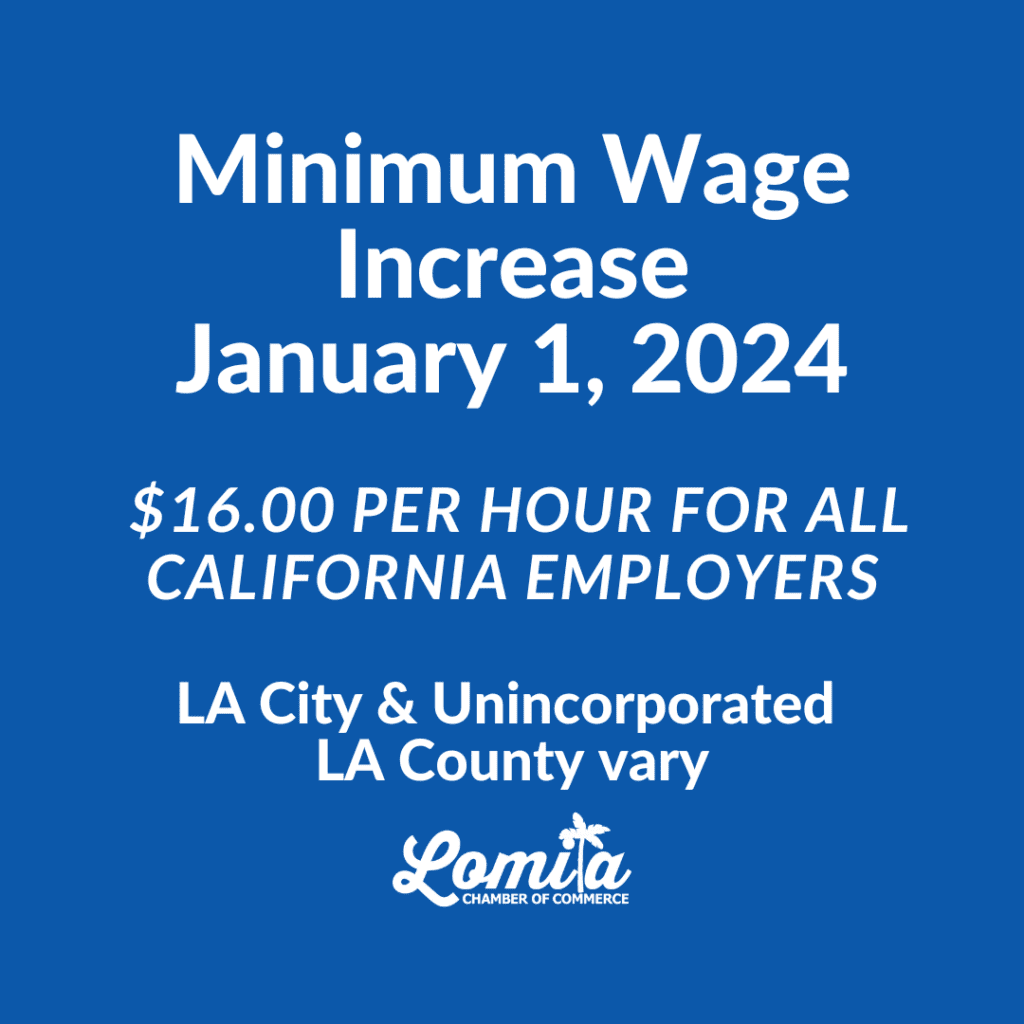
As of January 1, 2024, the statewide minimum wage in California is $16.00 per hour for all employers, regardless of size. This represents a significant increase from previous years and is a crucial benchmark for workers across various sectors, including the extensive hospitality and tourism industries. This rate applies broadly across the state, from the bustling service economy of Orange County to the agricultural heartland of the Central Valley. The intent behind such increases is to provide a more livable wage for workers, particularly in a state known for its high expenses. For travelers, this often translates into higher prices for services, from restaurant meals to guided tours, as businesses adjust to increased labor costs. However, it also means that the dedicated staff making your travel experiences memorable are earning a more substantial income.
Local Variances: A Patchwork of Policies
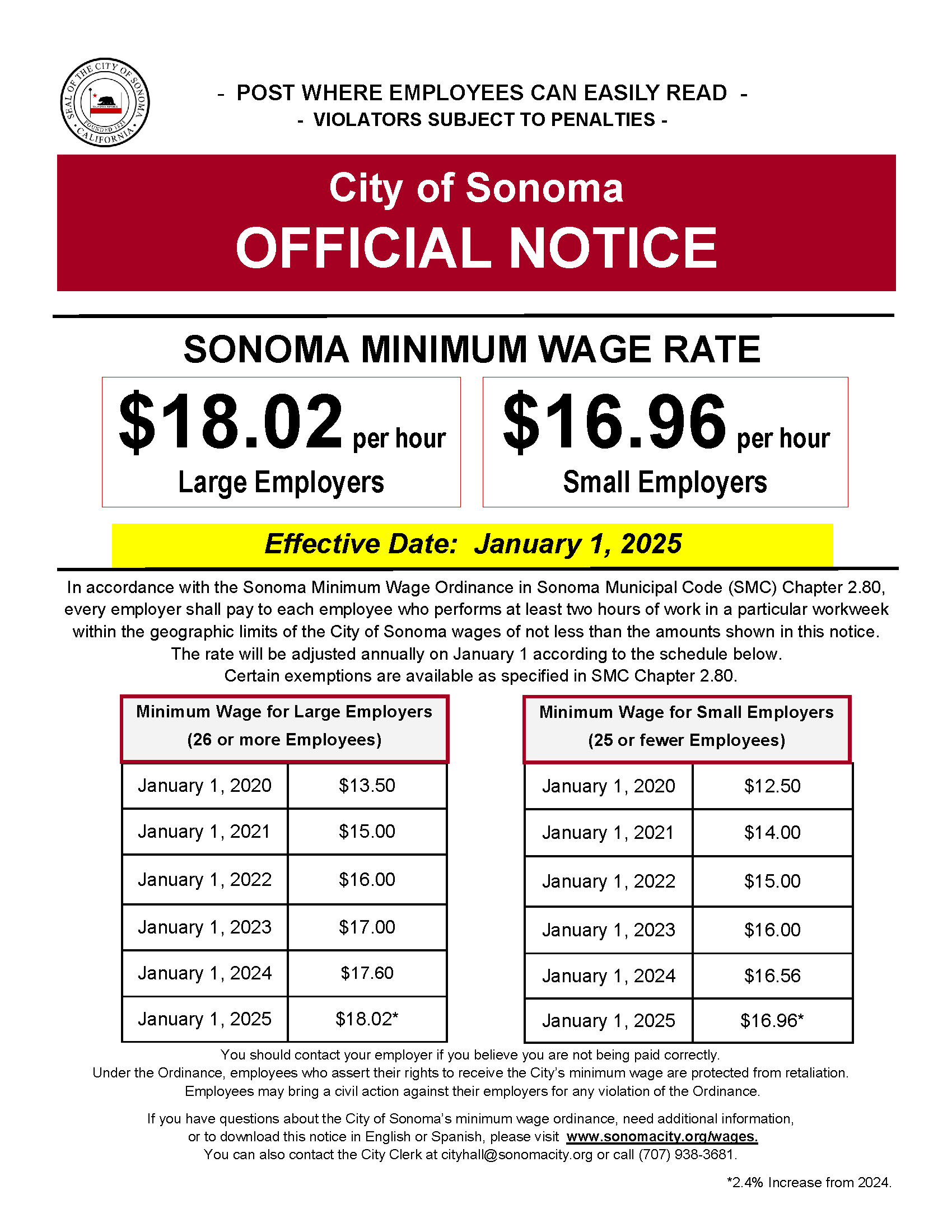
While the statewide minimum wage provides a baseline, one of the most important aspects to understand about California’s wage policy is the power of local municipalities to set their own, higher minimum wage rates. This creates a fascinating and often complex patchwork of regulations across the state. Major cities, particularly those with high costs of living and thriving tourism sectors, frequently implement wages well above the state minimum.
For instance, in early 2024, cities like San Francisco had a minimum wage of $18.07 per hour, while Berkeley stood at $18.67, and San Jose at $17.55. Los Angeles County and the City of Los Angeles also maintain their own elevated rates, often subject to annual adjustments based on inflation. This means that a person working at a hotel in Downtown Los Angeles might earn a different hourly rate than someone performing the same job just miles away in an unincorporated part of Los Angeles County, or certainly compared to someone in a more rural area. For tourists booking an apartment in Hollywood or a luxury suite in Malibu, these local variations directly influence the operational costs of businesses and, consequently, the prices of goods and services they consume. Understanding these local nuances is key to accurately budgeting for a trip or an extended stay, especially in popular, high-cost destinations.
Industry-Specific Minimum Wages
Beyond the general statewide and local rates, 2024 introduces a significant development with industry-specific minimum wages. The most prominent example is the new minimum wage for fast-food workers. Effective April 1, 2024, the minimum wage for employees of fast-food chains with at least 60 establishments nationwide increased to $20.00 per hour. This landmark legislation specifically targets a sector that employs a substantial number of minimum wage earners and is frequently patronized by travelers seeking quick and affordable meals.
This particular change has widespread implications. For tourists, it means that the cost of a burger and fries at a major chain in Disneyland or near the Santa Cruz Beach Boardwalk will likely reflect these higher labor costs. For those considering working seasonal jobs, especially in popular tourist areas like Anaheim or near the Golden Gate Bridge, the fast-food industry now offers a notably higher entry-level wage. Additionally, California also implemented a specific minimum wage for healthcare workers, starting at $25 per hour for large health systems, with varied rates for other facilities, which, while not directly impacting tourism prices, reflects the state’s broader commitment to elevating wages across essential sectors. These targeted increases highlight California’s dynamic approach to labor economics, aiming to address specific industry needs and challenges.
The Cost of Living in California: Beyond the Wage Slip
The minimum wage, while a crucial figure, only tells part of the story when considering the economic reality of California. The state is renowned for its high cost of living, which significantly impacts how far a minimum wage can stretch, both for residents and for travelers planning their budget. Understanding this broader economic context is vital for anyone engaging with California from a travel, lifestyle, or accommodation perspective.
Accommodation and Housing
Perhaps the most significant factor contributing to California’s high cost of living is housing. Whether it’s renting a long-term apartment in San Jose’s Silicon Valley or booking a short-term vacation rental in Laguna Beach, accommodation expenses are typically among the highest in the nation. For minimum wage earners, securing affordable housing can be an immense challenge, often requiring multiple jobs or shared living arrangements. This pressure on local workers can indirectly affect the tourism sector; for example, hotel staff might commute long distances, which can impact staffing levels or even service quality if commutes are exhaustive.
For travelers, the high cost of accommodation directly translates into pricier hotel rooms, resort stays, and vacation rentals. A standard hotel room in a prime location like Santa Monica or near Universal Studios Hollywood can easily cost hundreds of dollars per night. Budget travelers might find themselves exploring options further from major attractions or opting for more basic accommodations. Understanding that the high minimum wage paid to the cleaning staff, front desk agents, and other hospitality professionals contributes to these operational costs can offer perspective on pricing. It’s a reflection of the economic environment necessary to support a workforce in an expensive region.
Dining, Entertainment, and Daily Expenses
Beyond accommodation, daily expenses for dining, entertainment, and general services also reflect California’s elevated cost of living. A meal at a casual restaurant, a ticket to a local attraction like the Getty Center, or even a coffee from a local cafe, will generally be more expensive in California than in many other states. This is largely due to higher overheads for businesses, including rent, utilities, and, significantly, labor costs driven by the minimum wage.
For tourists, this means factoring in a generous budget for daily expenditures. Exploring local culture through its food scene, visiting famous landmarks like the Hollywood Walk of Fame, or enjoying a day at a theme park will be a considerable investment. For those working on a minimum wage, discretionary spending on such activities is often limited, leading to a different kind of “California lifestyle” experience compared to what visitors might imagine. Understanding this dynamic helps in appreciating the value of services received and planning a realistic travel budget, whether you’re savoring a gourmet meal in San Francisco or grabbing a quick bite in Sacramento.
Navigating California as a Traveler or Potential Resident
The economic landscape shaped by California’s minimum wage has distinct implications for different groups. Whether you’re planning a short vacation or considering a more permanent move, understanding these factors can significantly enhance your experience and financial planning.
Budgeting for Your California Adventure
For travelers, the knowledge of California’s high minimum wage and corresponding cost of living is paramount for effective budgeting. Beyond flights and accommodation, allocate substantial funds for dining, transportation, activities, and unforeseen expenses. Consider staying in areas slightly outside prime tourist zones to save on hotel costs, or explore local eateries and markets for more budget-friendly dining experiences. Attractions like Balboa Park in San Diego or scenic drives along Highway 1 offer incredible experiences that don’t always come with a hefty price tag, balancing out visits to more expensive landmarks or theme parks. Utilizing public transport in cities like San Francisco can also be a cost-effective way to explore. It’s about finding the right balance between experiencing California’s famous luxury and its more accessible charm.
Working in California’s Tourism & Hospitality Sector
For those considering a working holiday or a temporary relocation, particularly within the state’s robust tourism and hospitality industry, the minimum wage is a direct indicator of potential earnings. Roles in hotels, resorts, restaurants, tour operations, and various attractions form the backbone of California’s visitor economy. While the minimum wage offers a respectable hourly rate, especially when compared to other states, it’s crucial to weigh this against the extremely high cost of living, particularly for housing. Many seasonal workers find shared accommodation a necessity, and budgeting rigorously is essential. However, the experience of living and working in iconic locations like Lake Tahoe or Big Sur, coupled with the opportunity to earn a strong minimum wage, can be an attractive proposition for adventurers and career builders alike. Understanding the local minimum wage specific to your potential workplace’s city or county is an absolute must.
Supporting Local Businesses and Economies
As a visitor, being aware of the minimum wage and its impact allows for a more conscious and appreciative approach to spending. When you pay for a meal at a local restaurant, book a tour with a local guide, or stay at a family-run guesthouse, a significant portion of that money supports the livelihoods of the local workforce. This understanding can enhance your travel experience, fostering a deeper connection to the local culture and community. By choosing to support local businesses, you’re not just enjoying a service; you’re contributing to an economy that strives to provide its workers with a more livable wage, ensuring the vibrant, diverse experiences California is famous for continue to thrive.
Lifestyle Implications: A Golden State Paradox?
The concept of the “California Dream” is often associated with sun-drenched beaches, opulent lifestyles, and boundless opportunities. However, the reality of the state’s high cost of living, balanced by its leading minimum wage, presents a fascinating paradox that shapes the lifestyle of its residents and, by extension, the experiences available to visitors.
The Pursuit of the California Dream
For many, the increased minimum wage in California represents a step towards achieving a more stable and fulfilling life in a state celebrated for its quality of life. Yet, for those earning minimum wage, the dream often entails a continuous balancing act between income and expenses. While luxurious travel experiences are readily available in places like Palm Springs or Monterey, they remain largely aspirational for many of the state’s workers. This economic reality creates a vibrant, multi-layered lifestyle spectrum within California, from extreme luxury to resourceful budget living. Travelers, by exploring both ends of this spectrum, can gain a more authentic appreciation for the state. Experiencing a high-end resort might be part of the travel dream, but understanding the local economies that sustain such establishments, including the wages of its staff, adds depth to the experience.
Impact on Local Culture and Experiences
The minimum wage, by influencing the economic well-being of the local population, indirectly shapes the local culture and the authenticity of travel experiences. When workers earn a more livable wage, they are more likely to stay in their communities, fostering stability, local traditions, and a sense of pride. This contributes to the rich tapestry of local culture that travelers seek – from the independent art scenes in Oakland to the historic charm of Old Town San Diego. Conversely, if wages lag too far behind costs, communities can suffer from outward migration and a loss of local character. Therefore, California’s commitment to a higher minimum wage is not just an economic policy; it’s a statement about valuing its people and, by extension, preserving the unique cultural vibrancy that makes the state such a captivating destination for global tourism. It allows for the continued flourishing of local businesses, attractions, and the diverse experiences that are the hallmark of California travel.
In conclusion, the minimum wage in California in 2024, standing at a statewide $16.00 per hour with significant local and industry-specific variations reaching up to $20.00 or more, is a pivotal factor in understanding the state’s economic landscape. For anyone planning travel, seeking accommodation, or considering a lifestyle change within the Golden State, comprehending these figures is essential. It influences everything from the cost of your luxury hotel suite to the price of your fast-food meal, and crucially, it shapes the daily lives of the dedicated individuals who make California an unforgettable destination. By appreciating the economic realities tied to the minimum wage, travelers and potential residents can navigate California with greater insight, making informed decisions that contribute to a more enriching and responsible engagement with this extraordinary state.
LifeOutOfTheBox is a participant in the Amazon Services LLC Associates Program, an affiliate advertising program designed to provide a means for sites to earn advertising fees by advertising and linking to Amazon.com. Amazon, the Amazon logo, AmazonSupply, and the AmazonSupply logo are trademarks of Amazon.com, Inc. or its affiliates. As an Amazon Associate we earn affiliate commissions from qualifying purchases.