
A journey through California offers an unparalleled tapestry of experiences, from the sun-drenched beaches of San Diego to the towering redwoods of the north, and the bustling urban centers of Los Angeles and San Francisco. As visitors immerse themselves in the state’s vibrant culture, they often encounter unique local phenomena, some of which pertain to the roads. Among these, the term “California Stop” frequently surfaces, a colloquialism that describes a common, albeit illegal, driving practice. Understanding this local vernacular is crucial for any traveler intending to navigate California’s diverse roadways safely and legally, ensuring their adventure remains smooth and enjoyable.

Unpacking the Local Lore of the “California Stop”
The “California Stop,” also widely known as a “rolling stop” or “Hollywood stop,” refers to the act of failing to bring a vehicle to a complete halt at a stop sign or red light before proceeding. Instead, the driver merely slows down, often to a speed of 1-5 miles per hour, and then continues through the intersection without the wheels ever fully ceasing their rotation. This practice has become somewhat synonymous with California due to its perceived prevalence on the state’s roads, particularly in residential neighborhoods and less-trafficked areas.
Origins and Perception
While the exact origins of the term are hazy, it’s widely believed to have emerged from the observed driving habits within the state, perhaps suggesting a fast-paced lifestyle or a somewhat relaxed interpretation of traffic laws. Locals might use the term with a knowing wink, acknowledging it as a part of the everyday driving landscape, yet aware of its technical illegality. For tourists, however, mistaking this informal practice for an accepted norm can lead to significant repercussions. The perception of the “California Stop” varies; some view it as a harmless shortcut in low-risk scenarios, while others correctly identify it as a dangerous infraction that undermines road safety. In bustling urban environments like San Francisco, where pedestrian traffic is heavy, or in sprawling areas such as Los Angeles with complex intersections, this practice escalates from a minor infraction to a potentially hazardous maneuver.
Why the Misnomer?
It’s essential to understand that despite its catchy name, a “California Stop” is not endorsed or recognized by official traffic regulations in California or anywhere else. The term is purely anecdotal and descriptive of a common local habit, not a legal driving standard. Visitors should be especially mindful not to adopt this practice, as law enforcement treats it as any other traffic violation, regardless of the colloquial label. The cultural aspect lies in its widespread recognition and the casual way it’s sometimes discussed among residents, rather than any official sanction.
The Legal Ramifications: Don’t Let the Lore Lead You Astray
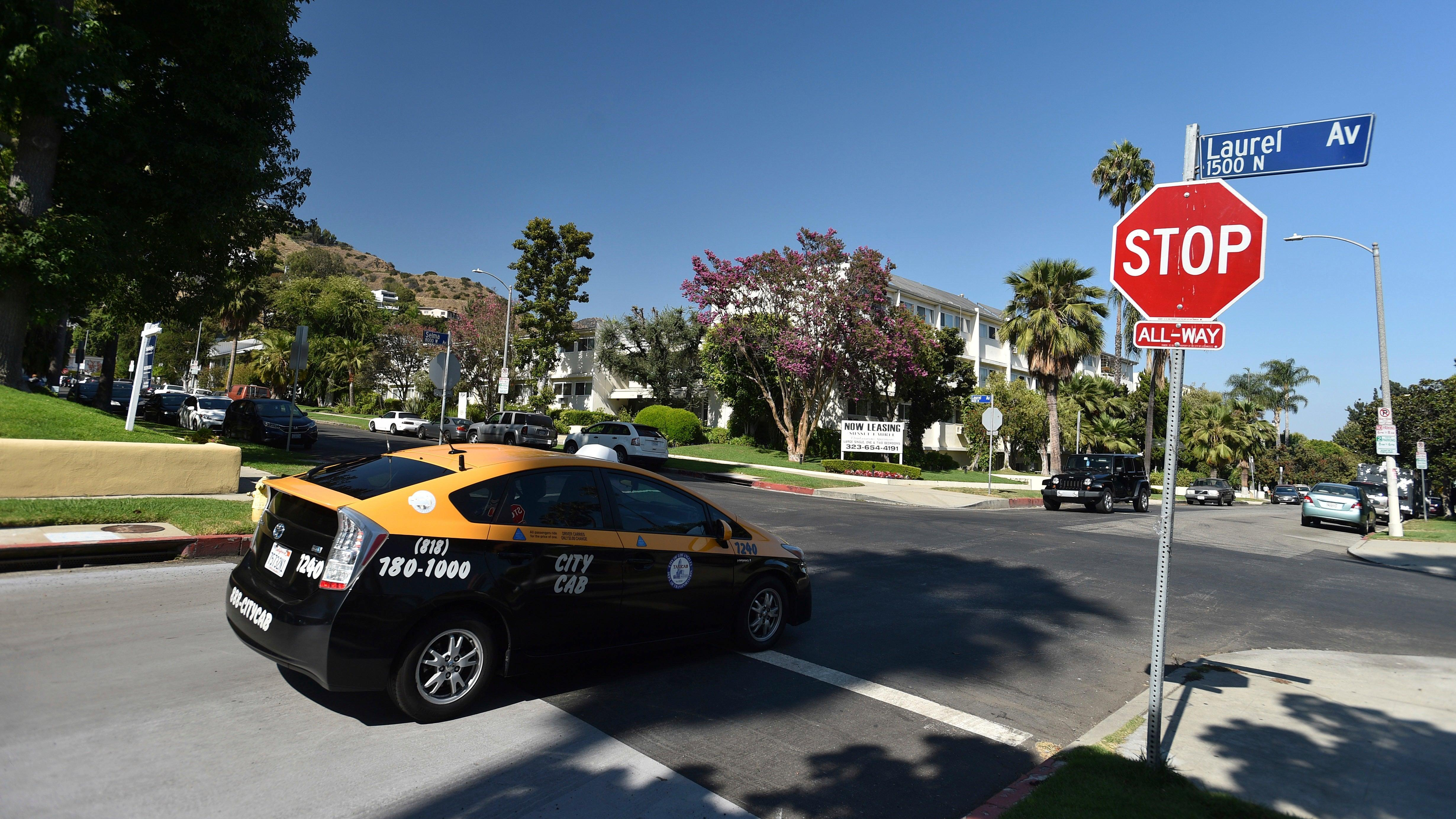
Despite its common parlance, a “California Stop” is unequivocally illegal and can lead to serious consequences for drivers. Traffic laws in California, like those across the United States, mandate that drivers come to a complete and full stop behind the limit line at a stop sign or red light before proceeding when it is safe to do so. This is not merely a suggestion but a requirement codified in the California Vehicle Code.
Understanding the Law
Specifically, California Vehicle Code Section 22450 states that “The driver of a vehicle approaching a stop sign at the entrance to, or within, an intersection shall stop at a clearly marked limit line, but if none, then before entering the crosswalk on the near side of the intersection, or if none, then at the entrance to the intersection.” The key phrase here is “shall stop,” meaning a complete cessation of movement, not merely a reduction in speed. A rolling stop, no matter how slow, fails to meet this legal requirement. This law is in place to ensure maximum visibility for drivers, pedestrians, and cyclists, and to allow for proper assessment of oncoming traffic and right-of-way.
Consequences of a “California Stop”
For visitors and residents alike, failing to comply with stop sign laws can result in:
- Traffic Tickets and Fines: A common outcome is a citation for failing to stop, which carries a significant fine. These fines can be substantial, often exceeding $200, once court fees and other assessments are included.
- Points on Driving Record: In addition to fines, a conviction for a rolling stop typically adds points to one’s driving record. For California residents, accumulating too many points can lead to increased insurance premiums or even license suspension. For out-of-state or international visitors, these points might still be reported to their home jurisdiction, potentially affecting their driving privileges there.
- Increased Insurance Premiums: Even without a license suspension, a traffic violation on record can significantly raise auto insurance rates for several years.
- Safety Hazards and Accidents: The most critical consequence, however, is the heightened risk of accidents. A rolling stop reduces the driver’s ability to see oncoming traffic, pedestrians, or cyclists, particularly in intersections with obstructed views. This can lead to severe collisions, injuries, or even fatalities, for which the driver would be held liable. Ignoring a stop sign is a leading cause of intersection accidents.
- Legal Liability: In the event of an accident caused by a rolling stop, the driver could face civil lawsuits for damages, in addition to criminal charges if severe injury or death occurs. This legal entanglement can be particularly complex and stressful for visitors unfamiliar with the U.S. legal system.
Understanding these implications is vital for anyone driving in California. The casual adoption of a “California Stop” can transform a pleasant road trip into a costly and dangerous ordeal.
Navigating California’s Roads: Tips for Visitors and New Drivers
California’s diverse landscape demands a flexible and informed approach to driving. From the congested freeways of Los Angeles to the winding coastal roads and serene desert routes, each presents its own set of challenges and unique driving culture. For visitors and new drivers, embracing safe and legal practices is paramount to a rewarding experience.
Fundamental Driving Principles
The absolute golden rule in California is to always come to a complete stop at stop signs and red lights. This means the vehicle’s wheels must cease all movement, even if for a split second, before proceeding safely. Beyond this, several other principles will serve drivers well:
- Defensive Driving: Assume other drivers may not follow rules perfectly. Maintain ample following distance, check mirrors frequently, and be prepared for sudden lane changes or stops.
- Lane Discipline: On multi-lane highways, slower traffic should generally keep to the right lanes, reserving the left lanes for passing. Be aware of signage for HOV (High-Occupancy Vehicle) lanes, which require a minimum number of occupants (usually 2 or 3) or an electric vehicle with a special decal.
- Merge Safely: On freeways, merge with traffic at the speed of the freeway. Use your signal, check blind spots, and find a safe gap. Aggressive merging is common but dangerous.
- Pedestrian and Cyclist Awareness: California is very pedestrian and bicycle-friendly, especially in urban areas and along scenic routes. Always yield to pedestrians in crosswalks and give cyclists ample space (a minimum of three feet when passing).
- Understanding Traffic Patterns: California traffic, particularly in metropolitan areas like the Bay Area, Los Angeles, and Orange County, can be notoriously heavy during rush hours (typically 6-9 AM and 3-6 PM on weekdays). Plan routes with traffic in mind, using navigation apps that provide real-time updates.
- Toll Roads and Bridges: Be aware that some bridges and roads, especially in the Bay Area, are toll roads. Many no longer accept cash, requiring electronic payment methods like FasTrak or online payments after passing. Research your route for tolls in advance.
- Speed Limits: Observe posted speed limits diligently. While some drivers might exceed them, law enforcement is strict, especially in construction zones and school zones. Remember, basic speed law dictates you must drive at a safe speed for conditions, regardless of the posted limit.
Adapting to Regional Nuances
Driving experiences can vary significantly across California:
- Los Angeles: Expect vast, multi-lane freeways and often aggressive driving. Patience is key. Road trips often involve navigating multiple freeways.
- San Francisco: Famous for its steep hills, narrow streets, and cable cars. Parking can be challenging and expensive. Be prepared for unique driving maneuvers like hill starts and tight turns. Public transport is often a better option for exploring the city center.
- Rural California: Roads can be less maintained, especially in mountain passes or remote areas. Be mindful of wildlife, especially at dusk and dawn. Carry emergency supplies when traveling long distances in rural or desert areas.
By adhering to these tips and prioritizing safety and legality, visitors can confidently navigate California’s roads and fully appreciate the freedom and beauty of exploring the state by car.
Beyond the Wheel: The Broader Context of California Culture
The “California Stop,” while a specific driving phenomenon, can be seen as a minor reflection of broader cultural attitudes often associated with the Golden State. California is renowned for its spirit of innovation, forward-thinking ideals, and sometimes, a tendency to challenge or reinterpret established norms. This can manifest in everything from pioneering technological advancements to shaping lifestyle trends and, inadvertently, influencing everyday habits like driving.
A Culture of Forward Momentum
The idea of a “California Stop” — a continuous, albeit slowed, movement — could metaphorically align with the state’s relentless drive forward. California is a place where progress is highly valued, and time is often seen as a precious commodity. This cultural undercurrent, while generally positive in its pursuit of innovation and efficiency, can sometimes translate into a subtle impatience or a desire to maintain momentum, even in situations where a full stop is legally required. It’s a land where the next big idea is always just around the corner, and perhaps, this translates into a subconscious desire to always be moving, literally and figuratively.
Embracing the True California Spirit
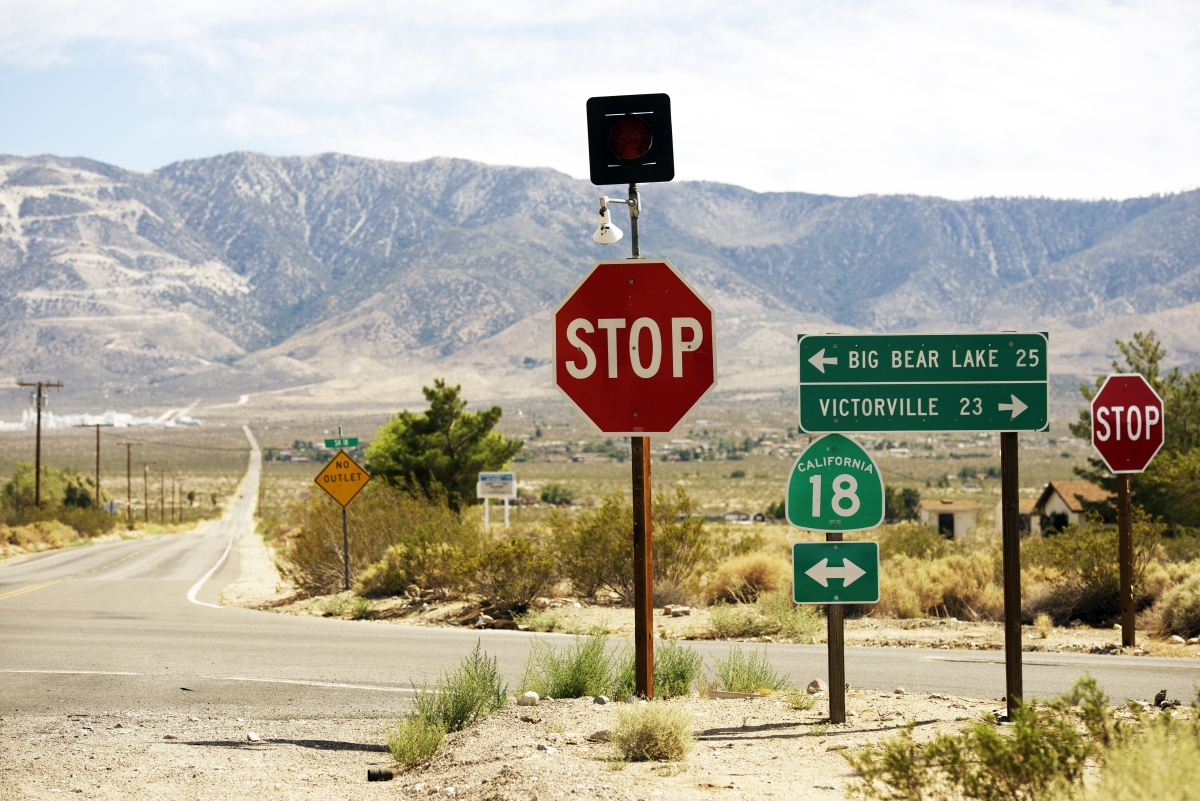
For visitors, understanding the “California Stop” not as an invitation to disregard traffic laws, but as a local cultural curiosity, is key. The true spirit of California is found not in bending rules, but in its breathtaking natural beauty, its diverse culinary scene, its pioneering arts and entertainment, and the warm, often laid-back demeanor of its residents. Experiencing California means taking the time to explore its distinct regions, from the vineyards of Napa Valley to the majestic peaks of Yosemite National Park, and engaging with its rich tapestry of communities.
Driving is an integral part of this exploration, enabling road trips along iconic routes like Highway 1 or adventures into the desert landscapes. By driving responsibly and legally, visitors not only ensure their own safety but also demonstrate respect for local laws and contribute positively to the experience of all who share the roads. Rather than perpetuating a risky driving habit, travelers are encouraged to fully stop, take a moment to observe their surroundings, and then proceed, embracing a more mindful approach to their California adventure. This conscientious approach reflects the best of California — a state that values freedom and innovation, but also community and safety.
LifeOutOfTheBox is a participant in the Amazon Services LLC Associates Program, an affiliate advertising program designed to provide a means for sites to earn advertising fees by advertising and linking to Amazon.com. Amazon, the Amazon logo, AmazonSupply, and the AmazonSupply logo are trademarks of Amazon.com, Inc. or its affiliates. As an Amazon Associate we earn affiliate commissions from qualifying purchases.