
Securing a good home insurance policy in California is not merely a formality; it’s a critical component of responsible accommodation ownership, offering essential protection against a myriad of risks unique to the Golden State. Given the state’s diverse geography and susceptibility to various natural phenomena, what constitutes “good” coverage here often extends beyond standard policies found elsewhere. Home insurance, in the context of accommodation, safeguards your most significant asset—your dwelling—and its contents, providing financial stability in the face of unforeseen events that could otherwise render your long-term stay untenable.
Understanding California’s Unique Accommodation Landscape
California’s allure comes with a distinctive set of challenges that directly impact the availability and scope of home insurance for accommodations. From seismic activity to expansive wildfires, homeowners face risks that necessitate careful consideration when selecting a policy.
Natural Disaster Risks in the Golden State
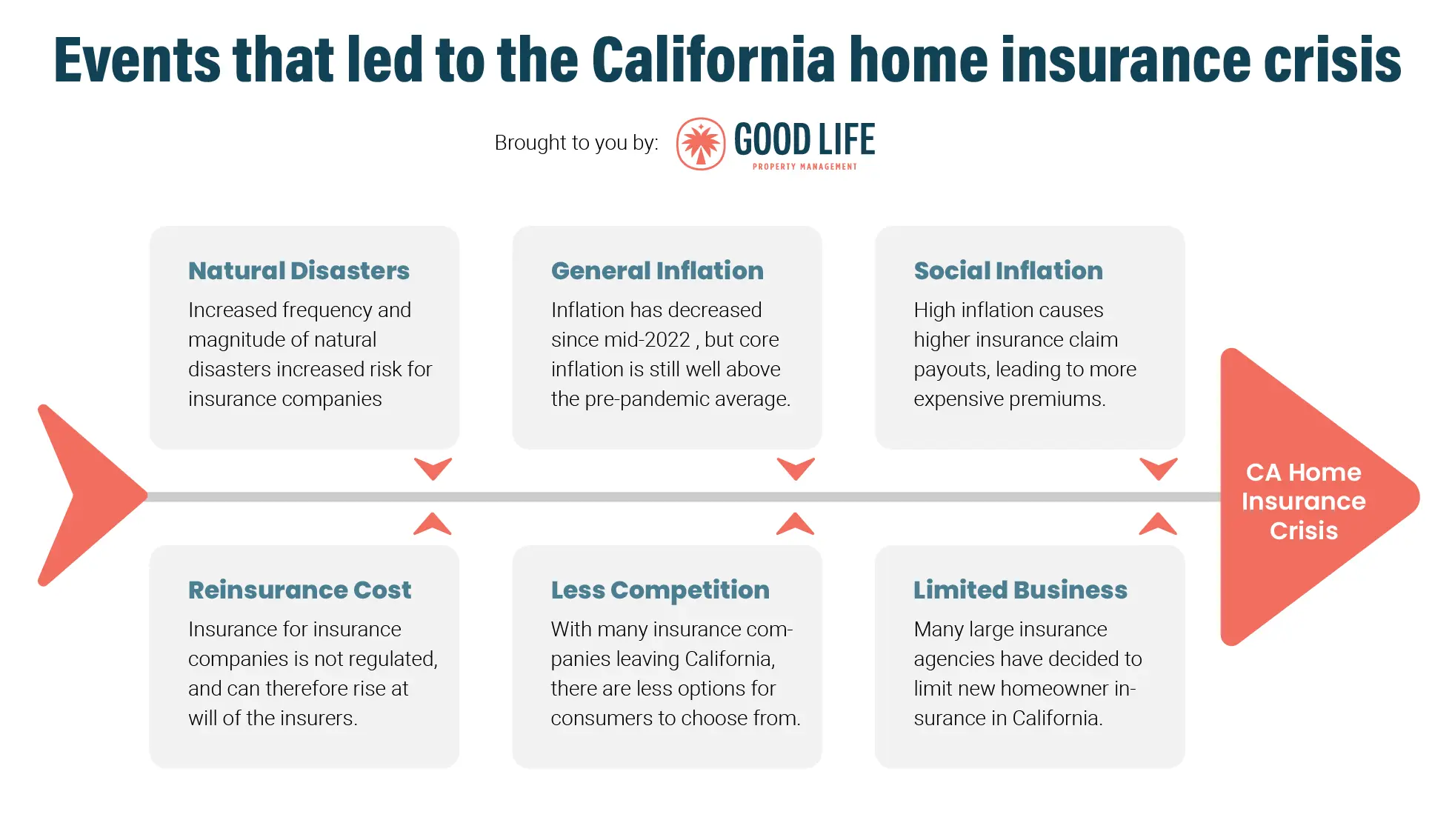
The threat of natural disasters is perhaps the most significant factor shaping California’s home insurance market. The state lies on the active Pacific Ring of Fire, making earthquakes a constant concern. While major events are infrequent, smaller quakes are common, and the potential for widespread damage from a significant tremor is ever-present. Standard home insurance policies, crucial for covering typical damage to your accommodation, almost universally exclude earthquake damage, necessitating a separate endorsement or policy.
Wildfires have become an increasingly devastating reality across large swaths of California, particularly in the wildland-urban interface. These fires pose an existential threat to properties, leading to massive losses and, consequently, a challenging market for wildfire coverage. Many insurers have pulled back from high-risk areas, leaving property owners in regions like Napa Valley or Malibu scrambling for options.
Furthermore, California’s dramatic topography makes it prone to mudslides and landslides, often triggered by heavy rains following wildfires, which denude hillsides of vegetation. Flood risks also exist, particularly in low-lying areas, near rivers, or along the coast, requiring separate flood insurance policies. These environmental realities underscore the specialized approach needed for securing proper insurance for an accommodation in California.
The Cost of Living and Property Values
California boasts some of the highest property values in the United States, especially in metropolitan areas like Los Angeles and the San Francisco Bay Area. This directly correlates to higher reconstruction costs and, by extension, higher insurance premiums for dwelling coverage. The sheer expense of rebuilding a home after a major disaster means that adequate coverage limits are paramount. Underinsuring an accommodation in California could lead to catastrophic financial shortfalls if a total loss occurs. Insurers assess risk based on replacement cost value, factoring in local labor, material costs, and building code requirements, all of which are elevated in California. Therefore, a “good” policy must reflect the true cost of rebuilding, not just the market value of the accommodation.
Core Components of a Robust California Home Insurance Policy
Regardless of location, certain fundamental coverages form the backbone of any good home insurance policy. In California, these components take on heightened importance due to the state’s specific risk profile.
Dwelling Coverage
This is the cornerstone of your accommodation insurance, protecting the physical structure of your home, including the roof, walls, attached garages, and other structures permanently affixed to the land. For California homeowners, ensuring dwelling coverage accurately reflects the full replacement cost is crucial. Given high construction costs and the potential for significant damage from earthquakes or wildfires, policies should include extended replacement cost coverage or guaranteed replacement cost coverage, which can pay out more than the policy limit if rebuilding expenses exceed initial estimates. This is vital in a state where repair costs can escalate rapidly after widespread damage.
Personal Property Coverage
Personal property coverage protects your belongings inside your accommodation, such as furniture, electronics, clothing, and other valuables. Homeowners typically have the option for actual cash value (ACV) or replacement cost value (RCV). While ACV pays out the depreciated value of your items, RCV covers the cost to replace them with new ones, which is generally preferable for most accommodation owners. It’s important to take inventory of all possessions, especially high-value items like jewelry, art, or specialized equipment, which may require separate riders or endorsements to ensure adequate protection.
Liability Protection
Liability coverage is essential for any accommodation owner, protecting you financially if someone is injured on your property or if you accidentally cause damage to someone else’s property. This coverage pays for legal fees, medical bills, and other related expenses up to your policy limits. Given the litigious nature of society, opting for higher liability limits—typically between $300,000 and $500,000, or even an umbrella policy for additional coverage—is a wise decision for comprehensive protection of your accommodation.
Additional Living Expenses (ALE)
Often overlooked but critically important, Additional Living Expenses (ALE), also known as Loss of Use coverage, covers the costs of living away from your home if it becomes uninhabitable due to a covered peril. This includes hotel stays, meals, and other necessary expenses while your accommodation is being repaired or rebuilt. In California, where large-scale disasters can displace thousands, this coverage becomes indispensable. A good policy will offer generous ALE limits and duration, ensuring that you and your family have stable interim accommodation during a crisis.
Essential Add-ons and Exclusions for California Homeowners

To truly have “good” home insurance in California, property owners must understand what standard policies exclude and what vital endorsements or separate policies are needed.
Earthquake Coverage
As mentioned, standard home insurance policies exclude damage from earthquakes. For accommodation owners in California, earthquake coverage is not just an add-on; it’s a near-necessity. This can often be purchased as an endorsement to your existing policy or as a separate policy from an insurer like the California Earthquake Authority (CEA). CEA policies often have higher deductibles (typically 10-25% of the dwelling coverage) and may offer more limited coverage for personal property or living expenses than standard home insurance. Understanding these limitations and balancing deductibles with premiums is key to securing effective earthquake protection for your accommodation.
Wildfire Coverage
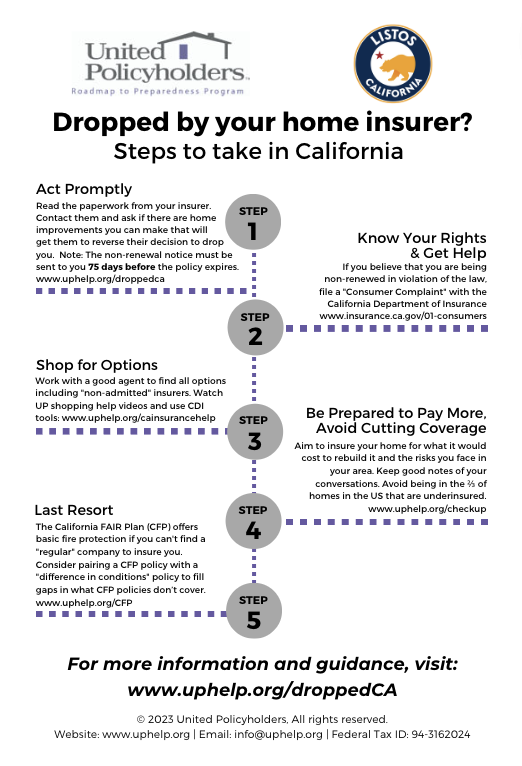
With increasingly destructive wildfire seasons, securing adequate wildfire coverage has become one of the biggest challenges for California accommodation owners. Many standard insurers are non-renewing policies or charging exorbitant premiums in high-risk areas. If traditional insurance is unavailable, homeowners may need to turn to the California Fair Access to Insurance Requirements (FAIR) Plan. The FAIR Plan provides basic fire insurance but often requires a “difference in conditions” (DIC) policy from a private insurer to cover perils like liability, theft, and water damage, creating a multi-policy approach to insuring your accommodation. Evaluating your wildfire risk profile through tools like CAL FIRE’s fire hazard severity zones is crucial.
Flood Insurance
Like earthquakes, floods are generally not covered by standard home insurance policies. Flood insurance is purchased separately, typically through the National Flood Insurance Program (NFIP), which is managed by the Federal Emergency Management Agency (FEMA), or from a private flood insurer. For accommodation owners in designated flood zones or even those adjacent to areas prone to flash flooding, this coverage is vital. Given California’s long coastlines, numerous rivers, and potential for atmospheric rivers, understanding your flood risk is paramount.
Sewer Backup and Sump Pump Overflow
While often overlooked, sewer backup and sump pump overflow can cause significant water damage to the interior of your accommodation. This is typically excluded from standard policies but can be added as an endorsement. For homes with basements or those located in areas with aging infrastructure, this coverage provides an important layer of protection against a common and costly peril.
Strategies for Finding and Securing the Best Accommodation Insurance
Navigating the California insurance market requires a proactive and informed approach. Finding a good policy involves more than just comparing prices.
Assess Your Specific Risks
The first step in finding good home insurance for your accommodation in California is to thoroughly understand your property’s specific risk profile. Is your home near a fault line? Is it in a high-fire severity zone? Is it prone to flooding? Resources from the California Geological Survey, CAL FIRE, and FEMA can help you identify these risks. This assessment will guide you in determining what additional coverages, like earthquake or wildfire insurance, are non-negotiable for your accommodation.
Compare Multiple Providers
Do not settle for the first quote you receive. Get quotes from several reputable insurance companies operating in California, such as State Farm, Allstate, Farmers, Liberty Mutual, and Travelers. An independent insurance agent specializing in California properties can be invaluable, as they can shop around for you and help you understand the nuances of different policies. Compare not only premiums but also coverage limits, deductibles, and exclusions to find the best fit for your accommodation.
Understand Deductibles and Premiums
Deductibles are the amount you pay out-of-pocket before your insurance kicks in. In California, earthquake deductibles are often high percentage-based. A higher deductible typically results in a lower premium, but it also means you’ll pay more upfront after a claim. Find a balance that aligns with your financial comfort level, ensuring you can realistically afford the deductible in case of a significant event impacting your accommodation.
Explore Discounts
Most insurers offer various discounts that can significantly reduce your premiums. Look for discounts for bundling multiple policies (e.g., home and auto insurance), installing security systems or smoke detectors, having a newer home, or even being claims-free for a certain period. In high-fire risk areas, making your accommodation more fire-resistant (e.g., creating defensible space, using fire-resistant building materials) might also qualify you for discounts or make you more insurable.
Regular Policy Review
The insurance landscape in California is constantly evolving, with risks changing and policies adapting. It is crucial to review your home insurance policy annually with your agent. Discuss any home improvements, changes in property value, or alterations to your personal property. Staying informed and adjusting your coverage ensures that your accommodation remains adequately protected against the unique and dynamic challenges of California.
LifeOutOfTheBox is a participant in the Amazon Services LLC Associates Program, an affiliate advertising program designed to provide a means for sites to earn advertising fees by advertising and linking to Amazon.com. Amazon, the Amazon logo, AmazonSupply, and the AmazonSupply logo are trademarks of Amazon.com, Inc. or its affiliates. As an Amazon Associate we earn affiliate commissions from qualifying purchases.