
California conjures images of sun-drenched beaches, innovation hubs, and an unparalleled array of natural wonders, from the majestic redwoods of Northern California to the deserts of the south. For many, it represents a dream lifestyle. However, translating this dream into a tangible reality, especially for those considering extended stays, relocations, or simply budgeting for an extended visit, requires a clear understanding of the financial landscape. At the heart of this understanding is the concept of a “living wage” – a crucial metric for anyone aspiring to a sustainable lifestyle in the Golden State, particularly those focused on budget-conscious living.
Defining the California Living Wage for Lifestyle Planning
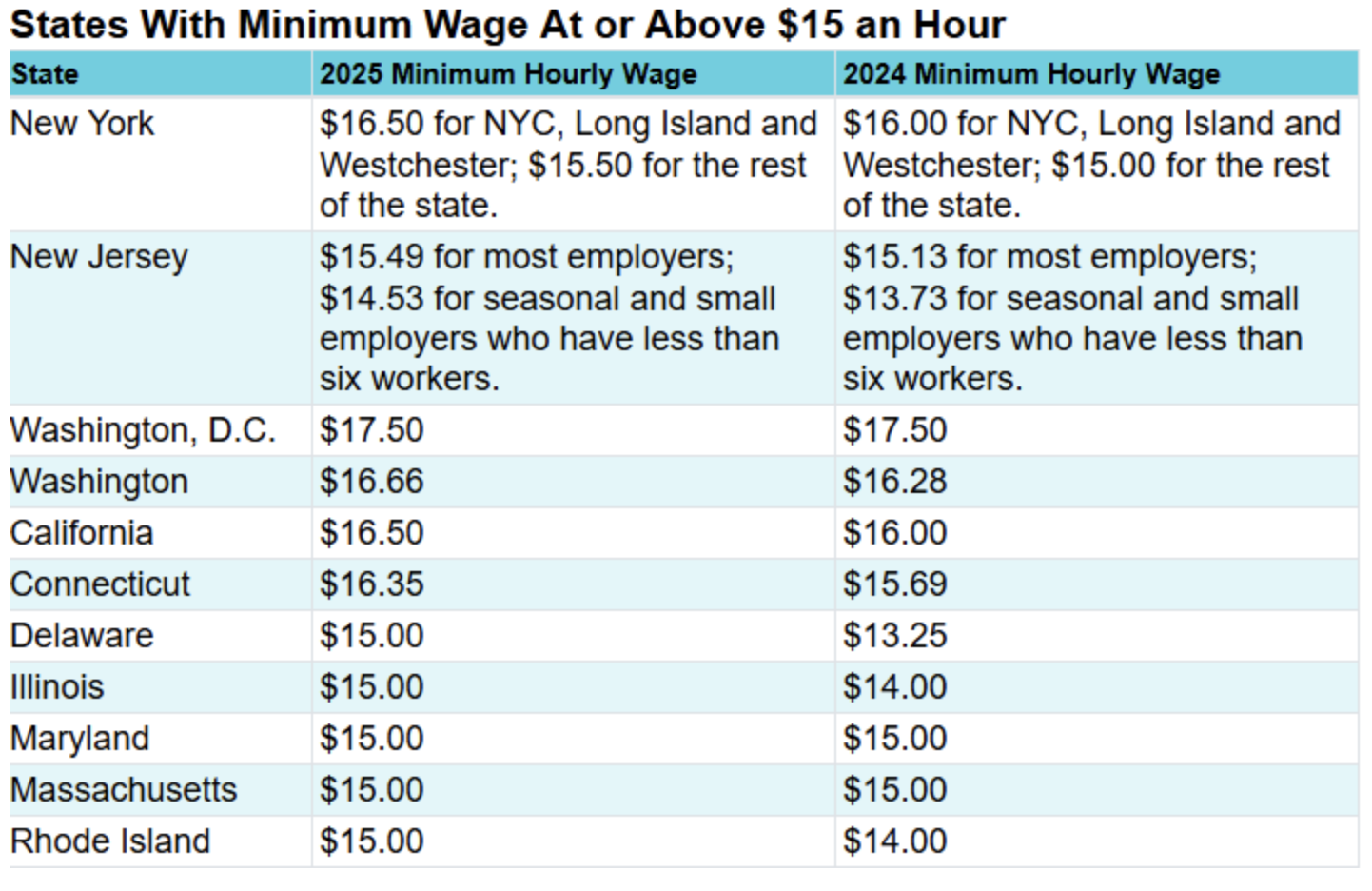
A living wage is more than just a minimum wage; it represents the income an individual or family needs to afford basic necessities without relying on public assistance or experiencing poverty. Unlike the minimum wage, which is set by law and can often fall short of covering actual costs, the living wage is calculated based on the actual expenses in a specific geographic area. For budget travelers or those planning long-term stays in California, understanding this figure is paramount. It provides a realistic benchmark for financial planning, ensuring that one can cover housing, food, transportation, healthcare, and other essential costs.
Organizations like the MIT Living Wage Calculator regularly update these figures, accounting for variations across counties and family sizes. These calculations highlight the stark reality that what constitutes a living wage in one part of California can be drastically different from another. For an individual planning a long-term stay, knowing this figure for their target region is the first step in crafting a viable budget and setting realistic expectations for their lifestyle. It’s about achieving self-sufficiency and enjoying the experience without constant financial strain.
The Financial Landscape of California: Why Costs Vary So Wildly
California’s vastness and diversity contribute significantly to the wide disparities in the cost of living and, consequently, the living wage across its regions. From bustling metropolitan areas to serene rural communities, the financial demands can shift dramatically. This variability directly impacts lifestyle choices and budget travel strategies.
Housing: The Primary Driver
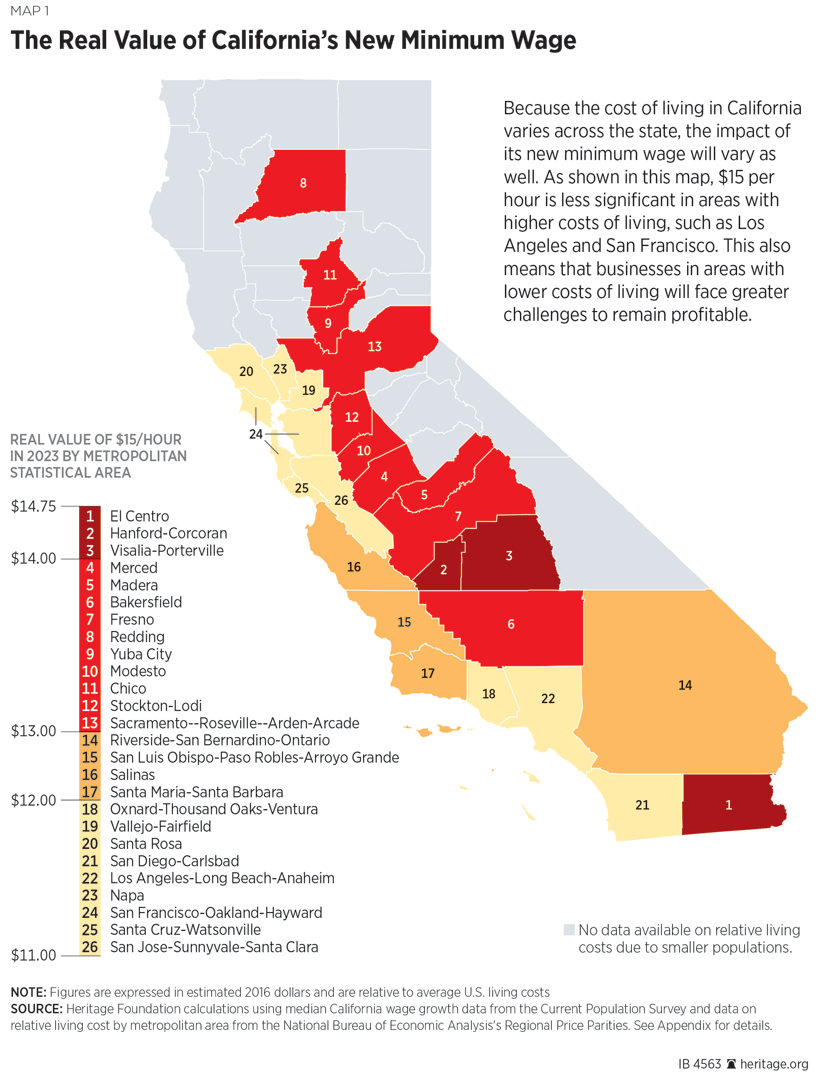
Without a doubt, housing is the most significant factor influencing the living wage in California. The state is home to some of the most expensive rental markets in the United States. In major urban centers like San Francisco, Los Angeles, and San Diego, median rents can consume a substantial portion of an individual’s income. For example, a single adult might need a significantly higher wage in San Francisco compared to a city in the Central Valley like Fresno or Bakersfield.
For those planning extended stays, this means critically evaluating their accommodation options. While a short vacation might involve staying in a hotel, a long-term lifestyle requires considering apartments, shared living situations, or even seeking residences further from city centers. The choice of location, driven primarily by housing costs, dictates a considerable part of one’s living wage requirement and, by extension, their achievable lifestyle. Exploring areas outside the immediate hotspots, but still within commuting distance or accessible to desired amenities, can dramatically alter the financial feasibility of living in California on a budget.
Transportation and Daily Necessities
Beyond housing, other daily expenses contribute significantly to the living wage calculation. Transportation costs can vary widely depending on whether one relies on public transit, ridesharing, or owning a car. In cities with robust public transportation systems like San Francisco or parts of Los Angeles, daily commutes might be less expensive than in sprawling suburban areas where a personal vehicle is almost a necessity, incurring costs for fuel, insurance, and maintenance.
Groceries, utilities (electricity, gas, water, internet), and healthcare are also substantial components of the living wage. California generally has higher costs for consumer goods and services compared to the national average. Healthcare costs, even with insurance, can be unpredictable. Understanding these foundational expenses is critical for creating a comprehensive budget that goes beyond just rent. For budget-conscious individuals, this means exploring local markets, cooking at home, and being mindful of energy consumption, all of which directly affect how far their income or savings will stretch.
Regional Disparities and Their Impact on Budget Travel

The living wage calculations explicitly account for these regional differences. For instance, the MIT Living Wage Calculator might show that a single adult in San Francisco County needs an hourly wage of around $45-$50 to meet basic needs, whereas in more rural Shasta County, that figure might drop to $20-$25. This disparity is not merely academic; it has profound implications for anyone planning a lifestyle in California.
For a budget traveler, this means the difference between a comfortable long-term stay and one fraught with financial stress. It highlights the importance of thorough research into specific counties or cities before committing to an extended period. Embracing a lifestyle in a slightly less glamorous but significantly more affordable region can unlock the possibility of experiencing California’s beauty and culture without the crushing financial burden associated with its most famous, and priciest, locales. This allows individuals to enjoy a higher quality of life for the same budget, simply by making a geographically informed choice.
Budgeting for a California Lifestyle: Beyond the Basics
Equipped with an understanding of the living wage, individuals can then craft a detailed budget that goes beyond merely surviving to thriving in California. This involves strategic planning for accommodation, daily expenses, and recognizing the critical role of income and savings.
Accommodation Strategies for Extended Stays
For those intending to live or stay for an extended period, traditional short-term rentals or hotels are often financially unsustainable. Understanding the living wage for a specific area helps quantify how much one can realistically allocate to housing. This pushes individuals to explore more budget-friendly and long-term oriented accommodation solutions. Options like co-living spaces, where private bedrooms are rented within shared homes, can significantly reduce housing costs in expensive cities. Extended-stay hotels, particularly those offering weekly or monthly rates, can also be a viable interim solution. House-sitting opportunities or even exploring more affordable residential areas further from central business districts are practical considerations. These strategies, combined with the knowledge of what constitutes a “living wage” in that specific locale, enable budget-conscious individuals to secure housing that aligns with their financial capacity.
Smart Spending on Food and Activities
Food is another adjustable expense category for budget-conscious lifestyles. While California boasts world-class dining, relying solely on restaurants quickly inflates the cost of living. Embracing home cooking, shopping at local farmers’ markets or discount grocery stores, and meal prepping are essential strategies. Many grocery stores in California, like Trader Joe’s or Costco, offer excellent value.
For activities, California provides an abundance of free or low-cost options that offer immense value to one’s lifestyle. Hiking in national and state parks (though some may have entrance fees), enjoying the state’s numerous public beaches, exploring vibrant neighborhood murals, or attending free community events can enrich one’s experience without breaking the bank. The natural beauty of places like Yosemite National Park or the Pacific Coast Highway can be experienced on a budget with careful planning for camping or inexpensive lodging.
The Role of Income and Savings
Ultimately, the ability to maintain a desired lifestyle in California hinges on sufficient income and robust savings. For those planning to work, understanding the living wage in their target county helps determine if potential job opportunities will offer a salary that genuinely supports their needs. It allows for realistic career planning and salary negotiations.
For individuals relying on savings for an extended stay, calculating how many months those savings will last, based on the local living wage, is a critical exercise. Having an emergency fund that covers several months of expenses above the calculated living wage provides a crucial buffer against unexpected costs and ensures peace of mind. A comprehensive financial plan built around the living wage provides the framework for a sustainable and enjoyable California lifestyle.
Navigating the California Dream on a Budget
While California is often perceived as an expensive place to live, a clear understanding of what constitutes a living wage empowers individuals to make informed decisions and craft a budget-friendly lifestyle. It transforms the abstract “cost of living” into concrete figures, allowing for meticulous planning and strategic choices.
The journey to experience the California dream on a budget is about making smart, regional choices, embracing alternative accommodation, and prioritizing experiences that align with financial realities. It emphasizes living purposefully and resourcefully, rather than simply paying high prices. By leveraging the insights offered by living wage data, travelers and those planning extended stays can discover that the Golden State offers a rich tapestry of experiences and a high quality of life, even when navigating its financial complexities with a careful hand. It proves that with diligent planning and an understanding of the economic landscape, the allure of California can indeed be within reach for many, allowing them to carve out their unique and fulfilling lifestyle.
LifeOutOfTheBox is a participant in the Amazon Services LLC Associates Program, an affiliate advertising program designed to provide a means for sites to earn advertising fees by advertising and linking to Amazon.com. Amazon, the Amazon logo, AmazonSupply, and the AmazonSupply logo are trademarks of Amazon.com, Inc. or its affiliates. As an Amazon Associate we earn affiliate commissions from qualifying purchases.