
California is a dream destination for many, offering everything from sun-kissed beaches and vibrant cities to majestic national parks and world-renowned wine regions. Whether you’re exploring the bustling streets of Los Angeles, savoring the culinary delights of San Francisco, or tasting vintages in Napa Valley, understanding the state’s alcohol laws is paramount for a safe, enjoyable, and lawful visit. For tourists, being aware of alcohol limits and regulations isn’t just about avoiding fines; it’s about respecting local norms and ensuring your trip remains memorable for all the right reasons. California’s approach to alcohol is comprehensive, covering everything from the legal drinking age and blood alcohol content (BAC) limits to open container restrictions and purchasing regulations. Navigating these rules successfully means you can fully immerse yourself in the local culture without unwelcome legal complications.
Navigating California’s Alcohol Laws as a Tourist
For any visitor planning to consume alcohol in the Golden State, familiarizing yourself with the fundamental legal framework is the first step. These regulations are designed to ensure public safety and responsible consumption, and ignorance of the law is not an excuse, particularly for those operating a vehicle.
The Legal Drinking Age
The most universally understood alcohol law in the United States, and by extension in California, is the legal drinking age. Individuals must be 21 years of age or older to purchase, possess, or consume alcoholic beverages. This law is strictly enforced across the state, and establishments serving alcohol, such as bars, restaurants, and wineries, will rigorously check identification. Tourists from countries where the drinking age is lower should be especially mindful of this difference. Carrying a valid, government-issued ID (like a passport or driver’s license) is crucial when attempting to buy or consume alcohol. Attempting to use a fake ID or purchasing alcohol for someone under 21 can lead to severe penalties, including hefty fines and potential arrest, significantly disrupting travel plans.
Understanding Blood Alcohol Content (BAC) Limits
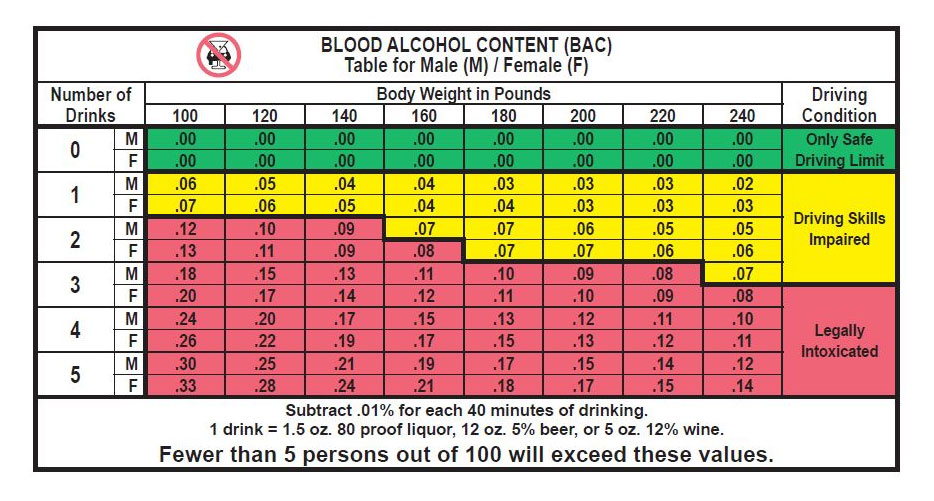
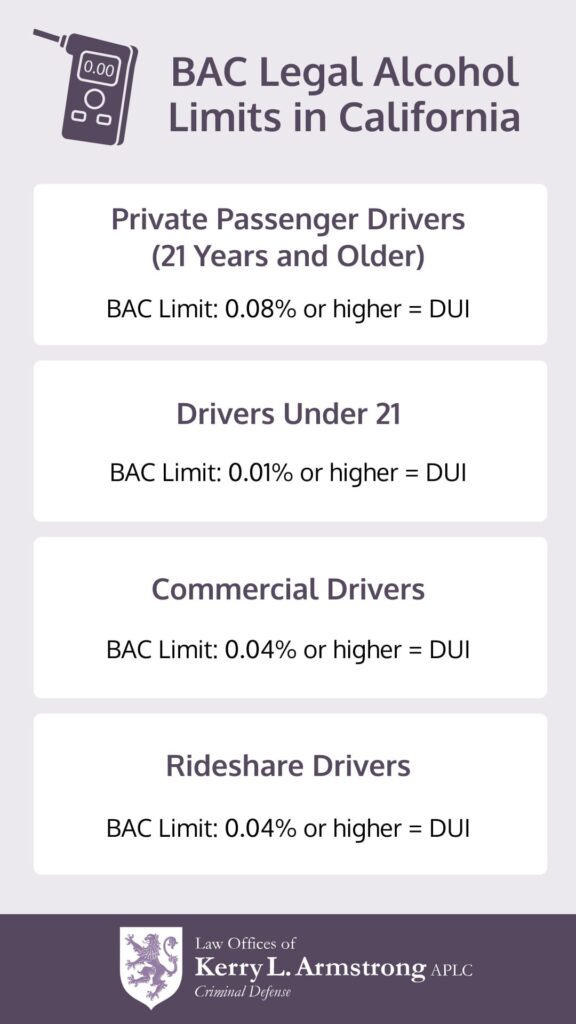
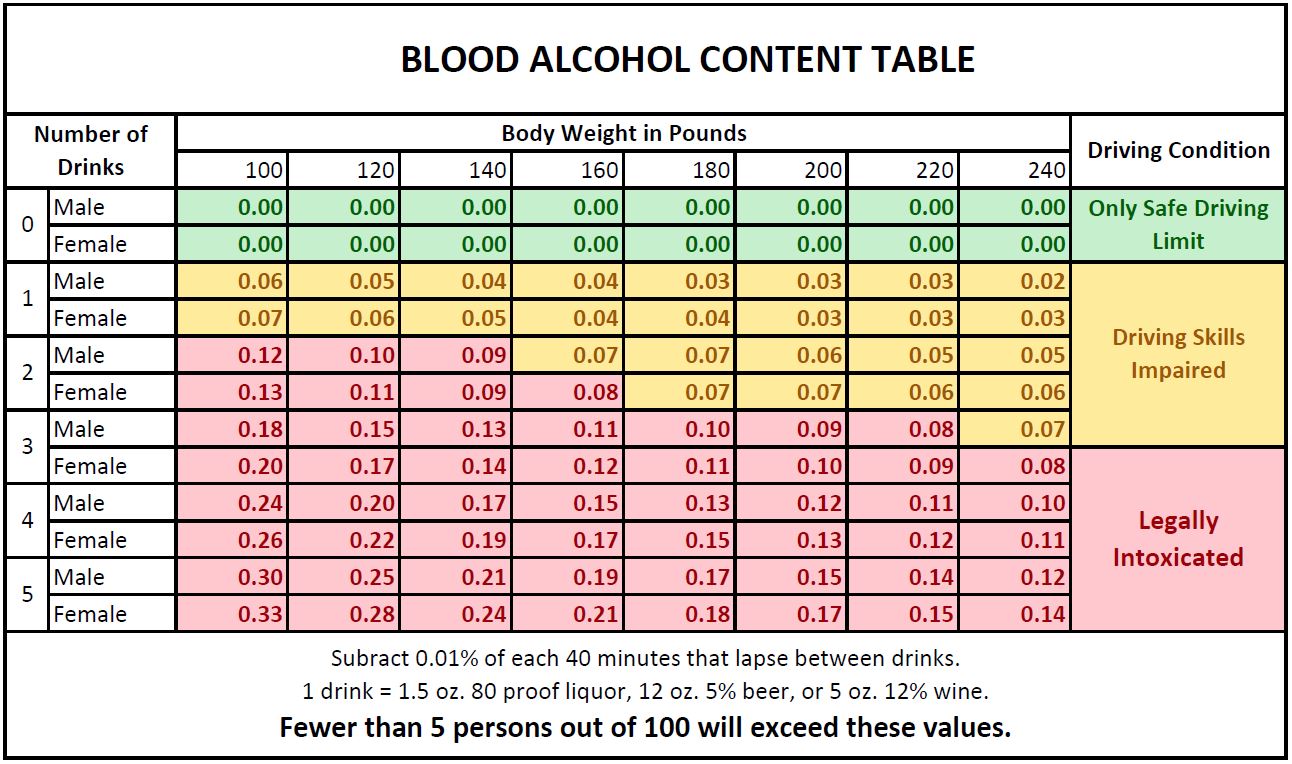
The primary “alcohol limit” that most people think of relates to driving under the influence (DUI). In California, the legal Blood Alcohol Content (BAC) limit for most drivers aged 21 and over is 0.08%. This means that if you are pulled over and your BAC measures 0.08% or higher, you are presumed to be driving under the influence and can face DUI charges. It’s important to understand that even if your BAC is below 0.08%, you can still be charged with a DUI if a law enforcement officer determines that your driving is impaired to an appreciable degree by alcohol. For commercial drivers, the limit is even lower, at 0.04%, while those operating ride-sharing services like Uber or Lyft are typically subject to the same limits as non-commercial drivers. Factors such as body weight, metabolism, gender, and the amount of food consumed can all influence how quickly alcohol affects your BAC. There is no simple formula for how many drinks equal a 0.08% BAC, making it safest to avoid driving after any alcohol consumption.
Zero Tolerance for Underage Drivers
For drivers under the age of 21, California enforces a “Zero Tolerance” policy. This means that if a driver under 21 is found to have a BAC of 0.01% or higher, they can face severe penalties, including a one-year suspension of their driving privileges, fines, and mandatory alcohol education programs. This policy is particularly crucial for younger tourists who might be driving rental cars or family vehicles. The intent is to discourage any alcohol consumption by underage individuals, especially when combined with driving. Even a small amount of alcohol, which might not impair an adult driver, can lead to serious legal repercussions for a minor behind the wheel.
Public Consumption and Open Container Laws
Beyond driving, California also regulates the consumption of alcohol in public spaces. These laws are designed to maintain public order and safety, and tourists should be particularly mindful of them when exploring cities or enjoying outdoor attractions.
Open Containers in Vehicles
California has strict open container laws concerning vehicles. It is illegal for any driver or passenger to have an open container of alcohol in a vehicle. An “open container” is defined as any bottle, can, or other receptacle containing any alcoholic beverage that is open, has a broken seal, or has had some of its contents removed. This applies even if the vehicle is parked. The only exception is if the open container is in the trunk, or in an area not normally occupied by the driver or passengers (e.g., a locked glove compartment or behind the last row of seats in an SUV). This law applies even if the person with the open container is not the one driving. Therefore, if you purchase a bottle of wine or spirits, ensure it remains sealed and stored appropriately until you reach your accommodation. Violating this law can result in significant fines and potential vehicle impoundment.
Public Spaces and Designated Areas
Generally, it is illegal to consume alcohol in public places in California. This includes streets, sidewalks, parks, beaches, and other public areas unless specifically permitted. Many cities and counties have their own ordinances that further restrict or prohibit public consumption. For instance, while some beaches might allow alcohol in specific, designated areas or during certain events, most prohibit it entirely. Famous parks and attractions, such as Disneyland or Golden Gate Park, have explicit rules against bringing or consuming outside alcohol. Always look for signage or inquire locally if you’re unsure about the rules in a particular public space. Violating these laws can lead to citations, fines, and even arrest for public intoxication or disorderly conduct.
Special Event Considerations
There are instances where public alcohol consumption is permitted, usually under specific permits for festivals, concerts, or other special events. During these events, designated areas are often set up where alcohol can be purchased and consumed legally. It’s crucial to adhere to the rules of these events, as bringing in outside alcohol (“BYOB”) or consuming alcohol outside the designated zones is typically prohibited, even if the event itself has a liquor license. For example, many food and wine festivals in California will have specific areas where attendees can sample beverages, but general public consumption outside these areas remains illegal. Always check the event guidelines and signage to ensure compliance.
Purchasing Alcohol and Operating Hours
Understanding where and when you can buy alcohol in California is essential for any tourist looking to enjoy a drink responsibly. The state has specific regulations governing retail sales and on-premise consumption.
Where to Buy Alcoholic Beverages
In California, alcoholic beverages can be purchased from various licensed retailers. Beer, wine, and spirits are widely available in grocery stores, convenience stores, and specialized liquor stores. Wineries, breweries, and distilleries also offer direct sales, often including tastings, providing an excellent opportunity for tourists to sample local products directly from the source. For on-premise consumption, alcohol is served in licensed restaurants, bars, nightclubs, and some hotels and resorts. These establishments are required to hold specific licenses from the California Department of Alcoholic Beverage Control (ABC).
Retail Hours and Restrictions
California law dictates the hours during which alcohol can be sold. For off-premise consumption (retail sales), alcohol can be sold between 6:00 AM and 2:00 AM, seven days a week. This applies to grocery stores, liquor stores, and similar establishments. For on-premise consumption (bars, restaurants), alcohol can also be served between 6:00 AM and 2:00 AM. However, local jurisdictions can impose stricter hours, so it’s always wise to be aware that some areas might have earlier cut-off times, though this is less common for tourist areas. Regardless of the closing time for sales, no alcohol can be sold or served after 2:00 AM. This means last call in most establishments will be around 1:30 AM to ensure all drinks are served and consumed before the 2:00 AM cut-off.
On-Premise vs. Off-Premise Consumption
The distinction between on-premise and off-premise consumption is important. When you buy alcohol at a grocery or liquor store, it is for off-premise consumption – meaning you can only legally drink it on private property, such as your hotel room, a private residence, or a designated camping site (if allowed by park rules). You cannot open and consume that alcohol in public. On the other hand, alcohol served in a restaurant or bar is for on-premise consumption only; it must be consumed within the licensed premises. Taking an open alcoholic beverage from a bar out onto the street is a violation of open container laws. Some establishments in tourist hubs like San Diego or Santa Monica might offer “to-go” alcoholic drinks, but these are typically sealed and intended for consumption on private property, not for immediate public consumption.
Consequences for Tourists: What You Need to Know
While enjoying California’s vibrant nightlife or scenic vineyards, it’s crucial to understand the potential repercussions of violating alcohol laws. For tourists, these consequences can extend beyond simple fines, impacting your travel experience and potentially future international travel.
DUI Penalties and Their Impact
A Driving Under the Influence (DUI) conviction in California is a serious matter, even for a first offense. Penalties can include significant fines (potentially thousands of dollars), mandatory attendance at DUI education programs, license suspension (even if you’re an out-of-state or international driver), and even jail time. For international tourists, a DUI conviction could lead to difficulties re-entering the United States in the future. The process involves court appearances, legal fees, and administrative penalties from the California Department of Motor Vehicles (DMV), all of which can severely disrupt your travel plans and impose a substantial financial burden. It’s a situation best avoided at all costs.
Public Intoxication and Disruptive Behavior
Beyond driving, public intoxication is also illegal in California. If you are found in a public place under the influence of alcohol (or drugs) to the extent that you are unable to exercise care for your own safety or the safety of others, or if you obstruct sidewalks or public ways, you can be arrested. This can lead to a night in jail, fines, and a criminal record. Disruptive behavior caused by excessive alcohol consumption, such as disorderly conduct, disturbing the peace, or engaging in fights, will also lead to legal trouble, detracting significantly from your vacation and potentially leading to a permanent mark on your record. The goal is to ensure that tourists can enjoy themselves without posing a risk to themselves or others.
Avoiding Legal Troubles
The best way to avoid legal issues related to alcohol in California is to be proactive and responsible. Always carry a valid ID. If you plan to drink, do not drive. Utilize ride-sharing services like Uber or Lyft, taxis, or public transportation. If you are with a group, designate a sober driver. Be mindful of open container laws, especially in vehicles and public spaces. When visiting wineries or breweries, take advantage of tasting flights but be aware of your consumption levels. Remember that while California offers abundant opportunities to enjoy alcoholic beverages, these come with responsibilities that can impact your overall travel experience.
Responsible Enjoyment: Tips for a Safe California Experience
A trip to California should be filled with positive memories. By exercising caution and planning ahead, you can enjoy the state’s vibrant food and drink scene without incident.
Plan Your Transportation
One of the most critical aspects of responsible alcohol consumption is planning your transportation in advance. If your itinerary includes visiting bars, restaurants with wine pairings, or breweries, make arrangements for a designated driver or use alternative transportation. California’s major cities and tourist destinations offer robust options, including extensive public transit networks, taxis, and popular ride-sharing services such as Uber and Lyft. Many wine regions, like Napa Valley or Temecula Valley, also have dedicated tour services that include transportation, allowing you to sample local wines without worrying about driving. Never get behind the wheel if you’ve had any alcohol, and never accept a ride from an impaired driver.
Pace Yourself and Stay Hydrated
It’s easy to get caught up in the excitement of a vacation, especially when trying local wines or craft beers. However, it’s essential to pace your alcohol consumption. Drink slowly, and intersperse alcoholic beverages with water or non-alcoholic drinks. Staying hydrated is crucial, especially in California’s warmer climates, as dehydration can exacerbate the effects of alcohol. Eating food before and during alcohol consumption can also help slow down absorption. Remember that different types of alcohol have different strengths, and even tasting flights can add up quickly.
Know Your Limits and Be Aware of Your Surroundings
Everyone has a different tolerance for alcohol. Knowing your personal limits is key to enjoying yourself responsibly. Pay attention to how you feel and recognize the signs of impairment. It’s always better to err on the side of caution. Furthermore, be aware of your surroundings. While California is generally safe for tourists, being overly intoxicated can make you vulnerable to various risks, including theft or getting lost. Stay with your travel companions, keep an eye on your drinks, and avoid walking alone in unfamiliar areas, especially at night, after consuming alcohol. Enjoying California’s offerings responsibly ensures a positive and safe experience for everyone.
LifeOutOfTheBox is a participant in the Amazon Services LLC Associates Program, an affiliate advertising program designed to provide a means for sites to earn advertising fees by advertising and linking to Amazon.com. Amazon, the Amazon logo, AmazonSupply, and the AmazonSupply logo are trademarks of Amazon.com, Inc. or its affiliates. As an Amazon Associate we earn affiliate commissions from qualifying purchases.