
California, a name that conjures images of sun-drenched beaches, towering redwoods, and a vibrant tapestry of cultures, is more than just a state; it’s a global icon. While officially known as the “State of California,” this expansive and diverse region has acquired numerous appellations over centuries, each reflecting a facet of its unique identity, history, and allure. These names are not mere labels; they are cultural touchstones that offer insights into its local flavor, the experiences it provides, and the very essence of what makes California a captivating destination for travelers seeking diverse activities and culinary delights.

The Golden State: A Reflection of Riches and Radiance
The most enduring and widely recognized moniker for California is the “Golden State.” This name, officially adopted as the state nickname in 1968, carries layers of meaning, intrinsically tied to both its natural landscape and its historical narrative. For tourists exploring California, understanding this nickname unlocks a deeper appreciation for its local culture and attractions.
Natural Splendor and Agricultural Bounty
The “golden” in “Golden State” is first and foremost a tribute to California’s distinctive golden poppies (Eschscholzia californica), which carpet hillsides in brilliant orange-yellow hues every spring, particularly visible in areas like the Antelope Valley California Poppy Reserve. These fields are a spectacle for nature lovers and photographers. Beyond flora, the dry summers often turn the state’s vast grasslands to a shimmering gold, creating a landscape that feels perpetually sun-kissed. This golden hue also extends to the rich agricultural produce that defines much of California’s central valleys. From the sun-ripened citrus groves of Central Valley to the bountiful vineyards of Napa Valley and Sonoma County, the state’s fertile lands yield a golden harvest that forms the backbone of its renowned farm-to-table culinary scene. Visitors can indulge in wine tours, explore farmers’ markets, and savor fresh, seasonal ingredients that showcase California’s gastronomic excellence.
The Allure of Opportunity
Historically, the “golden” appellation is indelibly linked to the California Gold Rush of 1849. The discovery of gold at Sutter’s Mill sparked an unprecedented migration, transforming California from a sparsely populated frontier into a bustling hub of ambition and innovation. This period laid the foundation for many of California’s most iconic cities, including San Francisco and Sacramento, the state capital. Today, remnants of this era can be explored in historic towns like Columbia State Historic Park, where visitors can pan for gold, ride stagecoaches, and immerse themselves in 19th-century life. The “Golden State” thus symbolizes not just material wealth but also the enduring promise of opportunity and prosperity that continues to draw people from around the globe, from aspiring actors in Hollywood to tech innovators in Silicon Valley.
From Bear Flag Republic to the Pacific Rim
Beyond its official nickname, California’s history has endowed it with other significant, albeit less common, designations that speak to its distinct political identity and geographical importance.
A Legacy of Independence
For a brief period in 1846, during the Mexican-American War, a group of American settlers in Sonoma declared independence from Mexico, establishing the “Bear Flag Republic.” Though short-lived, this episode left an indelible mark, with the “bear flag” itself becoming the state flag, featuring a grizzly bear and a single red star. This historical event speaks to a deep-seated spirit of self-determination and an independent streak that remains a part of the Californian ethos. Tourists can visit historical sites in Sonoma to learn about this pivotal moment, exploring the mission, barracks, and plaza that witnessed the raising of the original bear flag. This cultural exploration provides context to the state’s unique political and social landscape.
Gateway to the Global Stage
California’s extensive coastline along the Pacific Ocean firmly places it as a vital component of the “Pacific Rim.” This geographical designation highlights its role as a key economic, cultural, and political bridge between North America and Asia. Major port cities like Los Angeles and Long Beach are bustling hubs of international trade, while cultural influences from Asia are deeply woven into the fabric of urban centers like San Francisco’s Chinatown and Little Tokyo in Los Angeles. Visitors can explore these vibrant cultural enclaves, sampling authentic cuisine, attending traditional festivals, and experiencing the rich multiculturalism that defines modern California. The coastal cities also offer unparalleled access to marine activities, from surfing in Huntington Beach to whale watching off the coast of Monterey Bay.
Decoding California’s Nicknames: The Land of Dreams and Innovation
Beyond historical and geographical labels, California is also colloquially known by terms that encapsulate its forward-thinking spirit and its role as a global trendsetter. These nicknames are particularly relevant to the state’s cultural impact and the unique activities it offers.

Hollywood and the Dream Factory
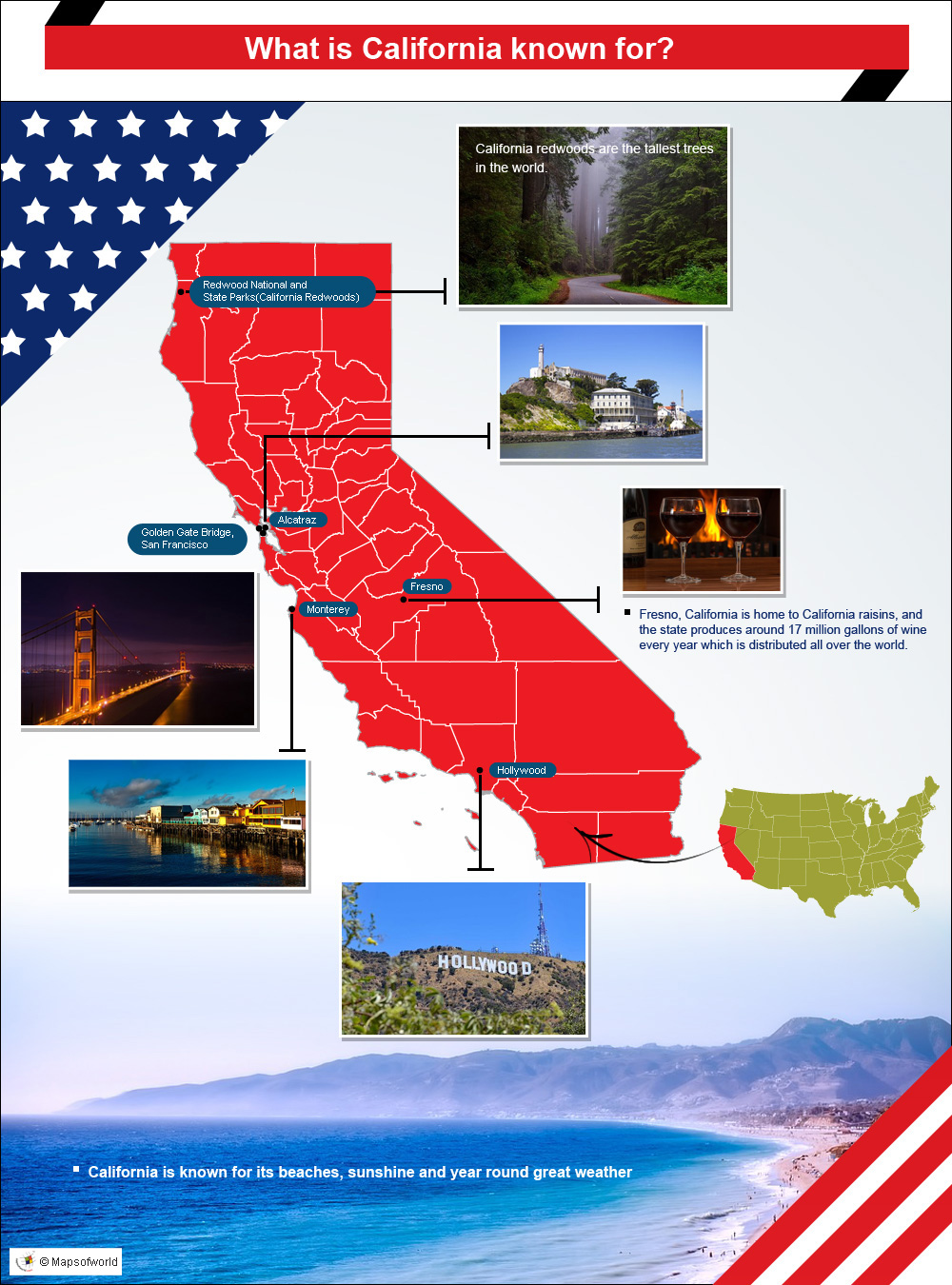
When people think of the entertainment industry, “Hollywood” immediately springs to mind. Though a district within Los Angeles, Hollywood has become synonymous with California itself, representing the global epicenter of film, television, and music. It’s the “dream factory” where aspirations take flight and stars are born. Tourists flock to Hollywood to walk the Walk of Fame, see the iconic Hollywood Sign, and perhaps catch a glimpse of a celebrity. Beyond the glitz, Hollywood represents a significant cultural activity, offering tours of film studios, immersive experiences like Universal Studios Hollywood, and countless theaters showcasing live performances and movie premieres. The culinary scene in and around Hollywood also reflects its global influence, with an array of dining options from celebrity chef restaurants to trendy fusion eateries.
Silicon Valley’s Technological Frontier
Another powerful descriptor for a part of California is “Silicon Valley,” located in the southern San Francisco Bay Area. This name evokes images of groundbreaking innovation, technological advancement, and a relentless pursuit of the future. Home to tech giants like Apple, Google, and Meta, Silicon Valley is a hub of creativity and entrepreneurship, constantly shaping the digital world. While not a traditional tourist destination in the same vein as Hollywood, the spirit of innovation permeates the local culture. Visitors can explore the Computer History Museum in Mountain View or visit university campuses like Stanford University, which are intrinsically linked to the region’s technological rise. The local cuisine in Silicon Valley is often characterized by its diversity and health-conscious focus, catering to an international workforce that values efficiency and quality.
A Tapestry of Cultures: Culinary and Artistic Diversity
The myriad names for California ultimately point to its unparalleled cultural diversity, which manifests vibrantly in its food and artistic scenes, making it a dream destination for experiential travelers.
Gastronomic Adventures Across the State
California’s food culture is as varied as its landscape. From the fresh seafood of San Diego and Monterey to the fusion cuisine of Los Angeles and the gourmet farm-to-table restaurants of Northern California wine country, there’s an endless array of culinary experiences. Mexican influences are deeply embedded, particularly in Southern California, offering authentic tacos, burritos, and regional specialties. The state is also a pioneer in healthy eating, organic farming, and innovative plant-based cuisine. Food festivals celebrating everything from garlic (in Gilroy) to artichokes (in Castroville) are common activities that allow visitors to literally taste the local culture.
Art, Music, and the Californian Spirit
The artistic landscape of California is equally rich and diverse. San Francisco is renowned for its vibrant arts scene, from the historic Beat Generation literary movement to contemporary street art and avant-garde galleries. Los Angeles boasts world-class museums like the Getty Center and the Los Angeles County Museum of Art (LACMA). Music, too, is integral to California’s identity, having been the birthplace or home to countless genres and iconic artists, from the Beach Boys’ surf rock to N.W.A.’s groundbreaking hip-hop. Live music venues abound, from intimate clubs to grand arenas. Engaging with these artistic expressions, whether by visiting a gallery, attending a concert, or simply appreciating the colorful murals in a neighborhood, offers a profound way to connect with the Californian spirit.
Practical Tips for Experiencing the “Real California”
To truly understand what California is called and why, it’s essential to immerse oneself in its various facets. Experiencing its diverse local culture requires a blend of exploration and open-mindedness.
Navigating Diverse Landscapes
California’s immense geographical diversity means that what you experience in the desert landscapes of Death Valley National Park is vastly different from the ancient forests of Redwood National Park or the alpine beauty of Yosemite National Park. Planning your trip to include a variety of regions will provide a comprehensive understanding of the “Golden State.” Road trips along historic routes like parts of Route 66 or scenic coastal drives along Highway 1 offer unparalleled opportunities to see this diversity firsthand, pausing at small towns to sample local fare and engage with residents.
Engaging with Local Communities
Beyond the iconic attractions, the “real” California can be found in its local communities. Visiting neighborhood festivals, exploring smaller museums, or dining at family-run establishments allows for authentic interactions. Participating in local activities, whether it’s a surfing lesson in Malibu, a pottery class in Laguna Beach, or a visit to a craft brewery in San Diego, provides a deeper connection to the culture. Engage with locals, ask for recommendations, and be open to spontaneous discoveries. This approach to travel allows you to move beyond the famous names and truly understand why California is not just a place, but a multifaceted dream, a golden opportunity, and a vibrant cultural mosaic.
LifeOutOfTheBox is a participant in the Amazon Services LLC Associates Program, an affiliate advertising program designed to provide a means for sites to earn advertising fees by advertising and linking to Amazon.com. Amazon, the Amazon logo, AmazonSupply, and the AmazonSupply logo are trademarks of Amazon.com, Inc. or its affiliates. As an Amazon Associate we earn affiliate commissions from qualifying purchases.