
Visiting California, the Golden State, offers an unparalleled array of experiences, from the sun-drenched beaches of San Diego to the majestic redwoods of Northern California and the vibrant urban landscapes of Los Angeles and San Francisco. As you immerse yourself in the local culture, you might encounter a small charge on your beverage purchases labeled “CRV.” For many first-time visitors or those unfamiliar with California’s unique environmental policies, this can be a point of curiosity. Understanding the California Redemption Value (CRV) is not just about a few extra cents; it’s about appreciating the state’s deep commitment to sustainability and responsible resource management, offering a fascinating glimpse into a core aspect of local life and environmental consciousness.

Understanding California’s Commitment to Sustainability
California has long been a trailblazer in environmental protection and sustainable practices. The CRV system is a testament to this legacy, an innovative approach designed to encourage recycling and reduce waste. For tourists, recognizing the CRV isn’t merely about an additional cost; it’s an opportunity to engage with and support the state’s pioneering efforts to preserve its natural beauty and promote a greener future.
The Origins and Purpose of CRV
The California Beverage Container Recycling and Litter Reduction Act was enacted in 1986, establishing the CRV program. Its primary goal was to create a strong financial incentive for consumers to recycle beverage containers, thereby diverting millions of tons of waste from landfills and reducing litter across the state. Before CRV, many valuable recyclable materials ended up in trash bins, polluting landscapes and increasing the burden on waste management systems. By attaching a redemption value to eligible containers, the state effectively transformed what was once waste into a valuable commodity, encouraging a circular economy where materials are reused rather than discarded. This initiative reflects California’s forward-thinking approach to environmental stewardship, setting a benchmark for other regions globally.
How CRV Works for Consumers and the Environment
When you purchase a CRV-eligible beverage in California, a small deposit, typically 5 cents for containers under 24 ounces and 10 cents for those 24 ounces or larger, is added to the price. This deposit is the California Redemption Value. It’s important to understand that this isn’t a tax; it’s a deposit that you can reclaim when you return the empty container to a certified recycling center.
From an environmental perspective, the CRV program has been immensely successful. It has led to some of the highest recycling rates in the nation for beverage containers, significantly conserving natural resources, reducing energy consumption in manufacturing new products, and decreasing greenhouse gas emissions. For tourists, participating in this system, even casually, means contributing directly to the environmental health of the places they visit, from the beaches of Santa Monica to the forests of Yosemite National Park. It fosters a sense of shared responsibility for the stunning landscapes that draw millions to California each year.
CRV for the California Visitor: What You Need to Know
For travelers exploring California, encountering the CRV is a common experience, deeply woven into the fabric of daily life. Understanding how it works can not only save you a few dollars but also enhance your appreciation for the state’s unique approach to environmental responsibility.
Encountering CRV in Everyday Purchases
Whether you’re grabbing a bottle of water at a convenience store in Beverly Hills, enjoying a soda with your street taco in San Ysidro, or picking up a six-pack of craft beer from a local brewery in Napa Valley, you’ll notice the CRV charge on your receipt. It applies to most aluminum cans, glass bottles, plastic bottles, and bi-metal containers of carbonated soft drinks, fruit juice, sports drinks, bottled water, coffee and tea beverages, and even wine and spirit coolers. It typically does not apply to milk, infant formula, or 100% fruit juice in sizes 46 ounces or more, or to rigid plastic containers of 100% juice, vegetable juice, or other alcoholic beverages. This ubiquitous presence means that virtually every visitor will interact with the CRV system at some point during their stay. It’s a subtle yet constant reminder of California’s dedication to a cleaner, more sustainable future.
Practical Tips for Tourists and Travelers
- Don’t Be Surprised by the Charge: The CRV is standard, so don’t view it as an unexpected fee. It’s part of the purchase price for eligible beverages throughout California.
- Collect Your Containers: If you’re staying for an extended period, perhaps in a rental apartment in Santa Barbara or a long-term hotel stay in Anaheim for a Disneyland vacation, consider collecting your empty CRV containers. While the individual amounts are small, they can add up over time.
- Utilize Hotel Recycling Bins: Many hotels and accommodations in California provide recycling bins in rooms or common areas. While these typically don’t allow for CRV redemption, using them is still a great way to contribute to recycling efforts and keep waste out of landfills.
- Look for Recycling Centers: If you’re keen to redeem your CRV, particularly if you have a significant number of containers, look for certified recycling centers. These are often found near grocery stores or in commercial areas. (More on this below.)
- Consider the Environmental Benefit: Even if you don’t redeem the CRV, by paying it, you’re directly supporting the recycling infrastructure that keeps California beautiful. Think of it as a small contribution to the environmental health of your travel destination.
The Broader Impact: Beyond Just Recycling
The CRV system extends far beyond merely putting bottles and cans into a separate bin. It’s an economic driver, a societal pact, and a symbol of California’s progressive environmental ethos that tourists can easily engage with and appreciate.

Supporting California’s Green Initiatives
The funds generated by unredeemed CRV deposits are reinvested into the state’s recycling infrastructure and broader environmental programs. This means that even if a tourist doesn’t redeem their CRV, their payment still contributes to a robust system that supports collection facilities, promotes public education about recycling, and funds innovative sustainability projects across California. From coastal clean-ups along the Pacific Coast Highway to initiatives promoting renewable energy in the Central Valley, the CRV system plays a role in nurturing a greener California for residents and visitors alike. It’s a foundational element of the state’s commitment to protecting its diverse ecosystems and maintaining its reputation as a leader in environmental policy.
Contributing to a Cleaner Golden State
A cleaner state means a more enjoyable experience for everyone. Less litter on beaches, parks, and city streets enhances the aesthetic appeal of California’s iconic destinations. The CRV program significantly reduces beverage container litter, ensuring that the natural beauty and urban vibrancy that attract millions of tourists remain pristine. Imagine hiking in Joshua Tree National Park or strolling through the historic streets of Old Town Sacramento without the blight of discarded bottles and cans. This environmental benefit, directly facilitated by the CRV, creates a more pleasant and memorable travel experience, allowing visitors to fully appreciate the stunning landscapes and rich cultural heritage California has to offer.
Finding Recycling Centers: A Guide for Tourists
For those who wish to redeem their CRV deposits, finding a recycling center in California is generally straightforward. The system is designed for accessibility, ensuring that both residents and visitors can participate.
Common Locations and How to Identify Them
Certified recycling centers, often referred to as “buyback centers,” are widely available throughout California. Many are conveniently located near supermarkets, shopping centers, or dedicated recycling depots. You can typically identify them by signage indicating “CRV Redemption” or “Recycling Center.” For visitors using smartphones, apps like “CalRecycle’s Recycling Center Locator” or a quick online search for “CRV recycling near me” can pinpoint the closest locations. In major cities like Oakland, Riverside, or Fresno, these centers are often integral parts of community services.
What to Expect When Redeeming
When you arrive at a certified recycling center, you’ll typically separate your containers by material type (aluminum, plastic, glass). The center staff will weigh your materials or count them, and then pay you the corresponding CRV. Most centers offer cash redemption, while some may provide vouchers. It’s a quick and simple process, especially if you have your containers sorted beforehand. Remember to ensure your containers are empty and relatively clean. While redeeming a few bottles might seem trivial, it’s a small act that reinforces the value of recycling and contributes to the ongoing success of California’s environmental programs.
FAQs for Travelers About CRV
As a tourist, you might have specific questions about how CRV applies to your visit. Here are some common queries addressed.
Is it mandatory to pay CRV?
Yes, if you purchase an eligible beverage in California, the CRV deposit will be included in the price by the retailer. It’s an automatic part of the transaction, just like sales tax. There’s no opting out of paying the deposit, but redeeming it is always your choice.
Can I redeem CRV if I’m not a resident?
Absolutely. The CRV program is open to anyone who has purchased CRV-eligible containers in California, regardless of residency status. As long as you have the eligible containers, you can visit any certified recycling center and redeem your deposits. This inclusive approach ensures that everyone who contributes to the program has the opportunity to benefit from it.
What containers are eligible?
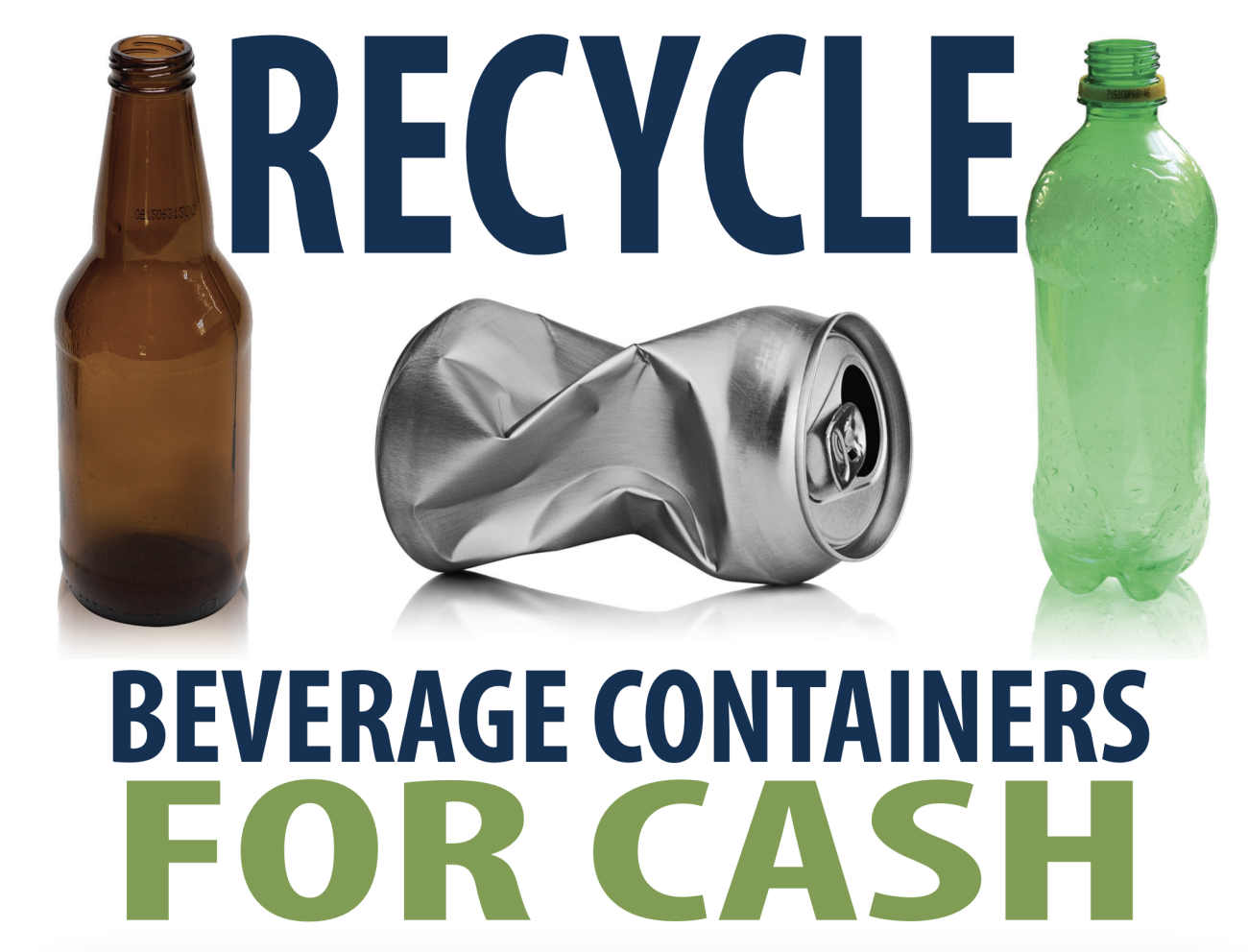
Most non-alcoholic beverage containers made of aluminum, plastic (#1 PET and #2 HDPE), glass, and bi-metal are eligible for CRV. This includes bottled water, sodas, juice, sports drinks, and ready-to-drink teas and coffees. Alcoholic beverages such as beer and malt beverages are also CRV-eligible. Wine bottles (except wine coolers) and milk containers are generally not eligible. The container label will usually indicate “CA CRV” or “California Redemption Value” if it’s eligible. When in doubt, checking the label is the best way to confirm eligibility.
LifeOutOfTheBox is a participant in the Amazon Services LLC Associates Program, an affiliate advertising program designed to provide a means for sites to earn advertising fees by advertising and linking to Amazon.com. Amazon, the Amazon logo, AmazonSupply, and the AmazonSupply logo are trademarks of Amazon.com, Inc. or its affiliates. As an Amazon Associate we earn affiliate commissions from qualifying purchases.