
California, a land celebrated for its diverse landscapes, from the sun-kissed beaches of San Diego to the majestic peaks of the Sierra Nevada, annually draws millions of tourists. Yet, beneath its alluring veneer, the state grapples with an escalating challenge: wildfires. For those planning to explore its iconic national parks, vibrant cities, or serene wine regions, understanding the multifactorial causes of these fires is paramount. This insight not only ensures safer travel but also fosters a deeper appreciation for the delicate ecosystems that define California’s appeal and the communities striving to protect them. The increasing frequency and intensity of wildfires directly impact tourism, influencing destination choices, outdoor activity availability, and the very health of the air visitors breathe.
The Shifting Landscape: Climate Change and California’s Tourism Future
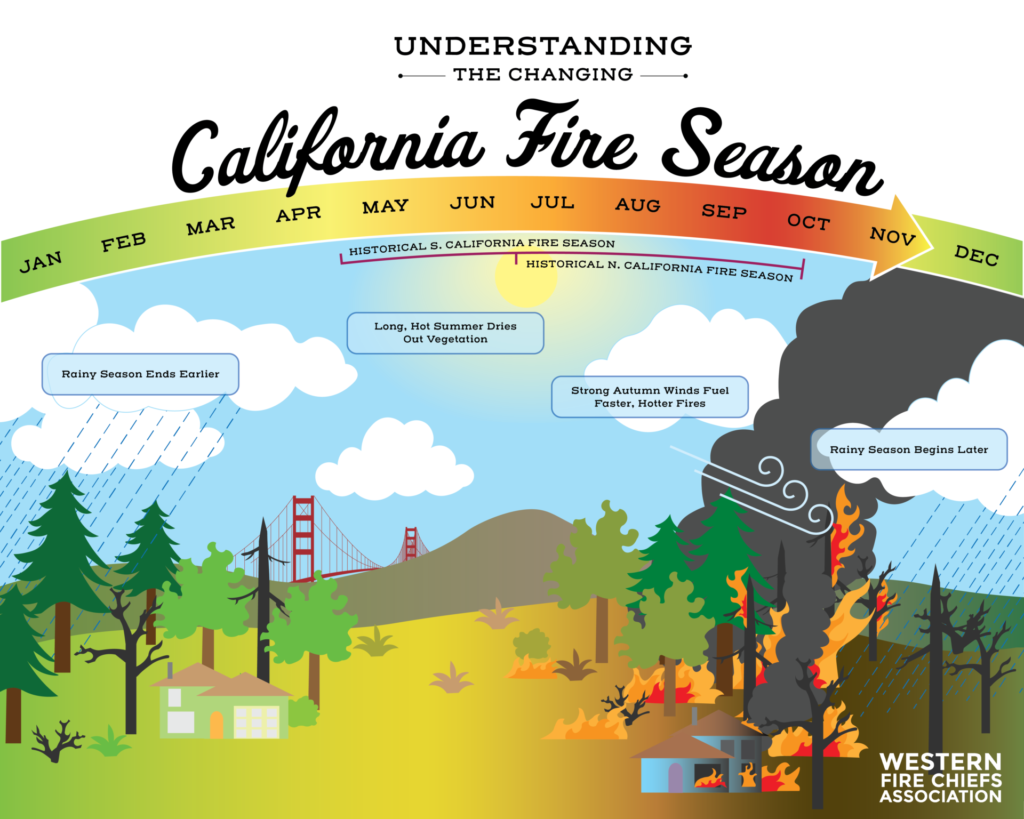
At the core of California’s wildfire conundrum is climate change. Global warming has undeniably altered weather patterns, creating conditions highly conducive to severe fire seasons. For tourists, this translates into potential disruptions to travel plans, smoky skies impacting air quality, and even the closure of popular attractions during peak fire events.
Prolonged Drought and Aridity
California has experienced extended periods of drought in recent decades, exacerbated by climate change. Less precipitation means less moisture in the soil and vegetation, transforming forests and wildlands into tinderboxes. For outdoor enthusiasts planning hikes in Yosemite National Park or exploring the vast expanses of the Tahoe National Forest, drought conditions increase the risk of fire-related closures, making flexible itineraries and real-time information crucial. The dry conditions also affect the natural beauty, with once-lush landscapes appearing parched, impacting the scenic experiences many tourists seek.
Elevated Temperatures and Heatwaves
Record-breaking heatwaves are becoming more common and intense across the state. High temperatures dry out vegetation rapidly and extend the fire season, pushing it beyond the traditional summer and fall months. This prolonged threat window means that even spring or late autumn trips to areas like Joshua Tree National Park could be affected. Tourists need to be aware that once-predictable weather patterns are no longer reliable, requiring constant vigilance regarding local conditions, especially if engaging in activities like camping, backpacking, or off-road adventures.
Changes in Wind Patterns
The infamous “Santa Ana winds” in Southern California and “Diablo winds” in the north are critical drivers of rapid fire spread. These hot, dry winds fan flames, making containment incredibly difficult and accelerating the growth of small fires into major incidents. For visitors exploring coastal routes like Big Sur or enjoying the wineries of Napa Valley, strong wind events, particularly during dry periods, signal heightened danger and often lead to evacuation orders or road closures, fundamentally altering the visitor experience.
Beyond Climate: Understanding Fuel and Ignition Sources
While climate change sets the stage, the actual ignition and spread of wildfires involve a complex interplay of natural and human factors. For tourists, recognizing these elements underscores the importance of responsible behavior and understanding the environmental context of their visit.
Fuel Accumulation and Forest Health
Centuries of fire suppression policies, coupled with changing logging practices, have led to an excessive buildup of dead trees, fallen leaves, and dense undergrowth in many of California’s forests. This “fuel load” acts as kindling, turning what might have been manageable brush fires into catastrophic infernos. When visiting forested areas, tourists should observe warnings about restricted access, understand fire risk levels, and appreciate the necessity of prescribed burns and forest thinning projects, which are essential for ecosystem health but can temporarily alter landscapes. The vision of healthy forests is part of the allure for many visitors, making the impacts of fuel accumulation a concern for sustainable tourism.
Natural Ignitions: Lightning
While human activity is responsible for the vast majority of ignitions, lightning strikes remain a natural cause, particularly in the drier, more remote regions of the Sierra Nevada during summer thunderstorms. These fires can start in inaccessible areas, burning for days before detection and posing risks to backcountry hikers or wilderness campers. Agencies like the U.S. Forest Service constantly monitor weather patterns for lightning potential, and visitors exploring remote trails should always be prepared for rapidly changing conditions and potential evacuation orders.
Human Activity: The Predominant Cause
The unfortunate truth is that human activity is the primary cause of most wildfires in California. This category encompasses a wide range of factors, many of which are preventable.
Electrical Infrastructure
Aging power lines, especially in windy conditions or areas with dense vegetation, can spark fires. Utilities are investing heavily in upgrades and shut-offs during high-wind events, but the risk remains. For urban tourists in Los Angeles or San Francisco, this can mean precautionary power outages during extreme fire weather, affecting accommodation and amenities.
Unattended Campfires and BBQ Grills
A single spark from an improperly extinguished campfire or an ill-placed barbecue can ignite a devastating blaze. Tourists recreating in designated campgrounds or picnic areas must adhere strictly to fire restrictions, which often include complete bans on open flames during dry periods. This responsibility is paramount for preserving the very natural beauty they have come to enjoy.
Equipment Use and Vehicles
Sparks from vehicle exhausts, catalytic converters, or mechanical equipment (e.g., chainsaws, grinders) can easily ignite dry grass. Visitors exploring off-road trails or working on recreational vehicles need to exercise extreme caution, especially when driving through areas with tall, dry vegetation.
Discarded Cigarettes and Arson
Carelessly discarded cigarettes remain a significant cause of roadside fires. Furthermore, a disturbing percentage of fires are intentionally set through arson, posing an unpredictable and tragic threat to communities and natural areas. Tourists should report any suspicious activity to local authorities immediately.
Navigating California Safely: Tips for Responsible Tourism
For the discerning traveler, understanding the causes of California’s wildfires isn’t just academic; it’s an essential part of responsible tourism. By being informed and prepared, visitors can enjoy the state’s wonders while minimizing risks and supporting local efforts.
Before and During Your Trip: Stay Informed
Always check fire conditions and air quality alerts for your intended destinations. Resources like Cal Fire, the National Weather Service, and AirNow.gov provide real-time updates. If traveling to areas prone to wildfires, consider travel insurance that covers fire-related cancellations or evacuations. Flexibility in travel plans, with alternative routes or destinations in mind, is advisable, especially during peak fire season. For instance, if mountain areas are experiencing high fire risk, a pivot to coastal cities or the Pacific Ocean might be a safer option.
Practice Fire-Safe Behavior
Adhere to all fire restrictions, whether posted at campgrounds, national forests, or local parks. This includes avoiding campfires when prohibited, properly disposing of cigarettes, and ensuring any vehicle or outdoor equipment is in good working order to prevent sparks. Educating yourself and your travel companions on these simple measures can prevent catastrophic events.
Support Local Communities Responsibly
When a wildfire impacts a region, the local economy, heavily reliant on tourism, suffers significantly. After an area is declared safe, returning to visit and support local businesses can be a powerful way to aid recovery. However, respect closures and recovery efforts, and avoid “disaster tourism” that impedes emergency services or recovery workers. Choose accommodations and tour operators committed to sustainable practices and community well-being.

The Future of Tourism in a Fire-Prone California
California’s majestic landscapes and vibrant culture will continue to beckon travelers worldwide. However, the increasing threat of wildfires necessitates a paradigm shift in how tourism operates and how visitors engage with the state. By understanding the intertwined causes – from the overarching influence of climate change to localized human ignition sources – tourists can become part of the solution rather than inadvertently contributing to the problem. Responsible, informed, and adaptable tourism is not merely a recommendation; it is the pathway to preserving the Golden State’s splendor for generations to come. This proactive approach ensures that the allure of California remains undimmed, even in the face of evolving environmental challenges.
LifeOutOfTheBox is a participant in the Amazon Services LLC Associates Program, an affiliate advertising program designed to provide a means for sites to earn advertising fees by advertising and linking to Amazon.com. Amazon, the Amazon logo, AmazonSupply, and the AmazonSupply logo are trademarks of Amazon.com, Inc. or its affiliates. As an Amazon Associate we earn affiliate commissions from qualifying purchases.