
Living the quintessential California lifestyle often conjures images of sun-drenched beaches, vibrant cities, and serene natural landscapes. However, for residents and those considering a move to the Golden State, understanding the environmental realities, particularly regarding wildfires, is an essential component of informed living. The question, “What is my fire zone number by zip code in California?” is not merely a technical inquiry but a fundamental step in ensuring personal safety, financial stability, and peace of mind within the California lifestyle. Your fire zone number, often tied to a broader designation known as Fire Hazard Severity Zones (FHSZ), significantly impacts everything from property insurance to home hardening requirements and personal preparedness strategies.
The California Wildfire Landscape: Why Fire Zones Matter for Lifestyle
California’s diverse topography, Mediterranean climate, and the wildland-urban interface (WUI) create a unique challenge: wildfire. For decades, wildfires have been an increasingly impactful aspect of life here, shaping landscapes, communities, and individual approaches to safety. Understanding your specific fire zone is paramount because it offers a granular view of the wildfire risk associated with your particular location. This information is not just for emergency responders; it empowers you, as a resident, to make critical lifestyle decisions.
Understanding Fire Hazard Severity Zones (FHSZ)
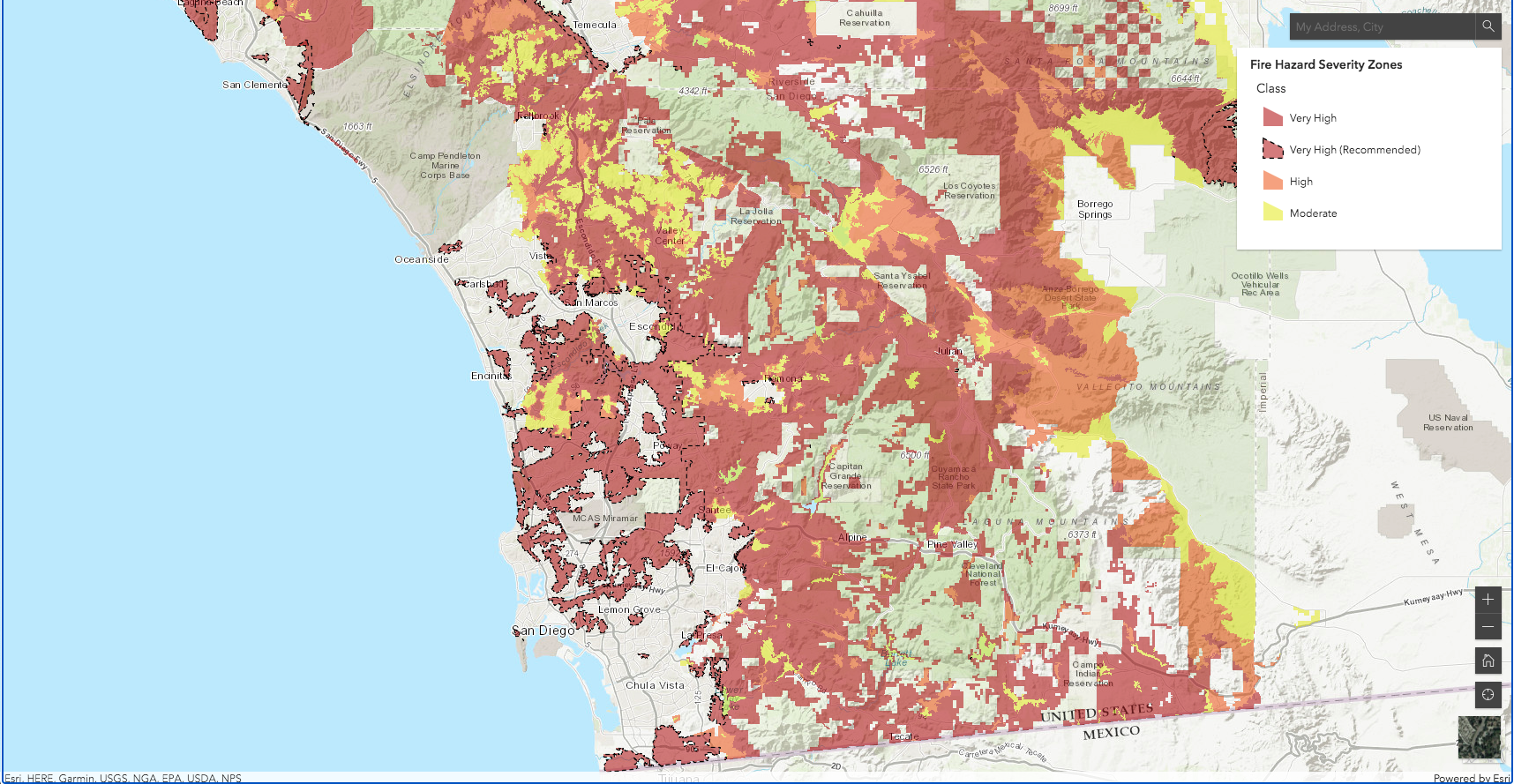
The state of California categorizes land into different Fire Hazard Severity Zones based on various factors, including fuel (vegetation), topography, and weather. These zones are developed by CAL FIRE (the California Department of Forestry and Fire Protection) and are crucial for guiding land-use planning, building codes, and emergency preparedness. There are generally three classifications within the FHSZ system:
- Moderate: Areas with a low to moderate risk of wildfire.
- High: Areas with a significant risk of wildfire.
- Very High: Areas with extreme risk, requiring the highest level of mitigation and preparedness.
Your specific “fire zone number” by zip code usually correlates with these broader FHSZ designations, indicating the level of vigilance and preventative measures required for a responsible and secure lifestyle in that area. Knowing where your property stands within this framework allows for proactive measures rather than reactive responses, fostering a more resilient and sustainable way of living.
Decoding Your Fire Zone: How to Find Your Number
Finding your specific fire zone information is more straightforward than it might seem, thanks to readily available online resources. This process is a vital first step for anyone concerned about their lifestyle and safety in California.
Official Resources for FHSZ Mapping
The primary and most reliable source for determining your fire zone is the CAL FIRE FHSZ Viewer. This interactive online tool allows you to input your address or zip code directly and visualize your property’s designation within the Fire Hazard Severity Zones.
- CAL FIRE FHSZ Viewer: Navigate to the official CAL FIRE website and locate their FHSZ maps. These maps provide detailed, parcel-specific information, clearly outlining whether your address falls into a Moderate, High, or Very High FHSZ.
- Local Government Websites: Many county and city planning departments in California also provide localized FHSZ maps or integrate CAL FIRE’s data into their own GIS portals. These can sometimes offer additional local overlays or specific ordinances relevant to your area.
- Insurance Company Inquiries: When seeking or renewing homeowner’s insurance, your insurance provider will certainly be aware of your property’s fire zone designation. They use this information to assess risk and determine policy eligibility and premiums. While not a primary lookup tool, it confirms your zone.
By utilizing these resources, you gain a clear understanding of your location’s wildfire risk profile, which is foundational to adapting your California lifestyle accordingly. This knowledge is not just for homeowners; renters, prospective buyers, and even short-term visitors can benefit from understanding the regional context.
Lifestyle Implications: Safety, Insurance, and Property
Your fire zone designation extends far beyond a mere map label; it profoundly influences critical aspects of your lifestyle in California. From the physical safety of your home and family to your financial well-being and property value, understanding these implications is key to responsible living.
Personal and Property Safety
Residing in a High or Very High Fire Hazard Severity Zone necessitates a proactive approach to safety. California building codes for new construction and substantial remodels in these zones often mandate specific fire-resistant materials for roofs, siding, windows, and decks. Existing homeowners are strongly encouraged, and in some cases required, to implement “defensible space” guidelines, which involve creating and maintaining a lean, clean, and green zone around their property. This includes removing dead vegetation, maintaining proper clearances for trees and shrubs, and ensuring easily accessible evacuation routes. Embracing these practices is not just about compliance; it’s about embedding a culture of preparedness into daily life, making safety a consistent lifestyle choice.
Insurance Challenges and Costs
The insurance landscape in California has been significantly impacted by increasing wildfire frequency and severity. Properties located in High or Very High Fire Hazard Severity Zones often face challenges in securing traditional homeowner’s insurance. Insurers may deny coverage, non-renew policies, or offer policies with substantially higher premiums and deductibles. This directly impacts household budgets and financial planning.
- High Premiums: Expect to pay more for insurance if you are in a higher risk zone.
- Limited Options: Fewer insurers may be willing to cover properties in Very High FHSZ areas.
- California FAIR Plan: For those unable to secure traditional insurance, the California FAIR Plan acts as an insurer of last resort, providing basic fire coverage. However, it often requires a supplemental policy for comprehensive coverage, further increasing costs.
Understanding your fire zone early allows you to budget effectively, explore all insurance options, and even factor these costs into purchasing decisions, ensuring that your chosen California lifestyle remains financially viable.
Property Value and Market Considerations
While often overlooked, a property’s fire zone designation can also subtly influence its market value and appeal, particularly in a volatile insurance market. Buyers are becoming increasingly savvy about wildfire risk, and properties in higher-risk zones may face longer selling times or require more competitive pricing. Conversely, demonstrating robust defensible space, home hardening measures, and a clear understanding of local emergency plans can enhance a property’s attractiveness and signal a responsible approach to living within the local environment.
Proactive Living: Preparing for Wildfire Season
A key aspect of embracing the California lifestyle, especially in higher Fire Hazard Severity Zones, is adopting a proactive stance toward wildfire preparedness. This isn’t just about emergency drills; it’s about integrating readiness into your daily routine and long-term planning.
Defensible Space and Home Hardening
These are your primary defenses. Defensible space involves clearing flammable vegetation and materials from around your home to reduce the risk of ignition. Home hardening means using fire-resistant materials and construction techniques to make your home less vulnerable to embers and direct flame contact. Regularly inspect and maintain these aspects of your property. This commitment transforms your living space into a more resilient haven, contributing to the safety of your family and community.
Emergency Planning and Communication
Every household in California should have a comprehensive emergency plan, especially those in higher fire zones.
- Evacuation Routes: Know at least two ways out of your neighborhood and practice them.
- Emergency Kit: Prepare a “go bag” with essential documents, medications, food, water, and clothing for at least 72 hours.
- Communication Plan: Establish how your family will communicate if separated.
- Alert Systems: Sign up for local emergency alerts, such as Nixle or county-specific warning systems, which provide real-time updates and evacuation orders.
Integrating these practices into your family’s routine creates a culture of preparedness, essential for maintaining peace of mind during wildfire season.
Making Informed Choices for a California Lifestyle
Ultimately, understanding your fire zone number by zip code in California is about making informed lifestyle choices. It’s about more than just knowing a risk; it’s about actively managing it. Whether you’re a long-time resident, considering a new home, or simply planning an extended stay, this knowledge empowers you to adapt, prepare, and thrive in the diverse and dynamic environment that is California.
Embracing the California lifestyle means appreciating its beauty while acknowledging its challenges. By taking the time to understand your specific fire zone, you are investing in your safety, your property’s security, and your long-term well-being, allowing you to enjoy all the Golden State has to offer with greater confidence and resilience.
LifeOutOfTheBox is a participant in the Amazon Services LLC Associates Program, an affiliate advertising program designed to provide a means for sites to earn advertising fees by advertising and linking to Amazon.com. Amazon, the Amazon logo, AmazonSupply, and the AmazonSupply logo are trademarks of Amazon.com, Inc. or its affiliates. As an Amazon Associate we earn affiliate commissions from qualifying purchases.