
When planning a visit to San Diego, California, understanding its postal geography, particularly zip codes, can significantly enhance your travel experience. While not a tourist attraction itself, a zip code acts as a crucial key to unlocking the nuances of different neighborhoods, streamlining navigation, and helping you pinpoint the ideal location for your stay, dining, and exploration. San Diego, a sprawling metropolis with diverse communities, uses a range of zip codes that delineate distinct areas, each offering a unique flavor and set of experiences for the discerning traveler.
Understanding San Diego’s Postal Geography
San Diego does not have a single, universal zip code but rather a collection of codes that segment the city and its surrounding areas. The primary zip codes associated with the central urban core typically begin with “921XX.” These five-digit codes are administered by the United States Postal Service (USPS) and are essential for everything from mail delivery to identifying specific residential and commercial zones. For travelers, grasping this geographical breakdown is invaluable for logistical planning and discovering the true essence of America’s Finest City.

The Primary San Diego Urban Core Zip Codes
The most frequently encountered zip code for visitors exploring Downtown San Diego and its immediate surroundings is 92101. This code encompasses the vibrant heart of the city, including the Gaslamp Quarter, Little Italy, the East Village, and the waterfront areas near Seaport Village and the USS Midway Museum. Understanding that 92101 represents this bustling hub immediately informs a traveler about the types of attractions, dining, and accommodation options available within that compact, walkable district. Other prominent central zip codes include 92103 (covering areas like Hillcrest and Mission Hills) and 92104 (home to the eclectic North Park and South Park neighborhoods). Each code serves as an identifier for a distinct community with its own character.
Why Zip Codes Matter for Travelers
For the traveler, zip codes are far more than just postal data. They are geographical markers that define neighborhoods, indicate proximity to attractions, and even hint at the local atmosphere and demographic.
- Location-Specific Planning: Knowing the zip code of your desired destination allows for precise mapping, ride-share bookings, and public transport route planning.
- Accommodation Search: Many hotel and vacation rental websites allow searching by zip code, helping you narrow down options to a specific area that matches your travel style and budget.
- Exploring Local Culture: Different zip codes often correspond to distinct cultural enclaves, each with unique restaurants, shops, and community events.
- Logistical Efficiency: From ordering food delivery to finding the nearest essential services, providing a zip code ensures accuracy and speed.
Navigating San Diego’s Diverse Neighborhoods Through Zip Codes
San Diego’s allure lies in its mosaic of neighborhoods, each with a unique identity. Zip codes serve as excellent proxies for these distinct areas, guiding travelers to experiences tailored to their interests.
Coastal Charm: From La Jolla to Pacific Beach
The prestigious coastal community of La Jolla is primarily associated with zip code 92037. Travelers looking for upscale boutiques, fine dining, stunning ocean views, and natural attractions like the La Jolla Cove and its resident seals and sea lions will focus their search here. Further south, the more laid-back, surf-centric vibe of Pacific Beach falls under 92109, a hub for nightlife, casual eateries, and long stretches of sandy beaches popular with younger crowds and sun-seekers. Its neighbor, Mission Beach, home to Belmont Park, also shares this zip code, offering classic boardwalk entertainment.
Urban Core and Downtown Adventures: 92101
As previously mentioned, 92101 is the quintessential Downtown San Diego zip code. This area is perfect for travelers who want to be in the thick of the action, with immediate access to convention centers, sports venues like Petco Park, and a plethora of dining and entertainment options in the Gaslamp Quarter. It’s also the launch point for harbor cruises and offers easy access to the ferry connecting to Coronado.
Cultural Hubs and Historical Significance
Venturing slightly north of downtown, zip code 92103 encompasses Hillcrest, known for its vibrant LGBTQ+ community, diverse restaurants, and unique shops, making it a cultural hotspot. Nearby 92104 covers North Park and South Park, areas celebrated for their craft breweries, independent boutiques, and thriving arts scenes. These neighborhoods offer a glimpse into San Diego’s dynamic local culture beyond the typical tourist paths. For those interested in historical charm and Mexican heritage, Old Town San Diego State Historic Park is found within the 92110 zip code, offering a journey back to the city’s origins.
Family-Friendly Retreats and Inland Explorations
For families or those seeking a quieter experience, zip codes further inland or slightly removed from the immediate coast can be ideal. For instance, Mission Valley, a central valley with major shopping centers and hotels, is typically covered by zip codes like 92108. It offers convenient access to freeways and attractions while being a slightly more budget-friendly option than coastal areas. The family-friendly attractions of Balboa Park, including the San Diego Zoo and numerous museums, are predominantly within the 92101 and 92104 areas, offering cultural richness within easy reach of many central locations.
Practical Applications for Your San Diego Visit
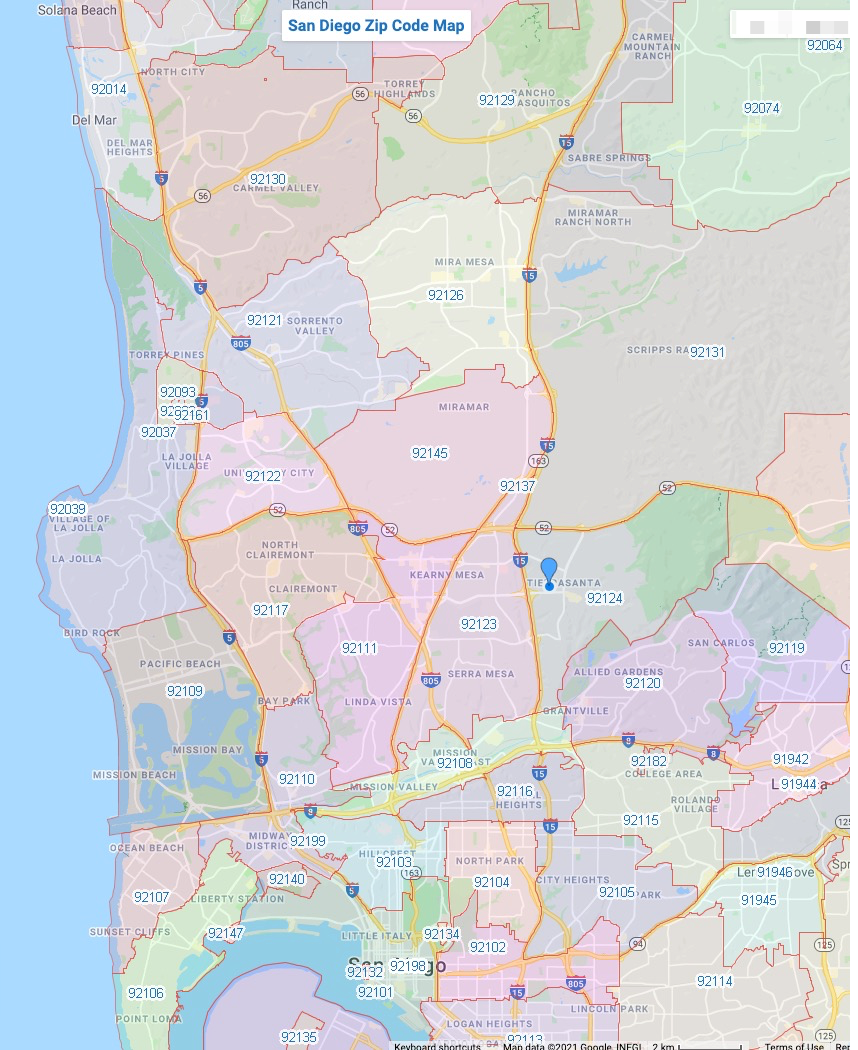
Leveraging zip code information effectively can make your San Diego trip smoother and more enjoyable.
Booking Accommodation: Pinpointing Your Ideal Stay
When searching for hotels or vacation rentals, inputting a specific zip code can dramatically refine your results. If you desire beachfront access and a lively atmosphere, searching for 92109 (Pacific Beach/Mission Beach) would be appropriate. For a sophisticated stay near high-end dining and shopping, 92037 (La Jolla) is your go-to. If proximity to convention centers or the nightlife of the Gaslamp Quarter is paramount, focus on 92101. This targeted approach ensures you book accommodation that perfectly aligns with your travel agenda.
Planning Transportation: Understanding Commute Times
Knowing the zip codes of your starting point and destination helps in estimating travel times, especially in a city known for its traffic at certain hours. Google Maps, Waze, and other navigation apps rely on these geographical identifiers to provide accurate directions and traffic advisories. Public transportation routes, including San Diego’s MTS trolley system and bus lines, are also designed around these postal divisions, making it easier to identify the most efficient routes between zip code zones.
Discovering Local Dining and Shopping: Neighborhood-Specific Experiences
Many online dining guides and shopping directories allow filtering by zip code. This feature is invaluable for travelers looking to experience local flavors and unique boutiques that might be off the main tourist circuit. For example, a search within 92104 might reveal a vibrant craft brewery scene or an artisanal coffee shop in North Park, whereas 92103 could lead you to diverse international cuisine in Hillcrest. This localized search deepens your immersion into San Diego’s culture.
Ensuring Deliveries and Services
Whether you need a ride-share service, food delivery from a local restaurant, or even to locate a specific post office or pharmacy, providing an accurate zip code ensures prompt and correct service. Ride-share apps automatically detect your location, but knowing the zip code of your destination can help confirm the accuracy and prevent misdirection, particularly in areas with similar street names.
Beyond the Main City: San Diego County’s Broader Scope
It’s important to remember that San Diego is not just the city itself but also the expansive San Diego County, which includes numerous other cities and towns, each with its own set of zip codes.
North County Coastal
Areas like Del Mar (92014), Encinitas (92024), and Carlsbad (92008, 92009, 92010, 92011) offer a distinct coastal experience north of the city. These communities are known for their beautiful beaches, surfing, and more relaxed, upscale suburban feel. Travelers looking for a quieter beach getaway or golf resorts might target these specific zip codes.
East County
Inland to the east, cities like El Cajon (primarily 92019, 92020, 92021) and La Mesa (91941, 91942) present a different facet of San Diego County, characterized by a more suburban landscape, often with warmer temperatures and closer proximity to hiking trails in the foothills.
South Bay
South of Downtown San Diego, the South Bay region includes cities like Chula Vista (e.g., 91910, 91911) and National City (91950), which offer their own cultural experiences, often influenced by their proximity to the U.S.-Mexico border. And, of course, the idyllic Coronado (92118), famous for the Hotel del Coronado and pristine beaches, holds its own unique charm and zip code.
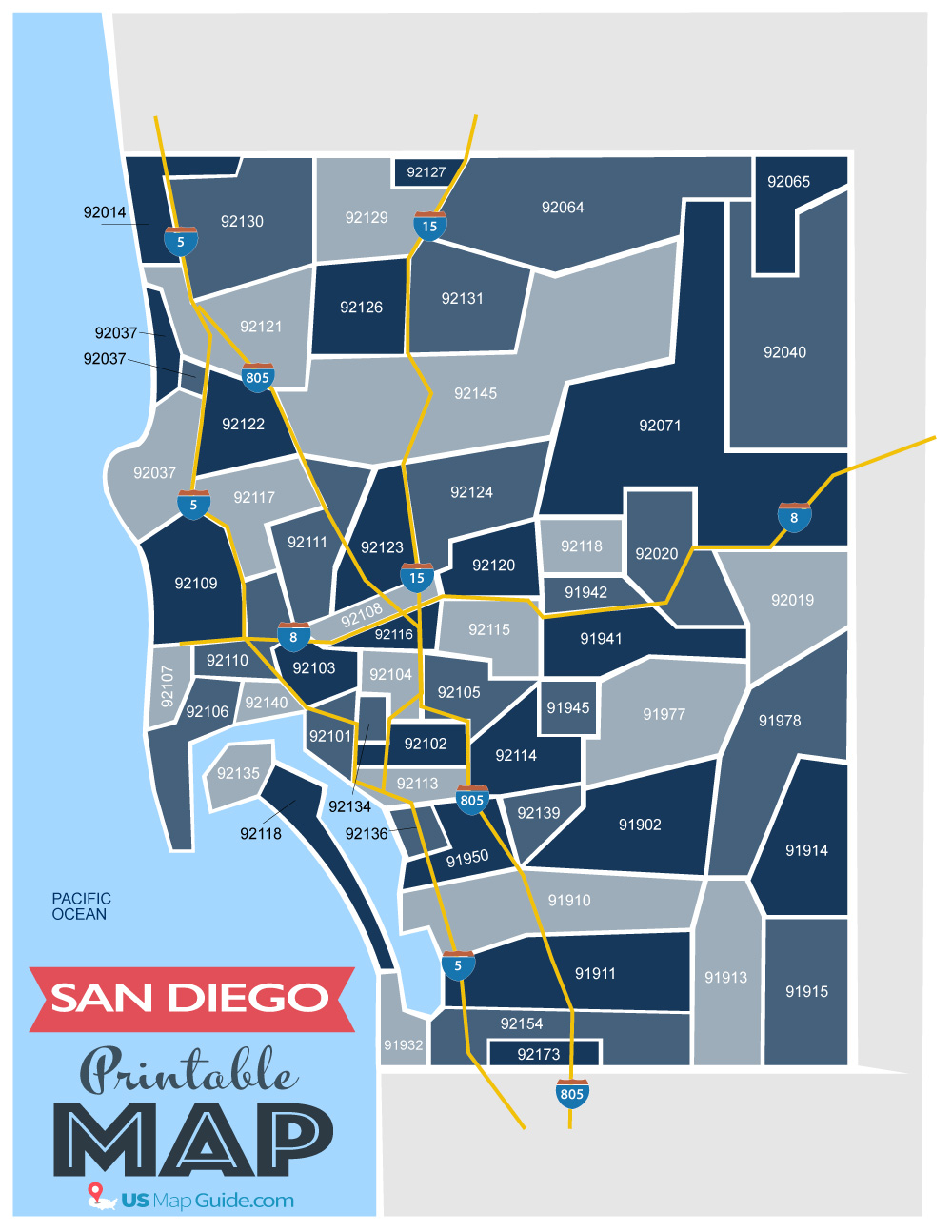
Tips for Utilizing Zip Code Information Effectively
- Cross-Reference: Always cross-reference zip codes with neighborhood names. While zip codes are precise, neighborhood names often carry more cultural and descriptive weight for travelers.
- Use Mapping Tools: Integrated mapping services on your smartphone or dedicated travel apps are indispensable for visualizing zip code boundaries and understanding their relationship to attractions.
- Consider Proximity: When booking, think about the zip code of your primary interest (e.g., Balboa Park’s museums) and find accommodations within a comfortable commuting distance or accessible via public transit from that zip code.
In essence, while the question “What is San Diego, California zip code?” doesn’t yield a single answer, the array of zip codes available provides a detailed geographical framework for exploring one of America’s most beautiful cities. By understanding and utilizing this information, travelers can navigate San Diego’s diverse landscape with greater confidence and purpose, ensuring a richer, more tailored travel experience.
LifeOutOfTheBox is a participant in the Amazon Services LLC Associates Program, an affiliate advertising program designed to provide a means for sites to earn advertising fees by advertising and linking to Amazon.com. Amazon, the Amazon logo, AmazonSupply, and the AmazonSupply logo are trademarks of Amazon.com, Inc. or its affiliates. As an Amazon Associate we earn affiliate commissions from qualifying purchases.