
California, often celebrated for its vibrant culture, diverse landscapes, and robust economy, beckons millions with its promise of the “Golden State” dream. However, the allure is frequently tempered by a significant consideration: the state’s notoriously high cost of living. For anyone contemplating a long-term stay or permanent relocation, understanding the average expenses, particularly concerning accommodation, is paramount to financial planning and setting realistic expectations. The cost of securing and maintaining a residence profoundly shapes the overall financial landscape for individuals and families in California.
Housing: The Primary Driver of California’s Cost of Living
Without question, housing constitutes the largest and most impactful component of the cost of living in California. Whether one opts for renting or homeownership, the expenses associated with shelter far exceed national averages, largely due to high demand, limited supply, and desirable locations.
Rental Market Overview
The rental market in California is intensely competitive and expensive, particularly in major metropolitan areas. For instance, in cities like San Francisco, Los Angeles, and San Jose, a one-bedroom apartment can easily command rents upwards of $2,500 to $3,500 per month, with two-bedroom units often exceeding $4,000. Even smaller, less central cities within these regions, such as Oakland or parts of Orange County, maintain high rental rates, albeit slightly lower than the absolute peak markets. Moving further inland to areas like Sacramento or the Central Valley, rents become more manageable, with one-bedroom apartments potentially found for $1,500 to $2,000, yet these are still elevated compared to many other states. These figures represent averages, and specific neighborhoods or newer developments can push prices even higher. Prospective long-term residents must factor in not just the base rent but also security deposits, which often equate to one to two months’ rent, and potential application fees.
Homeownership Landscape
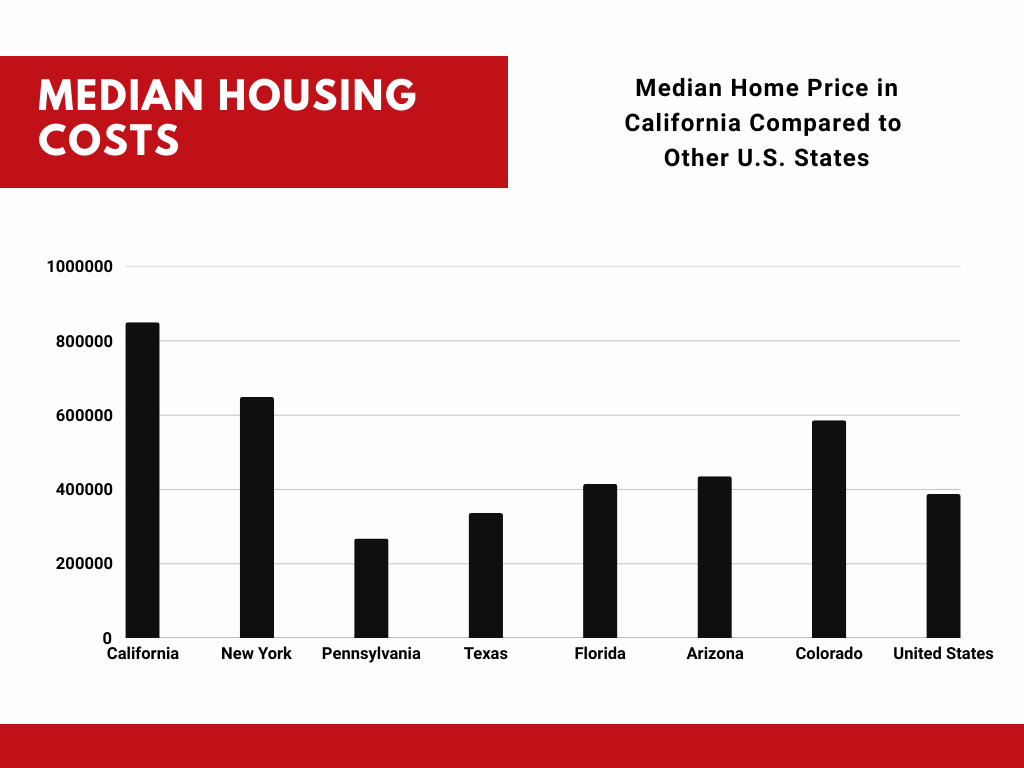
For those aspiring to homeownership, the barrier to entry in California is substantially higher. The median home price across the state routinely hovers around $800,000, though this average is significantly skewed by exorbitant prices in coastal and tech-heavy regions. In areas like San Francisco and Silicon Valley, the median home price can easily surpass $1.5 million or even $2 million, making homeownership a distant dream for many. Even in relatively more affordable major cities like San Diego, the median home price often exceeds $900,000. High home prices translate directly into higher mortgage payments, property taxes, and homeowners’ insurance, demanding a substantial down payment and a robust income stream to qualify. The dream of owning a detached single-family home in a desirable California city necessitates a formidable financial commitment, often leading many to consider condominiums, townhouses, or properties in outlying suburbs as more attainable options for long-term accommodation.
Regional Variances in Accommodation Costs
The vast geography of California creates significant regional disparities in accommodation costs. The most expensive regions are typically the coastal areas, particularly the San Francisco Bay Area and Southern California metropolitan hubs, driven by concentrated job markets, desirable climates, and limited land availability. Conversely, inland areas, especially the Central Valley and parts of Northern California further from the coast, offer considerably lower housing costs. For example, a home that costs $1.5 million in San Jose might be found for $400,000 in a city like Bakersfield or Fresno. This divergence means that the “average” cost of living is heavily influenced by the specific location chosen for long-term residence. Individuals prioritizing lower accommodation expenses often must weigh this against longer commutes, different job opportunities, and potentially less access to certain amenities or attractions prevalent in the pricier coastal zones. Understanding these regional nuances is crucial for any long-term planning related to residing in the state.
Beyond Rent: Utilities and Household Expenses
While housing costs dominate the discussion of California’s cost of living, a comprehensive understanding requires factoring in ongoing utility and household expenses. These recurring costs, while seemingly smaller individually, accumulate to a significant portion of a monthly budget, especially for long-term residents.
Essential Utility Costs
Electricity, natural gas, water, and waste management are fundamental utilities that contribute substantially to living costs. California has some of the highest electricity rates in the nation, driven by infrastructure investments, wildfire prevention measures, and the state’s reliance on renewable energy sources. A typical monthly electricity bill for a modest apartment can range from $80 to $150, escalating significantly during peak summer months for homes with air conditioning. Natural gas costs also vary seasonally, often higher in winter for heating. Water bills are dependent on usage and local municipal rates, which can be particularly high in drought-prone regions or areas with extensive water treatment infrastructure. Average water and sewer bills might range from $50 to $100 per month. Waste management and recycling services are usually combined, adding another $20 to $40 to the monthly household budget. Long-term residents in California must carefully manage their energy consumption and be prepared for these elevated utility expenses.
Internet and Communication
In today’s interconnected world, reliable internet and communication services are no longer luxuries but necessities for long-term accommodation. California offers a wide array of providers and speeds, but the cost for high-speed internet typically falls between $60 and $100 per month. Bundle packages that include cable TV or phone services can push this figure higher. Mobile phone plans are another essential communication cost, with individual plans ranging from $40 to $80 per month depending on data usage and carrier. For long-term residents, especially those working remotely or with families, these communication expenses are a fixed part of the monthly accommodation budget, often seen as non-negotiable for maintaining connectivity and convenience.
Home Maintenance and Services
For homeowners, the costs extend beyond utilities to include regular home maintenance. Property taxes are a significant annual expense, calculated as a percentage of the home’s assessed value and varying by county. While Proposition 13 limits property tax increases, the initial tax bill can be substantial on a high-value California home. Homeowners’ insurance is also mandatory and crucial, with premiums influenced by location (e.g., proximity to wildfire zones, earthquake faults) and ranging from $1,000 to $3,000 annually, sometimes higher. For both renters and owners, other household services such as pest control, landscaping (if applicable and not included in rent), and occasional repairs also contribute to the long-term cost of living. While not a fixed monthly bill, setting aside funds for these potential expenses is a prudent financial strategy for anyone planning a long-term stay in California.

The Impact of Accommodation on Overall Lifestyle Budget
The substantial cost of accommodation in California inevitably cascades into other aspects of a long-term resident’s lifestyle budget. Higher housing expenses mean a larger portion of income is allocated to shelter, leaving less for discretionary spending, transportation, food, and other necessities. Understanding this ripple effect is key to evaluating the true average cost of living.
Commuting and Transportation Costs
For many California residents, particularly those who seek more affordable housing outside major urban centers, commuting becomes an unavoidable part of daily life. This translates to significant transportation costs. Gasoline prices in California are consistently among the highest in the nation due to state taxes and environmental regulations. A daily commute can easily result in fuel expenses of $200 to $400 per month. Vehicle insurance is also relatively expensive in the state, averaging over $2,000 per year, influenced by urban density and accident rates. Furthermore, maintenance, depreciation, and potential parking fees, especially in cities like San Francisco or Los Angeles, add to the burden. While public transportation options exist in major cities, they may not cover all routes or be as convenient as personal vehicles, often leading residents to budget for significant car-related expenses when living long-term in the state.
Groceries and Everyday Necessities
Even seemingly universal costs like groceries are elevated in California, partly due to higher operational costs for retailers, including rent and labor, which are passed on to consumers. A household’s monthly grocery bill can be 10-20% higher than the national average. Essentials like milk, bread, and fresh produce often carry a premium. Beyond food, personal care items, clothing, and other everyday necessities can also see slight price increases. While judicious shopping, discount stores, and local markets can help mitigate these costs, long-term residents must still budget a higher amount for their basic needs compared to most other states. The high cost of accommodation directly contributes to this phenomenon, as businesses also face steep rents and operating expenses, forcing them to price their goods and services accordingly.
Taxes and Insurance Considerations
Beyond property taxes for homeowners, California has a progressive state income tax structure, with some of the highest marginal rates in the country, reaching over 13% for top earners. This significantly impacts disposable income for long-term residents. Sales tax is also high, typically ranging from 7.25% to 10.75% depending on the county, affecting nearly all purchases. Healthcare costs, even with insurance, can be substantial, and the average premiums for health, dental, and vision insurance plans contribute to the overall budget. While not directly tied to accommodation, these broad tax and insurance expenses reduce the effective income available to cover high housing costs and other living expenses, making the overall financial landscape for long-term residents in California particularly challenging.
Strategies for Managing Long-Term Accommodation Costs in California
Given the high cost of living, particularly accommodation, in California, strategic planning is essential for anyone considering a long-term stay. Several approaches can help mitigate the financial burden and make living in the Golden State more sustainable.
Exploring More Affordable Regions
One of the most effective strategies is to broaden the search for accommodation beyond the prime coastal cities. While the allure of San Francisco, Los Angeles, or San Diego is strong, significant savings can be found in inland cities or less glamorous suburbs. For example, the Central Valley cities like Sacramento, Fresno, or Bakersfield offer considerably lower housing costs for both rentals and homeownership. Even within major metropolitan areas, exploring towns further out, which might entail a longer commute, can lead to substantial reductions in rent or mortgage payments. This trade-off between location desirability and financial feasibility is a common decision for long-term residents aiming to manage their California expenses.
Roommate and Shared Living Arrangements
For individuals, particularly younger professionals or students, shared living arrangements are a prevalent and highly effective way to reduce accommodation costs. Renting a room in a multi-bedroom apartment or house can cut individual housing expenses by 30-60% compared to renting a studio or one-bedroom unit independently. Websites and apps dedicated to roommate matching are popular resources in California’s competitive rental market. This strategy not only makes rent more affordable but also often splits utility bills and other household expenses, providing a substantial financial relief for those establishing a long-term residence in the state.
Leveraging Remote Work Flexibility
The rise of remote work has opened new possibilities for managing California’s high accommodation costs. Individuals whose jobs offer geographical flexibility can choose to live in more affordable regions of the state while still benefiting from a California-based salary, if applicable. This allows for accessing higher wages often associated with the state’s tech and innovation hubs, without being tethered to their expensive housing markets. For long-term residents, working remotely from a less costly area like the Central Valley or a smaller Northern California town can significantly improve their financial well-being, effectively making the high California cost of living more manageable while retaining access to the state’s amenities and opportunities.
Conclusion: Balancing Desirability with Financial Reality
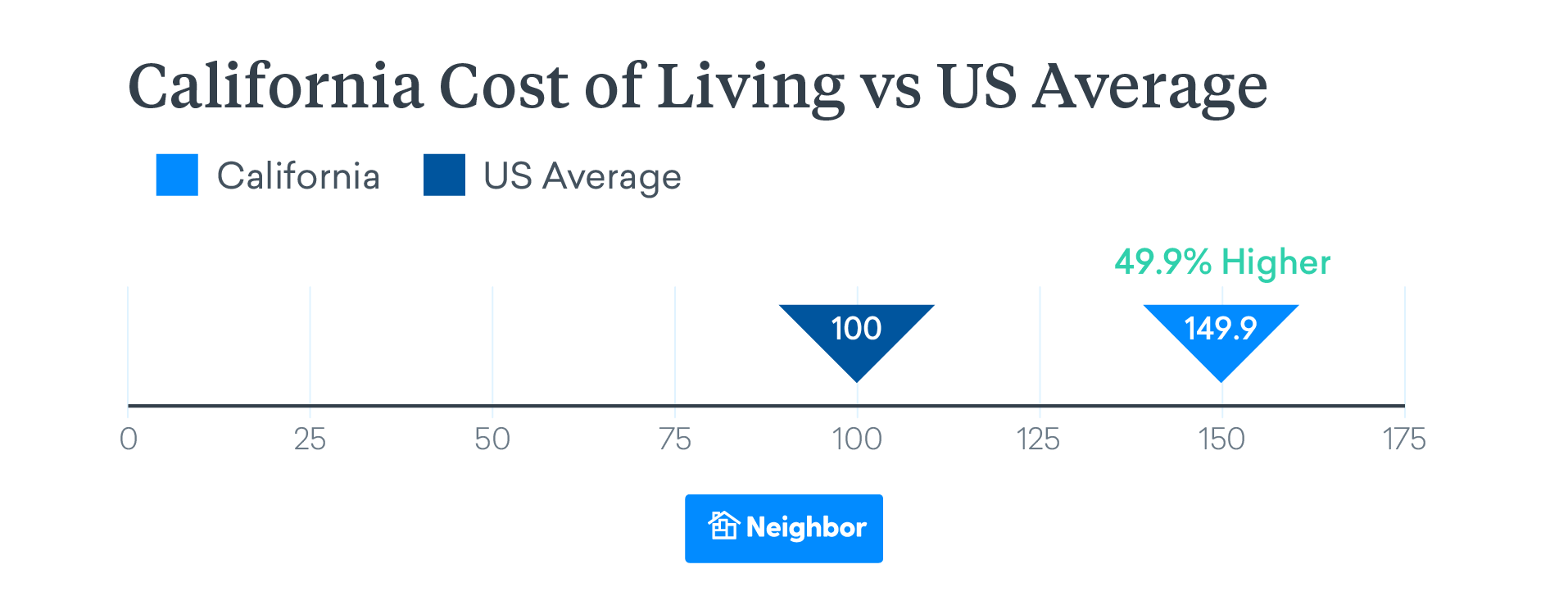
The average cost of living in California is undeniably high, predominantly driven by steep accommodation expenses that permeate both the rental and homeownership markets. From the exorbitant rents in San Francisco and Los Angeles to the challenging home prices across major metropolitan areas, housing demands a significant portion of a long-term resident’s income. This pressure extends beyond basic shelter, influencing utility costs, transportation budgets, grocery prices, and overall tax burdens.
For those considering a long-term stay in the Golden State, a thorough understanding of these financial realities is crucial. While the opportunities and lifestyle benefits are considerable, they come with a substantial price tag. Strategic planning, such as exploring more affordable regions like Sacramento or the Central Valley, embracing shared living arrangements, or leveraging remote work flexibility, can help mitigate these costs. Ultimately, successfully navigating the California cost of living involves a careful balance between the desire to experience the state’s unique appeal and a pragmatic approach to managing one’s financial resources for sustainable, long-term accommodation.
LifeOutOfTheBox is a participant in the Amazon Services LLC Associates Program, an affiliate advertising program designed to provide a means for sites to earn advertising fees by advertising and linking to Amazon.com. Amazon, the Amazon logo, AmazonSupply, and the AmazonSupply logo are trademarks of Amazon.com, Inc. or its affiliates. As an Amazon Associate we earn affiliate commissions from qualifying purchases.