
Navigating the local laws and customs of any destination is a crucial aspect of responsible tourism, and California is no exception. For visitors eager to explore the Golden State’s vibrant cities, stunning natural landscapes, and renowned culinary scene, understanding the alcohol limits and related regulations is paramount. These laws are designed to ensure public safety and can significantly impact a tourist’s experience, from enjoying a glass of Napa Valley wine to a night out in Los Angeles. Being informed helps visitors avoid legal troubles, ensure their safety, and fully appreciate their California adventure.
Navigating California’s Blood Alcohol Content (BAC) Limits for Tourists
The cornerstone of California’s alcohol laws, particularly concerning driving, revolves around the Blood Alcohol Content (BAC) limit. This limit dictates the maximum amount of alcohol permissible in a person’s bloodstream while operating a vehicle. For tourists, who might be renting cars, driving their own vehicles, or even considering ride-sharing options, understanding these thresholds is critical for both legal compliance and personal safety. The consequences of exceeding these limits are severe, potentially leading to fines, license suspension, and even jail time, which can quickly derail a carefully planned vacation.
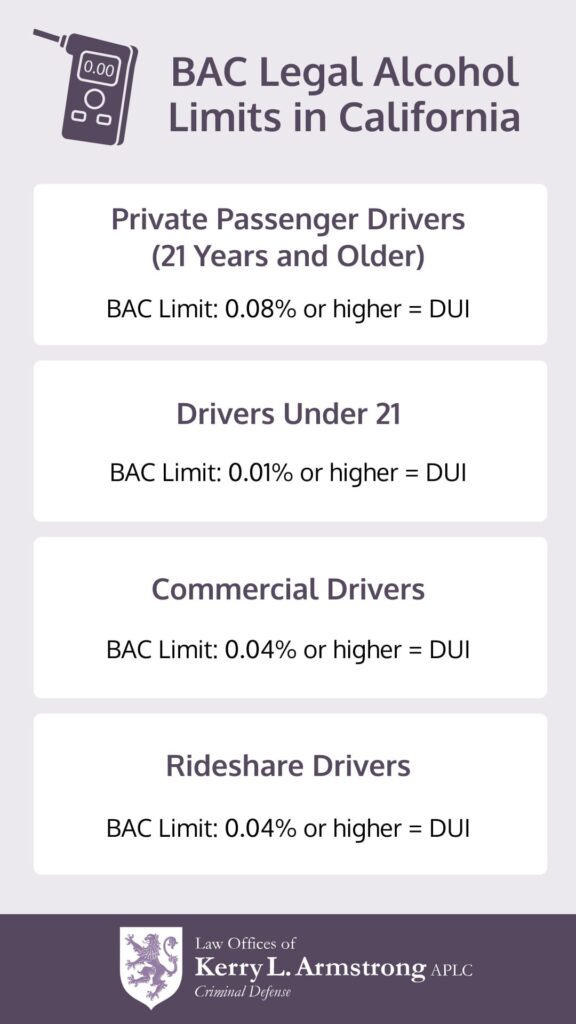
The Standard .08% BAC Limit
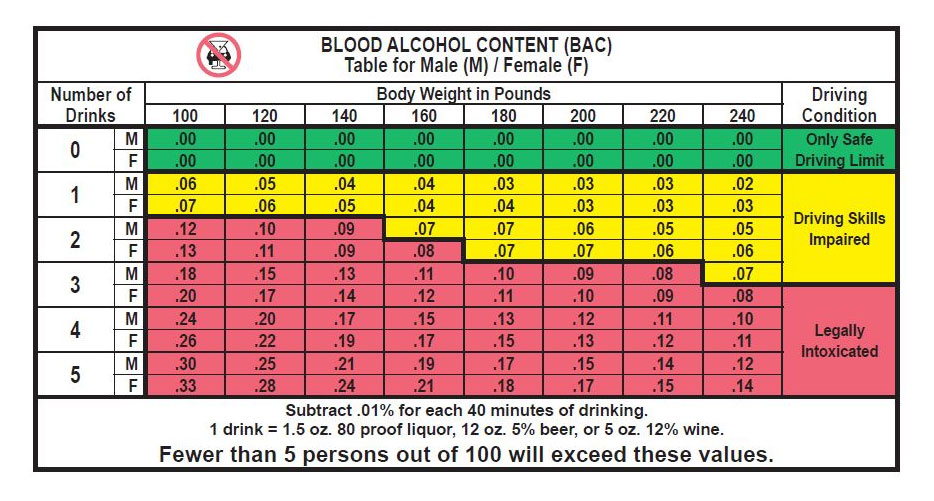
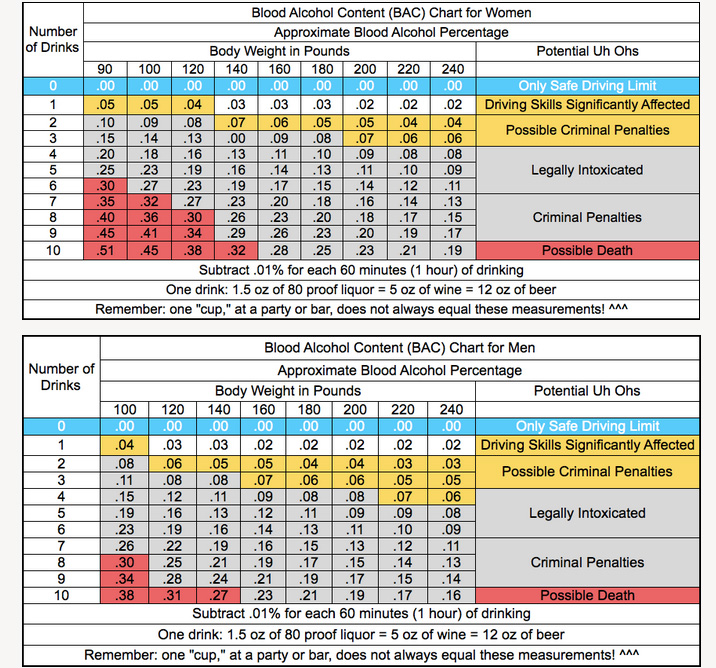
For most drivers aged 21 and over, the standard legal limit for driving under the influence (DUI) in California is a BAC of .08%. This means that if a driver’s blood alcohol concentration measures .08 grams of alcohol per 100 milliliters of blood, they are legally considered impaired. It’s important to understand that impairment can begin long before reaching this legal limit, with even a small amount of alcohol affecting judgment, reaction time, and coordination. The .08% threshold is a legal marker, not an indicator of safe driving ability. Factors like body weight, metabolism, gender, and the amount of food consumed can all influence how quickly an individual’s BAC rises. Tourists should never rely on rough estimates of how many drinks they can have before driving, as individual responses vary widely. The safest approach is always to avoid driving after consuming any alcohol.
Specific Limits for Commercial and Underage Drivers
California imposes even stricter BAC limits for certain categories of drivers, underscoring the state’s commitment to road safety. For individuals operating a commercial vehicle, such as trucks, buses, or limousines, the legal BAC limit is significantly lower at .04%. This is particularly relevant for business travelers or those visiting California for commercial purposes who might be driving company vehicles or heavy machinery. The rationale behind this stricter limit is the increased responsibility associated with operating larger vehicles and transporting passengers or goods.
Furthermore, California enforces a “Zero Tolerance” law for drivers under the age of 21. For this demographic, the BAC limit is a mere .01%. This effectively means that any detectable amount of alcohol in the system of an underage driver can lead to legal penalties. This law aims to discourage underage drinking and driving, which remains a serious public safety concern. Tourists traveling with young adults or those under 21 who might consider driving should be acutely aware of this stringent rule, as even a sip of alcohol could lead to legal repercussions. These specific limits highlight the comprehensive nature of California’s approach to preventing alcohol-related driving incidents across all demographics.
Beyond Driving: Open Container Laws and Public Consumption
While BAC limits for driving are well-known, California’s alcohol laws extend far beyond just vehicle operation. Tourists must also be aware of regulations concerning open containers and public consumption, which can differ significantly from rules in other states or countries. Misunderstanding these laws can lead to unexpected fines and legal issues, impacting the overall travel experience.
Public Open Container Restrictions
Generally, it is illegal to possess an open container of alcohol or consume alcoholic beverages in public places in California. This includes streets, sidewalks, parks, beaches, and other public areas not explicitly licensed for alcohol consumption. This can sometimes catch visitors off guard, especially those from places where public drinking is more common. For instance, enjoying a beer on a scenic beach or a glass of wine in a park might seem harmless, but in most areas of California, it’s prohibited.
Within a vehicle, the “open container” rule is even stricter. It is illegal for any driver or passenger to have an open container of alcohol in the passenger compartment of a vehicle, whether it’s moving or parked. An “open container” is defined as any container of an alcoholic beverage that has been opened, has a broken seal, or from which some of the contents have been removed. This means that even a partially consumed bottle of wine or an open beer can that is accessible to anyone in the car (not in the trunk) can lead to a violation. There are some exceptions for passengers in specific types of vehicles, such as limousines, buses, or motorhomes that are designed for passenger transport, where the container is kept in an area distinct from the driver’s compartment. For the typical tourist renting a car, it’s safest to transport all alcoholic beverages sealed and stored in the trunk.
Designated Drinking Areas and Events
Despite the general prohibitions, California does provide specific venues and events where alcohol consumption in public is legally permitted. Many restaurants and bars feature outdoor patios or rooftop spaces where patrons can enjoy alcoholic beverages within the confines of the establishment’s license. Similarly, numerous festivals, concerts, and public events obtain special permits that allow for the sale and consumption of alcohol within designated areas.
When visiting a specific tourist attraction or attending an event, it’s always wise to check the local regulations or the event’s guidelines regarding alcohol. For example, some beaches in San Diego or Los Angeles may have specific zones or limited hours during which alcohol consumption is permitted, while most are entirely dry. Wineries in Napa Valley and Sonoma County offer tasting rooms and designated outdoor areas for sampling their products. Understanding and respecting these boundaries ensures a smooth and enjoyable experience, allowing tourists to partake in California’s vibrant social scene without running afoul of the law.
Underage Drinking and Identification Requirements
For visitors traveling with younger companions or those who are under the legal drinking age themselves, understanding California’s strict rules regarding underage drinking and identification is crucial. These laws are rigorously enforced to protect minors and prevent alcohol-related harm.
The 21-Year-Old Drinking Age
In California, as throughout the United States, the legal drinking age is 21. This means individuals must be 21 years or older to purchase, possess, or consume alcoholic beverages. This law is strictly enforced across all establishments, from grocery stores to high-end restaurants and bustling nightclubs. There are virtually no exceptions for consumption on private property, even with parental consent, unlike in some other countries or states. For tourists, this implies that anyone under 21, even if they are legally allowed to drink in their home country, cannot legally consume alcohol in California.
The penalties for underage drinking or possession can be significant. Minors caught consuming or possessing alcohol may face fines, community service, mandatory alcohol education programs, and even the suspension of their driving privileges, even if they weren’t driving at the time. Furthermore, anyone caught providing alcohol to a minor, whether knowingly or unknowingly, can face substantial fines, jail time, and the suspension or revocation of their liquor license if they are an establishment. This is why businesses are so vigilant in checking IDs.
Strict ID Checks and Falsified IDs
Bars, restaurants, liquor stores, and any establishment selling alcohol in California are notoriously strict about checking identification. It is standard practice to “card” anyone who appears to be under 30 or even 40 years old. Tourists should always carry a valid, government-issued photo ID, such as a passport, a state-issued driver’s license, or a national ID card. Photos of IDs on phones or expired documents are typically not accepted.
Visitors should be prepared to present their ID every time they purchase or are served alcohol. This strictness is not meant to be inconvenient; it’s a legal requirement for businesses, and they face severe penalties if they serve alcohol to minors. Attempting to use a falsified or someone else’s ID to purchase alcohol is a serious offense in California. It can lead to arrest, fines, and legal charges, which can have long-lasting consequences and undoubtedly ruin a vacation. Tourists should advise younger family members or friends to refrain from any attempts to circumvent these identification checks.
Safety, Consequences, and Responsible Tourism Tips
Understanding California’s alcohol limits and laws is not just about avoiding legal trouble; it’s fundamentally about ensuring personal safety and contributing to a positive tourism experience for everyone. Disregarding these regulations can lead to serious consequences that extend far beyond a simple fine.
Legal Consequences for Violations
The legal ramifications for violating California’s alcohol laws can be severe and far-reaching for tourists:
- DUI/DWI: A conviction for driving under the influence (DUI) or driving while intoxicated (DWI) can result in substantial fines (often thousands of dollars), mandatory attendance at alcohol education programs, probation, temporary or permanent suspension of driving privileges in California, and potentially even jail time. For international visitors, a DUI conviction can impact future travel to the United States.
- Open Container Violations: While less severe than a DUI, an open container violation in a vehicle or public place can lead to fines and a misdemeanor charge, which still creates a criminal record and can be an unwelcome burden during a vacation.
- Underage Drinking/Providing Alcohol to Minors: These offenses carry significant penalties, including fines, community service, and potential license suspension for minors. Adults who provide alcohol to minors can face much harsher consequences, including large fines and jail sentences.
These legal battles can be costly, time-consuming, and emotionally draining, turning a dream vacation into a nightmare.
Tips for a Safe and Enjoyable California Visit
To ensure a memorable and trouble-free trip to California, particularly when alcohol is involved, consider these responsible tourism tips:
- Plan Your Transportation in Advance: If you plan to drink any alcohol, even just one drink, do not drive. Utilize California’s extensive public transportation options, such as buses and trains, or rely on ride-sharing services like Uber and Lyft, which are readily available in most urban and tourist areas. Designate a sober driver if you’re traveling in a group.
- Pace Yourself and Stay Hydrated: Understand your personal limits. California is known for its sunshine and often warm climate, which can intensify the effects of alcohol. Alternate alcoholic beverages with water or non-alcoholic drinks, and ensure you eat food while drinking.
- Know Local Rules for Specific Areas: Before heading to a beach, park, or specific event, quickly check online for local alcohol consumption rules. These can vary significantly even within neighboring cities or counties.
- Always Carry Valid ID: As mentioned, strict ID checks are standard. Keep your passport or driver’s license on you, securely, to avoid issues when purchasing or consuming alcohol.
- Embrace Non-Alcoholic Options: California boasts a fantastic array of mocktails, craft sodas, and non-alcoholic beers and wines. Don’t feel pressured to drink alcohol to enjoy the state’s vibrant social scene.
- Don’t Drink and Drive – Ever: This cannot be stressed enough. The legal and personal consequences are too great. Prioritize your safety and the safety of others on the road.
Embracing California’s Diverse Culinary and Beverage Scene Responsibly
California offers an incredible array of culinary and beverage experiences, from world-renowned wineries to innovative craft breweries and diverse dining scenes. Understanding and respecting the state’s alcohol limits and laws allows tourists to fully immerse themselves in these offerings safely and responsibly.
World-Class Wineries and Breweries
The state is home to iconic wine regions like Napa Valley and Sonoma County, as well as burgeoning craft brewery scenes in cities like San Diego and Los Angeles. Tourists flock to these areas to sample exquisite wines and innovative beers. When visiting tasting rooms, remember that samples, even small ones, contribute to your BAC. It is highly recommended to book a guided wine or brewery tour that includes transportation or to designate a sober driver if you plan on participating in tastings. Many tour operators specifically cater to this need, providing a safe and educational way to explore the region’s beverage landscape. Enjoying the nuanced flavors and learning about the production process is part of the experience, but safety should always be the priority.
Fine Dining and Nightlife
California’s cities boast some of the finest restaurants and most dynamic nightlife in the world. Enjoying a cocktail with dinner or experiencing a lively bar scene is a quintessential part of many visitors’ itineraries. When planning a night out, consider its entirety. Have a clear plan for how you will get to and from your accommodation. Many upscale establishments are accustomed to tourists and can assist with calling taxis or ride-shares. Engage with the local culture, savor the incredible food and drink, but always do so with an awareness of your limits and the laws. By being informed and making responsible choices, tourists can ensure their California visit is not only enjoyable but also safe and respectful of the local community.
LifeOutOfTheBox is a participant in the Amazon Services LLC Associates Program, an affiliate advertising program designed to provide a means for sites to earn advertising fees by advertising and linking to Amazon.com. Amazon, the Amazon logo, AmazonSupply, and the AmazonSupply logo are trademarks of Amazon.com, Inc. or its affiliates. As an Amazon Associate we earn affiliate commissions from qualifying purchases.