
For any visitor planning a trip to the Golden State, understanding the local economic landscape is just as crucial as knowing which attractions to visit or where to find the best local cuisine. Among the practical tips essential for a smooth and enjoyable California experience is a grasp of the state sales tax rate. This often-overlooked detail can significantly influence your budgeting for everything from souvenirs to meals, and even daily essentials bought during your stay. California has a unique structure for its sales tax, combining a statewide base rate with additional local district taxes, leading to varying figures depending on your specific destination within the state. For tourists, being aware of these rates empowers better financial planning, ensuring that unexpected charges don’t detract from the magic of exploring iconic cities and breathtaking natural wonders.
Understanding California’s Base Sales Tax
At the heart of California’s sales tax system is a statewide base rate that applies uniformly across all cities and counties. This fundamental percentage is the starting point for calculating sales tax on most tangible goods purchased within the state. However, it’s important to differentiate this from other taxes tourists might encounter, such as transient occupancy taxes levied on hotel stays, which are entirely separate. The sales tax specifically targets retail purchases and certain services, making it a direct cost for nearly every transaction a tourist might make outside of their accommodation.
The Statewide Standard
As of the current period, the statewide base sales tax rate in California is 7.25%. This means that for every dollar you spend on taxable goods, an additional 7.25 cents is collected for state revenue. This rate is set by the California Legislature and applies to all retail sales of tangible personal property unless specifically exempted. Understanding this baseline is crucial, as it forms the irreducible minimum sales tax you will pay anywhere in California. Whether you’re buying a postcard in a gift shop in San Francisco, a t-shirt near the Disneyland Resort, or groceries in Sacramento, this 7.25% will always be part of the final price on taxable items.
How Sales Tax Affects Tourist Purchases
For visitors, the sales tax rate directly impacts the cost of a wide array of purchases. This includes, but is not limited to, souvenirs, clothing, electronics, restaurant meals (excluding separately stated tips), snacks from convenience stores, and tickets to many attractions if they involve a tangible good component (though most admission fees for services are often exempt from sales tax). Consider a family vacationing in California. Every meal out, every gift from a museum shop, and every piece of specialized gear bought for exploring Yosemite National Park will have this tax applied. While 7.25% might seem modest on a single small purchase, these small amounts can accumulate quickly over a multi-day trip, especially for those indulging in shopping or dining out frequently. Therefore, when estimating daily expenses, it’s wise to factor in this additional percentage to avoid any surprises at the cash register.
Navigating Local District Sales Taxes
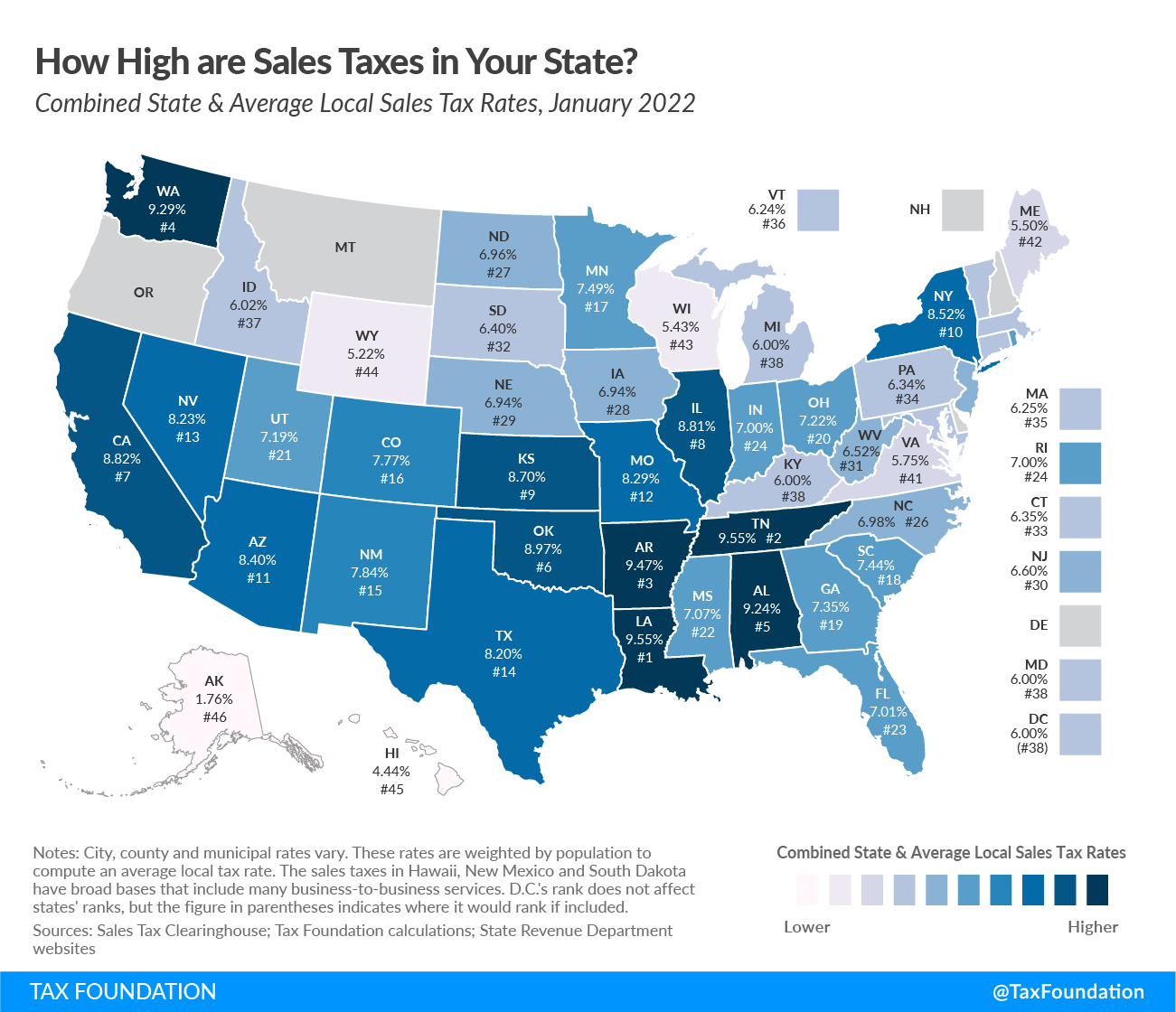
While the 7.25% statewide rate provides a common foundation, the total sales tax rate a tourist pays in California can actually be significantly higher. This is due to the imposition of local district sales taxes, which are additional taxes levied by counties, cities, and special districts. These local add-ons fund various local services and initiatives, and they can vary dramatically from one municipality to another, sometimes even within the same county. This patchwork of rates is one of the most important aspects for tourists to understand, as it means the final price of an item can differ based on where it’s purchased.
Why Rates Vary Across California
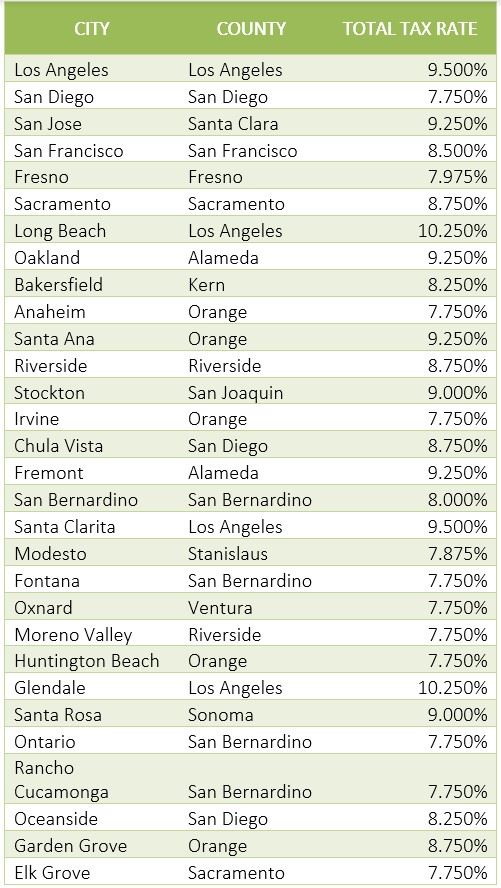
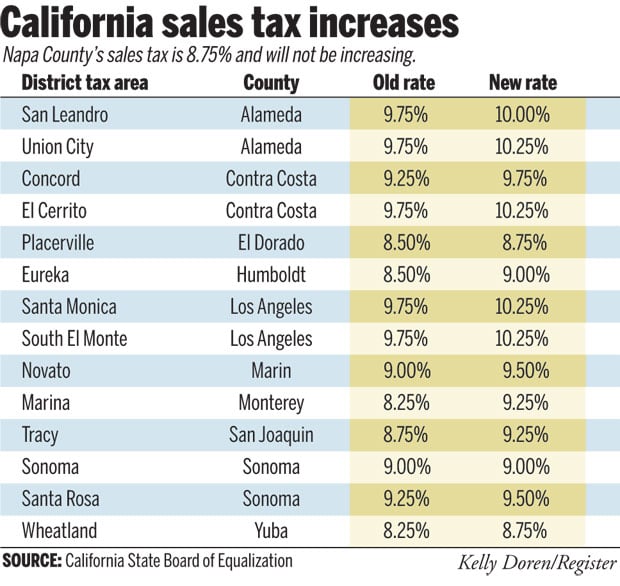
The variance in sales tax rates stems from the ability of local jurisdictions to impose their own additional taxes on top of the state’s base rate. These local taxes are typically approved by voters or local government bodies to fund specific projects or general services, such as public safety, transportation improvements, or local infrastructure. For example, a city might implement a half-cent sales tax to fund a new public transit system, while a neighboring city might have a different rate to support local schools. These district taxes can range from a quarter-cent to over two percent, stacking on top of the 7.25% state rate. Consequently, the combined sales tax rate in some parts of California can exceed 10%. This system means that what you pay for a souvenir in Los Angeles might be different from the same item purchased in Orange County or San Diego, even if both are popular tourist areas.
Impact on Popular Tourist Destinations
For visitors traversing the state, these local variations become particularly relevant. Major tourist hubs often have some of the highest combined sales tax rates. In areas like Los Angeles and many parts of the San Francisco Bay Area, total sales tax rates have historically climbed above 9% and even towards 10.25% or higher in specific cities. This means that if you purchase an item costing $100, you could pay over $10 in sales tax in some locales, compared to just $7.25 in an area with only the base state rate.
Consider the example of shopping for a high-value item, like a piece of art or specialized outdoor gear. A $500 purchase could incur an additional $10-$15 in tax merely by crossing a city or county line. While it’s impractical for tourists to meticulously research the sales tax rate of every single town they pass through, being aware that rates fluctuate can help manage expectations. Generally, densely populated urban centers and areas with significant tourist traffic tend to have higher overall sales tax rates due to greater demands on local services and infrastructure. Therefore, when planning shopping sprees or estimating dining costs in prominent cities such as Los Angeles, San Francisco, or San Diego, it’s prudent to assume a higher sales tax percentage than the state’s baseline.
Exemptions and Special Considerations for Visitors
Understanding what is and isn’t subject to California sales tax can further refine a tourist’s budgeting strategy. Not everything purchased or consumed in the state will have sales tax applied, and some common tourist expenditures are notable exceptions. Knowing these distinctions can help prevent over-budgeting for tax or, conversely, being caught off guard by unexpected charges.
What’s Taxable and What’s Not
The fundamental rule in California is that sales tax is generally applied to the retail sale of tangible personal property. This broadly covers most physical items you can buy, such as souvenirs, clothing, electronics, books, and pre-packaged food items. However, there are significant exemptions. Most notably, basic groceries for home consumption are typically exempt from sales tax. This means buying fresh produce, meats, or pantry staples from a supermarket will not incur sales tax, which can be a relief for tourists planning to self-cater part of their trip. Prepared food and drinks consumed on-site or purchased for immediate consumption (like at a restaurant or a fast-food establishment) are generally taxable, often including the cost of non-alcoholic beverages.
Another key exemption often relevant to tourists involves certain “casual sales” between private parties, though this rarely impacts typical retail transactions. Also, some specific items, like prescription medications, are exempt. For the average tourist, the biggest takeaway is that while eating out is taxable, buying ingredients to cook yourself usually is not.
Services vs. Tangible Goods
A critical distinction in California’s sales tax law, and one that frequently impacts visitors, is the difference between tangible goods and services. Generally, pure services are not subject to sales tax. This is a significant consideration for many tourist activities. For example:
- Admission fees to attractions like museums, theme parks (e.g., Disneyland Resort or Universal Studios Hollywood), or national parks (e.g., Yosemite National Park) are typically considered fees for services and are therefore not subject to sales tax.
- Transportation services such as bus fares, taxi rides, ride-sharing services, or rental car charges (though rental cars may have other specific taxes and fees, not standard sales tax on the rental cost itself) are generally not taxed.
- Personal services like guided tours, spa treatments, or haircuts are also typically exempt from sales tax.
However, if a service involves the transfer of a tangible item, sales tax might apply to that item. For example, if you buy a souvenir photo after a ride at a theme park, the photo itself would be taxable. Similarly, if a spa treatment includes the sale of a take-home product, only the product would be taxed. Understanding this distinction can help tourists confidently allocate their budget, knowing that many experiential aspects of their trip are free from the additional sales tax burden.
Budgeting for Sales Tax on Your California Trip
Effective budgeting is a cornerstone of any successful trip, and factoring in California’s sales tax rates is an indispensable part of that process. Given the variations in local rates, a simple rule of thumb can save you from unexpected costs and help you manage your travel funds more efficiently, allowing for a more relaxed and enjoyable vacation.
Estimating Your Spending
When planning your California adventure, it’s wise to set aside a certain percentage of your spending money specifically for sales tax. Since rates can vary, a conservative estimate is often the best approach. If you plan to spend significant time in major metropolitan areas such as Los Angeles, San Francisco, or parts of Orange County, consider using a general estimate of 9% to 10% for taxable purchases. For rural areas or smaller towns, the statewide base rate of 7.25% might be closer to the actual amount, but adding a small buffer is always recommended.
For example, if you budget $1,000 for shopping and dining out (excluding accommodation, which has its own occupancy taxes), prepare to spend an additional $90-$100 on sales tax alone. This foresight ensures that the price tag you see on an item or a menu doesn’t become a surprise at checkout. Don’t forget to include tax when estimating costs for souvenirs, gifts, clothing, and any restaurant meals. By building this into your initial budget, you empower yourself to make informed purchasing decisions without the stress of unforeseen expenses chipping away at your travel fund.
Smart Shopping Tips for Tourists
To minimize the impact of sales tax and manage your overall spending, consider these practical tips:
- Prioritize Grocery Shopping: As basic groceries for home consumption are generally sales tax-exempt, purchasing snacks, drinks, and ingredients from supermarkets for self-prepared meals can offer significant savings compared to dining out or buying prepared foods from convenience stores, which are taxable.
- Be Mindful of Location: If you plan a major purchase, a quick online search for the sales tax rate in the specific city or county can be beneficial. While impractical for every small item, for a substantial investment, driving a short distance to a lower-taxed jurisdiction could result in savings, though factor in fuel and time costs.
- Distinguish Goods from Services: Remember that pure services, like admission to attractions or guided tours, typically do not incur sales tax. This allows you to allocate more of your budget towards experiences without the added tax burden, while budgeting more for tangible souvenirs.
- Keep an Eye on Receipts: Always review your receipts to ensure the correct sales tax rate has been applied. While errors are rare, they can happen, and understanding the expected rate allows you to spot discrepancies.
- Factor in Tips: When dining out, remember that sales tax is applied to the food and beverage total before the tip is calculated. Your tip should be based on the pre-tax amount to ensure you’re tipping appropriately for the service.
By taking a proactive approach to understanding and budgeting for California’s sales tax, tourists can enjoy their visit with greater financial peace of mind. It’s a small detail that, when properly managed, contributes significantly to a hassle-free and memorable experience in this vibrant state.
LifeOutOfTheBox is a participant in the Amazon Services LLC Associates Program, an affiliate advertising program designed to provide a means for sites to earn advertising fees by advertising and linking to Amazon.com. Amazon, the Amazon logo, AmazonSupply, and the AmazonSupply logo are trademarks of Amazon.com, Inc. or its affiliates. As an Amazon Associate we earn affiliate commissions from qualifying purchases.