
The Evolving Threat to California’s Natural and Cultural Landmarks
California, a state synonymous with iconic landscapes and diverse ecosystems, is home to some of the world’s most cherished natural and cultural landmarks. From the towering ancient forests of Yosemite National Park and Sequoia National Park, to the rugged coastlines of Big Sur, the pristine waters of Lake Tahoe, and even historical sites embedded within its vast wilderness, these treasures draw millions of visitors annually. They are not merely tourist attractions but vital ecological zones, historical repositories, and integral parts of the state’s identity.
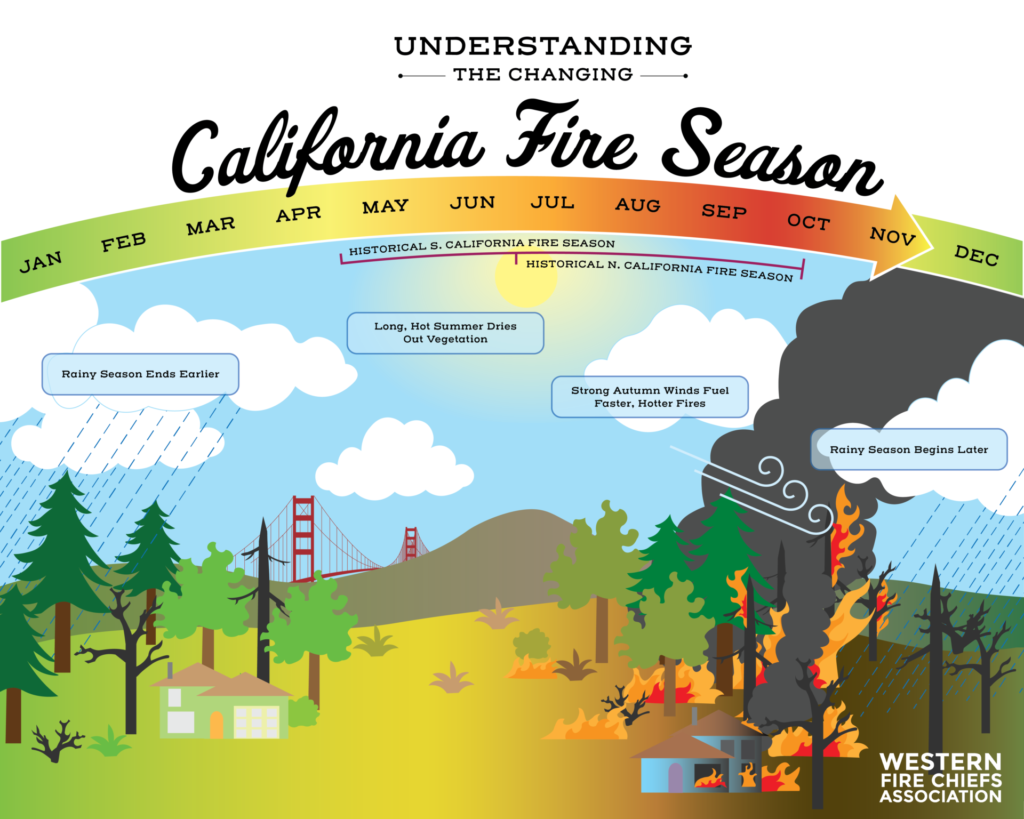
However, these invaluable landmarks face an existential threat: increasingly frequent and destructive wildfires. The golden hills and verdant forests, once symbols of natural grandeur, are now often scarred by infernos, leaving behind desolate landscapes and irrevocably altered ecosystems. Understanding the complex confluence of factors that ignite and fuel these blazes is crucial for preserving California’s natural and cultural heritage for future generations. The causes are multifaceted, stemming from a dangerous interplay of a changing climate, human activity, and the state’s unique geography and weather patterns.
Primary Drivers: Climate Change and Human Ignitions
The intensification of California’s wildfire crisis is inextricably linked to two overarching factors: the undeniable impacts of climate change and the pervasive role of human activity. These drivers, often intertwined, create a volatile environment where small sparks can rapidly escalate into landmark-threatening conflagrations.
Climate Change’s Role in a Tinderbox Environment
A warming climate is fundamentally altering the conditions across California’s landscapes, making them increasingly susceptible to fire. The most significant climate-driven contributors include:
- Prolonged Drought: Recurrent and intense droughts, exacerbated by rising global temperatures, are a primary precursor to severe fire seasons. Long periods of minimal rainfall desiccate vegetation—trees, shrubs, and grasses—turning vast swathes of forest and chaparral into exceptionally flammable fuel. Iconic regions like the Sierra Nevada range, home to Yosemite and Sequoia National Parks, have experienced unprecedented tree mortality due to drought stress, creating immense fuel loads.
- Heatwaves: Record-breaking heatwaves further dehydrate vegetation and soil, lowering the moisture content of fuels to critical levels. These extreme temperatures also create more volatile atmospheric conditions, promoting rapid fire spread and increasing fire intensity. Such conditions put immense stress on landmark ecosystems, making them less resilient to fire and more prone to severe burning that can destroy centuries-old trees.
- Reduced Snowpack: The Sierra Nevada snowpack, a crucial water source for much of the state, has seen significant reductions in depth and duration. This earlier melt means less water for ecosystems throughout the dry summer months, contributing to drought conditions and earlier, longer fire seasons that directly threaten high-elevation landmarks.
Human Activity: The Spark Behind the Blaze
While climate change sets the stage, human actions are overwhelmingly responsible for ignition. Approximately 85-95% of wildfires in California are human-caused, often originating near population centers or along transportation corridors that border or traverse landmark areas.
- Faulty Power Lines and Infrastructure: Aging electrical infrastructure, particularly in high-wind conditions, frequently ignites devastating fires. Downed power lines, or those sparked by contact with dry vegetation, have been responsible for some of California’s’s most destructive fires, often impacting areas adjacent to or within the boundaries of natural landmarks and residential communities in the wildland-urban interface.
- Accidental Ignitions: Carelessness remains a significant factor. Campfires left unattended, discarded cigarettes, sparks from vehicle exhaust systems, malfunctioning equipment (e.g., lawnmowers, grinders, chainsaws), and fireworks can all ignite fires. These incidents are particularly perilous in or near national parks, forests, and other natural landmarks popular with visitors.
- Arson: Deliberate acts of ignition, though less frequent than accidental causes, can lead to highly destructive fires. These intentional acts often target vulnerable landscapes, including those close to or within landmark regions, causing immense ecological damage.
- Urban-Wildland Interface (WUI): The continued expansion of human development into natural, fire-prone environments increases the likelihood of human-caused ignitions. As more homes and communities are built in areas bordering forests and wildlands—many of which are considered natural landmarks or gateways to them—the potential for human-sparked fires to quickly become catastrophic rises exponentially, threatening both property and pristine natural areas like the Santa Monica Mountains near Los Angeles.
A Conducive Landscape: Topography, Vegetation, and Weather Patterns
Beyond climate and human action, California’s’s unique geographical features, specific vegetation types, and infamous wind patterns create a landscape highly susceptible to extreme fire behavior, often posing direct threats to its cherished landmarks.
California’s Unique Terrain as a Fire Accelerator
The state’s diverse and often dramatic topography plays a critical role in fire dynamics. Steep slopes, deep canyons, and mountainous regions act as natural chimneys, funneling winds and accelerating fire spread uphill at alarming rates. This makes suppression efforts incredibly challenging and puts landmarks situated in such terrain, like the rugged coastal ranges flanking Big Sur or the elevated forests of the Sierra Nevada, at immense risk. The complex terrain also creates microclimates and hinders access for firefighters, allowing fires to gain strength before effective containment strategies can be implemented.
Dense, Dry Vegetation: Fuel for the Fire

Years of fire suppression policies, aimed at extinguishing all fires, have inadvertently contributed to the problem by allowing an unnatural accumulation of dense, unhealthy vegetation. Forests that historically experienced frequent, low-intensity fires (which cleared undergrowth and promoted forest health) are now overgrown with thick layers of brush, dead trees, and fuel ladders. When fires eventually ignite in these areas, they burn with unprecedented intensity, capable of consuming entire forest canopies and threatening landmark trees, such as the ancient Giant Sequoias in Sequoia National Park that are typically more fire-resistant. Chaparral, a dense shrubland common in Southern California, is also naturally fire-adapted but burns with extreme intensity when conditions are dry.
The Infamous Santa Ana and Diablo Winds
Perhaps the most iconic and devastating natural factors are California’s’s powerful, dry, and hot offshore winds: the Santa Ana winds in the south and the Diablo winds in the north. These winds typically occur in the fall and early winter, bringing dry air from inland deserts and rapidly pushing it toward the coast. They are notorious for:
- Rapid Fire Spread: Fanning flames and driving them across vast distances, often exceeding typical suppression capabilities. Fires can jump highways, canyons, and even rivers under the influence of these winds.
- Extreme Fire Behavior: Creating erratic fire behavior, making it difficult to predict fire paths and protect specific landmarks or communities.
- Accelerated Fuel Desiccation: Further drying out already parched vegetation, creating a perfect environment for rapid ignition and spread.
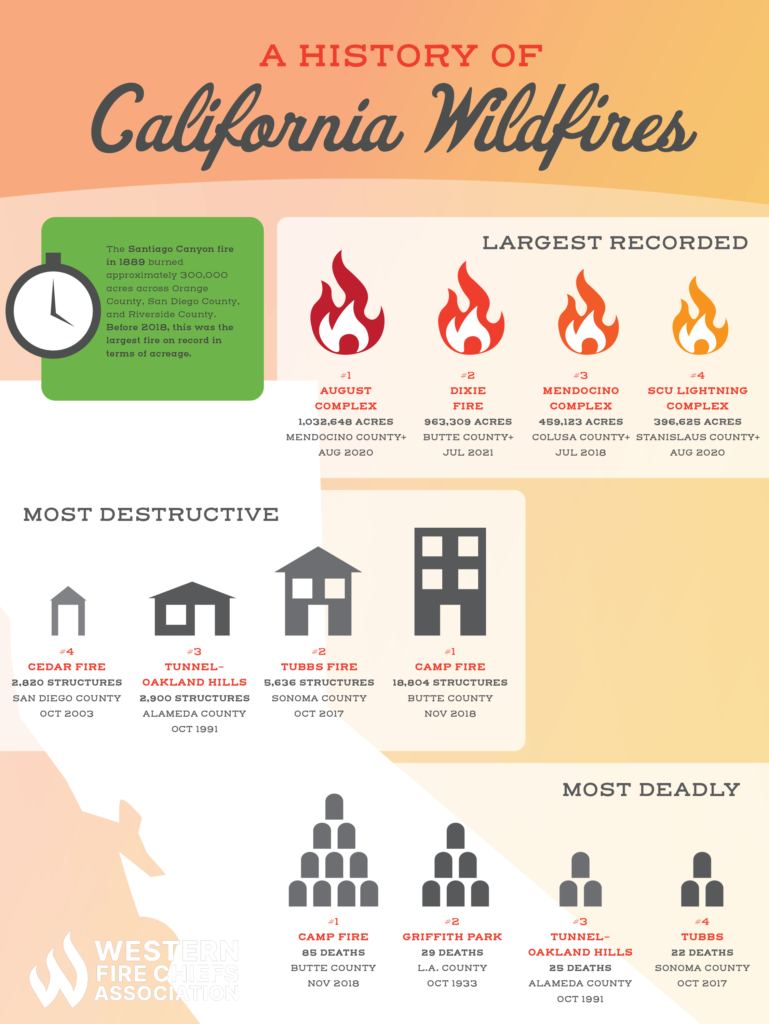
These winds have been instrumental in many of the state’s most destructive wildfires, threatening coastal communities and natural landmarks alike, from the Malibu hills to the urban interface of Oakland and Berkeley adjacent to the San Francisco Bay Area.
Long-Term Impacts and Proactive Measures for Landmark Protection
The consequences of California’s’s worsening wildfire seasons extend far beyond immediate destruction, posing profound long-term threats to its natural and cultural landmarks and necessitating robust, adaptive strategies for their preservation.
Irreversible Damage to Ecosystems and Natural Landmarks
Wildfires can cause irreparable harm to the very fabric of California’s’s natural landmarks. High-intensity fires can destroy old-growth forests that have taken centuries to develop, eradicating specific plant species, altering soil composition, and decimating critical habitats for numerous animal species. The loss of ancient trees, such as the Giant Sequoias, represents a loss of biological and historical heritage that cannot be quickly replaced. The alteration of these ecosystems can fundamentally change the aesthetic and ecological character of landmark areas, impacting their resilience and unique biodiversity. Redwood National Park and Joshua Tree National Park are also sensitive to high-intensity fires that can damage their unique flora.
Cultural and Historical Heritage at Risk
Beyond nature, many of California’s’s historical and cultural landmarks are situated within or near fire-prone wildland areas. Historic cabins, indigenous sacred sites, missions, and early settlements within national parks or forests are constantly under threat. The destruction of these sites represents an irreplaceable loss of human history, cultural identity, and archaeological knowledge. Efforts to protect these structures often involve creating defensible spaces, using fire-resistant materials, and deploying specialized cultural resource protection teams during active fires.
Post-Fire Hazards: Erosion, Mudslides, and Water Quality Degradation
The aftermath of a wildfire often brings a new set of dangers that further threaten landmarks. Burned landscapes, especially on steep slopes, lose their protective vegetation cover and become highly susceptible to severe erosion and destructive mudslides during subsequent rain events. These post-fire hazards can destroy roads, infrastructure, and even alter the natural contours of landmark terrain, affecting areas like the slopes around Lake Tahoe or the coastal cliffs of Big Sur, which are traversed by Highway 1. Furthermore, ash and debris can contaminate water sources, impacting aquatic ecosystems and human water supply systems, including those that feed into or originate from landmark watersheds.
Adaptive Strategies and Future Protection
Addressing the complex causes of California’s wildfires and protecting its landmarks requires a multi-pronged, adaptive approach:
- Forest Management and Fuel Reduction: Implementing proactive forest management practices, including prescribed burns, mechanical thinning, and targeted vegetation removal, to reduce fuel loads around and within landmark areas. This aims to restore historical fire regimes and create healthier, more resilient ecosystems.
- Infrastructure Hardening: Investing in the modernization and hardening of electrical grids, burying power lines where feasible, and improving utility maintenance practices, especially in high-risk areas adjacent to valuable landmarks.
- Early Detection and Rapid Response: Enhancing surveillance technologies (e.g., AI-powered cameras, satellite monitoring) and improving coordination for rapid deployment of firefighting resources to contain fires before they threaten critical landmark sites.
- Community Engagement and Education: Educating residents and visitors about fire-safe practices, building defensible space around homes, and preparing for evacuations, particularly in communities nestled within or bordering landmark wildlands.
- Climate Change Mitigation: While local efforts are crucial, the long-term solution ultimately requires global action to reduce greenhouse gas emissions and stabilize the climate, thereby mitigating the underlying conditions that fuel California’s’s escalating fire crisis.
By understanding the interconnected causes—from a warming planet and human negligence to the state’s formidable topography and winds—and by implementing comprehensive protection strategies, California can hope to safeguard its irreplaceable natural and cultural landmarks against the persistent threat of wildfires.
LifeOutOfTheBox is a participant in the Amazon Services LLC Associates Program, an affiliate advertising program designed to provide a means for sites to earn advertising fees by advertising and linking to Amazon.com. Amazon, the Amazon logo, AmazonSupply, and the AmazonSupply logo are trademarks of Amazon.com, Inc. or its affiliates. As an Amazon Associate we earn affiliate commissions from qualifying purchases.