
Understanding the local time in California is a fundamental aspect of planning any trip to the Golden State. Whether you are a business traveler with tight schedules, a family vacationer eager to maximize sightseeing, or an international visitor navigating significant time differences, knowing the precise time and how it changes is crucial for a smooth and enjoyable experience. California operates under a single time zone, making it simpler than states with multiple zones, yet the intricacies of Daylight Saving Time require careful attention. This guide will provide a comprehensive overview of California’s time, its implications for travel, and practical tips for managing your schedule effectively.

Understanding California’s Time Zone
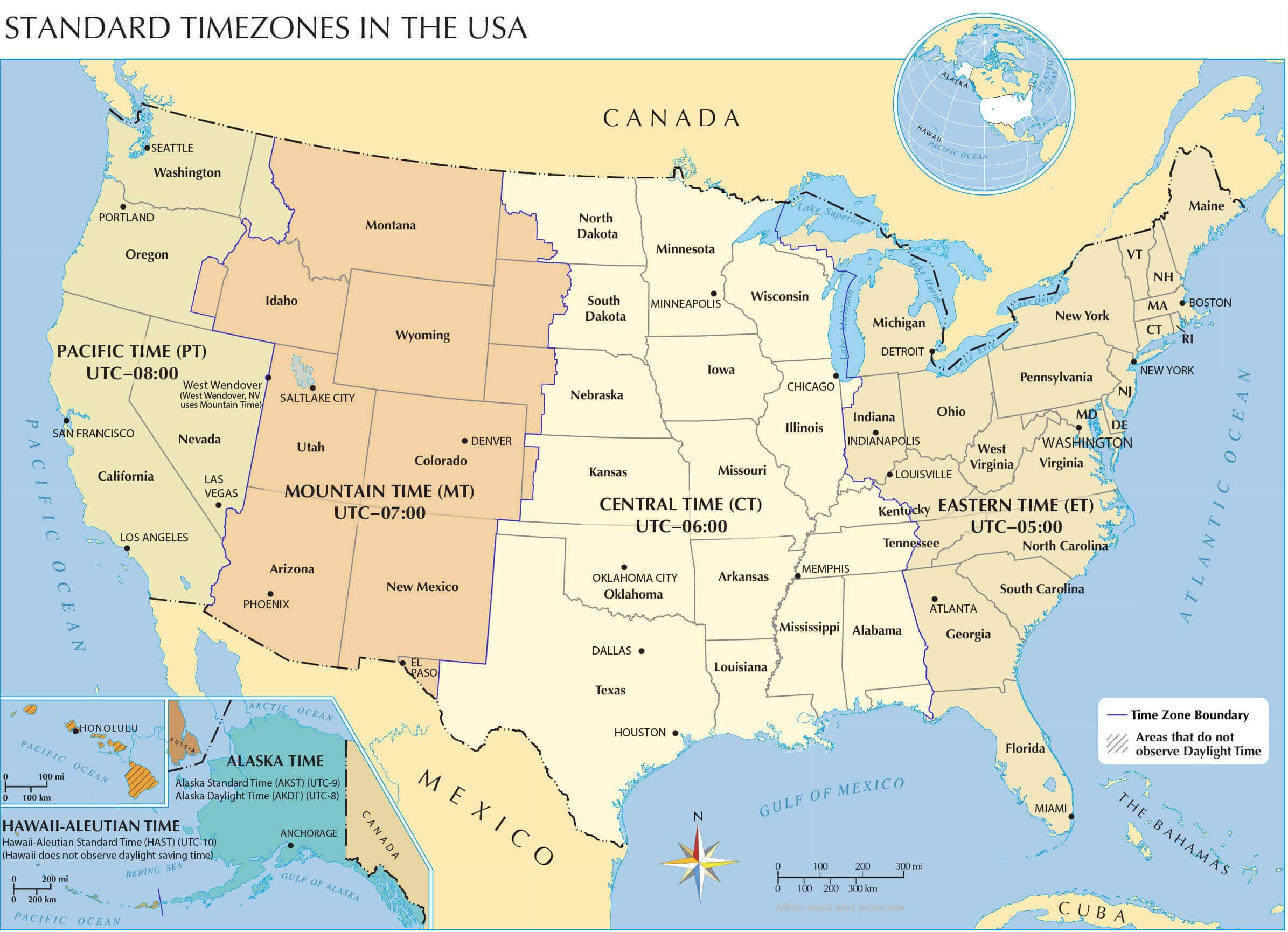
California observes the Pacific Time Zone (PT), which covers all of California and parts of Nevada, Oregon, and Washington in the United States, as well as British Columbia in Canada and Baja California in Mexico. This consistent application across the entire state simplifies planning within its borders but necessitates careful consideration when coordinating with other regions of the country or international destinations.
Pacific Standard Time (PST) and Pacific Daylight Time (PDT)
The Pacific Time Zone alternates between two designations throughout the year:
- Pacific Standard Time (PST): This is the base time, observed during the winter months. PST is eight hours behind Coordinated Universal Time (UTC-8). If you’re calling California from London (UTC+0) in January, for example, there would be an eight-hour difference.
- Pacific Daylight Time (PDT): During the spring, summer, and early fall, California shifts to PDT. This is seven hours behind Coordinated Universal Time (UTC-7). The change to PDT means that the clock is moved forward by one hour to make better use of daylight, leading to later sunsets.
It is vital for travelers to distinguish between these two, particularly when making bookings or scheduling activities months in advance, as an oversight can lead to confusion or missed appointments.
When Does Daylight Saving Time Change?
Daylight Saving Time in the United States begins on the second Sunday in March, when clocks “spring forward” one hour. It concludes on the first Sunday in November, when clocks “fall back” one hour to revert to Standard Time. These changes occur at 2:00 AM local time.
For example, on the second Sunday in March, at 2:00 AM PST, the time becomes 3:00 AM PDT. Conversely, on the first Sunday in November, at 2:00 AM PDT, the time reverts to 1:00 AM PST. Keeping these dates in mind, especially when your travel dates span across these transitions, is critical for seamless itinerary management.
Why Local Time Matters for Travelers
For visitors to California, understanding and adapting to the local time is more than just a matter of convenience; it significantly impacts the overall travel experience, from logistical arrangements to personal well-being.
Planning Your Itinerary
Every aspect of a well-planned itinerary hinges on accurate timekeeping. Flights depart and arrive at specific local times, hotel check-in and check-out times are set to the local clock, and popular attractions often have strict operating hours. For instance, a timed entry ticket for Alcatraz Island in San Francisco or a reservation for dinner in Beverly Hills must be observed according to California time. Missing a scheduled tour or a unique experience because of a time zone miscalculation can be disappointing and costly. Furthermore, if you’re planning road trips, knowing daylight hours (which change with PDT) can influence driving safety and enjoyment, especially in scenic areas like Highway 1 or national parks like Yosemite.
Booking Flights and Accommodation
When booking flights, pay close attention to the time zone specified for departure and arrival. Many online booking systems will display times in local zones, but a quick double-check can prevent stress. Arriving at an airport hours early or, worse, late, can throw off your entire travel schedule. Similarly, accommodation bookings are strictly adhered to local check-in and check-out times. Arriving too early might mean waiting for your room, while checking out late could incur additional charges. If you’re traveling across several time zones, especially internationally, allow yourself ample buffer time to adjust.
Minimizing Jet Lag
For travelers coming from distant time zones, particularly those from the East Coast of the United States or international destinations in Europe or Asia, jet lag can significantly impact the initial days of a trip. The substantial time difference can disrupt sleep patterns, energy levels, and overall enjoyment. Strategies to combat jet lag often involve gradually adjusting your sleep schedule a few days before departure, staying hydrated, avoiding excessive caffeine and alcohol, and exposing yourself to natural light upon arrival in California to help reset your body’s internal clock. Understanding the exact time difference will help you prepare more effectively.
Navigating California’s Diverse Regions
While California maintains a single time zone across its vast and diverse landscape, how you interact with time might feel different depending on whether you’re in a bustling metropolis or a remote natural preserve.
Major Cities and Their Time
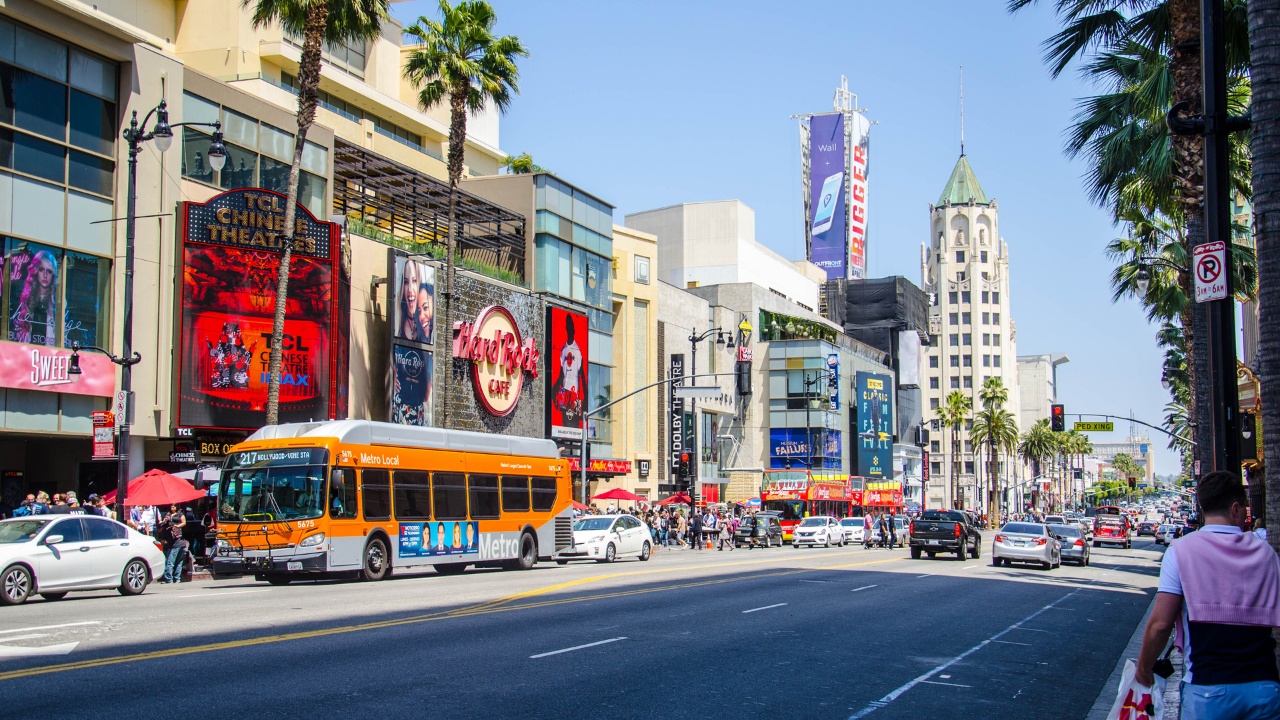
All major metropolitan areas in California, from the vibrant streets of Los Angeles to the tech hubs of San Francisco and the coastal charm of San Diego, operate on Pacific Time. This simplifies inter-city travel and communication within the state. When planning visits to iconic attractions like Disneyland in Anaheim, the Golden Gate Bridge in San Francisco, or the Hollywood Walk of Fame in Los Angeles, simply remember that all listed opening and closing times are in local California time. Business hours, public transport schedules, and event timings are uniformly set to PT.
Remote Areas and Communication
Even in California’s stunning natural landscapes, such as Yosemite National Park, Death Valley, or the Redwood forests, the local time remains consistent. However, considerations regarding communication can arise. Mobile phone service might be spotty or non-existent in very remote areas, which could affect automatic time updates on devices. If you are venturing into these regions, it’s wise to ensure your watch or device is manually set to the correct local time before losing connectivity. For emergency services or ranger station contact, knowing the correct time is paramount. Furthermore, if you’re coordinating with people outside these areas, be mindful of their respective time zones when making calls or sending messages.
Practical Tips for Time Management in California
Effective time management can significantly enhance your travel experience. Here are some practical tips to help you stay on schedule and make the most of your time in California.
Syncing Your Devices
Upon arrival in California, ensure all your electronic devices – smartphones, tablets, and smartwatches – are set to automatically update their time zone. Most modern devices will detect your location and adjust accordingly. However, it’s always good practice to manually verify the time, especially after a long flight, to avoid any discrepancies. A quick cross-reference with a local clock or a reliable online time source can confirm you’re on track.
Time Zone Converters and Apps
Before and during your trip, leverage technology to assist with time conversions. Numerous free online time zone converters and smartphone applications can instantly show you the current time in California relative to your home time zone or any other location. These tools are invaluable for scheduling video calls with family, checking flight statuses, or confirming reservation times that were made from a different time zone. Set up world clocks on your phone for easy reference.
Respecting Local Schedules
Beyond just knowing the time, it’s important to respect local schedules and customs. While California is generally laid-back, businesses operate on specific hours. Restaurants, especially popular ones, may close their kitchens earlier than you’re used to, particularly in smaller towns. Attractions have set opening and closing times. Being punctual for tours, reservations, and meetings demonstrates respect and helps ensure a smooth experience for everyone. Be mindful of peak hours for traffic, especially in cities like Los Angeles and San Francisco, where travel times can vary significantly based on the time of day.
In conclusion, while the question “What is the local time in California?” has a straightforward answer – Pacific Time – the implications of this knowledge are far-reaching for any traveler. By understanding the nuances of PST and PDT, planning meticulously, and using available tools, you can ensure your journey through the Golden State is efficient, enjoyable, and free from time-related complications.
LifeOutOfTheBox is a participant in the Amazon Services LLC Associates Program, an affiliate advertising program designed to provide a means for sites to earn advertising fees by advertising and linking to Amazon.com. Amazon, the Amazon logo, AmazonSupply, and the AmazonSupply logo are trademarks of Amazon.com, Inc. or its affiliates. As an Amazon Associate we earn affiliate commissions from qualifying purchases.