
The Golden State, a land of unparalleled natural beauty and iconic vistas, has chosen a fitting emblem for its official state tree: the majestic Giant Sequoia (Sequoiadendron giganteum). Designated in 1937, this colossal conifer stands as one of the world’s most enduring and awe-inspiring natural landmarks, symbolizing the grandeur and ancient spirit of California‘s wilderness. More than just a tree, the Giant Sequoia is a living monument, a testament to time, and an ecological marvel that draws visitors from across the globe to witness its breathtaking scale and silent majesty.
The Majestic Giant Sequoia: California’s Living Monument
The Giant Sequoia is not merely a large tree; it is an ecological titan, embodying the raw power and serene endurance of nature. Its designation as California’s state tree acknowledges its unique status as both a natural wonder and a profound cultural symbol. These trees are exclusively native to the western slopes of the Sierra Nevada mountain range, creating an exclusive and protected habitat that further elevates their landmark status.
Identifying a Natural Wonder
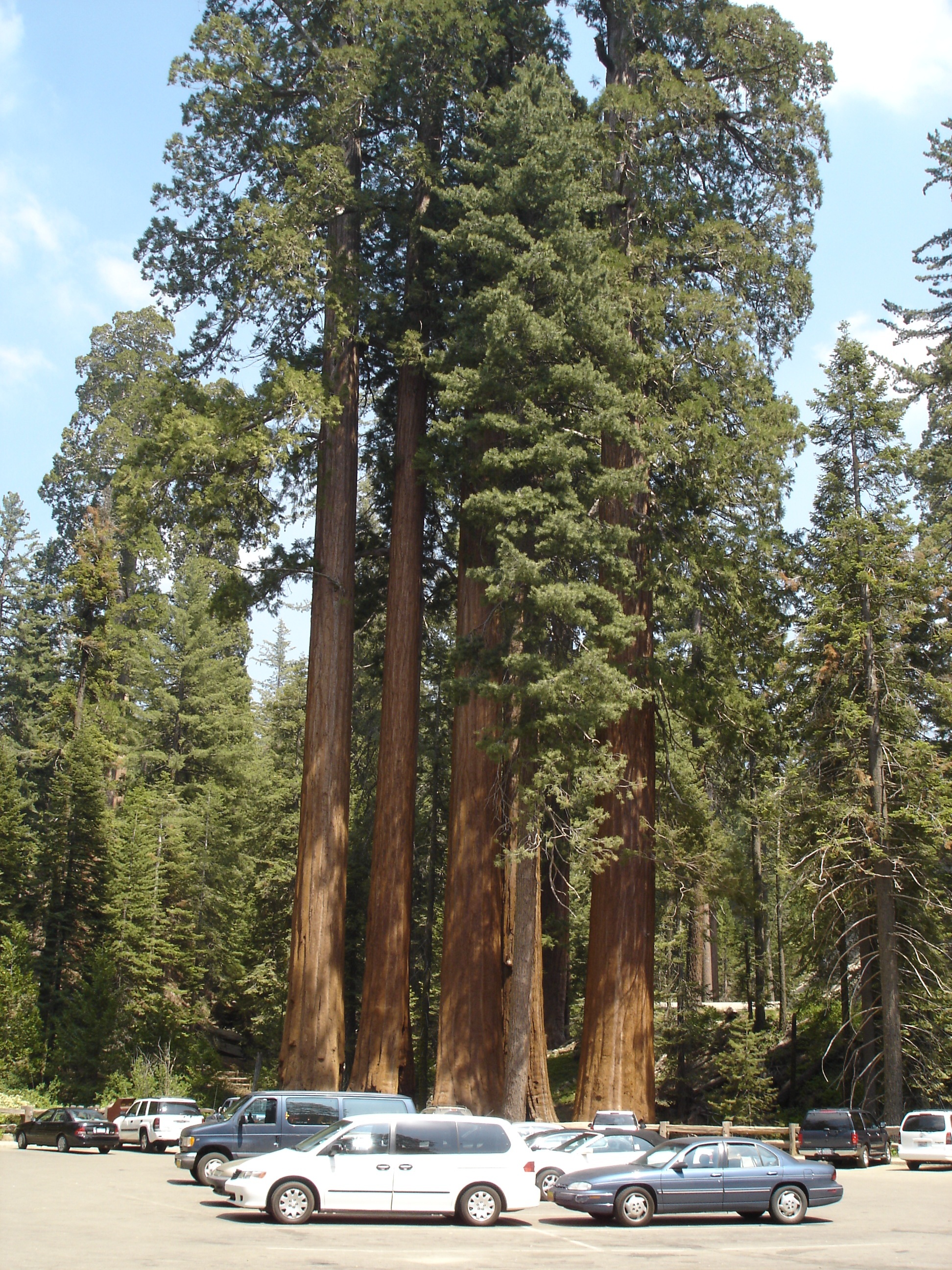
Distinguishing the Giant Sequoia from its coastal cousin, the Coast Redwood (Sequoia sempervirens), is crucial for appreciating its specific characteristics. While both are giants, the Giant Sequoia is known for its immense girth and overall volume, making it the most massive single organism on Earth by volume. Individual trees can reach heights of over 300 feet (91 meters) and boast base diameters exceeding 40 feet (12 meters). Their reddish-brown, fibrous bark is strikingly thick, often several feet deep, providing exceptional insulation against forest fires—a critical adaptation in their fire-prone environment. The leaves are small, scale-like, and overlapping, giving the branches a dense, rope-like appearance. Its cones are relatively small, about 1.5 to 3 inches long, contrasting sharply with the tree’s enormous size. The sheer scale of these trees makes them immediately recognizable as natural landmarks, their presence commanding reverence and an almost surreal sense of wonder.
A Legacy of Giants: Historical and Cultural Significance
The history of the Giant Sequoia stretches back millions of years, with fossil records indicating ancient relatives thriving across various continents. The modern Giant Sequoia species has endured countless environmental shifts, including ice ages, establishing itself as a symbol of immense resilience. Many individual trees are over 2,000 years old, with some believed to be over 3,000 years, making them among the oldest living organisms on the planet. Their rings tell stories of centuries of climate, fires, and growth, offering a tangible connection to deep time.
Culturally, these trees have inspired generations. Indigenous peoples revered them, and early European American explorers and settlers were awestruck by their existence. The discovery of the first major Giant Sequoia groves in the mid-19th century sparked both scientific curiosity and a nascent conservation movement. The effort to protect these monumental trees led to the establishment of some of the earliest national parks, underscoring their significance as irreplaceable natural landmarks. California’s official designation of the Giant Sequoia as its state tree in 1937 was a formal recognition of this deep historical connection and the tree’s powerful symbolic resonance – representing endurance, majesty, and the state’s profound natural heritage.
Where to Witness These Living Landmarks
Experiencing the Giant Sequoia in person is an unforgettable encounter with one of Earth’s grandest natural landmarks. Their natural range is limited to specific high-elevation groves in the Sierra Nevada, making these locations critical destinations for anyone wishing to marvel at California’s state tree.
Sequoia National Park and Kings Canyon National Park
The twin bastions of Sequoia National Park and Kings Canyon National Park are undoubtedly the premier destinations to witness the Giant Sequoia. Located side-by-side in the southern Sierra Nevada, these parks protect the most extensive and magnificent groves of these giants. Within Sequoia National Park, the Giant Forest is home to five of the ten largest trees on Earth, including the famed General Sherman Tree. The General Sherman Tree, standing over 275 feet tall with a base circumference of 102 feet, is recognized as the largest living tree on Earth by volume, an astounding natural landmark that defies easy comprehension. Pathways wind through the Giant Forest, allowing visitors to walk among these colossal beings and truly feel their immense presence.
Adjacent Kings Canyon National Park boasts the equally impressive General Grant Tree in the Grant Grove. Designated as the “Nation’s Christmas Tree,” the General Grant Tree is the second-largest tree by volume globally. Both parks offer interpretive trails, visitor centers, and opportunities for photography, providing a comprehensive experience of these incredible natural landmarks. The scale of the groves in these parks is breathtaking, transforming the landscape into a cathedral of colossal, ancient life.
Other Notable Groves
Beyond the national parks, several other locations offer opportunities to connect with California’s state tree. Yosemite National Park features three distinct Giant Sequoia groves, with the Mariposa Grove being the most famous and accessible. This grove contains over 500 mature Giant Sequoias, including the Grizzly Giant, one of the oldest and largest trees in the world. Its recently completed restoration project has enhanced visitor access and ecological health.
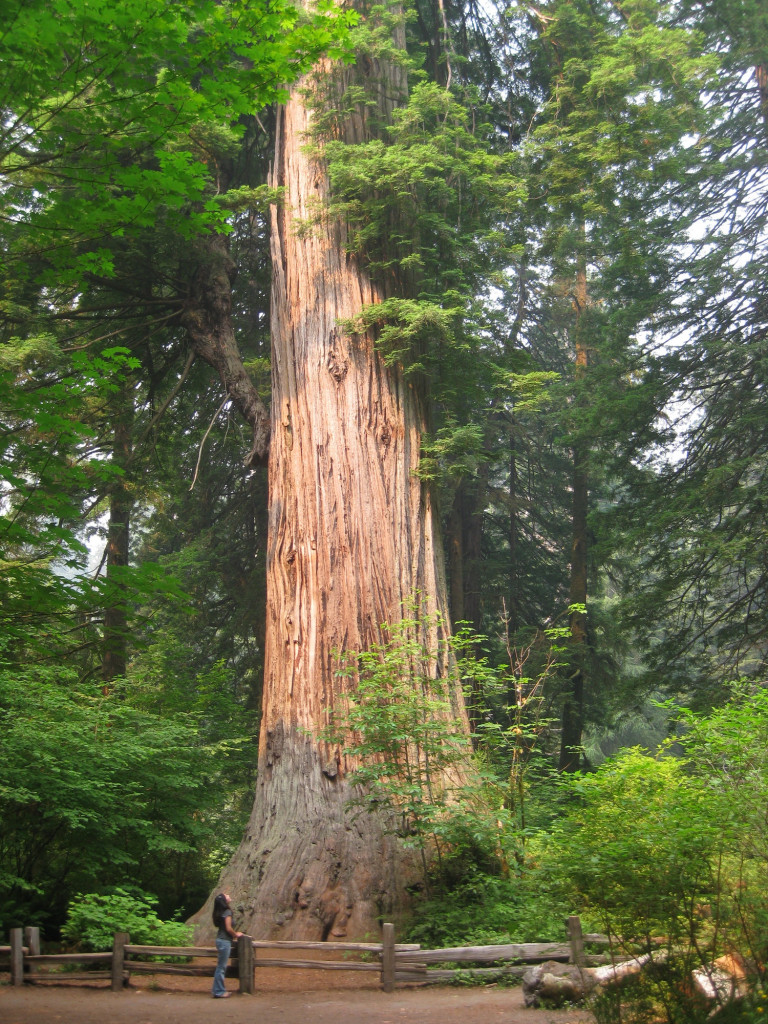
Further north, Calaveras Big Trees State Park holds significant historical importance as the site of the first widely publicized discovery of Giant Sequoias in the 1850s. The park’s North Grove and South Grove offer excellent opportunities to explore these giants through well-maintained trails. Finally, the Giant Sequoia National Monument, managed by the U.S. Forest Service, encompasses thirty-three Giant Sequoia groves across approximately 353,000 acres, providing a more dispersed and often less crowded experience for those seeking solitary communion with these ancient landmarks. Each of these locations offers a unique perspective on the magnificence and ecological role of the Giant Sequoia.
The Ecological Significance of the Giant Sequoia
The Giant Sequoia is far more than just a grand sight; it is a critical component of the Sierra Nevada ecosystem, playing a pivotal role in maintaining biodiversity and ecological balance. Understanding its ecological significance deepens its appreciation as a natural landmark that is not only beautiful but also vital.
A Keystone Species in the Sierra Nevada Ecosystem
As a keystone species, the Giant Sequoia profoundly influences its environment. Its massive root systems stabilize soil, preventing erosion and retaining moisture. The sheer volume of its woody biomass stores immense amounts of carbon, making it a critical player in global carbon sequestration efforts. The thick, fire-resistant bark, combined with its high branches, allows the Giant Sequoia to survive frequent, low-intensity fires that clear competing vegetation and prepare the mineral soil for seed germination. Fire is, in fact, essential for their reproduction, opening their cones and dispersing seeds.
The hollows and crevices of ancient Giant Sequoias provide habitat for a variety of wildlife, including bats, birds, and small mammals. The unique microclimates created within the groves support a distinct understory flora. The interdependence between the Giant Sequoia and its ecosystem highlights its role as a living monument, a self-sustaining landmark whose health is intrinsically linked to the health of the entire forest.
Conservation Efforts and Challenges
Despite their resilience, Giant Sequoias face significant threats, primarily from climate change and altered fire regimes. Decades of fire suppression, meant to protect human settlements, led to an unnatural accumulation of fuel in the groves. When fires inevitably occur, they burn with unprecedented intensity, capable of overcoming even the Giant Sequoia’s natural defenses. Recent mega-fires in California have tragically killed thousands of these ancient trees, a stark reminder of their vulnerability.
Conservation efforts are multifaceted, spearheaded by the National Park Service, the U.S. Forest Service, and various environmental organizations. Prescribed burning programs are crucial for restoring natural fire cycles and reducing hazardous fuel loads. Research into drought resistance, pest management, and the effects of warmer temperatures is ongoing. Protecting these natural landmarks involves a delicate balance of active management and allowing natural processes to unfold, ensuring that future generations can continue to witness the unparalleled majesty of California’s state tree.
Planning Your Visit to the Land of Giants
To truly appreciate the grandeur of the Giant Sequoia as California’s state tree and an iconic natural landmark, careful planning is essential. These groves are situated in mountainous terrain, and conditions can vary dramatically.
Best Time to Visit
The ideal time to visit the Giant Sequoia groves depends on your desired experience. Summer (June to September) offers warm weather, clear skies, and full access to all park roads and facilities. However, it is also the busiest season, with large crowds. Spring (April to May) brings lush greenery and fewer visitors, though some higher elevation roads may still be closed due to snow. Fall (October to November) provides stunning autumn colors, crisp air, and significantly fewer people, often considered a prime time. Winter (December to March) transforms the groves into a snow-covered wonderland, offering a magical and serene experience, though access can be limited, requiring chains on tires for vehicles and proficiency in winter hiking or snowshoeing. Always check park websites for road conditions and weather forecasts before your trip, especially during shoulder seasons and winter.

Essential Gear and Preparedness
Visiting these natural landmarks requires preparedness. Sturdy hiking boots are a must for navigating trails, which can range from paved loops to rugged backcountry paths. Dress in layers, as mountain weather can change rapidly. Bring plenty of water and snacks, as services within the groves can be limited. A map of the park or grove is invaluable, as cell service is often nonexistent.
For those planning to explore more deeply, consider bringing binoculars for wildlife viewing and a good camera to capture the immense scale of the trees. Respect “Leave No Trace” principles by staying on marked trails, packing out all trash, and refraining from disturbing wildlife or natural features. Parking can be challenging during peak season, so arriving early or utilizing shuttle services where available is advisable. Accessibility varies by grove; some popular trails are paved and wheelchair-friendly, while others are more strenuous. By preparing thoroughly, visitors can fully immerse themselves in the experience of these magnificent natural landmarks, ensuring their preservation for centuries to come.
LifeOutOfTheBox is a participant in the Amazon Services LLC Associates Program, an affiliate advertising program designed to provide a means for sites to earn advertising fees by advertising and linking to Amazon.com. Amazon, the Amazon logo, AmazonSupply, and the AmazonSupply logo are trademarks of Amazon.com, Inc. or its affiliates. As an Amazon Associate we earn affiliate commissions from qualifying purchases.