
Understanding time zones is more than just a trivial detail; it’s a fundamental aspect of seamless travel planning, especially when venturing to a sprawling and vibrant destination like California. Often referred to as “the Golden State,” California operates on Pacific Time, but this isn’t a static designation. Depending on the time of year, travelers and locals alike experience either Pacific Standard Time (PST) or Pacific Daylight Time (PDT). For anyone planning an unforgettable trip, managing business across state lines, or simply staying connected with loved ones, deciphering California’s timekeeping is crucial. From coordinating flight arrivals in Los Angeles to booking a wine tasting in Napa Valley or a hotel stay in San Francisco, a firm grasp of the local time ensures your plans unfold without a hitch.
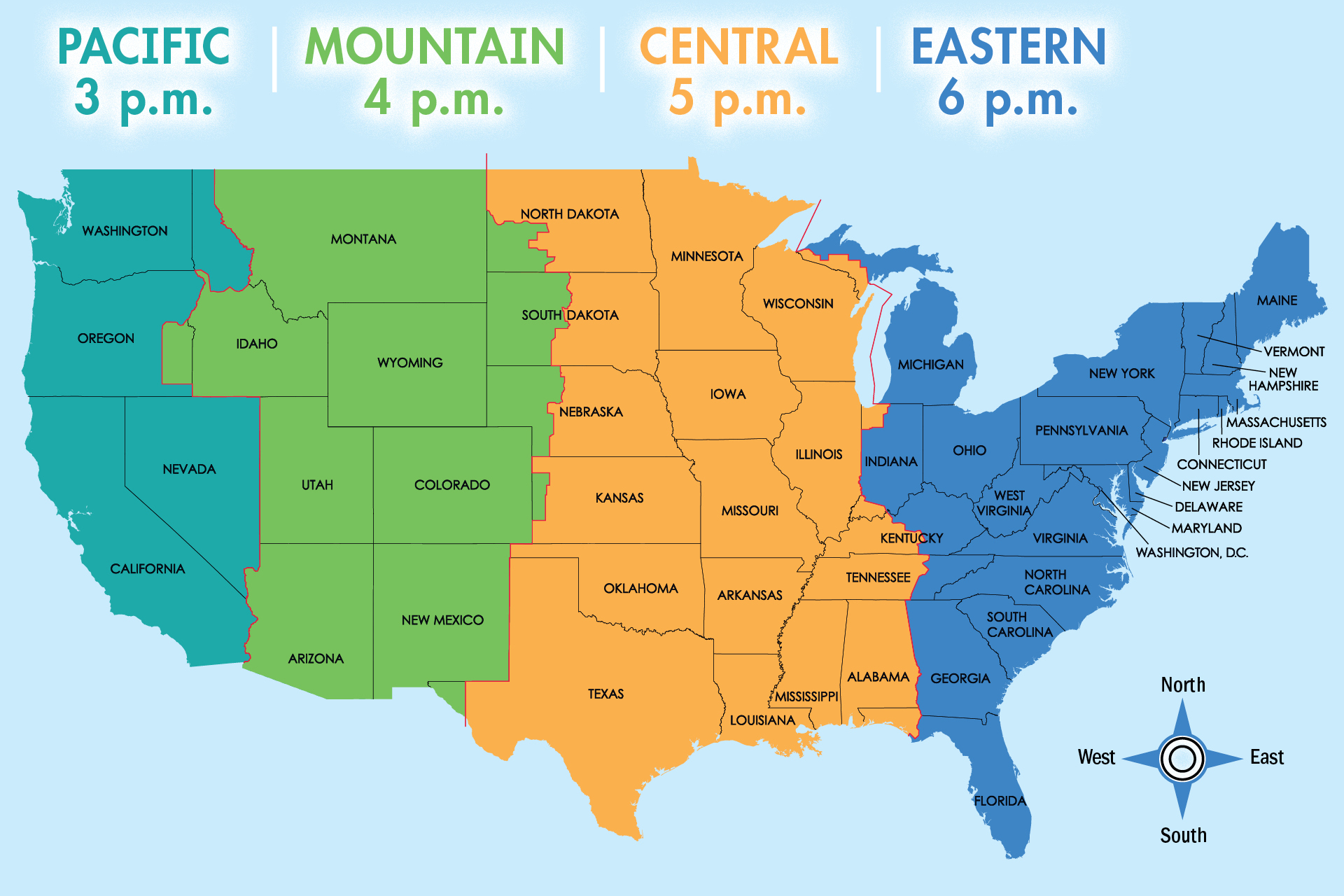
This comprehensive guide delves into the intricacies of California time, offering insights for every type of traveler. We’ll explore the distinctions between PST and PDT, highlight why understanding these nuances is pivotal for smooth travel logistics, and provide practical tips for managing time zones effectively, ensuring your visit to California is as relaxing and enjoyable as possible.
Deciphering California’s Time Zone: PST vs. PDT
At its core, California observes Pacific Time, one of the four main time zones within the contiguous United States. However, this seemingly simple designation is split into two phases annually, dictated by the observance of Daylight Saving Time. Grasping this distinction is the first step in mastering California’s time.
The Mechanics of Pacific Standard Time (PST)
Pacific Standard Time (PST) is the standard time observed by California and other western United States states, including Nevada, [Oregon], and [Washington], as well as parts of Canada and Mexico. PST is seven hours behind Coordinated Universal Time (UTC-7). This is the time standard that typically runs from early November through mid-March. During these cooler months, when the days are shorter, California aligns with PST, providing a consistent baseline for local activities and national scheduling.
For travelers, knowing when PST is in effect is crucial for planning winter getaways or early spring adventures. Whether you’re hitting the slopes in Lake Tahoe or exploring the deserts of Death Valley National Park, your clocks and schedules will adhere to PST. This period might require adjustments for those arriving from Eastern Standard Time (EST) or Central Standard Time (CST), particularly if you’re flying in from the East Coast for a family trip to Disneyland or a business stay in Silicon Valley.
Embracing Pacific Daylight Time (PDT)
As spring blossoms, California transitions to Pacific Daylight Time (PDT), which is UTC-7. This change occurs on the second Sunday in March, when clocks “spring forward” one hour. PDT remains in effect until the first Sunday in November, when clocks “fall back” to PST. The purpose of Daylight Saving Time is to make better use of daylight, moving an hour of daylight from the morning to the evening, thereby extending daylight hours for recreational activities and reducing energy consumption.
For visitors, PDT significantly impacts their experience, especially during the peak travel seasons of spring, summer, and early fall. With an extra hour of daylight in the evening, popular attractions like the Golden Gate Bridge in San Francisco, Hollywood’s Walk of Fame, or the scenic drives along Big Sur can be enjoyed for longer. This adjustment also affects everything from dinner reservations in Santa Monica to the opening hours of Yosemite National Park attractions. Being aware of PDT ensures you capitalize on every moment of your California adventure, whether it’s a luxury travel experience or a budget-conscious exploration.
Why Understanding California Time is Crucial for Travelers
The seemingly simple act of knowing the local time can have profound implications for the success and enjoyment of any trip. For visitors to California, a clear understanding of PST and PDT is more than just a detail; it’s a foundational element for seamless logistics, maximizing experiences, and maintaining vital connections.
Seamless Travel Logistics: Flights, Check-ins, and Beyond
Miscalculating time zones can lead to a cascade of travel woes. For instance, booking a flight that arrives at 9 AM PST when you thought it was 9 AM EST (a three-hour difference) means you’ve effectively lost three hours from your itinerary upon arrival, or worse, missed a connecting flight. This is particularly relevant for international travelers or those flying across the vast expanse of the United States.
Hotel check-ins are another critical area. Most hotels, whether luxury resorts, cozy boutique hotels, or family-friendly apartments, adhere strictly to local check-in and check-out times. Arriving too early or too late due to a time zone mix-up could result in unnecessary waiting, additional fees for early check-in, or even a missed reservation if the hotel assumes you’re a no-show. Confirming your reservation times in California time is a small but vital step in ensuring a smooth accommodation experience. Similarly, car rental pickups, train schedules from San Jose to Sacramento, and ferry departures for Catalina Island all operate on local time. Double-checking every detail against California’s current time (PST or PDT) will save you stress and potential disruption to your itinerary.
Maximizing Your Experience at California’s Attractions
California boasts an unparalleled array of attractions, from theme parks like Universal Studios Hollywood to world-class museums like the Getty Center, and natural wonders such as Joshua Tree National Park and Redwood National Park. Each of these destinations has specific operating hours, guided tour schedules, and peak visitation times that are directly tied to the local clock. Missing a timed entry to Alcatraz Island or arriving after closing hours at the Monterey Bay Aquarium because of a time zone error can be incredibly frustrating.
Planning activities around California time allows you to optimize your sightseeing. For example, knowing the exact sunrise or sunset times (which vary with DST) can enhance your experience at the Griffith Observatory or a beach stroll in La Jolla. Understanding when attractions open and close enables you to create a realistic and enjoyable daily itinerary, preventing rushed visits or missed opportunities. It also helps in managing crowds, as popular spots like Pier 39 in San Francisco’s Fisherman’s Wharf or the San Diego Zoo in Balboa Park might have extended hours during PDT. For those seeking cultural immersion, local events, festivals, and restaurant opening hours are all time-sensitive, making accurate time awareness a key component of experiencing California’s local culture and food scene.
Staying Connected Across Time Zones
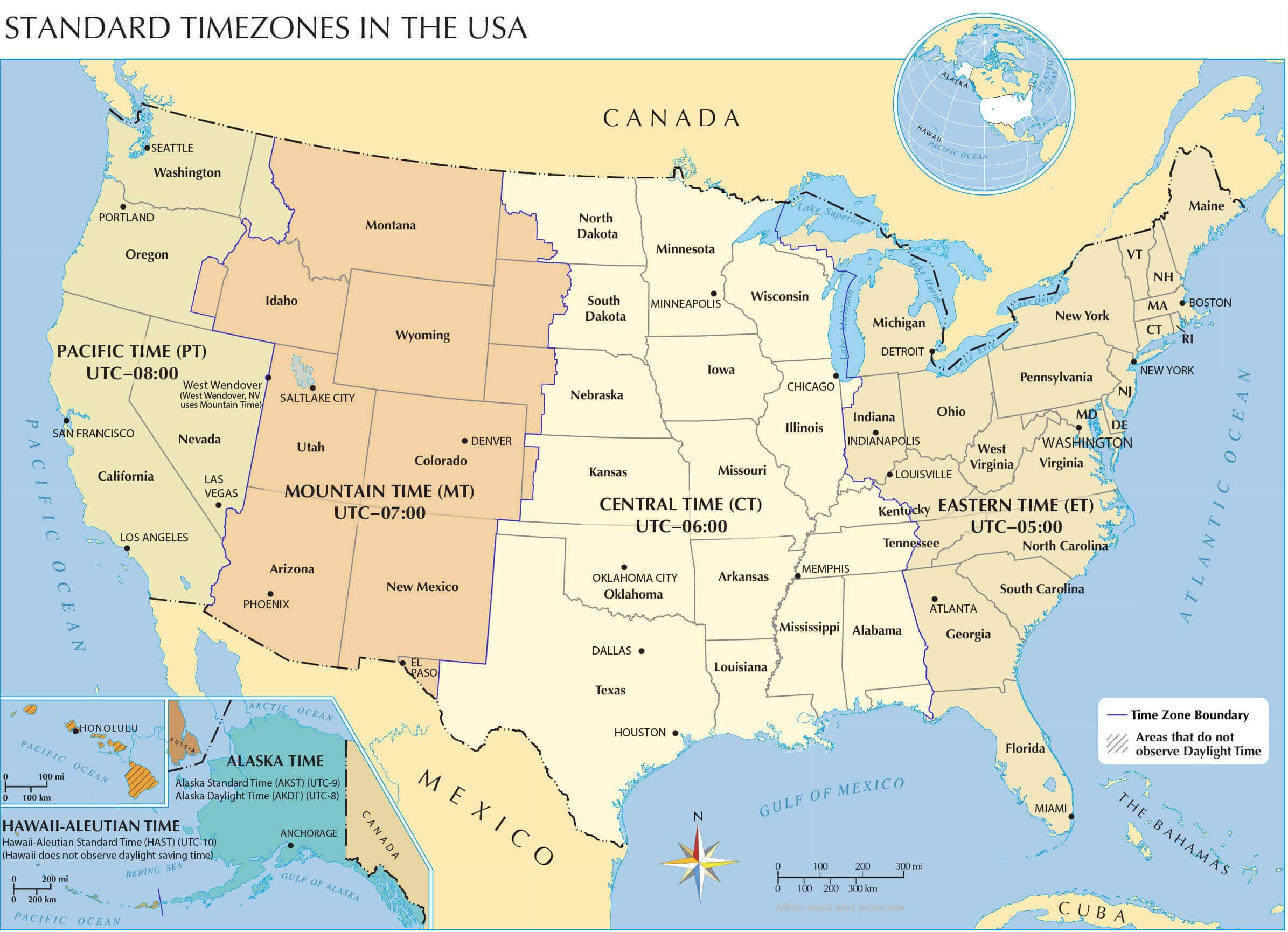
Whether it’s checking in with family, coordinating with business colleagues, or simply updating your social media with your latest California adventures, staying connected is an integral part of modern travel. When you’re in California, the time difference can pose a challenge. A 9 AM phone call from New York City (EST) is a jarring 6 AM wake-up call in California. Conversely, a late-night chat from Europe might mean an inconvenient afternoon call in California.
Being mindful of the time difference prevents accidentally disturbing others or missing important communications. For business travelers, this is especially critical for virtual meetings and deadlines. Lifestyle travelers, be it for family trips or luxury escapes, benefit from clear communication about pickup times, tour departures, or even just sharing vacation photos. Tools like world clock apps can be invaluable, allowing you to quickly see the time in multiple locations simultaneously and plan your calls and messages accordingly, fostering a more relaxed and connected travel experience.
Navigating Time Across California’s Iconic Destinations
California’s sheer size means it encompasses a diverse range of landscapes, climates, and urban centers. While the entire state adheres to Pacific Time, the experience of that time can feel different depending on whether you’re amidst the bustling energy of Southern California or the serene beauty of the north.
The Bustle of Southern California: Los Angeles and San Diego
Southern California is a hub of entertainment, innovation, and vibrant culture. Cities like Los Angeles, San Diego, Palm Springs, and Anaheim (home to Disneyland and Legoland California) thrive on carefully scheduled activities. In Los Angeles, for example, film screenings, studio tours, museum visits to places like the Getty Center, and reservations at trendy Beverly Hills restaurants are all time-sensitive. A three-hour time difference from the East Coast means a morning flight often lands in the late morning California time, perfect for checking into your Pasadena hotel and immediately heading out to Venice Beach or Universal Studios Hollywood.
Similarly, in San Diego, plans for exploring Balboa Park, visiting the San Diego Zoo, or enjoying a sunset cruise in the bay are all dictated by local time. During PDT, the extended daylight hours in summer allow for longer beach days in La Jolla or evening excursions to the Gaslamp Quarter. Understanding the time of day is not just about scheduling, but also about experiencing the rhythm of these dynamic cities.
Northern California’s Charms: San Francisco and Napa Valley
Moving north, San Francisco presents its own set of time-sensitive experiences. From catching an early morning cable car ride to visiting Alcatraz Island with its strict departure schedules, or exploring the shops at Fisherman’s Wharf and [Pier 39], every activity demands accurate timekeeping. The city’s famed fog can sometimes affect ferry schedules or early morning views from the Golden Gate Bridge, making precise timing for outdoor activities beneficial.
Just a short drive away, Napa Valley and Sonoma County operate on a more relaxed pace, but wine tasting appointments, cooking classes, and hot air balloon rides over the vineyards are strictly scheduled. Missing an appointment can mean missing out on a unique experience. Further afield, planning a multi-day hike in Yosemite National Park, exploring the ancient groves of Sequoia National Park, or driving the scenic Big Sur coast requires careful time management, especially concerning daylight hours for safe driving and camping. Even charming towns like Carmel-by-the-Sea or the Danish-inspired Solvang have specific hours for their unique shops and eateries.
Practical Strategies for Time Zone Management
Navigating time zone changes doesn’t have to be a source of stress. With a few practical strategies, you can minimize disruption and fully embrace your California adventure, whether it’s a family trip, a business stay, or a luxury escape.
Beating Jet Lag and Staying on Schedule
Jet lag is a common adversary for travelers crossing multiple time zones. Its effects, including fatigue, disorientation, and disturbed sleep, can significantly impact your initial days in California. To combat this, gradually adjust your sleep schedule a few days before your trip by going to bed earlier or later to align closer with Pacific Time. Upon arrival, try to expose yourself to natural light during the day and avoid heavy meals or excessive caffeine close to your new bedtime. Staying hydrated throughout your flight and during your stay is also crucial.
For maintaining your schedule, immediately set all your devices—phone, watch, laptop—to California time as soon as you land. This mental shift helps you adapt more quickly. Try to follow the local routine for meals and sleep, even if you don’t feel tired or hungry at first. Many modern hotels and resorts offer amenities like blackout curtains and comfortable bedding, which can aid in a restful sleep, helping you adjust faster and enjoy attractions like Hearst Castle or Ojai’s serene surroundings with renewed energy.
Essential Tools for Time Conversion
In today’s digital age, numerous tools make time zone conversion effortless. Smartphone world clock features are invaluable, allowing you to instantly compare California time with your home time zone or any other relevant location. Dedicated time zone converter apps can also provide more detailed information, including DST transitions.
When booking flights, hotels, or tours online, always pay close attention to the time zone indicated. Most reputable booking platforms will specify whether times are local to the destination or your current location. If in doubt, double-check with the provider. Printing out your itinerary with all times converted to California time can serve as a handy physical reference. For those planning complex itineraries involving multiple stops or different time zones (e.g., a trip through Nevada from Las Vegas before heading to California), a clearly laid out schedule with all times stated in local context, indicating PST or PDT as applicable, will be your best companion.
Ultimately, “What time is California time?” is a question with a dynamic answer, shifting between PST and PDT. However, armed with this knowledge and practical strategies, you’re well-equipped to navigate the Golden State’s rhythm effortlessly. By anticipating these time changes and planning accordingly, you can ensure your travel, accommodation, and exploration of California’s diverse landmarks and local culture are truly unforgettable, allowing you to focus on creating cherished memories rather than worrying about the clock.
LifeOutOfTheBox is a participant in the Amazon Services LLC Associates Program, an affiliate advertising program designed to provide a means for sites to earn advertising fees by advertising and linking to Amazon.com. Amazon, the Amazon logo, AmazonSupply, and the AmazonSupply logo are trademarks of Amazon.com, Inc. or its affiliates. As an Amazon Associate we earn affiliate commissions from qualifying purchases.