
Navigating California’s Roads: Understanding Scooter Regulations for Tourists
California, with its sprawling coastlines, vibrant cities, and diverse landscapes, offers an unparalleled experience for any tourist. While traditional car rentals are a common choice, many visitors seek more agile and unique ways to explore, leading them to consider scooters. The appeal of a scooter lies in its ability to navigate bustling urban streets, find convenient parking, and offer an open-air perspective of scenic routes. However, before zipping off into the Golden State sunshine, understanding the specific regulations regarding scooter licensing is paramount, especially for those hoping to avoid the hassle of obtaining a motorcycle endorsement. This knowledge is not just about legality; it’s about safety, compliance, and ensuring your California adventure remains smooth and enjoyable.

The Allure of Two-Wheeled Exploration
For tourists, scooters represent freedom. Imagine effortlessly cruising along the boardwalks of Santa Monica, exploring the hidden gems of San Francisco‘s neighborhoods, or feeling the ocean breeze on a coastal ride in San Diego. Scooters offer an intimacy with the environment that cars simply cannot match, allowing for spontaneous stops at picturesque viewpoints or local eateries. This mode of transport can also be a cost-effective alternative to ride-sharing services or traditional vehicle rentals, particularly for short to medium distances within a city or tourist hub. Yet, the ease of use and accessibility of scooters in other parts of the world do not automatically translate to California’s strict vehicle codes. Discerning between different types of two-wheeled conveyances is the first step to a worry-free exploration.
Key Distinctions: Moped vs. Motorized Scooter vs. Electric Bicycle
California law categorizes two-wheeled vehicles quite specifically, and these distinctions are critical for understanding licensing requirements. Misinterpreting these definitions can lead to fines, impoundment, or even more severe legal repercussions, turning a dream vacation into a nightmare.
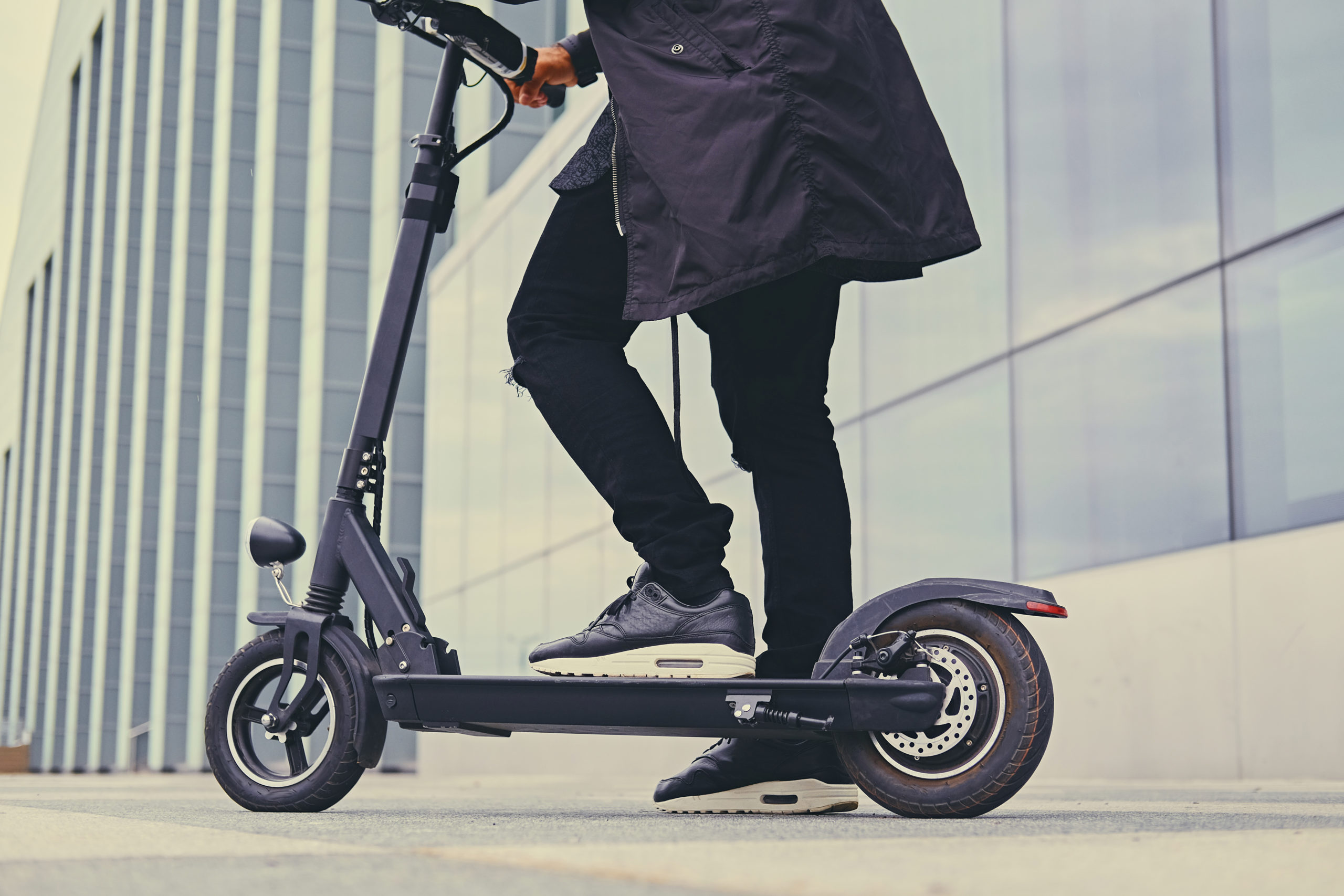
- Motorized Scooter: This term typically refers to a device weighing less than 120 pounds, with two wheels, handlebars, and a floorboard, capable of being propelled by human power or a motor. Crucially, the motor, if present, must assist, not solely power, the device. The definition often hinges on speed and engine size.
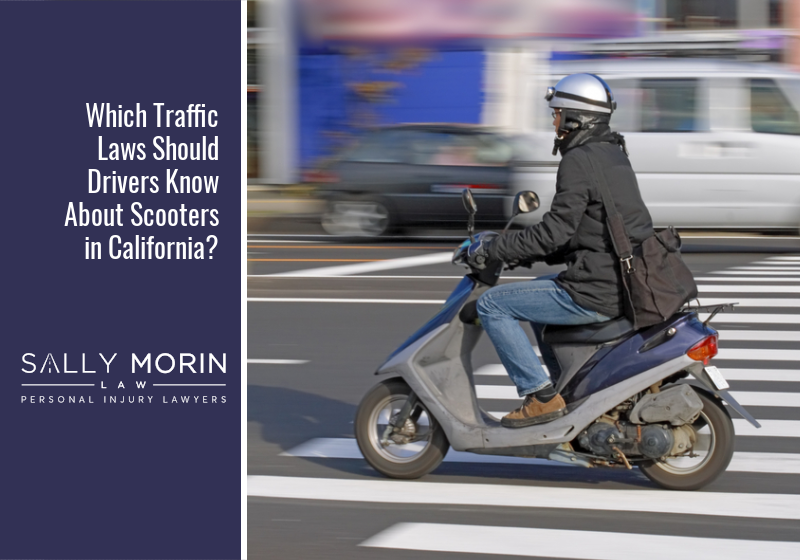
- Moped: A moped, in California, is defined as a two-wheeled or three-wheeled device having an automatic transmission and a motor that produces no more than two gross brake horsepower, and has a maximum speed of 30 mph on level ground. If it meets these criteria, it requires registration and a Class M1 or M2 driver’s license.
- Motorcycle: This category is for any motor vehicle having a seat or saddle for the use of the rider and designed to travel on not more than three wheels in contact with the ground. These unequivocally require a Class M1 license.
- Electric Bicycle (E-bike): These are bicycles equipped with fully operable pedals and an electric motor of less than 750 watts. California has three classes of e-bikes, with varying rules about where they can be ridden and whether a license is needed.
The key for tourists seeking a license-free option lies in identifying vehicles that fall outside the typical definitions requiring a motorcycle endorsement.
License-Exempt Options: What Qualifies in California?
For tourists exploring California without a motorcycle license, the good news is that certain types of two-wheeled conveyances indeed fall into a license-exempt category. These options prioritize accessibility and ease of use, making them ideal for short-distance travel, sightseeing, and navigating pedestrian-friendly areas. Understanding the specific legal thresholds is crucial for a compliant and enjoyable experience.
Motorized Scooters: The 20 MPH and Engine Size Rule
The primary category of “scooter” that often does not require a license in California is a specific type of motorized scooter as defined by the California Vehicle Code. To be license-exempt, a motorized scooter must meet several criteria:
- Maximum Speed: It must not be capable of exceeding 20 miles per hour (mph) on level ground. This is a critical threshold.
- Motor Size: The motor must be 1,000 watts or less.
- Human Power Capability: While motorized, it must also be equipped with fully operative pedals for human propulsion, or have a way for the rider to stand or sit.
- Weight: It typically weighs less than 120 pounds.
If a device meets these specifications, it is generally treated more like a bicycle than a motor vehicle for licensing purposes. Riders of such scooters do not need a Class C (standard car) or Class M (motorcycle) driver’s license. However, they must still be at least 16 years old, and helmets are mandatory regardless of age. While a driver’s license isn’t required, having some form of photo identification is always advisable when traveling.
Electric Bicycles: A Convenient Alternative
Electric bicycles, or e-bikes, offer another excellent license-exempt option for tourists. California categorizes e-bikes into three classes:
- Class 1 E-bike: An e-bike equipped with a motor that provides assistance only when the rider is pedaling, and ceases to provide assistance when the e-bike reaches 20 mph.
- Class 2 E-bike: An e-bike equipped with a motor that may be used exclusively to propel the bicycle, and is not capable of providing assistance when the e-bike reaches 20 mph. These typically have a “throttle” mode.
- Class 3 E-bike: An e-bike equipped with a motor that provides assistance only when the rider is pedaling, and ceases to provide assistance when the e-bike reaches 28 mph. Riders of Class 3 e-bikes must be 16 years or older and wear a helmet.
For Class 1 and Class 2 e-bikes, there are generally no age restrictions (though rental companies may have them), and helmets are not always legally mandatory for adults, though highly recommended. Class 3 e-bikes, however, require riders to be 16 or older and wear a helmet. None of these e-bike classes require a driver’s license or motorcycle endorsement in California. This makes e-bikes a highly flexible and accessible option for visitors looking to cover more ground than traditional cycling allows, without the legal complexities of motor vehicles.
The Specifics of Mopeds (and Why They Often Require a License)
While some might colloquially refer to motorized scooters as mopeds, the legal distinction in California is crucial. As mentioned, a moped is defined by its speed (up to 30 mph) and engine size (up to two gross brake horsepower). Unlike the under-20 mph motorized scooters, mopeds do require registration and a Class M1 or M2 driver’s license. This is a frequent point of confusion for tourists. If a rental shop offers what they call a “scooter” that can go faster than 20 mph, or explicitly refers to it as a moped, assume a motorcycle license is required. Always verify the specific vehicle type and its legal requirements before renting, especially if you lack a motorcycle endorsement.
Essential Tips for Tourists Using License-Free Scooters
Embracing the freedom of a license-exempt scooter or e-bike in California is a fantastic way to enhance your trip. However, maximizing the experience while ensuring safety and compliance requires adherence to certain practical guidelines. For tourists, being informed extends beyond just legal definitions; it involves understanding riding etiquette, safety practices, and local nuances.
Safety First: Gear and Awareness
Even if a helmet isn’t legally mandated for your specific e-bike class, always wear one. California roads can be busy, and unforeseen situations can arise. Reputable rental companies for motorized scooters or e-bikes will typically provide helmets, and it’s essential to ensure it fits properly. Beyond head protection, consider bright clothing to enhance your visibility to motorists, especially during dawn, dusk, or overcast days. Be aware of your surroundings at all times; watch for potholes, uneven pavement, pedestrians, and cars. Assume drivers may not see you and ride defensively. Many rental services offer basic safety briefings, which are invaluable for tourists unfamiliar with local traffic patterns and rules.
Where Can You Ride? Path and Road Considerations
Understanding where you can legally and safely ride your license-exempt scooter or e-bike is critical.
- Bicycle Lanes and Paths: Most license-exempt motorized scooters (under 20 mph) and all classes of e-bikes are generally permitted on bicycle lanes and multi-use paths, unless specifically prohibited by local ordinance. These dedicated lanes offer a safer alternative to riding in mixed traffic.
- Roadways: You are generally allowed to ride on public roadways where the speed limit is 25 mph or less. On faster roads, you should typically stick to the far-right side of the lane, unless turning left or passing. Always follow all traffic laws, including obeying traffic signals, stop signs, and yielding to pedestrians.
- Sidewalks: Riding motorized scooters or e-bikes on sidewalks is often prohibited or heavily restricted by local city ordinances, especially in densely populated areas like downtown Los Angeles or San Francisco. This is primarily for pedestrian safety. Always check local signs or inquire with your rental provider about specific sidewalk rules in the area you are visiting. Ignoring these rules can lead to fines and potentially dangerous encounters with pedestrians.
Parking and Local Ordinances
Parking a scooter or e-bike in California cities can differ from parking a car. While easier to find a spot, improper parking can still lead to fines or impoundment. Always park in designated areas, such as bike racks, or in a way that does not obstruct pedestrian traffic, building entrances, or accessible ramps. Many cities have specific rules for shared scooter services (like Lime or Bird), often requiring them to be parked within designated zones or responsibly out of the public right-of-way. As a tourist, it’s wise to inquire about local parking regulations at your accommodation or rental shop, particularly in popular tourist areas.
Exploring California on Two Wheels: Popular Destinations and Practicalities
The freedom of a license-exempt scooter or e-bike truly shines when exploring California’s iconic destinations. These agile vehicles offer a unique perspective, allowing tourists to immerse themselves in local culture, discover hidden gems, and navigate popular areas with ease.
Coastal Cruises in Santa Monica and San Diego
The coastal stretches of California are prime territory for two-wheeled exploration. In Santa Monica, the Marvin Braude Beach Trail, often called The Strand, offers miles of paved path perfect for e-bikes and low-speed motorized scooters. You can effortlessly glide from Santa Monica Pier down to Venice Beach, experiencing the vibrant street performers, local vendors, and stunning ocean views. Many rental shops are conveniently located near the beach, making it easy to pick up and drop off.
Further south, San Diego boasts beautiful bays and beach communities like Mission Beach and Pacific Beach. The boardwalks here are ideal for leisurely rides, connecting various attractions, restaurants, and surf spots. Exploring Coronado Island by e-bike is another highly recommended activity, offering picturesque views of the San Diego skyline and charming neighborhoods. These areas often have dedicated bike lanes and a culture that embraces active transportation, making them safe and enjoyable for scooter and e-bike riders.
Urban Adventures in Los Angeles and San Francisco
While more challenging due to traffic and hills, urban centers like Los Angeles and San Francisco also present opportunities for license-exempt two-wheeled transport. In Los Angeles, areas like Hollywood or downtown LA can be explored on e-bikes for short distances, particularly useful for navigating between attractions or through parks. The city’s extensive network of bike lanes is continually expanding. However, for longer distances or high-traffic arteries, other forms of transport might be more practical.
San Francisco, famous for its steep hills, might seem less suitable, but e-bikes are a game-changer here. The electric assist makes conquering the city’s inclines much easier. Imagine cruising across the Golden Gate Bridge or exploring Golden Gate Park on an e-bike – experiences that would be strenuous on a traditional bicycle. Many tour operators in San Francisco specifically offer e-bike rentals and guided tours, highlighting routes that are both scenic and manageable. Always be mindful of the city’s dense traffic and tram lines when riding in urban environments.
Rental Services and Practicalities
For tourists, the most common way to access license-exempt scooters and e-bikes is through rental services. These can range from dedicated bike and scooter shops to app-based shared mobility platforms (like Lime, Bird, Spin, etc.).
- Dedicated Rental Shops: These typically offer a wider range of e-bikes and motorized scooters, often including higher-quality models, and provide thorough safety briefings. They are an excellent option for full-day rentals or if you prefer a more personalized service. Always confirm they rent vehicles that meet the license-exempt criteria if you don’t have a motorcycle endorsement.
- App-Based Shared Scooters/E-bikes: These are ubiquitous in many California cities. They offer unparalleled convenience for short trips – simply locate one on an app, unlock it, ride, and leave it in a designated zone or appropriate public space. However, riders must be at least 18 years old to use most of these services, and helmets may not always be provided, although they are legally required for some devices and highly recommended for all. Be aware of dynamic pricing and potential battery limitations.
Before renting, always inquire about insurance options, roadside assistance, and any age restrictions. Understanding these practicalities ensures that your two-wheeled adventure in California is not only memorable but also hassle-free and safe.
LifeOutOfTheBox is a participant in the Amazon Services LLC Associates Program, an affiliate advertising program designed to provide a means for sites to earn advertising fees by advertising and linking to Amazon.com. Amazon, the Amazon logo, AmazonSupply, and the AmazonSupply logo are trademarks of Amazon.com, Inc. or its affiliates. As an Amazon Associate we earn affiliate commissions from qualifying purchases.