
California is a land of striking contrasts, famed for its sun-drenched beaches, towering ancient forests, and rugged mountains. Yet, beneath this veneer of natural splendor lies an inherent vulnerability: its propensity for devastating wildfires. Understanding what ignites these blazes is not merely an academic exercise; it is crucial for appreciating the state’s unique natural landmarks, protecting its diverse ecosystems, and safeguarding the communities intertwined with its wildlands. The causes are multifaceted, a complex interplay of environmental conditions, human activity, and an increasingly volatile climate.
The California Landscape: A Confluence of Fire-Prone Factors
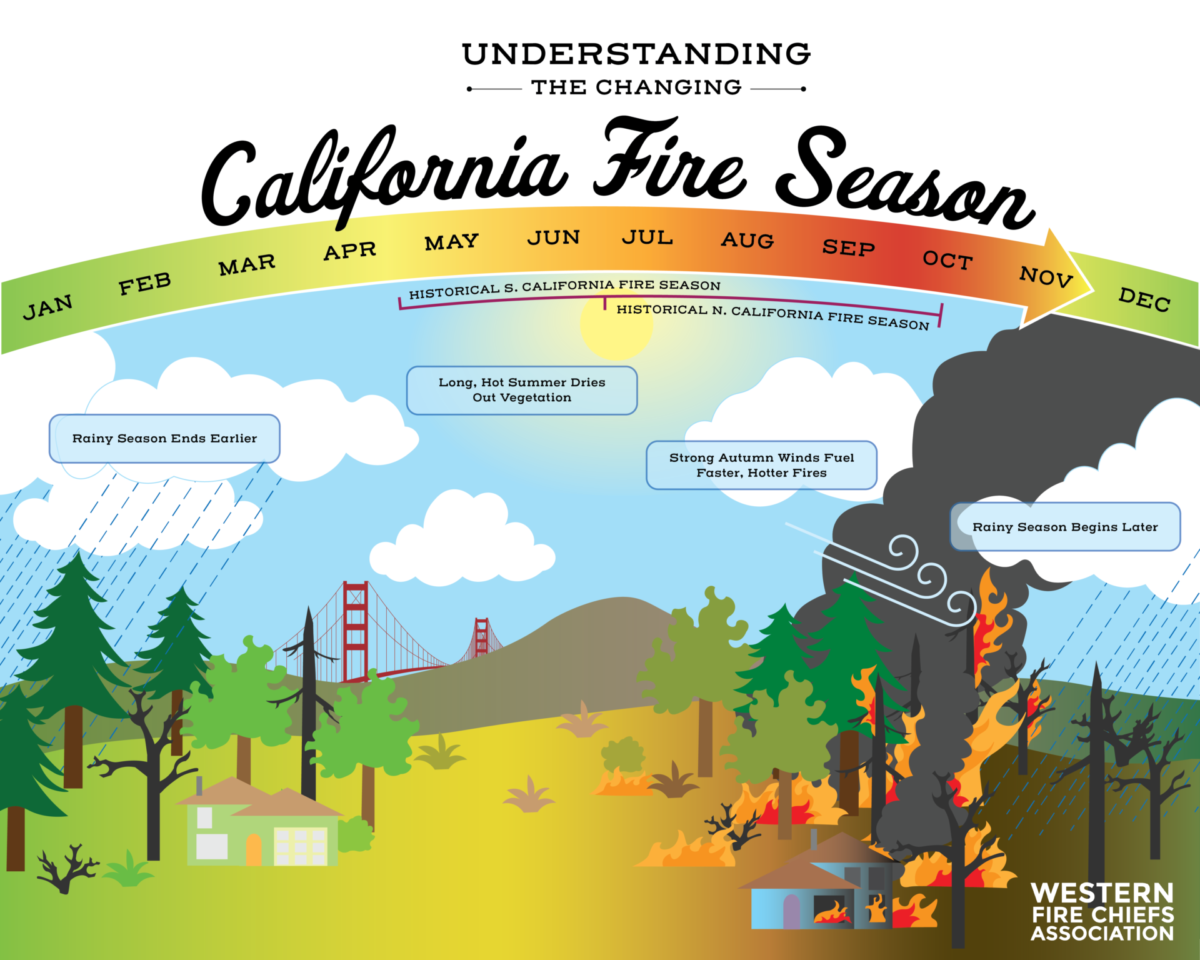
At the heart of California’s wildfire challenge is its distinctive Mediterranean climate. Characterized by hot, dry summers and mild, wet winters, this pattern naturally creates conditions ripe for fire. The long, rainless months from late spring through autumn desiccate vegetation, turning vast expanses into potential fuel. This natural predisposition is amplified by several key environmental factors:
Unique Vegetation Types
Much of California’s wildland is covered by highly flammable vegetation. Chaparral, a dense scrubland composed of drought-resistant shrubs, dominates coastal ranges and foothills. These plants, such as manzanita and chamise, are naturally adapted to fire, often regenerating quickly afterward, but they also burn intensely. In higher elevations and parts of the Sierra Nevada, conifer forests, including pines and firs, accumulate vast amounts of deadwood, needles, and undergrowth, providing ample ladder fuels that can carry ground fires into the canopy, creating dangerous crown fires. The iconic Giant Sequoias in Sequoia National Park and other groves, while historically resilient to low-intensity fires, are now threatened by increasingly severe megafires due to fuel buildup.
Topography and Winds
California’s rugged topography further complicates fire suppression. Steep slopes and canyons act as natural chimneys, funneling winds and accelerating fire spread uphill. Moreover, the state is famous for its powerful, dry, downslope winds. The most notorious are the Santa Ana winds in Southern California, and similar Diablo winds in the north. These winds, typically occurring in autumn, push hot, dry air from inland deserts toward the coast, stripping moisture from vegetation and fanning even small sparks into infernos that can travel miles in a short time. Historic landmarks and communities nestled in canyons, from the Malibu hills to the Oakland-Berkeley hills, are particularly exposed to these wind-driven events.
Human Ignition: The Prevailing Catalyst
While California’s environment sets the stage, human activity is overwhelmingly the primary ignition source for most wildfires. Studies consistently show that over 90% of California wildfires are human-caused, stemming from a range of often preventable actions.
Utility Infrastructure
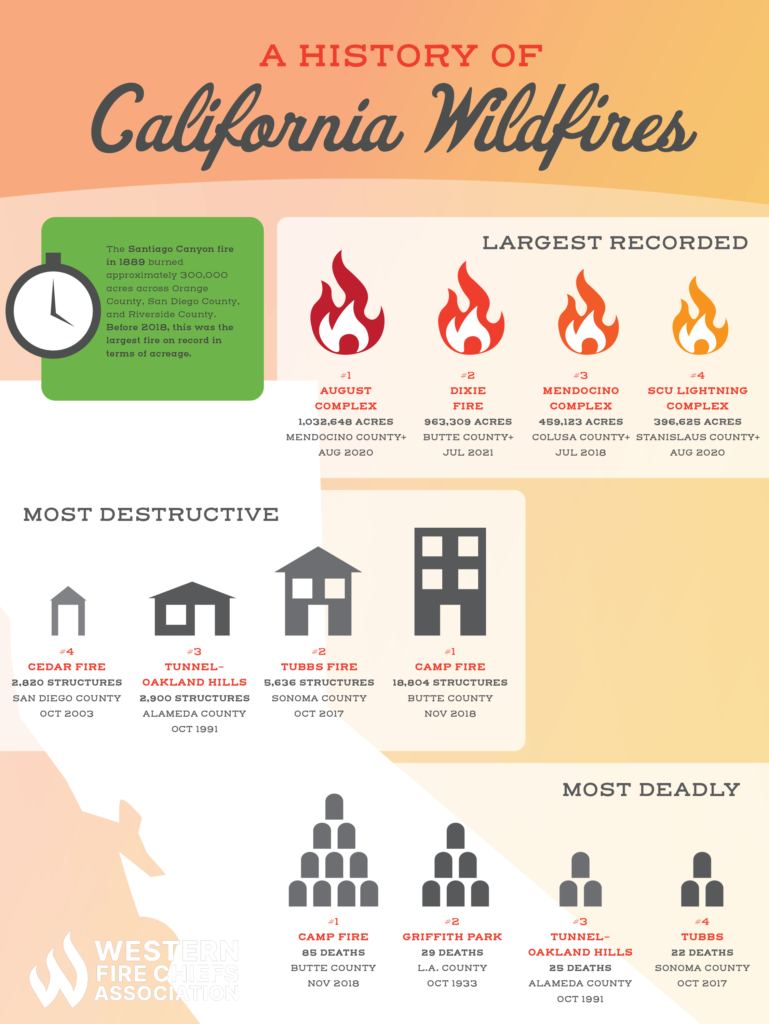
Faulty or aging electrical infrastructure, particularly power lines, has been a significant culprit in many of California’s most destructive fires. Strong winds can cause lines to sway and come into contact with vegetation, or snap and fall, showering sparks onto dry brush. For instance, the infamous Camp Fire in 2018, which decimated the town of Paradise, was directly attributed to equipment owned by Pacific Gas and Electric (PG&E). The sheer scale of utility infrastructure across vast and often remote wildlands presents an immense challenge for maintenance and prevention.
Accidental and Negligent Acts
A broad category of human-caused fires falls under accidental or negligent acts:
- Discarded cigarettes: A seemingly small act can have catastrophic consequences in dry conditions.
- Campfires: Unattended or improperly extinguished campfires are a perennial cause, especially in popular recreational areas within National Parks and State Parks.
- Equipment use: Sparks from lawnmowers, chainsaws, or agricultural equipment can easily ignite dry grasses. Vehicle catalytic converters, dragging chains from trailers, or even hot brakes can also be sources of ignition.
- Construction activities: Grinding, welding, or other operations producing sparks can be highly dangerous near dry vegetation.
- Fireworks: Illegal fireworks, especially during periods of high fire danger, often lead to significant blazes.
- Target shooting: Bullets striking rocks can create sparks capable of igniting fires.
Arson
While less frequent than accidental causes, intentional acts of arson account for a notable percentage of fires. These deliberate acts pose a unique challenge for law enforcement and fire agencies, often targeting remote areas where detection is difficult. The motivations vary, from malicious intent to psychological factors, but the environmental and economic damage is profound.
Natural Ignition: The Role of Lightning
While less common than human-caused ignitions, lightning strikes remain a significant natural source of wildfires, particularly in remote and mountainous regions of California.
Dry Lightning Storms
The most problematic lightning events are “dry lightning” storms. These occur when thunderstorms produce lightning but very little or no rain reaches the ground. The lightning bolts can ignite multiple fires simultaneously, often in areas that are difficult for firefighters to access, such as the high country of the Sierra Nevada or parts of Yosemite National Park. These fires can smolder undetected for days before growing large enough to be spotted, by which time they have often gained significant momentum, especially if followed by high winds or prolonged dry conditions.
Climate Change: An Overarching Driver of Intensity
Beneath the immediate ignition sources, climate change acts as an overarching force, exacerbating every aspect of California’s fire problem. It doesn’t start fires in the traditional sense, but it supercharges the conditions that allow them to ignite more easily, spread faster, and burn with greater intensity and destructiveness.
Longer, Hotter Dry Seasons
Rising global temperatures have led to longer and more intense heatwaves across California. This extends the fire season, pushing it earlier into spring and later into fall. The prolonged periods of high heat dry out vegetation more thoroughly, creating an abundance of highly combustible fuel.
Increased Drought Frequency and Severity
California has experienced increasingly frequent and severe droughts. Less precipitation means less moisture in the soil and plants, rendering forests and wildlands exceptionally vulnerable. Trees weakened by drought are also more susceptible to insect infestations, like bark beetles, which kill trees and add even more dry fuel to the landscape.
Reduced Snowpack
A significant portion of California’s water supply and environmental moisture comes from the Sierra Nevada snowpack. Climate change has led to warmer winters, resulting in less snow and earlier snowmelt. This prematurely dries out the landscape, extending the period of high fire risk into what was traditionally a wetter, safer time of year.
Fuel Accumulation
Historically, California’s ecosystems evolved with frequent, low-intensity fires that cleared out underbrush. A century of aggressive fire suppression, while protecting communities, has led to an unnatural accumulation of dense vegetation and dead organic material. This “fuel load,” combined with climate-driven desiccation, transforms landscapes into potential infernos when a spark eventually ignites. The impact on iconic natural landmarks, from the ancient forests of Sequoia National Park to the wilderness areas of Yosemite National Park, is profound, threatening species that once thrived with regular, natural fire cycles.
In conclusion, the question “What started California fire?” elicits a complex answer. While natural factors like climate and topography create a susceptible environment, human activity is the predominant trigger for ignition. However, the overarching threat of climate change magnifies these factors, intensifying the frequency, size, and severity of fires, profoundly altering California’s iconic natural landmarks and challenging its resilience. Addressing this multifaceted problem requires a comprehensive approach, from infrastructure upgrades and responsible land management to global efforts to mitigate climate change, ensuring the preservation of California’s unique natural heritage for future generations.
LifeOutOfTheBox is a participant in the Amazon Services LLC Associates Program, an affiliate advertising program designed to provide a means for sites to earn advertising fees by advertising and linking to Amazon.com. Amazon, the Amazon logo, AmazonSupply, and the AmazonSupply logo are trademarks of Amazon.com, Inc. or its affiliates. As an Amazon Associate we earn affiliate commissions from qualifying purchases.