
California, often called the Golden State, is a land of unparalleled diversity, not just in its landscapes and cultures but also in its climate. Spanning nearly 900 miles from its northern border with Oregon to its southern border with Mexico, and stretching from the Pacific Ocean eastward to the Sierra Nevada Mountains and beyond into vast deserts, California’s weather patterns are as varied as its topography. Understanding these distinct microclimates and seasonal shifts is paramount for any traveler planning an itinerary, ensuring an optimal experience whether seeking sun-drenched beaches, snowy peaks, or blooming deserts.
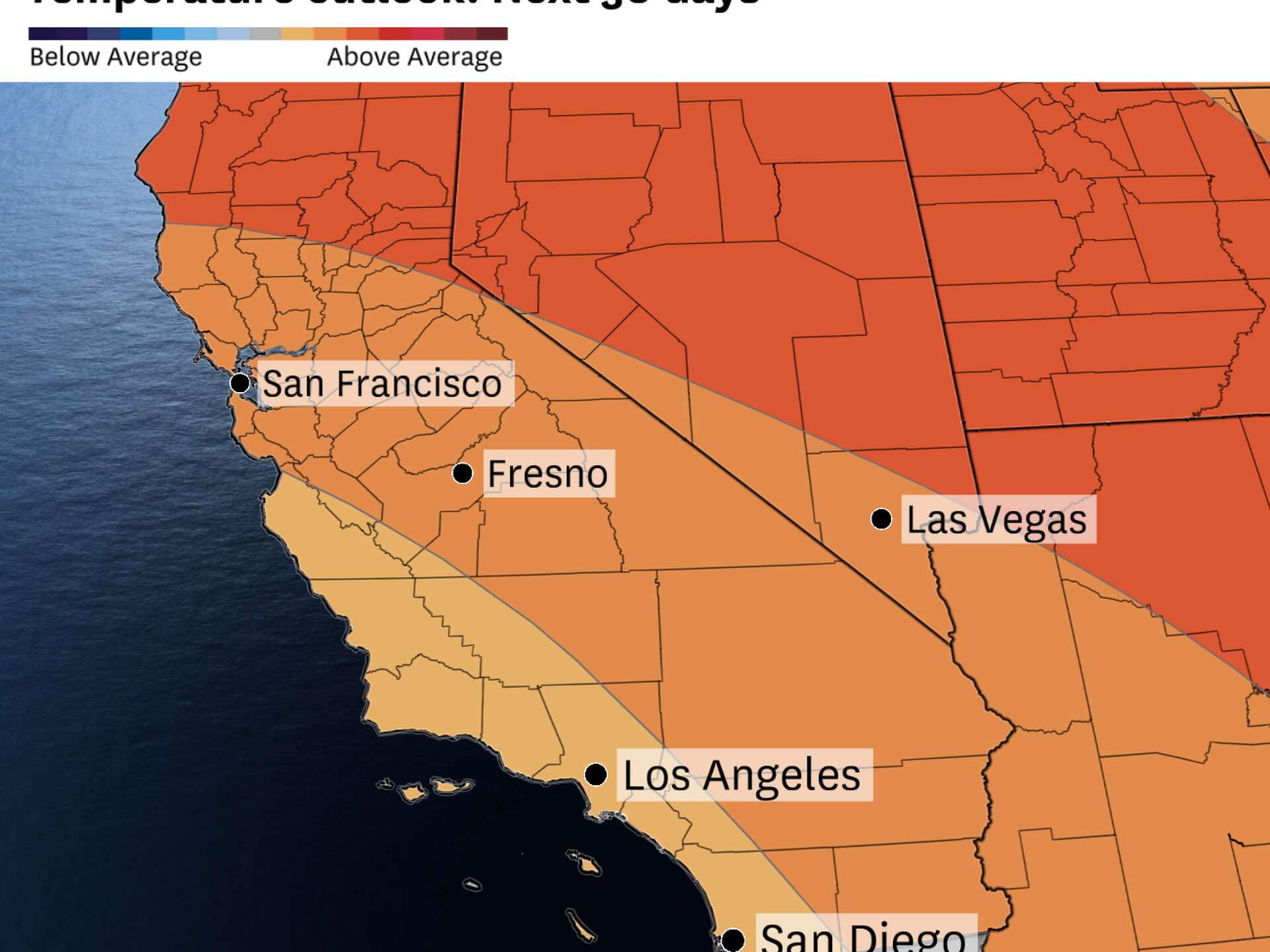
A Land of Microclimates: Understanding California’s Diverse Climate Zones
The sheer size and varied geography of California lead to several distinct climate zones, each with its own characteristic weather patterns. Travelers should never assume that the weather in one part of the state will mirror another.
The Mediterranean Coast
The coastal regions of California, from San Diego in the south to the redwood forests in the north, experience a Mediterranean climate. This means mild, wet winters and warm, dry summers. Temperatures are largely moderated by the Pacific Ocean, leading to less extreme variations compared to inland areas.
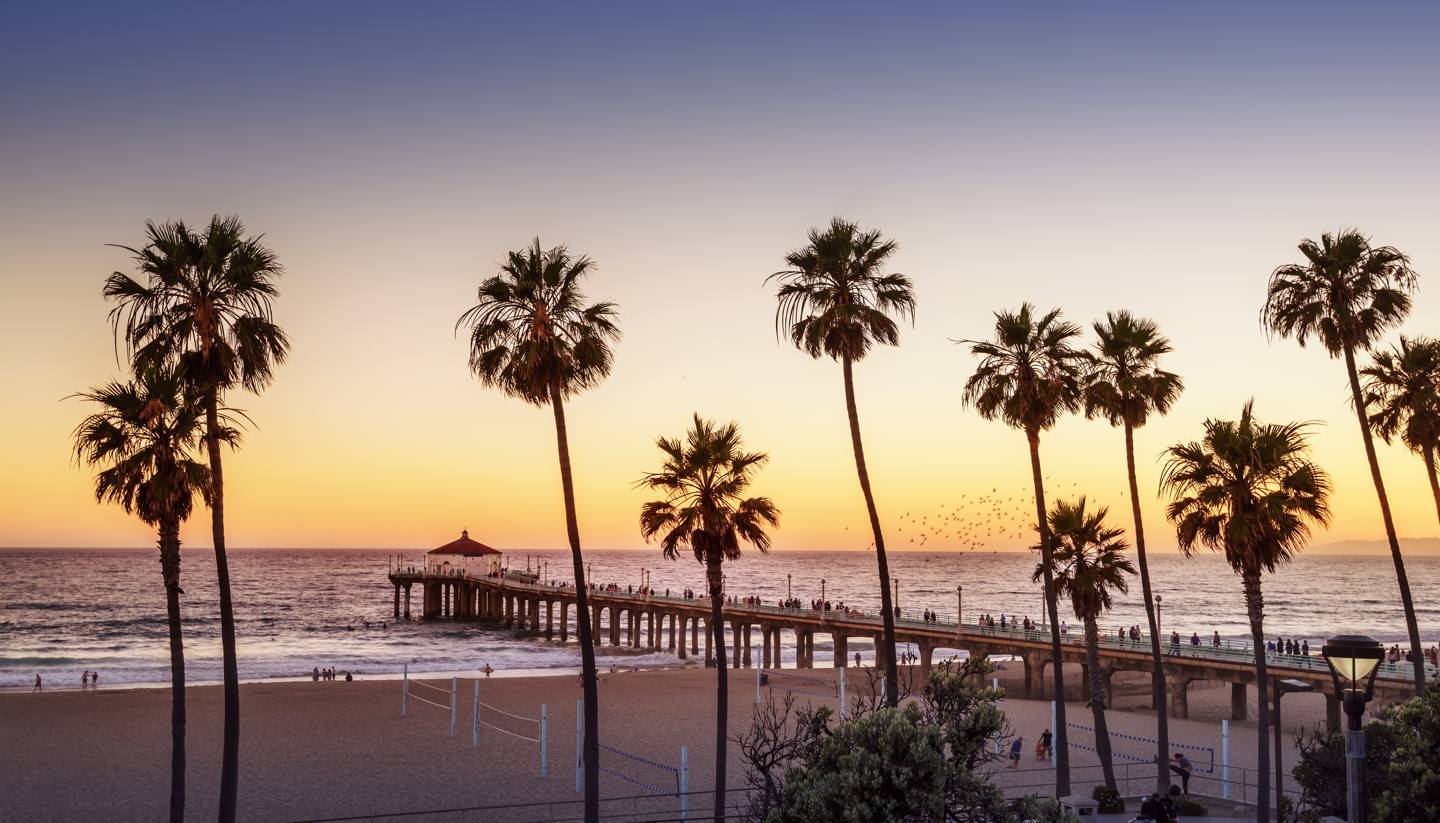
In cities like Los Angeles and San Diego, summer daytime temperatures typically range from the mid-70s to low 80s Fahrenheit (24-28°C), with coastal breezes providing relief. Winters are generally mild, with daytime highs in the mid-60s (18-20°C) and occasional rain. Further north, in San Francisco, summers are notoriously cooler and foggier, with temperatures often staying in the mid-60s (18-20°C) even in July and August due to the persistent marine layer. Winters in San Francisco are wet and mild, rarely dropping below freezing.
The famed “May Gray” and “June Gloom” are common phenomena along the southern and central coast, where persistent marine layer clouds keep skies overcast during morning hours, often burning off by the afternoon. This can influence beach plans, particularly in early summer.
Arid Deserts and Valleys
East of the coastal ranges and the Sierra Nevada Mountains, California’s landscape transforms into vast desert regions, including the Mojave Desert and the Colorado Desert. These areas are characterized by extreme temperatures, particularly in summer.
Death Valley National Park, for instance, holds the record for the hottest air temperature ever recorded on Earth and regularly sees summer temperatures exceeding 120°F (49°C). Even popular desert destinations like Palm Springs experience summer highs consistently above 100°F (38°C). Winters in the desert are remarkably pleasant, with clear skies and mild daytime temperatures often in the 60s and 70s (15-25°C), making it a popular escape from colder climates. Rainfall is scarce year-round, contributing to the unique arid flora and fauna.
Majestic Mountains and High Altitudes
The imposing Sierra Nevada Mountains, which run nearly the length of eastern California, define another distinct climate zone. Elevations here range dramatically, from the foothills to peaks over 14,000 feet. The weather varies significantly with altitude.
Winters bring substantial snowfall, making areas like Lake Tahoe and Mammoth Lakes prime destinations for skiing and snowboarding. Snow depths can be measured in feet, and temperatures regularly drop below freezing, sometimes well into the negatives at higher elevations. Summers in the mountains are typically warm and sunny during the day, ideal for hiking and camping, with cooler, crisp nights. Afternoon thunderstorms are not uncommon, particularly in late summer. Spring sees significant snowmelt, feeding rivers and creating spectacular waterfalls in places like Yosemite National Park, but also leading to road closures at higher passes well into June or even July.
Central Valley’s Continental Influence
Nestled between the coastal ranges and the Sierra Nevada Mountains, the Central Valley is one of the most productive agricultural regions in the world. Cities like Sacramento and Fresno experience a more continental climate, characterized by hotter, drier summers and cooler, foggier winters than the coast.
Summer temperatures in the Central Valley regularly climb into the high 90s and low 100s Fahrenheit (35-40°C), with very low humidity. This intense heat is ideal for growing crops but can be challenging for visitors unaccustomed to it. Winters are mild but often feature dense fog, known as “Tule Fog,” which can reduce visibility to near zero and impact travel. Daytime winter temperatures are usually in the 50s and 60s (10-18°C), with nighttime lows occasionally dipping below freezing.
Seasonal Overview: What to Expect When
Each season in California offers a unique set of weather conditions, influencing the types of activities and destinations best suited for travel.
Spring: Bloom and Mildness (March to May)
Spring is a beautiful time to visit California. Along the coast, temperatures are pleasantly mild, perfect for sightseeing in San Francisco or exploring the beaches of Los Angeles. The deserts come alive with wildflowers after winter rains, creating a vibrant spectacle before the intense summer heat sets in. In the mountains, spring brings snowmelt, transforming waterfalls into powerful cascades and opening up lower elevation hiking trails. Higher mountain passes like Tioga Pass in Yosemite typically remain closed until late May or June due to snow. Packing layers is essential for spring travel, as temperatures can vary significantly from morning to afternoon and between different regions.
Summer: Sun-Drenched and Varied Heat (June to August)
Summers are the quintessential California experience for many, synonymous with sunshine. However, the heat varies dramatically. The coastal areas enjoy moderate temperatures, often cooler in the north (San Francisco) and warmer in the south (San Diego). Inland valleys and deserts experience intense heat, making early mornings and evenings the best times for outdoor activities. The mountains offer a cool escape, with clear, sunny days ideal for hiking and camping, though afternoon thunderstorms are possible. Summer is peak tourist season, especially along the coast and in national parks, so expect crowds and plan bookings well in advance. Hydration and sun protection are crucial, particularly inland.
Autumn: Golden Hues and Pleasant Breezes (September to November)
Many consider autumn the best time to visit California. The intense summer heat begins to subside, especially inland, leading to comfortable temperatures across most of the state. The coastal fog typically lessens, and the ocean water is at its warmest. Napa Valley and Sonoma Valley are particularly picturesque during the grape harvest season, with changing vine leaves adding vibrant color. Mountain regions showcase stunning fall foliage, especially in the Eastern Sierra Nevada. Desert temperatures become very pleasant, ideal for exploration. This shoulder season often means fewer crowds than summer and generally stable, enjoyable weather.

Winter: Rain, Snow, and Coastal Comfort (December to February)
California’s winters bring much-needed rain to the lowlands and significant snowfall to the mountains. While the mountains become a winter wonderland for skiing and snowboarding, coastal cities like Los Angeles and San Diego remain relatively mild, with occasional rain showers and daytime temperatures in the 60s (15-20°C). Northern coastal areas and cities like San Francisco experience more frequent and heavier rainfall. The deserts offer crisp, cool days perfect for hiking. This is also whale watching season along the coast. Travelers heading to the mountains must be prepared for snow, ice, and potential road closures, often requiring snow chains.
Preparing for Your California Journey: Packing and Activities
Given California’s diverse climates, strategic packing and activity planning based on weather forecasts are essential.
Coastal Adventures
For coastal cities and towns like Santa Monica, Monterey, or Big Sur, layers are key year-round. Even in summer, evenings can be cool, especially in San Francisco. A light jacket or sweater is almost always a good idea. Sunscreen and sunglasses are mandatory for sunny days, even if temperatures are mild. Activities include beach relaxation, surfing, scenic drives, and exploring charming seaside towns. In winter, an umbrella and waterproof jacket are advisable for rain.
Desert Explorations
When visiting desert regions such as Joshua Tree National Park or Death Valley, especially during spring, autumn, or winter, pack light, breathable clothing, a wide-brimmed hat, sunglasses, and plenty of water. Even in cooler months, daytime sun can be intense. In summer, it’s best to avoid extended outdoor activities during peak heat hours. Nighttime desert temperatures can drop significantly, so a light jacket or long sleeves are useful. Hiking, stargazing, and photography are popular activities.
Mountain Retreats
Travelers heading to the Sierra Nevada Mountains or other high-altitude areas like Lassen Volcanic National Park need to prepare for variable conditions. In summer, breathable hiking gear, sun protection, and layers for cool evenings are crucial. In winter, heavy winter clothing, waterproof outer layers, snow boots, and essential gear like snow chains for your vehicle are a must. Activities range from summer hiking, climbing, and fishing to winter skiing, snowboarding, and snowshoeing. Always check road conditions and weather advisories before heading into the mountains.
City Escapes
Major cities like Los Angeles, San Francisco, and Sacramento require adaptable packing. For Los Angeles, light clothing for day and a jacket for evenings usually suffice. San Francisco demands layers even in summer, with a warm jacket being a staple. Sacramento and the Central Valley call for light clothing in summer and warmer attire with an emphasis on waterproofs in winter due to potential fog and rain. Activities include urban sightseeing, museum visits, dining, and exploring local culture.
Navigating Weather Phenomena and Travel Tips
Understanding specific California weather phenomena and taking proactive measures can significantly enhance your travel experience.
Fog and Marine Layer
The marine layer is a common occurrence along the California coast, particularly from May to July. It often brings cool, cloudy, and sometimes misty conditions in the mornings, which usually burn off by the afternoon, revealing sunny skies. San Francisco’s famous fog can persist throughout the day, especially near the Golden Gate Bridge. When planning beach days or scenic coastal drives, factor in potential morning gloom, and pack layers. For inland areas, winter’s Tule Fog in the Central Valley can severely impact visibility and travel times; check local traffic and fog advisories.
Wildfires and Air Quality
California experiences a wildfire season, typically from late summer through autumn, though it can extend depending on conditions. Wildfires can cause significant air quality issues even far from the actual fire, blanketing regions in smoke. Before traveling during these months, check air quality reports (e.g., using EPA’s AirNow website) for your destination. If air quality is poor, consider indoor activities or adjust your itinerary. Stay informed about fire alerts, especially if visiting forested areas.
Desert Heat Warnings
During summer, desert temperatures can be dangerous. Heatstroke and dehydration are serious risks. Always carry more water than you think you’ll need, wear protective clothing, and avoid strenuous outdoor activities during the hottest parts of the day (mid-morning to late afternoon). Travel with a full tank of gas, and inform someone of your itinerary if you’re venturing into remote desert areas.
Mountain Snowfall and Road Closures
Winter travel to California’s mountains, while offering stunning scenery and winter sports, requires careful planning. Heavy snowfall can lead to road closures, especially on high mountain passes, and can strand travelers. Always check Caltrans or national park websites for current road conditions before departing. Chain controls are frequently enforced, meaning you’ll need to carry snow chains (and know how to install them) even if your vehicle has four-wheel drive. Be prepared for rapidly changing weather, reduced visibility, and icy conditions.
In conclusion, California’s weather is a captivating tapestry of climates, promising something for every traveler in every season. By understanding its regional variations and seasonal shifts, and by preparing accordingly, your journey through the Golden State will be as comfortable as it is memorable.
LifeOutOfTheBox is a participant in the Amazon Services LLC Associates Program, an affiliate advertising program designed to provide a means for sites to earn advertising fees by advertising and linking to Amazon.com. Amazon, the Amazon logo, AmazonSupply, and the AmazonSupply logo are trademarks of Amazon.com, Inc. or its affiliates. As an Amazon Associate we earn affiliate commissions from qualifying purchases.