
Obtaining a learner’s permit in Florida is more than just a procedural step; it’s a significant milestone that unlocks a new realm of independence and personal freedom, profoundly shaping one’s lifestyle. For residents, particularly young adults, it represents the initial foray into self-reliant mobility, offering the ability to access educational opportunities, employment, and the countless recreational pursuits that make the Sunshine State unique. This permit is your first key to exploring Florida’s diverse landscapes, from its pristine beaches and vibrant cities to its serene natural parks, all at your own pace. Understanding the process is crucial for seamlessly transitioning into this exciting new phase of life.
Understanding the Florida Learner’s Permit: Your Gateway to Independence
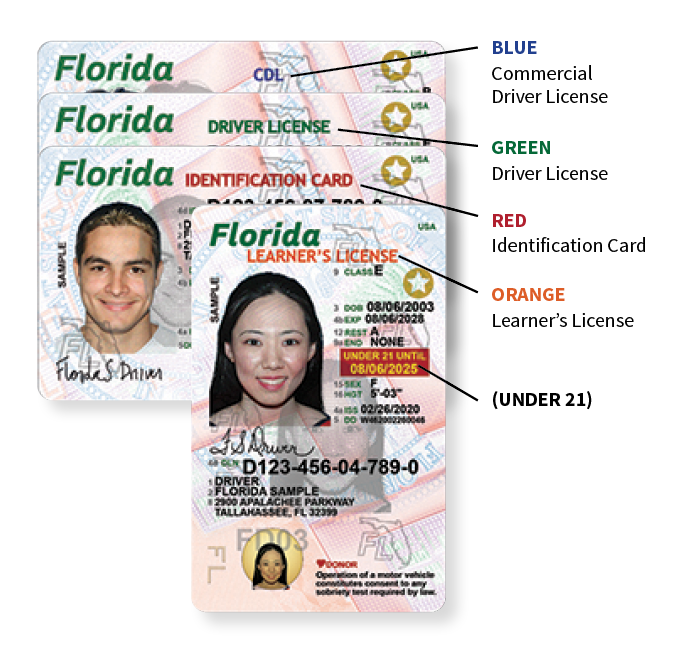
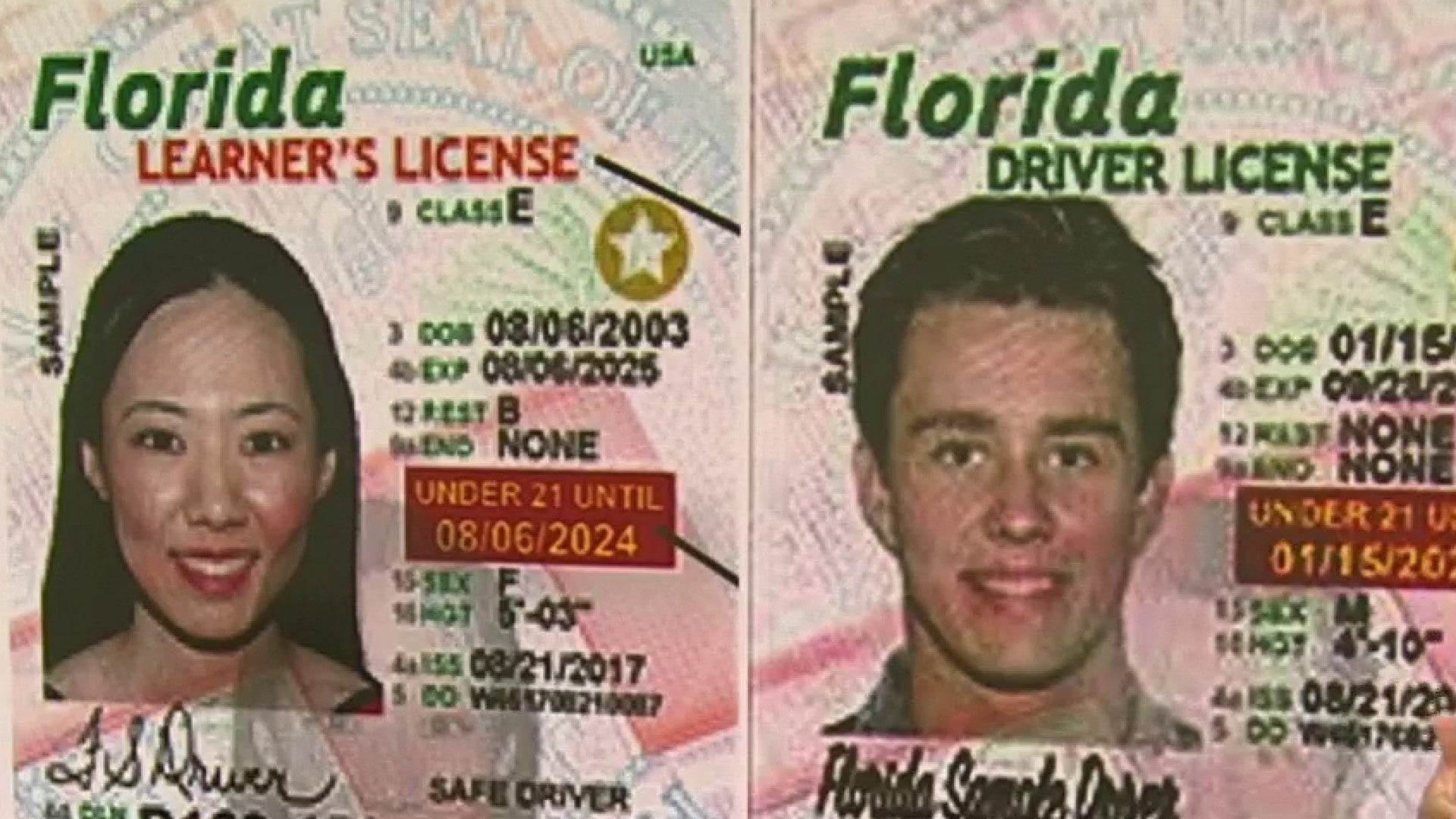
The Florida learner’s permit, officially known as a Class E Learner’s License, is designed to provide aspiring drivers with the foundational knowledge and supervised driving experience necessary before they can earn a full, unrestricted driver’s license. It’s a vital component of safe driving education, ensuring new drivers learn the rules of the road under controlled conditions.
Who Needs a Learner’s Permit?
Typically, individuals aged 15 to 17 who wish to learn to drive and eventually obtain a full Florida driver’s license must first acquire a learner’s permit. While primarily aimed at young drivers, adults who have never held a driver’s license may also begin their journey with a learner’s permit. Establishing residency in Florida is a prerequisite, meaning you must be able to prove that Florida is your primary home. This requirement ensures that the state’s resources are appropriately allocated and that drivers operating on Florida roads are accountable to its regulations.
Why It Matters for Your Florida Lifestyle
The impact of a learner’s permit on one’s lifestyle in Florida cannot be overstated. For teenagers, it signifies a major step towards adulthood, offering increased freedom from parental chauffeuring and the ability to pursue after-school activities, part-time jobs, and social engagements with greater ease. Imagine the convenience of driving yourself to a study group, a sports practice, or a friend’s house in Miami or Orlando.
For anyone, the permit facilitates a deeper engagement with the state’s myriad offerings. Florida is vast and diverse, from the bustling theme parks of Central Florida to the tranquil natural springs and the historic streets of St. Augustine. Public transportation can be limited outside major metropolitan areas, making personal vehicle access almost essential for truly experiencing what the state has to offer. A learner’s permit is the first step toward independent exploration, enabling future road trips to Key West, weekend getaways to Sarasota’s acclaimed beaches, or simply more convenient grocery runs and commutes. This newfound mobility fosters a sense of self-reliance and broadens personal horizons, allowing individuals to shape a more active and independent lifestyle within the Sunshine State.
Eligibility and Requirements: Paving Your Path to the Road
Before you can even consider taking the written exam, there are several foundational requirements set forth by the Florida Department of Highway Safety and Motor Vehicles (DHSMV) that you must meet. These requirements are in place to ensure all potential drivers are prepared and legally qualified.
Age and Residency Criteria
To apply for a Florida learner’s permit, you must be at least 15 years old. This age requirement is firm and non-negotiable. Additionally, you must prove your identity and residency in Florida. This involves providing specific documentation that verifies who you are and that Florida is your permanent home. For minors, parental consent is also a critical component, requiring a notarized parental consent form if the parent/guardian cannot be present at the DHSMV or tax collector’s office.
Identification Documents You’ll Need
Gathering the correct documents is paramount. You will need to present:
- Proof of Identity: This typically includes an original or certified birth certificate, a valid U.S. passport, or a certificate of naturalization. The name on your identity document must match the name you will use on your permit application.
- Proof of Social Security Number: Your Social Security card or a W-2 form showing your full Social Security number (SSN).
- Proof of Residential Address: Two different documents showing your current Florida residential address. Examples include utility bills, mail from government agencies, or a lease agreement. For minors, parental residential proofs are often accepted.
- Proof of Parental Consent (for minors): If you are under 18, a parent or legal guardian must sign a Parental Consent Form (Form HSMV 71142) in the presence of the examiner or a notary public.
Vision and Hearing Standards
All applicants for a Florida learner’s permit must pass a vision test to ensure they can see well enough to operate a vehicle safely. This test assesses your visual acuity. If you require corrective lenses (glasses or contacts) to meet the minimum vision standards, this restriction will be noted on your permit. A hearing test is also required, though accommodations can be made for individuals with hearing impairments. These tests are administered at the DHSMV or tax collector’s office during your application appointment.
The Traffic Law and Substance Abuse Education (TLSAE) Course
A mandatory requirement for all first-time drivers in Florida is the completion of the Traffic Law and Substance Abuse Education (TLSAE) course. This 4-hour course covers crucial topics such as Florida traffic laws, the dangers of driving under the influence of alcohol and drugs, and responsible driving practices. It is a foundational course designed to instill safe habits and a deep understanding of the responsibilities that come with driving. The TLSAE course can be taken online or in person through various state-approved providers, offering flexibility to integrate this essential education into your schedule without disrupting your daily lifestyle.
Mastering the Permit Exam: Knowledge for the Road Ahead
Once you’ve met the preliminary requirements, the next hurdle is demonstrating your knowledge of Florida’s traffic laws and road signs by passing the written learner’s permit exam. This exam is a critical step in ensuring you understand the rules designed to keep everyone safe on Florida’s roads.
Studying the Florida Driver Handbook
The official Florida Driver Handbook is your primary resource for exam preparation. Available online on the DHSMV website, this comprehensive guide covers everything from basic road rules and traffic signals to defensive driving techniques and the specifics of Florida law regarding various driving scenarios. Dedicate ample time to studying this handbook, paying particular attention to speed limits, right-of-way rules, parking regulations, and the meaning of different road signs. Many online practice tests are also available, which can help reinforce your learning and familiarize you with the exam format. Consistent study and practice will significantly boost your confidence and chances of success.
Understanding the Exam Format
The written learner’s permit exam consists of 50 multiple-choice questions. These questions are divided into two main categories:
- Road Rules: 40 questions covering general traffic laws, safe driving practices, and various driving situations.
- Road Signs: 10 questions testing your knowledge of different road signs, their meanings, and appropriate actions to take.
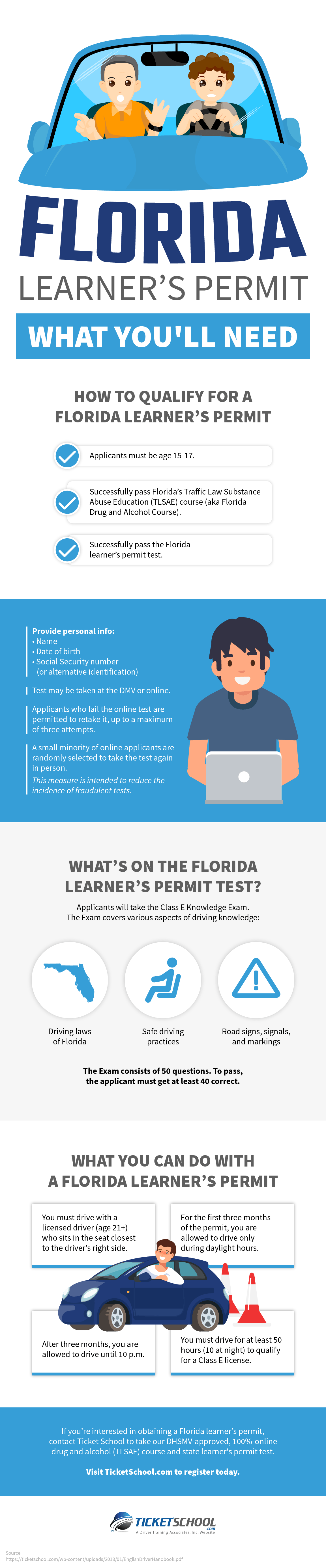
To pass the exam, you must answer at least 80% of the questions correctly, meaning you need to get at least 40 out of 50 questions right. The questions are designed to test your practical understanding of the rules rather than just memorization, encouraging thoughtful application of the knowledge to real-world driving scenarios.
Taking the Test: In-Person or Online?
For minors (under 18 years old), the learner’s permit written exam can often be taken online through a state-approved third-party provider, offering immense convenience. This allows you to take the test from the comfort of your home, reducing test-day anxiety and streamlining the overall application process. However, if you’re 18 or older, or if you prefer to take it in person, the exam is administered at a DHSMV driver license service center or a county tax collector’s office that offers driver license services. Regardless of where you choose to take it, ensure you are in a quiet environment if online, and well-rested and prepared for either option.
The Application Process: Steps to Secure Your Permit
Once you have completed the TLSAE course and are confident in your ability to pass the written exam, the final stage is to submit your application and officially receive your permit. This involves a visit to a DHSMV service center or a county tax collector’s office.
Making an Appointment with the DHSMV or Tax Collector’s Office
It is highly recommended, and often required, to schedule an appointment in advance. The DHSMV and tax collector offices can be very busy, and walk-in services are often limited or subject to long wait times. You can typically schedule an appointment online through the DHSMV website. When booking, select the service for “Original Driver License/ID Card” or “Learner’s Permit.” This proactive step ensures a smoother, more efficient visit, getting you closer to enjoying the freedoms of your Florida lifestyle without unnecessary delays.
Required Documentation Checklist
Before heading to your appointment, meticulously organize all required documents. This comprehensive checklist includes:
- Proof of identity (e.g., birth certificate, U.S. passport).
- Proof of Social Security number (e.g., SSN card, W-2).
- Two proofs of residential address (e.g., utility bills, bank statements).
- TLSAE course completion certificate (if not electronically submitted).
- Parental Consent Form (HSMV 71142) if you are under 18, signed and notarized if the parent/guardian is not present.
- If applicable, the results of your online learner’s permit exam.
Having all these documents readily available will prevent any last-minute issues and allow your application to proceed without a hitch.
The Fee Structure and Payment Options
There is a fee associated with obtaining a Florida learner’s permit. As of the current regulations, the fee for a Class E Learner’s License is typically around $48.00. However, fees can change, so it’s always wise to check the official DHSMV website for the most up-to-date information. Most DHSMV and tax collector offices accept various payment methods, including cash, checks, and major credit/debit cards. Be prepared with your preferred payment method to avoid any last-minute complications.
Receiving Your Permit and Next Steps
Once you successfully complete all the above steps – passing the vision and hearing tests, submitting all required documentation, verifying your identity and residency, and paying the fee – you will be issued your temporary learner’s permit on the spot. The physical, permanent permit card will usually be mailed to your Florida address within a few weeks. With your permit in hand, you are now legally allowed to begin supervised driving practice, marking the official start of your journey towards a full Florida driver’s license.
Life with a Florida Learner’s Permit: Embracing New Freedoms
Acquiring your Florida learner’s permit is a fantastic accomplishment, but it’s just the beginning. The permit comes with specific restrictions designed to ensure you gain experience safely before driving independently. This phase is crucial for developing the skills and confidence necessary for a lifetime of safe driving, profoundly impacting your ability to navigate and enjoy your Florida lifestyle.
Supervised Driving Requirements
With a learner’s permit, you are always required to drive under the supervision of a licensed driver. This supervising driver must be at least 21 years old and hold a valid full driver’s license. They must also occupy the front passenger seat next to you, providing immediate guidance and intervention if needed.
For the first three months of holding your permit, you are only allowed to drive during daylight hours (between sunrise and sunset). After these initial three months, your driving hours extend, allowing you to drive until 10 PM. This phased approach allows you to gradually adapt to different driving conditions and traffic scenarios under supervision. Before you can apply for a full driver’s license, you must also accumulate at least 50 hours of supervised driving practice, with 10 of those hours completed at night.
Building Confidence and Skills
The supervised driving period is your opportunity to hone your driving skills without the pressure of driving alone. Practice in various environments: quiet residential streets for basic maneuvers like turning and parking, then gradually move to busier roads and highways. Experience different weather conditions, if possible, always with your supervisor present. This hands-on experience is invaluable for developing spatial awareness, quick decision-making, and defensive driving habits. Your supervising driver serves as a mentor, offering real-time feedback and helping you build the confidence that will make you a safe and responsible driver. This training directly translates into the ability to seamlessly integrate driving into your daily Florida lifestyle, from commuting to school or work to weekend adventures.
Exploring Florida’s Diversity with Your New Mobility
With a learner’s permit, even supervised, you begin to appreciate the freedom of movement that a car provides in Florida. Imagine driving to nearby beaches like those along the Gulf Coast or Atlantic Seaboard, exploring charming towns, or accessing state parks and natural springs for hiking or swimming. While your supervisor is always with you, you are in control, navigating the routes and experiencing the journey firsthand. This newfound access to Florida’s diverse attractions greatly enhances your leisure and social life, allowing you to plan day trips and outings that were previously dependent on others.
Transitioning to a Full Driver’s License
To transition from a learner’s permit to a full Class E driver’s license, you must hold your permit for at least 12 months without any traffic convictions, or until you turn 18 years old, whichever comes first. You must also complete the required 50 hours of supervised driving, including the 10 night hours. Once these criteria are met, you will be eligible to take the driving skills test (road test) at a DHSMV service center. Passing this final test will grant you the full freedom of the open road, solidifying your independent Florida lifestyle and allowing you to explore everything the state has to offer without supervision. The journey from permit to license is a transformative one, equipping you with a crucial life skill and the means to fully engage with the vibrant opportunities that await in Florida.
LifeOutOfTheBox is a participant in the Amazon Services LLC Associates Program, an affiliate advertising program designed to provide a means for sites to earn advertising fees by advertising and linking to Amazon.com. Amazon, the Amazon logo, AmazonSupply, and the AmazonSupply logo are trademarks of Amazon.com, Inc. or its affiliates. As an Amazon Associate we earn affiliate commissions from qualifying purchases.