
Understanding time zones is a critical element of seamless travel, especially when traversing vast distances across a continent. For those planning a journey from the Eastern Standard Time (EST) zone to the vibrant landscapes of California, a precise grasp of the time difference isn’t just a matter of curiosity; it’s fundamental to logistics, appointments, and maximizing your experience. The simple question of “What time is 3 PM EST in California?” unlocks a deeper discussion about travel planning, time zone adjustments, and the practicalities of cross-country adventures.
Navigating Time Zones for Seamless California Travel
The continental United States spans several distinct time zones, each representing a fixed offset from Coordinated Universal Time (UTC). Traveling between these zones requires careful consideration to avoid missed connections, inconvenient delays, or simply misinterpreting local schedules.
Understanding Eastern Standard Time (EST)
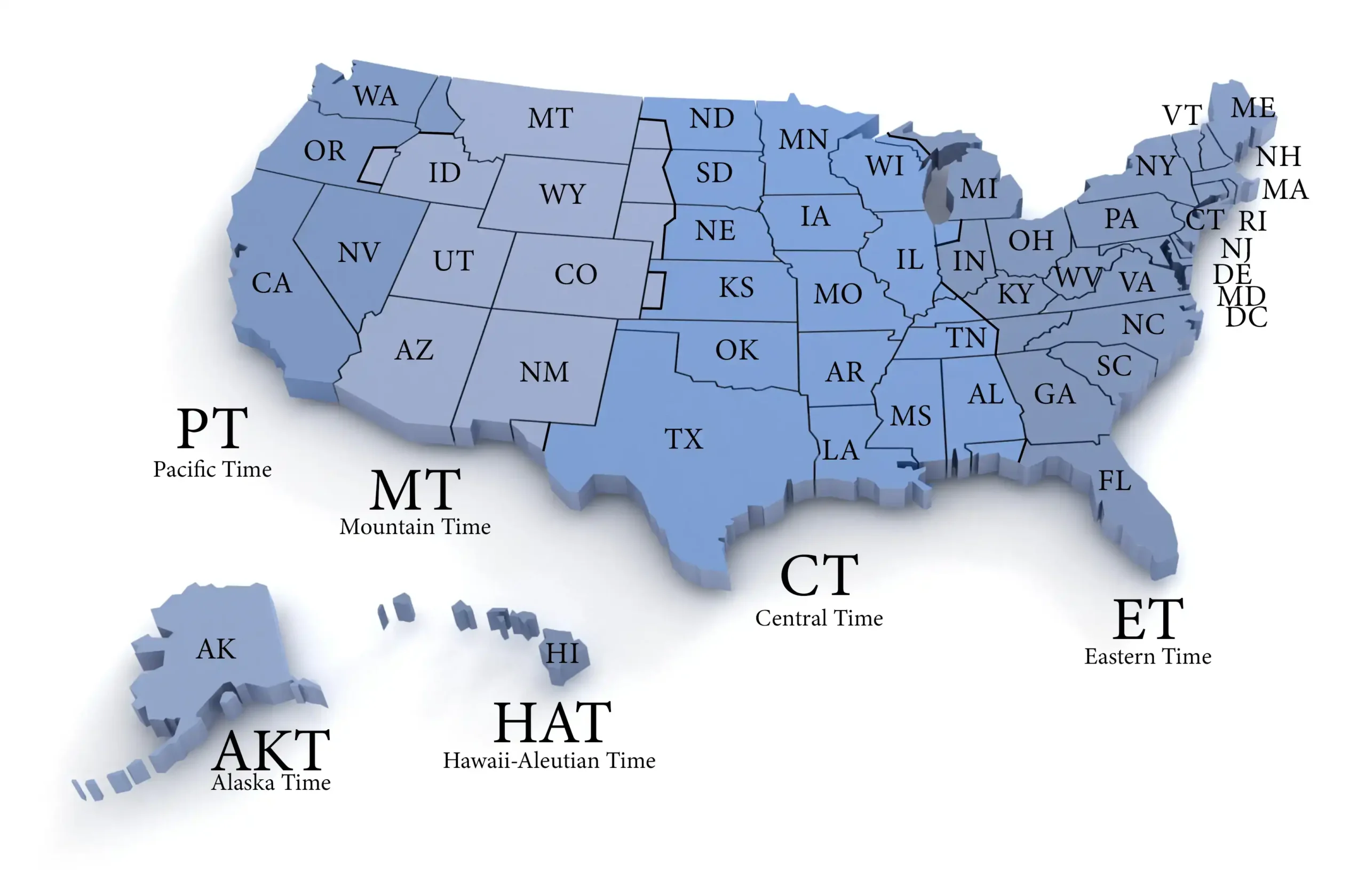
Eastern Standard Time (EST) observes UTC-5 during standard time and UTC-4 during Daylight Saving Time (EDT). It covers a significant portion of the eastern seaboard and states further inland, including major hubs like New York City, Miami, Orlando, Boston, and Philadelphia. For many travelers originating from these areas, EST is their default time reference point, making conversions crucial when planning trips out west. Whether it’s booking a flight, scheduling a virtual meeting, or simply telling a friend when you expect to land, knowing how your home time translates to your destination’s local time is essential.
The Pacific Time Zone (PT): California’s Standard
California operates predominantly under the Pacific Time Zone (PT). During standard time, this is Pacific Standard Time (PST), which is UTC-8. When Daylight Saving Time (DST) is in effect, it switches to Pacific Daylight Time (PDT), which is UTC-7. This means there is typically a three-hour difference between EST/EDT and PST/PDT. From the bustling streets of Los Angeles and San Francisco to the serene vineyards of Napa Valley and the majestic peaks of Yosemite National Park, all local times will adhere to the Pacific Time standard. This consistent difference simplifies calculations but emphasizes the need for travelers to “reset” their internal clocks, both literally and figuratively, upon arrival.
The Core Conversion: 3 PM EST to California Time
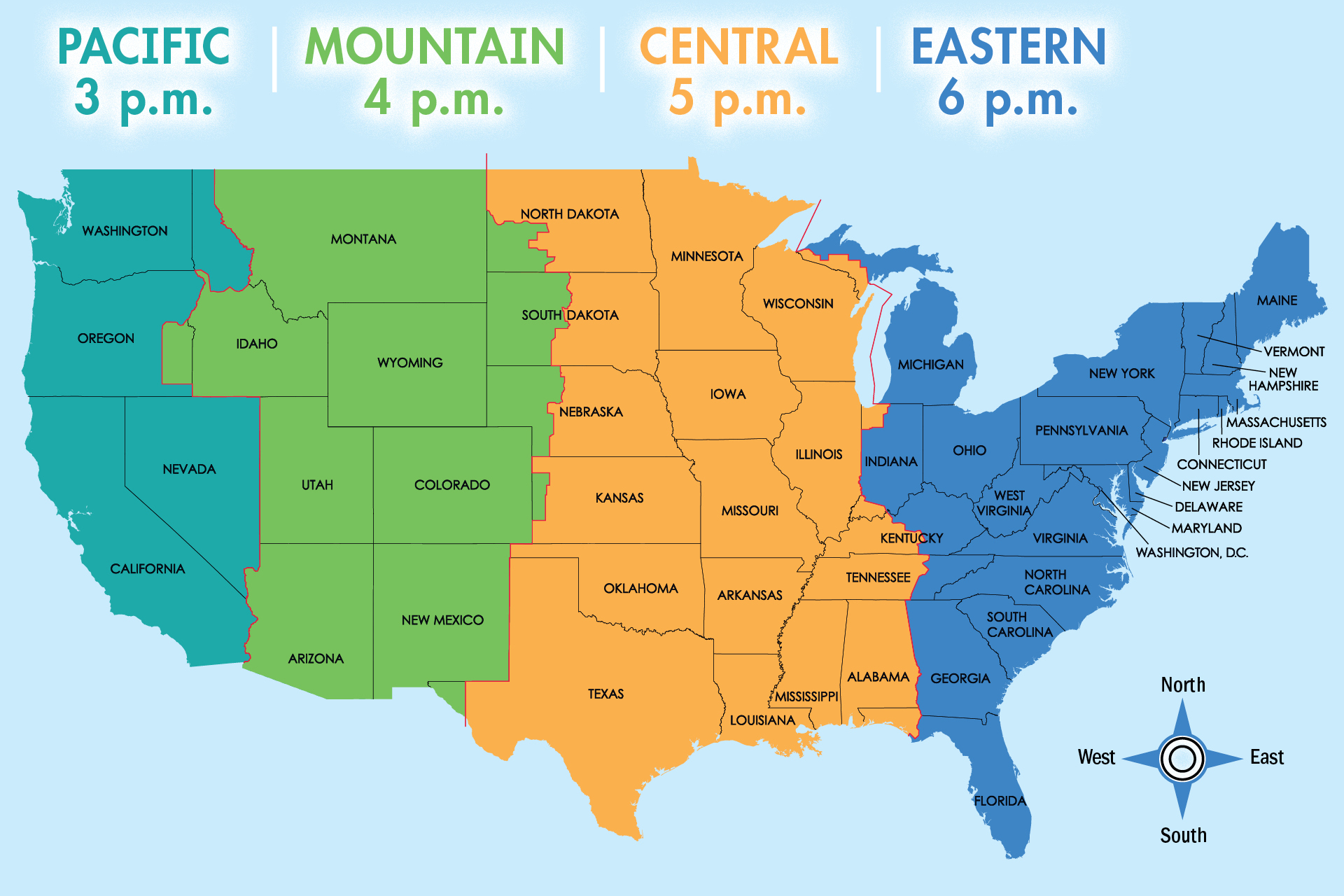
The fundamental difference between Eastern Standard Time (EST) and Pacific Time Zone (PT) is three hours. This means that California is consistently three hours behind EST.
A Simple Calculation for Travelers
To convert a time from EST to California time, you simply subtract three hours from the EST time.
Therefore, if it is 3 PM EST:
3 PM EST – 3 hours = 12 PM PT
So, when it is 3 PM in New York City, it is 12 PM in Los Angeles. This simple calculation is the bedrock of planning any travel or communication across these two major time zones. For early morning calls, this can mean a significant shift; a 9 AM EST meeting would be a 6 AM PT wake-up call. Conversely, an evening event at 8 PM EST translates to a more relaxed 5 PM PT.
The Impact of Daylight Saving Time (DST)
Both the Eastern Standard Time zone and the Pacific Time Zone observe Daylight Saving Time, generally from the second Sunday in March to the first Sunday in November. During this period, EST becomes EDT (Eastern Daylight Time, UTC-4), and PST becomes PDT (Pacific Daylight Time, UTC-7). Crucially, both zones shift forward by one hour simultaneously. This means that the three-hour difference remains constant.
For example:
- During Standard Time: 3 PM EST (UTC-5) is 12 PM PST (UTC-8). The difference is (8-5) = 3 hours.
- During Daylight Saving Time: 3 PM EDT (UTC-4) is 12 PM PDT (UTC-7). The difference is (7-4) = 3 hours.
Travelers must be aware of the exact dates of Daylight Saving Time shifts, as minor miscalculations could still impact very specific flight timings or appointments on the changeover days. However, for the vast majority of the year, the three-hour rule holds firm, simplifying conversions for planning purposes.
Practical Implications for Your California Journey
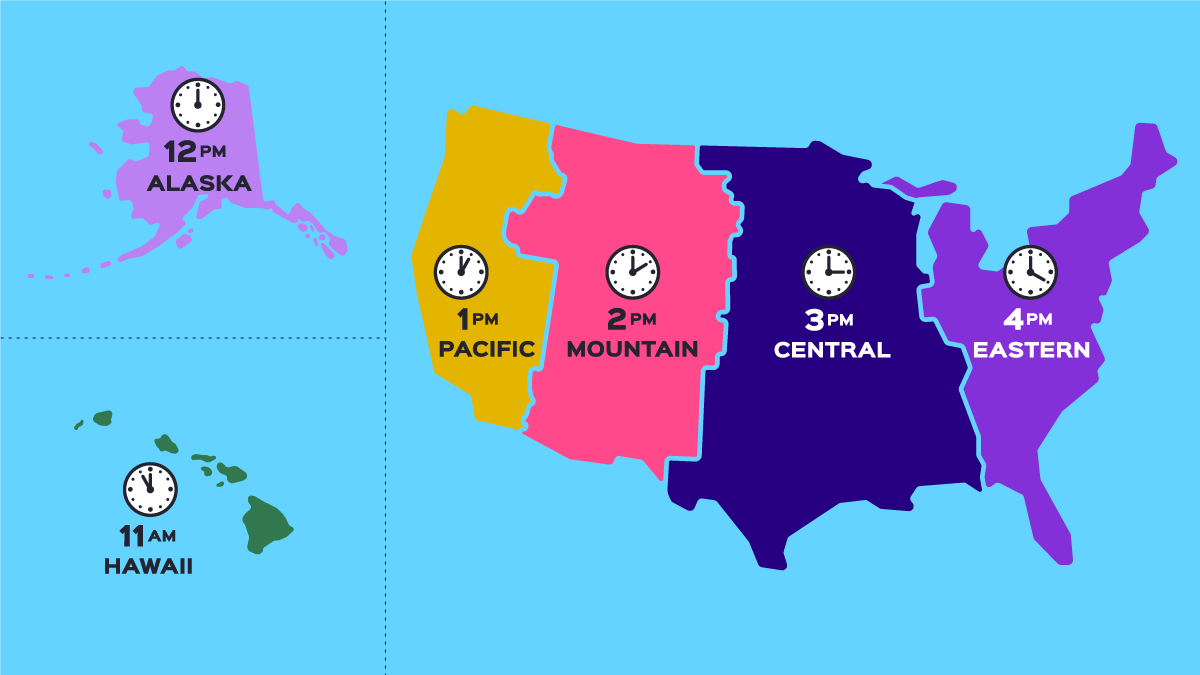
The three-hour time difference has wide-ranging practical implications for travelers. Ignoring it can lead to frustrating — and costly — mistakes, while understanding it ensures a smooth and enjoyable trip to destinations like San Diego, Palm Springs, or Lake Tahoe.
Flight Schedules and Airport Logistics
Airline tickets invariably display times in the local time of the departure and arrival airports. A flight departing New York City at 9 AM EST might be scheduled to arrive at Los Angeles International Airport (LAX) at 12 PM PT. While the numerical times appear the same, the actual duration of the flight is 6 hours (from 9 AM EST to 9 AM PT, plus 3 hours). Incorrectly calculating this can lead to missed connections, incorrect pick-up arrangements, or simply showing up late for onward travel. Always double-check your itinerary, paying close attention to the time zone specified for each segment. Modern travel apps and airline websites usually handle these conversions automatically, but manual verification is always a good practice.
Hotel Check-ins and Reservations
Most hotels adhere strictly to their local check-in and check-out times. If you’ve booked a hotel in San Francisco with a 3 PM check-in, and you’re arriving from an EST zone, a 3 PM EST arrival would mean you’d be attempting to check in at 12 PM PT, potentially several hours before your room is ready. Conversely, an early morning EST departure might mean you’re checking out of your California hotel much earlier than anticipated if you’re not factoring in the three-hour shift. Communicate your expected arrival time with your accommodation, and ensure it’s in the correct local time to avoid any inconvenience.
Business Meetings and Remote Work
For business travelers or those working remotely while visiting California, managing time zones is paramount. A critical 9 AM EST meeting would be a 6 AM PT start, potentially disrupting sleep and morning routines. Similarly, scheduling a meeting with colleagues or clients on the East Coast from California requires adjusting your perception of the day. A 2 PM PT call means your East Coast counterparts are joining at 5 PM EST, nearing the end of their workday. Leveraging calendar tools that automatically adjust for time zones is indispensable for preventing scheduling conflicts.
Event Planning and Ticketing
Attending a concert in Hollywood, visiting Disneyland, or booking a tour to the Golden Gate Bridge all rely on local timings. If a show starts at 7 PM PT, and you mentally calculate it as 10 PM EST, you risk missing the beginning or making late dinner reservations. Event tickets and reservations universally display local times, so a simple conversion upon purchase and again closer to the event date can prevent any confusion and ensure you’re on time for every memorable experience in California.
Maximizing Your Experience: Tips for Adjusting to the Time Difference
Jet lag is a common companion for travelers crossing multiple time zones. While a three-hour difference might seem manageable compared to international travel, it can still disrupt sleep patterns, energy levels, and overall enjoyment of your trip. Proactive strategies can significantly mitigate its effects.
Pre-Trip Preparation
- Gradual Adjustment: A few days before your trip, try shifting your sleep schedule by 30-60 minutes each day towards California time. Go to bed and wake up a little later than usual if traveling westbound.
- Update Devices: Ensure your smartphone, smartwatch, and other electronic devices are set to automatically update their time zone, or manually switch them to Pacific Time Zone as soon as you depart. This simple step eliminates mental arithmetic.
- Hydration and Rest: Prioritize hydration and adequate sleep in the days leading up to your flight. A well-rested body is better equipped to handle the stresses of travel and time zone changes. Avoid excessive caffeine and alcohol before and during your flight.
On-Arrival Strategies
- Embrace Local Time Immediately: The most crucial tip upon landing in California is to immediately adjust to the local time. If you arrive at 12 PM PT (which was 3 PM EST), fight the urge to nap if it’s still daytime. Instead, try to stay awake until a reasonable local bedtime.
- Seek Natural Light: Exposure to natural sunlight is a powerful tool for resetting your circadian rhythm. Spend time outdoors, perhaps exploring a local beach in Santa Barbara or hiking in Joshua Tree National Park, especially during the morning hours.
- Mindful Eating: Adjust your meal times to align with local California schedules. Eating at appropriate local times helps signal to your body that it’s in a new time zone.
- Moderate Activity: Engage in light physical activity on your first day to boost energy and promote better sleep later, but avoid intense workouts close to bedtime.
Leveraging Technology for Time Management
Modern technology offers numerous aids for managing time zone transitions:
- World Clock Apps: Utilize the world clock function on your smartphone or dedicated apps that display multiple time zones simultaneously. This is invaluable for scheduling calls or remembering deadlines in different locations.
- Time Zone Converters: Online tools and apps specifically designed for time zone conversion can provide quick and accurate calculations, useful for verifying complex schedules or specific appointment times.
- Smart Calendars: Most digital calendars (e.g., Google Calendar, Outlook Calendar) have built-in features to display event times in your current local time zone, even if they were scheduled in another. Ensure this feature is enabled and correctly configured.
By diligently applying these strategies and understanding the core three-hour difference, travelers can confidently navigate the time zone shift between EST and California, ensuring their focus remains on enjoying the incredible experiences that await them in the Golden State.
LifeOutOfTheBox is a participant in the Amazon Services LLC Associates Program, an affiliate advertising program designed to provide a means for sites to earn advertising fees by advertising and linking to Amazon.com. Amazon, the Amazon logo, AmazonSupply, and the AmazonSupply logo are trademarks of Amazon.com, Inc. or its affiliates. As an Amazon Associate we earn affiliate commissions from qualifying purchases.