
Understanding the California Drivers Ed Landscape
The Mandate for Aspiring Drivers
In the vibrant and sprawling state of California, obtaining a driver’s license is often more than a convenience—it’s a necessity for navigating its diverse landscapes, from the bustling streets of Los Angeles to the serene coastal highways. For prospective drivers under the age of 18, completing a state-approved Drivers Ed program is a mandatory prerequisite set by the California Department of Motor Vehicles (DMV). This educational cornerstone is designed not just to teach the rules of the road but to instill responsible driving habits, critical for safety on the Golden State’s busy thoroughfares. For individuals considering an extended stay, relocation, or simply integrating deeper into the local California lifestyle, understanding this essential step and its associated costs is paramount. It’s an investment in mobility and independence, crucial for truly experiencing all that California offers beyond its public transit options. Moreover, for those accustomed to different driving cultures, California’s unique traffic patterns and regulations necessitate specific instruction, making proper Drivers Ed an invaluable resource for seamless integration.
Components of a Comprehensive Drivers Ed Program
A complete Drivers Ed program in California typically consists of two main parts, each contributing to the overall cost and time commitment:
- Classroom Instruction (or Online Equivalent): This segment covers fundamental traffic laws, safe driving practices, accident avoidance techniques, the effects of drugs and alcohol on driving, and general driver responsibilities. The DMV requires a minimum of 30 hours of instruction for this portion. While traditionally conducted in a physical classroom setting, online Drivers Ed courses have become increasingly popular. These online platforms offer unparalleled flexibility, allowing students to complete the required hours at their own pace, from the comfort of their home or while on the go, which can be particularly convenient for those adjusting to new schedules in California.
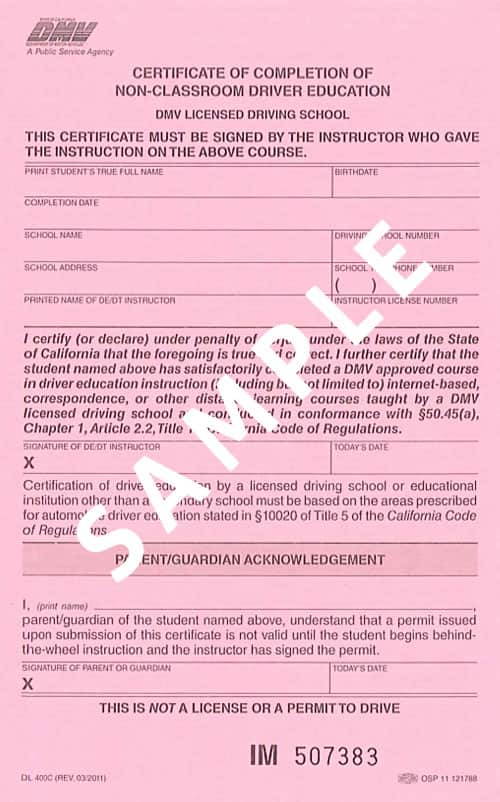
- Behind-the-Wheel Training: After successfully completing the theoretical instruction and passing a written test to obtain a provisional permit, new drivers must undertake a minimum of six hours of professional behind-the-wheel training with a licensed driving instructor. This practical training is usually broken into three two-hour sessions to allow for focused learning and skill development. It is crucial for translating theoretical knowledge into practical, real-world driving skills under supervised, controlled conditions, preparing the student for the complexities of California’s diverse road conditions.
Understanding the structure of these requirements is the first step in accurately budgeting for the overall expense, which can vary significantly depending on the provider, the chosen instructional format, and any bundled packages selected.
Dissecting the Costs: Online vs. In-Person vs. Packages
The cost of Drivers Ed in California is not a fixed figure. It fluctuates based on several factors, primarily the type of instruction chosen and the driving school or service provider. Being informed about these variations helps in making a cost-effective decision when planning for local activities.
Online Drivers Ed Courses
Online Drivers Ed courses represent the most affordable option for fulfilling the mandatory classroom portion of the requirement. They offer unparalleled flexibility, allowing students to complete the required 30 hours at their own pace, often with interactive modules and quizzes, from virtually any location with internet access.
- Typical Cost Range: $25 to $100.
- Factors Influencing Cost: Pricing can be influenced by the brand reputation of the online school, the interactivity of the course material, the level of customer support offered, and any special bundled offers. Some providers might offer very basic courses at the lower end of the spectrum, while more premium or extensively interactive platforms, often with integrated practice tests, might command a slightly higher price. Renowned online schools usually provide competitive pricing while maintaining high educational standards approved by the DMV.
Traditional Classroom Drivers Ed
While the prevalence of traditional classroom settings has diminished with the rise of online alternatives, they are still available, particularly through certain high schools or private driving schools. These settings provide a structured environment with direct, real-time interaction with instructors and peers.
- Typical Cost Range: $100 to $300.
- Factors Influencing Cost: The geographic location within California plays a significant role; cities like San Francisco or Los Angeles tend to have higher operational costs, reflected in tuition fees. The reputation of the school, the instructor-to-student ratio, and the size of the class can also affect pricing. This option often appeals to those who prefer a more traditional, disciplined learning environment or have specific scheduling constraints that align with fixed class times.
Behind-the-Wheel Training
This practical training component is typically the most significant expense within the overall Drivers Ed journey. The mandatory six hours of professional instruction are critical for practical skill development and for building confidence on the road.
- Typical Cost Range (per hour): $60 to $100+.
- Typical Cost Range (6-hour package): $350 to $700.
- Factors Influencing Cost:
- Geographic Location: Prices can vary significantly. Metropolitan areas such as the Bay Area, Orange County, San Diego, Los Angeles, and San Francisco invariably have higher costs due to increased operational expenses and demand. Conversely, more rural parts of California might offer more competitive rates.
- Instructor Experience & Reputation: Highly experienced, patient instructors with proven track records and schools boasting excellent pass rates often charge a premium for their expertise.
- Vehicle Type: Some schools offer training in newer, safer, or specific types of vehicles (e.g., smaller cars for easier maneuvering, or vehicles equipped with advanced safety features), which may influence the cost.
- Scheduling Flexibility: Schools that offer more flexible scheduling options, such as evening, weekend, or expedited lesson slots, may also come with a higher price tag.
Bundled Packages (Classroom + Behind-the-Wheel Training)
Many driving schools offer comprehensive packages that include both the theoretical instruction (online or classroom) and the behind-the-wheel training. These bundles can often provide a slight discount compared to purchasing each component separately, making them an attractive option for budget-conscious individuals.
- Typical Cost Range: $400 to $800+.
- Factors Influencing Cost: The depth and features of the online course (if included), the number of behind-the-wheel training hours provided (some packages offer more than the minimum six hours), and additional perks such as DMV test preparation, mock driving tests, or even car rental for the official driving test. For someone planning to spend a significant amount of time in California and needing a driver’s license for long-term mobility, a comprehensive package can offer peace of mind and simplify the entire process, ensuring a structured path to obtaining the license.
Factors Influencing Overall Drivers Ed Expenditures
Beyond the core components, several other elements can significantly impact the total amount you’ll spend on Drivers Ed in California. Understanding these nuances is key to effective budgeting and ensuring a smooth journey towards obtaining a California driver’s license as part of your integration into local life.
Geographic Location within California
As previously highlighted, the cost of living and doing business varies dramatically across California, and Drivers Ed is no exception. This variation reflects local economic conditions, demand, and operational expenses for driving schools.
- Higher Cost Areas: Major metropolitan areas such as Los Angeles, San Francisco, San Diego, the broader Bay Area, and Orange County typically feature higher prices for both classroom instruction and behind-the-wheel training. Expect to pay on the higher end of the ranges cited above in these bustling regions.
- Lower Cost Areas: Smaller cities or more rural areas like those surrounding Sacramento, within the Central Valley, or less densely populated northern California counties may offer more competitive pricing. Savings in these regions can be notable, potentially making it a consideration for those who have flexibility in where they undertake their training, though practicality often dictates staying local.
Reputation and Quality of Driving Schools
The choice of driving school is paramount, not only for cost but for the quality of instruction received. Reputable schools often have distinct characteristics that justify their pricing:
- Experienced Instructors: Highly trained, certified, and patient instructors can make a significant difference in a student’s learning experience, confidence, and readiness for the official driving test.
- Well-Maintained Vehicles: Safety is non-negotiable. Quality schools utilize modern, well-maintained vehicles equipped with essential safety features, including instructor brakes, ensuring a secure learning environment.
- High Pass Rates: Schools that consistently boast high pass rates for their students on the DMV driving test are generally a strong indicator of effective and thorough instruction.
While premium schools might charge more, the investment often pays off in terms of superior instruction, increased confidence, and potentially a higher chance of passing the DMV test on the first attempt, thereby saving on retesting fees and time. For anyone looking to establish themselves in California, selecting a school that aligns with your educational values and budget is a key consideration for long-term safety and convenience.
Additional DMV Fees
It’s crucial to remember that the costs for Drivers Ed courses and behind-the-wheel training do not encompass the administrative fees charged directly by the California DMV. These are separate, mandatory costs:
- Provisional Permit Application Fee: A fee is typically required when applying for the initial provisional permit, which allows supervised driving practice.
- Driver’s License Application Fee: This fee covers the cost of taking the written knowledge test, the actual driving skills test, and the issuance of the physical driver’s license.
These fees are usually modest, typically under $50, and are standard across the state, regardless of your chosen Drivers Ed provider. For those new to California or navigating its local systems for the first time, factoring these small but necessary expenses into the overall budget is crucial for a complete financial picture.
Smart Spending: Tips for Finding Affordable Drivers Ed in California
For many, especially those budgeting for a new life, an extended cultural immersion, or simply managing expenses in California, cost is a significant concern. Fortunately, there are actionable strategies to manage expenses without compromising on the quality or safety of your Drivers Ed.
Compare Online Providers
Given the wide range in pricing for DMV-approved online Drivers Ed courses, it truly pays to shop around. Dedicate time to research various providers. Look for courses that offer good value, meaning they are comprehensive, easy to navigate, and provide adequate support at a reasonable price. Read reviews from previous students, compare interactive features, and always check for any introductory offers, seasonal discounts, or student promotions. Often, the core content quality across different approved online platforms is similar, so a lower price point, when verified for approval and usability, represents a genuine saving.
Seek Out Package Deals
As highlighted earlier, bundled packages that combine the theoretical instruction (classroom or online) with the mandatory behind-the-wheel training frequently offer better value than purchasing each service à la carte. When contacting driving schools, always inquire about their various package options. Some schools might even include attractive perks such as free retakes of their internal practice tests, discounts on additional driving hours if a student needs more practice, or even the use of their vehicle for the official DMV driving test. These extras can add considerable value and further reduce overall costs.
Look for Discounts and Promotions
Many driving schools, recognizing the financial burden on students and families, regularly offer discounts. These promotions often appear around holidays, during back-to-school seasons, or as part of community outreach programs. Check school websites, their social media channels, or local coupon sites. Sometimes, schools provide sibling discounts, referral bonuses for existing customers, or partner with local high schools to offer subsidized rates to their students. For younger individuals settling into a California school system, exploring these high school partnerships can be particularly beneficial.
Consider the Timing
While less common for mandatory services, if you have flexibility in your schedule, booking behind-the-wheel training during off-peak hours (e.g., mid-day weekdays) or during less busy seasons might occasionally yield a slightly better rate. However, a more universally applicable tip is to avoid last-minute bookings for any part of the Drivers Ed process, as this can sometimes lead to expedited service fees or limited availability, forcing you into less ideal (and potentially more expensive) choices. Plan ahead to maximize your options and savings.
Leverage Word-of-Mouth and Online Reviews
Before committing to any driving school or online platform, thorough research is advisable. Online reviews on platforms such as Google, Yelp, or dedicated driving school review sites can provide invaluable insights into a school’s quality of instruction, the patience and effectiveness of its instructors, and its overall value for money. Local community forums or social media groups for California residents can also be excellent resources for authentic recommendations and warnings. A school with consistently positive feedback, even if its initial price point seems slightly higher, can often prove to be a more cost-effective choice in the long run by preventing the need for additional lessons or retesting, which would ultimately incur greater expense.
The Long-Term Value of Quality Drivers Ed in California
While cost is an important consideration when planning for local activities and necessities, it’s crucial to view Drivers Ed as an indispensable investment in safety, personal growth, and future independence, especially in a state as vast and car-dependent as California. The immediate outlay often pales in comparison to the long-term benefits.
Safety First
The primary and most critical goal of any Drivers Ed program is to produce safe, responsible, and confident drivers. Quality instruction goes far beyond merely teaching what is needed to pass the DMV test; it imparts essential defensive driving techniques, enhances hazard perception skills, and instills a deep, nuanced understanding of traffic laws specific to California. This comprehensive knowledge is invaluable in preventing accidents, reducing risks, and ensuring the well-being of the new driver, their passengers, and everyone else on the road. For anyone looking to immerse themselves in California’s rich tapestry of local activities, from exploring iconic national parks to visiting friends across sprawling cities, safe and competent driving is foundational to a fulfilling experience.
Navigating California’s Unique Roadways
California presents an incredibly wide array of driving challenges and environments. These range from the complex, multi-lane freeways and intricate interchanges found in metropolitan areas like Los Angeles and San Francisco, to winding mountain roads, scenic coastal routes, and often congested urban streets. Professional behind-the-wheel training from a reputable California driving school can specifically address these diverse local conditions. Instructors familiar with the regional specifics can prepare new drivers for scenarios they will undoubtedly encounter, from navigating hairpin turns in hilly terrain to merging safely onto a busy eight-lane freeway. This localized expertise is a significant benefit, ensuring new drivers are not just compliant with laws but truly adept at navigating their immediate environment.

Insurance Benefits
Beyond the immediate educational and safety advantages, completing an accredited Drivers Ed course can also yield tangible financial benefits. Many insurance companies, particularly for younger or new drivers, offer substantial discounts on auto insurance premiums to those who have successfully completed such programs. These savings, accumulated over several years, can often offset a significant portion, if not all, of the initial Drivers Ed cost, making the investment even more financially sound in the long run. It is always wise for prospective drivers and their families to check with various insurance providers about these potential savings before committing to a policy.
In conclusion, the cost of Drivers Ed in California typically ranges from $400 to $800 for a comprehensive program that includes both theoretical instruction and behind-the-wheel training, excluding separate DMV fees. While the price tag can seem substantial, especially when planning a move or extended stay in the Golden State, it is a crucial and worthwhile investment in safe, independent mobility. By understanding the various components of Drivers Ed, thoroughly comparing providers, and actively seeking out discounts and package deals, aspiring drivers can navigate the process efficiently and affordably. This foundational step not only ensures compliance with state regulations but also paves the way for countless adventures, seamless integration into the vibrant California lifestyle, and a confident journey on its diverse roads.
LifeOutOfTheBox is a participant in the Amazon Services LLC Associates Program, an affiliate advertising program designed to provide a means for sites to earn advertising fees by advertising and linking to Amazon.com. Amazon, the Amazon logo, AmazonSupply, and the AmazonSupply logo are trademarks of Amazon.com, Inc. or its affiliates. As an Amazon Associate we earn affiliate commissions from qualifying purchases.