
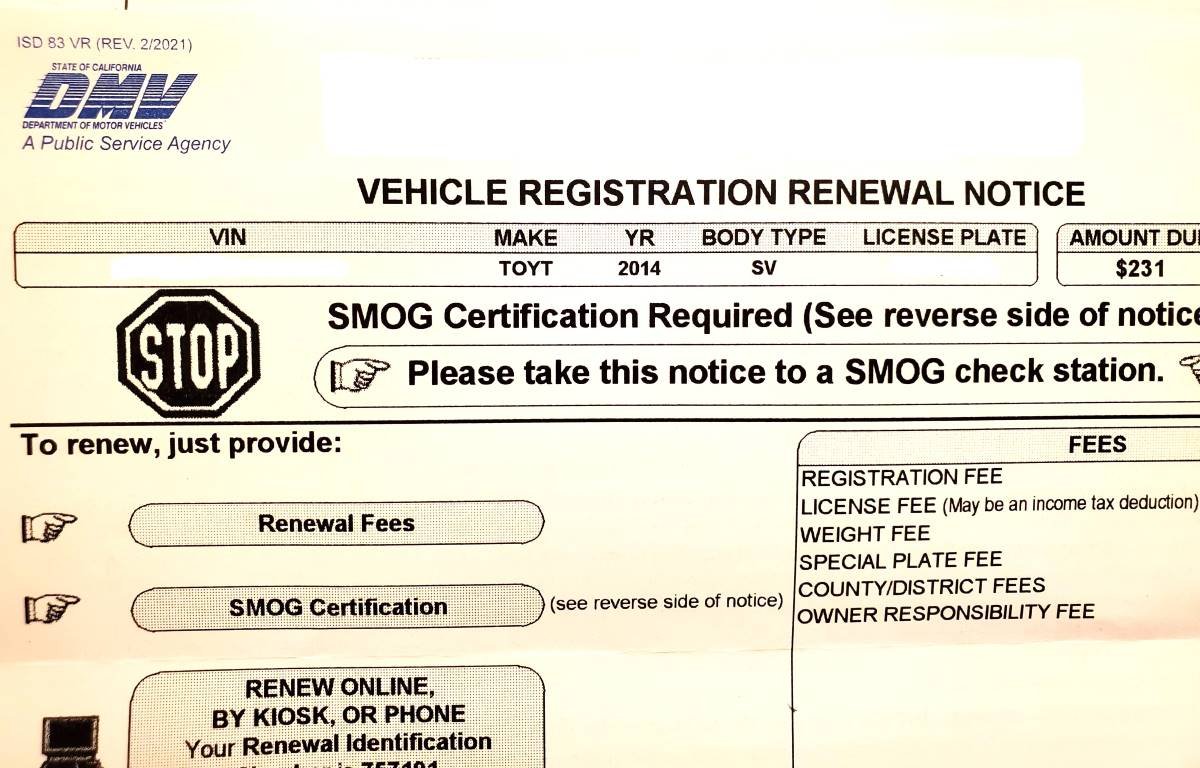
For anyone living in or considering a move to California, understanding the state’s stringent vehicle emissions regulations is not just a matter of compliance, but a fundamental aspect of the Californian lifestyle. The question of when a car becomes smog exempt is frequently asked by residents and newcomers alike, impacting everything from vehicle purchasing decisions to daily commuting and long-term financial planning. California has long been a trailblazer in environmental protection, and its commitment to clean air directly shapes the automotive landscape and, by extension, the lives of its inhabitants. Navigating these rules efficiently can mean the difference between seamless vehicle registration and unexpected hurdles, influencing the practicality and enjoyment of car ownership in the Golden State.
Understanding California’s Commitment to Clean Air
California’s proactive stance on environmental quality, particularly concerning air pollution, dates back decades. The state’s unique geography, with its sprawling urban centers nestled in basins often trapping pollutants, necessitated innovative and rigorous measures. This historical context provides essential insight into why smog checks are such an integral part of life here, affecting every aspect of vehicle ownership and indirectly, the public health and natural beauty of the state.
The Rationale Behind Smog Checks
The primary goal of the California Smog Check Program is to reduce air pollution from vehicles. Automotive emissions are a significant contributor to smog, which can exacerbate respiratory illnesses, damage crops, and obscure scenic views. By requiring regular inspections of most vehicles, California aims to identify and remove high-polluting cars from its roads, or at least ensure they are repaired to meet emission standards. This commitment is overseen by the California Air Resources Board (CARB), which sets the standards, and the Bureau of Automotive Repair (BAR), which administers the program. For residents, this means a tangible contribution to cleaner air, improving the quality of outdoor life, and preserving California’s iconic landscapes.
How Smog Regulations Shape the Californian Lifestyle
The stringent smog regulations profoundly influence the Californian lifestyle, from the types of cars people buy to their daily routines. The emphasis on newer, cleaner vehicles encourages innovation and adoption of green technologies, leading to a higher prevalence of electric and hybrid cars on California roads. This impacts housing choices, too, with charging infrastructure becoming a desirable amenity. For budget-conscious individuals or families, the cost of maintaining an older vehicle to pass smog can be a significant consideration, potentially pushing them towards newer models or alternative transportation. Even for those who simply want to enjoy a weekend drive up the coast, the knowledge that their vehicle is compliant and contributing to cleaner air adds a layer of responsibility and pride inherent in the Californian ethos. These regulations aren’t just bureaucratic hurdles; they are a daily reminder of a collective commitment to environmental stewardship.
Navigating the Smog Exemption Rules for Your Vehicle
Understanding the specific criteria for smog exemption is crucial for any car owner in California. The rules can seem complex, but they are generally based on the age, type, and usage of the vehicle. For many, a vehicle’s exemption status is a key factor in its appeal and practicality within the state’s regulatory environment.
The 8-Year Exemption for Newer Vehicles
Perhaps the most widely discussed exemption is for newer vehicles. In California, gasoline-powered vehicles less than eight model years old are typically exempt from biennial smog checks. This means if you buy a brand-new car in 2024, it won’t require a smog check until 2032 (its ninth model year). However, it’s important to note that while these vehicles are exempt from the biennial inspection, they are not exempt from the initial smog check required upon first registration in California (if the vehicle was previously registered out-of-state), or from a transfer of ownership smog check if sold within the eight-year period, unless the vehicle is less than four model years old. There’s also an annual “smog abatement fee” in lieu of the smog certificate for these newer vehicles. This exemption is designed to recognize that newer cars, due to advanced emissions technology, are inherently cleaner and less likely to fail an inspection during their early years. For consumers, this provides a period of hassle-free ownership, aligning with a lifestyle that values convenience and modern reliability.
Exemptions for Older, Classic, and Special-Use Cars
While newer vehicles enjoy a temporary exemption, some older vehicles benefit from a permanent one. Specifically, gasoline-powered vehicles manufactured in 1975 or older are permanently exempt from smog checks in California. This rule recognizes that vehicles from this era predate modern emissions controls and retrofitting them is often impractical. This exemption is a boon for collectors and enthusiasts of classic cars, allowing them to preserve and operate their vintage automobiles without the burden of emissions testing. It fosters a vibrant classic car culture, a significant part of the automotive lifestyle in California, particularly in areas known for car shows and cruising, like Southern California.
Beyond this, there are other categories:
- Electric vehicles: Fully electric vehicles produce zero tailpipe emissions and are therefore smog exempt.
- Motorcycles: Motorcycles are also exempt from the Smog Check Program.
- Natural gas vehicles: Vehicles operating on natural gas and weighing over 14,000 pounds.
- Diesel vehicles: Diesel vehicles are subject to different rules, as discussed below.
Diesel Vehicles and Smog Requirements
Diesel vehicles in California have their own set of smog regulations, which differ from gasoline-powered vehicles. Diesel vehicles that are 1998 model year and newer and have a Gross Vehicle Weight Rating (GVWR) of up to 14,000 pounds require a smog check. This inspection primarily focuses on visible smoke and the functionality of the vehicle’s onboard diagnostic (OBD) system, rather than the tailpipe emissions test used for gasoline cars. The same eight-year new car exemption does not apply to diesel vehicles; they generally require biennial smog checks from their very first registration. This distinction is critical for those considering a diesel-powered vehicle, as it directly impacts ongoing maintenance and registration requirements.

Out-of-State Vehicles and California Registration
If you’re moving to California with a car previously registered in another state, the rules for smog checks are often different. Unless your vehicle falls under one of the permanent exemptions (e.g., pre-1976 gasoline, electric), it will likely need a smog check before you can register it with the California Department of Motor Vehicles (DMV). This applies even if your vehicle is newer than eight model years old, as the initial registration process triggers a mandatory inspection. It’s a key logistical point for anyone planning to embrace the Californian lifestyle, emphasizing the need for thorough planning to avoid delays in settling in.
Financial Implications and Lifestyle Choices
The cost of car ownership in California is a significant factor in lifestyle planning. Smog regulations play a direct role in this, influencing everything from the upfront purchase price of a vehicle to ongoing maintenance budgets and even long-term investment strategies. Understanding these financial aspects is crucial for making informed choices that align with one’s personal and economic goals.
Budgeting for Vehicle Maintenance and Smog Compliance
For vehicles that require smog checks, passing the inspection is not always guaranteed. Older vehicles, in particular, may require significant repairs to meet emission standards. These costs can range from minor tune-ups to more extensive overhauls of emission control systems, potentially running into hundreds or even thousands of dollars. Savvy car owners in California factor these potential expenses into their annual budget, treating smog check preparation as part of routine vehicle maintenance. Choosing a reputable mechanic who understands California’s specific requirements is also a wise decision to avoid unnecessary expenses and ensure compliance. This budgeting foresight is a practical element of managing a car-dependent lifestyle in the state.
The Appeal of Smog-Exempt Vehicles
Given the complexities and potential costs associated with smog checks, vehicles that are exempt hold a particular appeal for many Californians. The eight-year exemption for newer cars often makes them attractive to buyers looking for several years of hassle-free ownership. For those with a passion for automotive history, the pre-1976 exemption makes classic car ownership a viable and celebrated part of the local culture, without the added stress of emissions testing. Electric vehicles, being completely exempt, offer not just environmental benefits but also a significant reduction in long-term operating costs, including the elimination of smog check fees and potential repair costs. These exemptions simplify vehicle ownership, reduce administrative burdens, and provide peace of mind, contributing to a more relaxed and predictable lifestyle.
Considering Electric and Hybrid Options
The increasing prevalence of electric (EVs) and plug-in hybrid electric vehicles (PHEVs) in California is a testament to the state’s environmental policies and the shifting preferences of its residents. EVs are entirely smog exempt, offering a compelling argument for adoption beyond just fuel savings. PHEVs, while still having internal combustion engines, often have extended electric-only ranges, reducing their overall emissions footprint. State and federal incentives, combined with dedicated charging infrastructure and HOV lane access for qualifying vehicles, make EVs and PHEVs an increasingly attractive lifestyle choice. For many Californians, embracing these technologies is not just an environmental statement but a practical decision that aligns with a forward-thinking, sustainable lifestyle.
Practical Tips for California Car Owners
Successfully navigating California’s smog check requirements is an essential skill for vehicle owners. By adopting a proactive approach and staying informed, residents can minimize stress and ensure their vehicles remain compliant, contributing to both personal convenience and the state’s environmental goals.
Preparing for a Smog Check
Preparation is key to a smooth smog check experience. Before taking your vehicle for inspection, ensure all “Check Engine” or “Malfunction Indicator Lamps” (MIL) are off. A lit “Check Engine” light is an automatic failure. Drive your car for a reasonable distance (a “drive cycle”) before the test to allow the onboard diagnostic system to complete its self-tests. Ensure your tires are properly inflated, and your fluid levels are adequate. If your vehicle has been sitting for an extended period, or if the battery has been disconnected recently, it’s particularly important to complete a drive cycle. Regular maintenance, including oil changes and air filter replacements, can also help ensure your vehicle runs cleanly and is ready to pass. These simple steps can save time, money, and frustration.
What to Do if Your Car Fails
If your vehicle fails its smog check, don’t panic. The inspection report will typically indicate the reasons for failure. Your first step should be to consult with a certified repair technician who specializes in emissions system diagnostics. California offers financial assistance programs, such as the Consumer Assistance Program (CAP), which can help eligible consumers with smog-related repairs or vehicle retirement. Understanding these resources and acting promptly are crucial. Most importantly, do not ignore the failure; operating an unregistered vehicle or one that has failed smog can lead to fines and other penalties from the DMV.
Staying Informed About Regulatory Changes
California’s emissions regulations are dynamic, often evolving in response to new environmental data and technological advancements. Staying informed about these changes is a fundamental aspect of responsible car ownership. The California DMV website, the Bureau of Automotive Repair site, and local news sources are excellent resources for updates. Subscribing to relevant newsletters or checking official government portals periodically can help vehicle owners anticipate upcoming requirements or changes in exemption policies. This proactive approach ensures continuous compliance, avoids unexpected issues, and ultimately contributes to a smoother, more predictable driving and ownership experience within the vibrant Californian lifestyle.
LifeOutOfTheBox is a participant in the Amazon Services LLC Associates Program, an affiliate advertising program designed to provide a means for sites to earn advertising fees by advertising and linking to Amazon.com. Amazon, the Amazon logo, AmazonSupply, and the AmazonSupply logo are trademarks of Amazon.com, Inc. or its affiliates. As an Amazon Associate we earn affiliate commissions from qualifying purchases.