
California, a land of diverse landscapes and vibrant culture, attracts millions of visitors annually, from luxury seekers to budget-conscious adventurers and busy business professionals. For anyone planning a stay in the Golden State, understanding the local tax landscape is crucial for effective budgeting and financial clarity. While the state boasts stunning scenery and world-class attractions, it also operates with a multi-layered tax system that can significantly impact the overall cost of your trip or extended stay. From the sales tax on that souvenir you buy in Los Angeles to the occupancy tax on your resort room in San Diego, these percentages add up. Navigating these figures intelligently is key to optimizing your travel lifestyle, whether you’re on a family vacation, a solo backpacking journey, or a corporate retreat.
Navigating California’s Tax Landscape for Travelers
When planning your lifestyle experience in California, a clear understanding of the various taxes you’ll encounter is essential. These percentages can vary not only by the type of good or service but also by specific city or county, creating a nuanced financial environment for all types of travelers. Being prepared for these costs allows you to maintain your chosen travel lifestyle without unexpected financial surprises, ensuring your focus remains on enjoying your time in this iconic state.
Understanding Sales Tax: The Everyday Impact
California’s statewide sales tax is a fundamental consideration for every traveler, from those on a budget to those indulging in luxury retail therapy. The base statewide sales tax rate is 7.25%. However, this is rarely the final rate consumers pay. Local jurisdictions, including cities and counties, often impose additional district sales taxes. This means that the actual sales tax can climb significantly, sometimes reaching 10.75% or even higher in certain areas. For instance, a purchase made in Sacramento might incur a different total sales tax than the same item bought in San Francisco or Anaheim. This tax applies to most tangible goods purchased, from souvenirs and clothing to electronics and non-prepared groceries, directly affecting the spending power of family trips and the expense reports of business travelers. Always factor in this variable rate when estimating your everyday expenditures.
Transient Occupancy Tax (TOT): Your Hotel Bill Explained
For any traveler requiring accommodation, the Transient Occupancy Tax (TOT), often referred to as a hotel or lodging tax, is a significant line item on your bill. This tax is levied on the rent paid for temporary lodging in hotels, motels, bed and breakfasts, and often short-term rentals. Unlike sales tax, the TOT rate is determined locally by cities and counties, leading to substantial variations across California. For example, while the state itself doesn’t impose a TOT, cities like Los Angeles have a rate of 14%, San Francisco’s is 14% (14.0% for hotels and 14.0% + 1% for short-term residential rentals), and San Diego charges 10.5%. These percentages are applied on top of your room rate, making a considerable difference in the final cost of a luxury suite, a budget motel stay, or an extended business trip. Always check the specific TOT rate for your chosen destination before booking to accurately budget for your accommodation.
Beyond the Basics: Specific Taxes for Different Lifestyle Travelers
Beyond general sales and lodging taxes, California’s tax structure includes several specific levies that can impact different travel styles. Understanding these can help budget travelers stretch their dollars, luxury travelers anticipate their full expenses, and business travelers manage their per diem effectively, ensuring financial control over their distinct lifestyle choices.
Car Rental Taxes: Essential for Road Trips and Business Travel
For those exploring California’s scenic routes or relying on personal transport for business meetings, car rental taxes are an unavoidable cost. In addition to the standard statewide sales tax (applied to the rental cost), renters typically face a “tourism fee” or “recovery fee” which varies by location and company. Furthermore, a daily “tourism assessment” or similar charge might be applied, often around $2.00 per day, which directly supports tourism marketing. Some cities or counties also levy additional local taxes on car rentals. For instance, major airports might have higher surcharges. While not a single percentage, these cumulative fees and taxes can add an extra 10-15% or more to the base rental price, a crucial detail for anyone planning a family road trip through Napa Valley or a multi-city business itinerary.
Restaurant and Prepared Food Taxes: Dining Out in the Golden State
Dining out is an integral part of the California experience, whether it’s a gourmet meal in Beverly Hills or a quick bite from a food truck in Oakland. When you purchase prepared food or restaurant meals, these are generally subject to the local sales tax rate, which, as mentioned, can range from 7.25% to over 10%. This applies to everything from a cup of coffee to an elaborate dinner. It’s important to differentiate this from non-prepared grocery items, which are typically exempt from sales tax. For budget travelers, understanding this distinction is key to managing food costs, while for those indulging in luxury dining, recognizing the cumulative effect of these taxes (especially when combined with service charges or gratuities) is essential for accurate expense planning.
Fuel Taxes: A Consideration for California’s Vast Distances
Given California’s expansive geography, driving is a common mode of transport for many lifestyle travelers. The cost of fuel, however, is significantly impacted by various taxes. California levies some of the highest gasoline taxes in the nation. As of recent updates, this includes a statewide excise tax on gasoline (often over 50 cents per gallon), in addition to sales tax on the fuel itself, and various environmental fees. These charges collectively push fuel prices considerably higher than the national average. For road-tripping families or business travelers covering long distances between San Francisco and Los Angeles, factoring in these higher fuel costs is vital for accurate budget projections and ensuring the smooth execution of their itinerary.
Business Stays and Longer-Term Considerations
For those whose lifestyle involves extended stays or business ventures in California, the tax implications can extend beyond transient consumer taxes. A deeper understanding of income tax nexus and property tax considerations becomes relevant, shaping financial decisions for long-term residents, remote workers, or entrepreneurs operating within the state.
Business Travel Expenses and Deductions: A Brief Overview
Business travelers navigating California can often mitigate their tax burden through eligible expense deductions. Many federal and state tax codes allow for deductions on necessary business travel expenses, including airfare, accommodation (subject to per diem rates or actual expenses), car rentals, and meals (typically 50% deductible). However, precise record-keeping is paramount. For freelancers or those with extended engagements, establishing a “tax home” outside California can influence what is deductible. Consulting with a tax professional familiar with both federal and California tax laws is highly recommended to ensure compliance and maximize legitimate deductions, ultimately affecting the overall profitability of a business stay.
The Nexus of Income Tax: When Does it Apply to Your Stay?
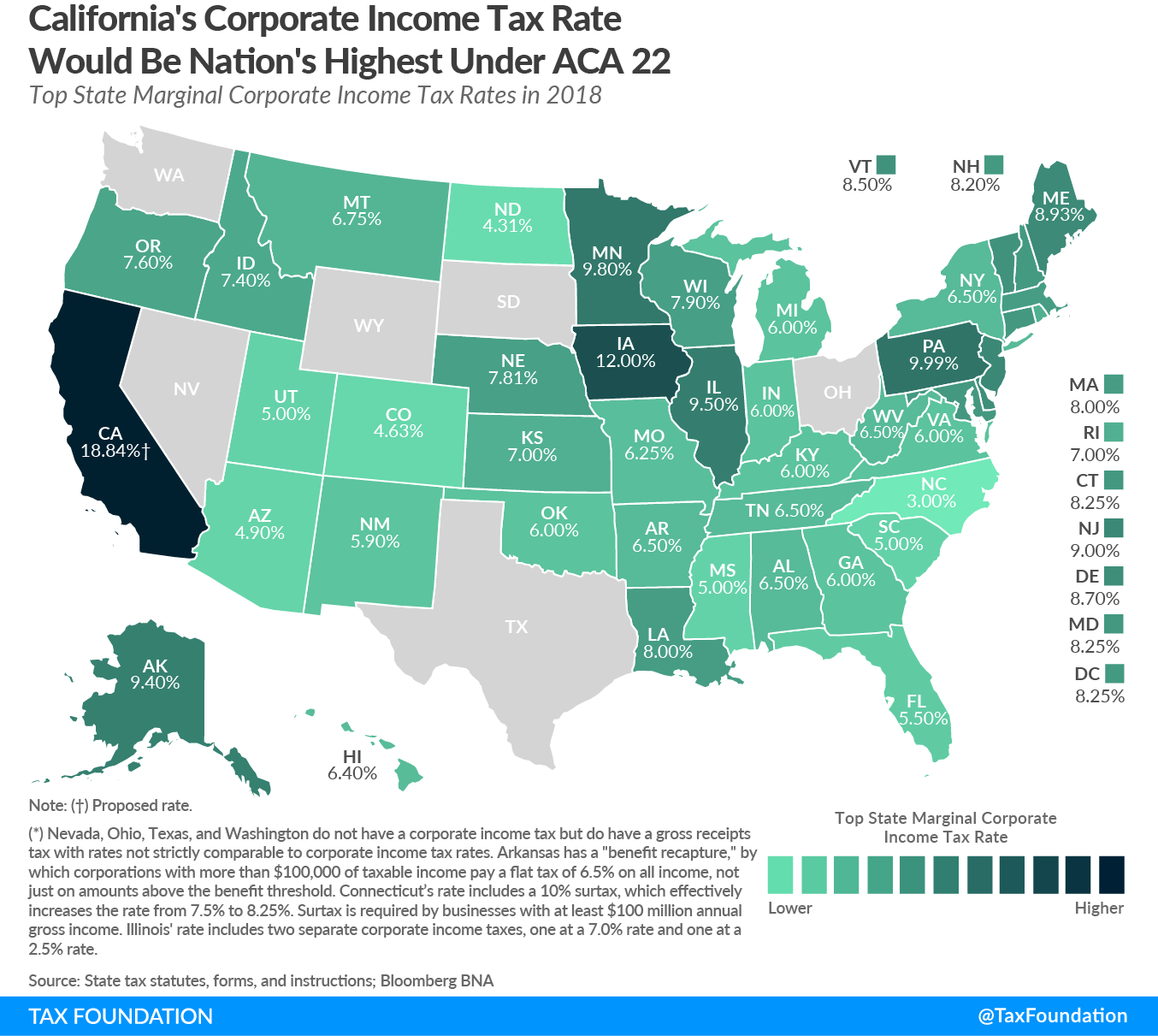
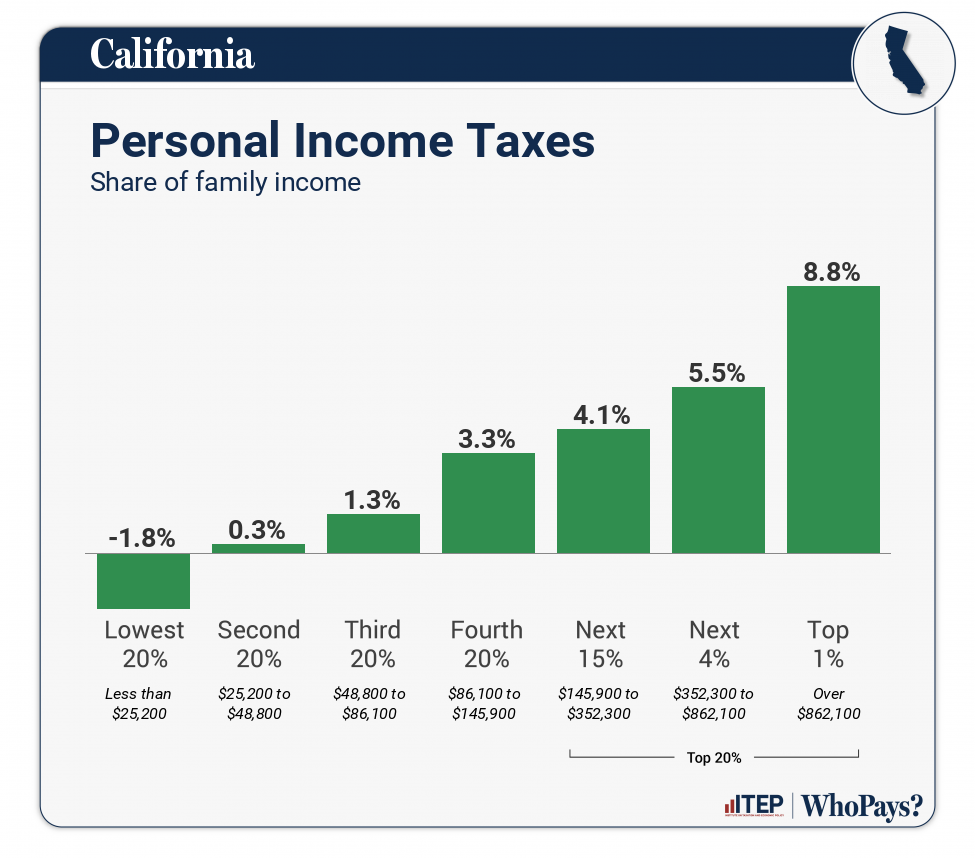
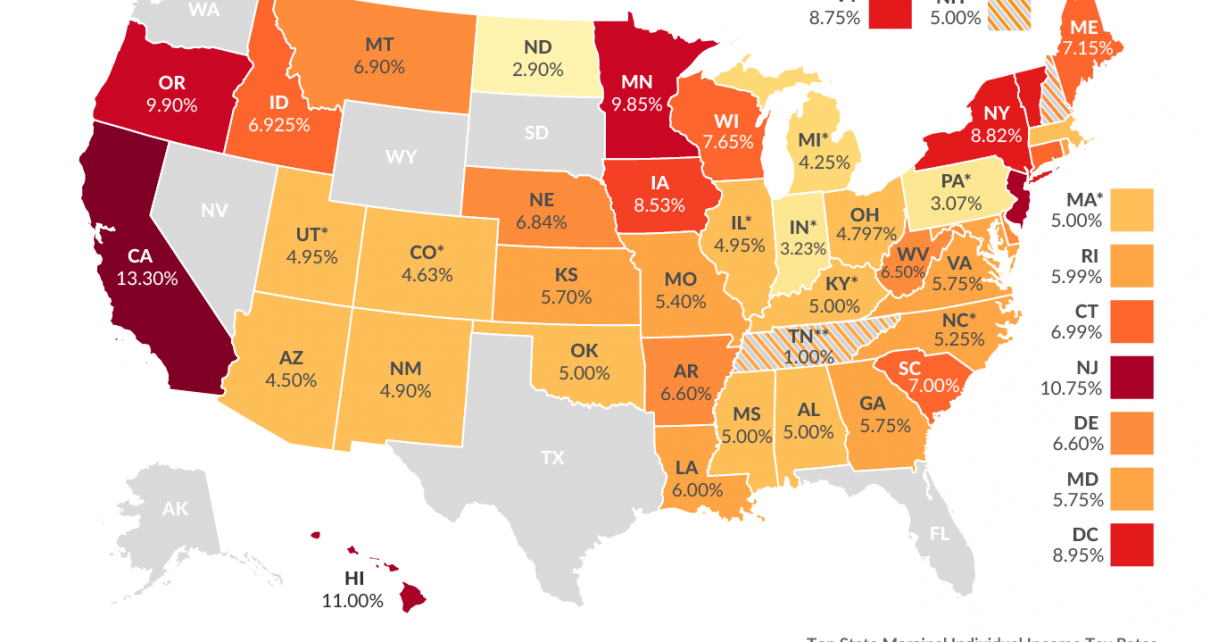
California has one of the highest state income tax rates in the nation, making “income tax nexus” a critical consideration for those with extended stays or business operations. Generally, if you are considered a resident of California for tax purposes, all your income, regardless of source, is subject to California income tax. Non-residents are typically only taxed on income derived from California sources. The determination of residency is complex, considering factors like physical presence, intent to return to a prior domicile, and where your primary business interests lie. A business traveler who establishes a temporary but long-term presence, or a remote worker choosing to reside in California for a significant period, might inadvertently establish residency, triggering unexpected income tax obligations with the Franchise Tax Board. Understanding these triggers is essential for managing your financial lifestyle.
Property Taxes: Relevant for Long-Term Rentals or Home Ownership Aspirations
For lifestyle travelers contemplating long-term stays, digital nomad setups, or even eventual home ownership in California, property taxes become a pertinent concern. While a direct percentage of market value can be complex due to Proposition 13, which generally limits the annual increase in assessed value to 2%, the effective property tax rate in California is typically around 1% of the assessed value, plus any local bonds or fees. For those renting long-term, while you don’t directly pay property tax, it’s indirectly factored into rental prices. Understanding this framework is vital for evaluating the true cost of living and the financial viability of integrating California into a longer-term lifestyle plan, impacting everything from monthly budgets to investment decisions.
Budgeting and Planning Your California Experience
Effective financial planning is the cornerstone of any successful travel or lifestyle experience in California. By strategically accounting for the state’s diverse tax percentages, you can optimize your budget, ensuring resources are allocated where they matter most for your chosen travel style, whether it’s for memorable experiences or essential business operations.
Strategies for Minimizing Tax Impact
While taxes are unavoidable, smart planning can help mitigate their impact on your California lifestyle. For sales tax, consider purchasing major items in areas with lower district taxes or researching online retailers that may collect less tax depending on their nexus. Regarding the Transient Occupancy Tax, research different cities or even suburban areas near your primary destination; rates can vary widely, sometimes making a nearby town a more budget-friendly option for accommodation. For car rentals, exploring public transportation options in major metropolitan areas like San Francisco or Los Angeles can reduce both rental fees and fuel costs. Furthermore, for business travelers, diligent record-keeping of all expenses for potential deductions is crucial. Every small saving contributes to a more sustainable and enjoyable California experience.
Example Scenarios: A Los Angeles Weekend vs. a San Francisco Business Trip
Consider a budget-conscious weekend traveler in Los Angeles. They might pay a sales tax of around 9.5% on souvenirs and restaurant meals. Their hotel in downtown LA would incur a 14% Transient Occupancy Tax. If they rent a compact car, they’ll add car rental taxes and higher fuel costs. In contrast, a business traveler on a five-day trip to San Francisco might stay in a hotel subject to a 14% TOT. Their business meals will be subject to San Francisco’s sales tax, currently 8.625% (including district taxes), but these might be partially deductible. They might opt for public transport to avoid car rental taxes and parking fees, significantly altering their tax exposure. These examples highlight how the chosen lifestyle and location within California directly dictate the total tax burden, underscoring the value of tailored financial planning.
Key Takeaways for Financial Clarity in California
Understanding California’s tax percentages is a fundamental step for anyone planning to visit or reside in the state, regardless of their lifestyle. From the baseline statewide sales tax of 7.25% that can climb significantly with local additions, to the variable Transient Occupancy Taxes that impact lodging costs, and specific levies on car rentals, fuel, and prepared foods, these figures are integral to accurate budgeting. For extended stays or business operations, the complexities of income and property taxes further underscore the need for informed financial management. By anticipating these costs and utilizing strategic planning, travelers and temporary residents can confidently navigate California’s financial landscape, ensuring their focus remains on enjoying all the Golden State has to offer.
LifeOutOfTheBox is a participant in the Amazon Services LLC Associates Program, an affiliate advertising program designed to provide a means for sites to earn advertising fees by advertising and linking to Amazon.com. Amazon, the Amazon logo, AmazonSupply, and the AmazonSupply logo are trademarks of Amazon.com, Inc. or its affiliates. As an Amazon Associate we earn affiliate commissions from qualifying purchases.