
Navigating the nuances of time zones is a fundamental aspect of seamless travel, especially when venturing between the mainland United States and its island paradise. For travelers planning a journey from California to Hawaii, understanding the precise time difference is not just a matter of curiosity, but a critical component for optimizing itineraries, mitigating jet lag, and maximizing every precious moment of their vacation. This difference directly impacts flight planning, activity scheduling, and even how quickly one acclimates to the relaxed pace of island life.
Understanding the Core Time Difference
The distinct geographical positions of Hawaii and California necessitate a significant time zone disparity. This difference is consistent, yet it appears to shift due to Daylight Saving Time observations on the mainland.

The Basics: HST vs. PST/PDT
Hawaii operates on Hawaii Standard Time (HST) year-round. Crucially, the state of Hawaii does not observe Daylight Saving Time. This consistent approach simplifies local timing but introduces a variable difference when interacting with regions that do adjust their clocks.
California, conversely, observes Daylight Saving Time. This means that during roughly eight months of the year, from mid-March to early November, California operates on Pacific Daylight Time (PDT). During the remaining months, typically from early November to mid-March, California reverts to Pacific Standard Time (PST).
- During Daylight Saving Time (PDT): When California is on PDT, Hawaii is three hours behind California. For example, if it’s 12:00 PM PDT in Los Angeles, it’s 9:00 AM HST in Honolulu.
- Outside Daylight Saving Time (PST): When California is on PST, Hawaii is two hours behind California. For example, if it’s 12:00 PM PST in San Francisco, it’s 10:00 AM HST in Maui.
This shifting difference is crucial for travelers to internalize, as it dictates the optimal timing for flights, reservations, and communication.
Practical Implications for Eastbound and Westbound Travelers
The direction of travel significantly influences how the time difference is experienced.
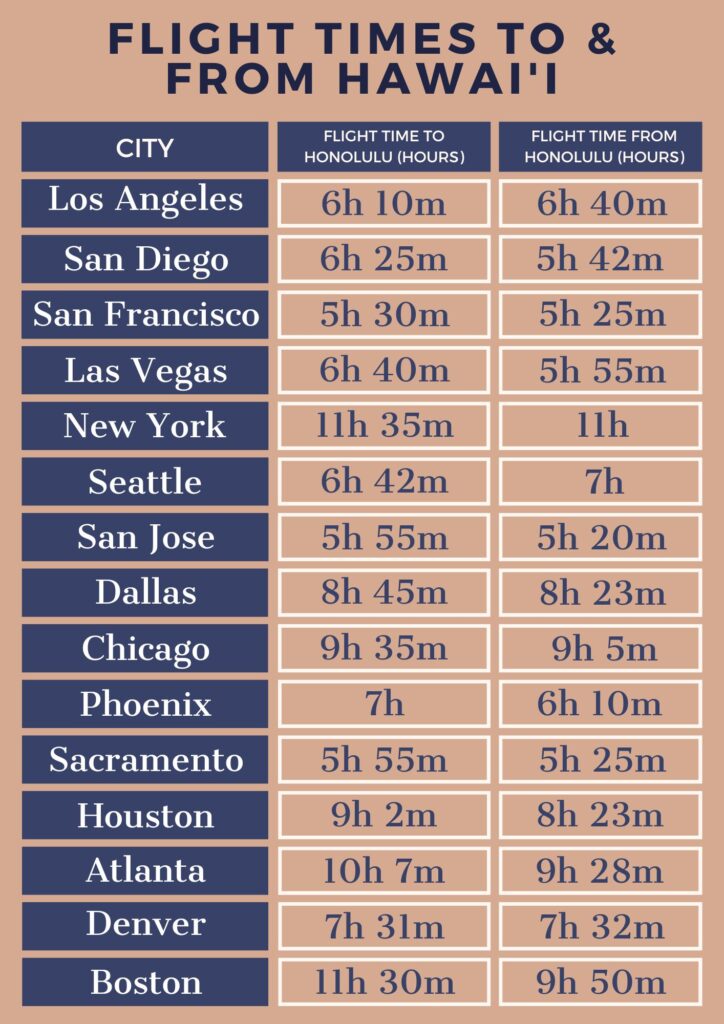
- Flying from California to Hawaii (Westbound): Travelers gain time. If a flight departs California at 10:00 AM PDT and takes roughly 5.5 hours, it would land in Hawaii around 3:30 PM PDT. However, converting to HST means arriving at 12:30 PM HST. This “early” arrival can feel like a bonus, offering more of the first day to explore.
- Flying from Hawaii to California (Eastbound): Travelers lose time. A flight departing Hawaii at 2:00 PM HST, after 5.5 hours, would land around 7:30 PM HST. But converting to PDT (during DST) means arriving at 10:30 PM PDT. This leap forward can often be more disorienting, feeling like a significant chunk of the day has vanished.
Understanding these dynamics is the first step toward a well-managed and enjoyable journey.
Navigating Jet Lag for a Seamless Hawaiian Escape
Jet lag, a temporary sleep disorder caused by rapid travel across multiple time zones, is an inevitable consideration when traveling between California and Hawaii. While the time difference isn’t extreme, it’s enough to disrupt one’s circadian rhythm. Thoughtful preparation can significantly alleviate its effects.
The Westward Advantage: California to Hawaii
Many travelers find flying west, from California to Hawaii, to be less challenging in terms of jet lag. The “gained” hours mean your body generally adjusts more easily to going to bed later than usual, even if the local time is earlier. Your internal clock naturally wants to stay awake longer, which aligns well with the longer day you experience.
- Pre-Departure Adjustments: A few days before your trip, try to shift your sleep schedule by going to bed and waking up an hour or two later than usual. This slight adjustment helps your body anticipate the time shift.
- Hydration and Light Exposure: On the flight and upon arrival, prioritize hydration. As soon as you land, seek natural light, especially morning sunlight in Hawaii. This signals to your brain that it’s daytime and helps reset your internal clock.
- Embrace the Morning: The time difference allows for earlier starts to your day in Hawaii. Capitalize on this by scheduling popular activities like sunrise hikes or early beach visits, taking advantage of fewer crowds and cooler temperatures.
The Eastward Challenge: Hawaii to California

Returning eastward from Hawaii to California is often considered more difficult for jet lag. Your body wants to sleep at what is now an inconveniently early time in California, and waking up feels much too early. This “losing” of hours can lead to fatigue, irritability, and difficulty concentrating.
- Gradual Shift Before Departure: In the last few days of your Hawaii vacation, try to gradually shift your bedtime and wake-up time to align more with [California](https://lifeoutofthebox.com/california] time. Even a 30-minute to an hour adjustment can help.
- In-Flight Strategy: If possible, try to sleep on the plane. Adjust your watch to California time as soon as you board and try to adapt to that schedule for the duration of the flight. Avoid excessive caffeine and alcohol, as they can disrupt sleep.
- Post-Arrival Routine: Upon returning to California, immediately expose yourself to bright light during the day and seek darkness in the evening. Stick to a consistent sleep schedule, even if you feel tired during the day. Short naps (20-30 minutes) can help, but avoid long naps that interfere with nighttime sleep.
Optimizing Your Travel Itinerary and Experiences
Strategic planning around the time difference can significantly enhance your travel experience, ensuring you make the most of your vacation without feeling rushed or out of sync.
Arrival Day in Hawaii: Maximizing Your First Moments
Choosing the right flight time from California to Hawaii can set the tone for your entire trip. Many travelers prefer afternoon departures from California, landing in Hawaii in the late afternoon or early evening. This allows sufficient time to check into your accommodation, have a relaxed dinner, and settle in for an early night, promoting a quick adjustment to local time.
Avoid the temptation to over-schedule on your first day. While the “gained” hours might make you feel energetic, pushing too hard can lead to exhaustion later. Instead, opt for low-key activities like a walk on Waikiki Beach or a casual meal, letting your body naturally ease into the Hawaiian rhythm. If you’re on Maui, a sunset view from Ka’anapali Beach can be a perfect introduction.
Departure Day Back to California: Extending Your Aloha Experience
For your departure day from Hawaii, consider scheduling a late afternoon or evening flight. This allows you to enjoy a full final day on the islands – perhaps a morning surf lesson on Oahu, a last visit to Kona Coffee farms on the Big Island, or a final scenic drive along the coast of Kauai. You can squeeze in a last breakfast, a swim, or some souvenir shopping without feeling rushed.
Mentally prepare for the time jump forward. While on the plane, remember you’re “losing” those two or three hours. Adjust your internal clock proactively by setting your watch to California time mid-flight.
Communication and Planning Across Time Zones
When booking tours, making dinner reservations, or even just communicating with family back home from Hawaii, always double-check the time zones. An “8 AM tour” booked from [California](https://lifeoutofthebox.com/california] for Hawaii means you need to be aware that your 8 AM will be 11 AM or 10 AM back home. Similarly, arranging video calls with loved ones requires careful coordination to avoid waking them up or calling during inconvenient hours. For business travelers, this is especially critical for remote meetings and deadlines.
Beyond the Clock: Enhancing Your Vacation Rhythm
The time difference isn’t just a hurdle; it can be an opportunity to embrace a different pace and enhance your vacation experience.
Embracing the Hawaiian Pace
The consistent “behind” schedule of Hawaii relative to California often encourages an earlier start to the day for travelers. Your body, still accustomed to California time, might naturally wake you earlier in [Hawaii](https://lifeoutofthebox.com/hawaii]. This can be a significant advantage, aligning perfectly with many of Hawaii’s most sought-after experiences. Imagine witnessing a stunning Hawaiian sunrise over Haleakala on Maui or being among the first to hike Diamond Head on Oahu, all while feeling surprisingly refreshed.
This early start also allows you to enjoy popular attractions before the midday crowds, providing a more serene and authentic experience. By leveraging this natural predisposition to wake earlier, you can truly settle into the relaxed “Aloha Spirit” and make the most of the tranquil mornings.
Practical Travel Tips Related to Time Zones
- Immediate Time Adjustment: As soon as your plane lands in [Hawaii](https://lifeoutofthebox.com/hawaii], change your watch and all electronic devices to local Hawaii Standard Time. This immediate shift helps your brain begin the adjustment process.
- Pre-Booking with Awareness: When pre-booking tours or activities from California, always confirm that the times displayed are for the local Hawaiian time zone. Many online booking systems will automatically convert, but a manual double-check is always advisable to avoid missing an excursion like a Road to Hana tour or a snorkeling trip.
- Leverage Early Mornings: Use your initial early waking to your advantage. Enjoy a quiet breakfast with ocean views, go for an early swim, or tackle an outdoor adventure like a surfing lesson on Waikiki Beach or a kayaking excursion on Kauai. These moments can be some of the most memorable of your trip.
- Stay Flexible: While planning is key, allow for some flexibility, especially in the first day or two. Listen to your body and adjust activities as needed to avoid burnout. The goal is to enjoy Hawaii fully, not to adhere rigidly to a schedule if your body is protesting.
Understanding the time difference between Hawaii and California is more than just knowing a numerical value; it’s about mastering a critical aspect of travel planning that impacts your well-being, schedule, and overall enjoyment. By approaching your journey with this knowledge, you can seamlessly transition into island life and create unforgettable memories.
LifeOutOfTheBox is a participant in the Amazon Services LLC Associates Program, an affiliate advertising program designed to provide a means for sites to earn advertising fees by advertising and linking to Amazon.com. Amazon, the Amazon logo, AmazonSupply, and the AmazonSupply logo are trademarks of Amazon.com, Inc. or its affiliates. As an Amazon Associate we earn affiliate commissions from qualifying purchases.