
Florida, often dubbed the “Sunshine State,” stands as a perennial magnet for travelers worldwide, consistently ranking among the top tourism destinations globally. The sheer volume of visitors that flock to its shores, theme parks, and vibrant cities each year is a testament to its diverse appeal. Understanding these numbers is crucial not only for grasping Florida’s economic landscape but also for appreciating the dynamic interplay between tourism, local culture, and infrastructure development. The state’s tourism industry is a colossal engine, influencing everything from job creation to the preservation of natural resources.
Florida’s Enduring Appeal to Global Travelers
The allure of Florida is multi-faceted, drawing an astonishing number of visitors annually. Its geographical position offers a warm, subtropical to tropical climate, making it an escape for those seeking sunshine, particularly during colder months in other parts of the world. Beyond the weather, Florida’s strategic blend of world-class attractions, pristine beaches, and unique natural environments creates an irresistible draw for a wide array of tourists.
From families eager for magical experiences at renowned theme parks to couples seeking romantic beachfront getaways, and from eco-tourists exploring biodiverse wetlands to urban adventurers captivated by bustling city life, Florida caters to nearly every travel preference. This broad appeal is a significant factor in its consistent ability to attract tens of millions of visitors each year, solidifying its status as a tourism powerhouse in the United States and beyond. The state’s tourism infrastructure is meticulously developed to support this influx, boasting a vast network of accommodations, transportation options, and diverse recreational activities that keep visitors returning year after year.
Unpacking the Numbers: Recent Trends in Florida Tourism
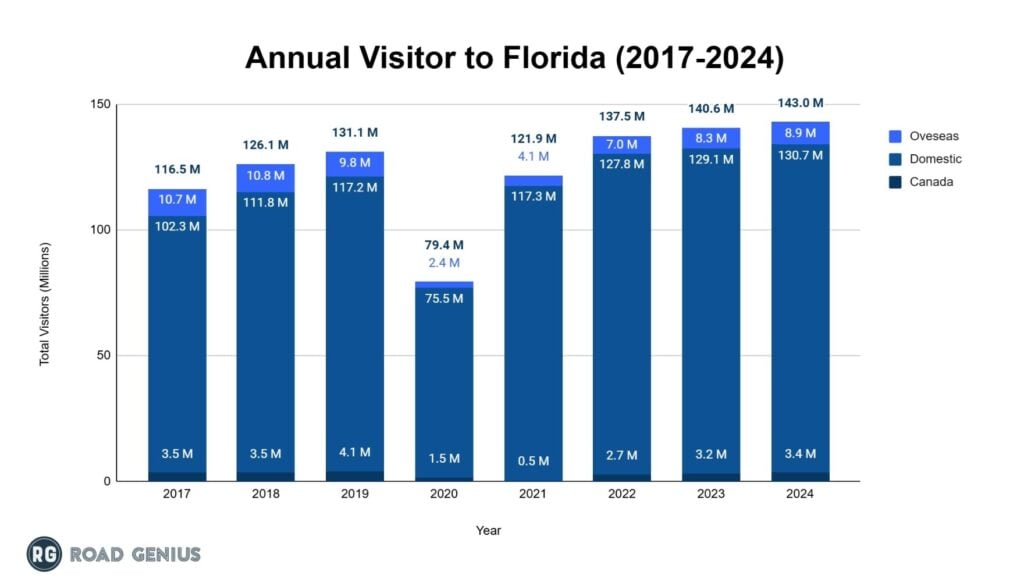
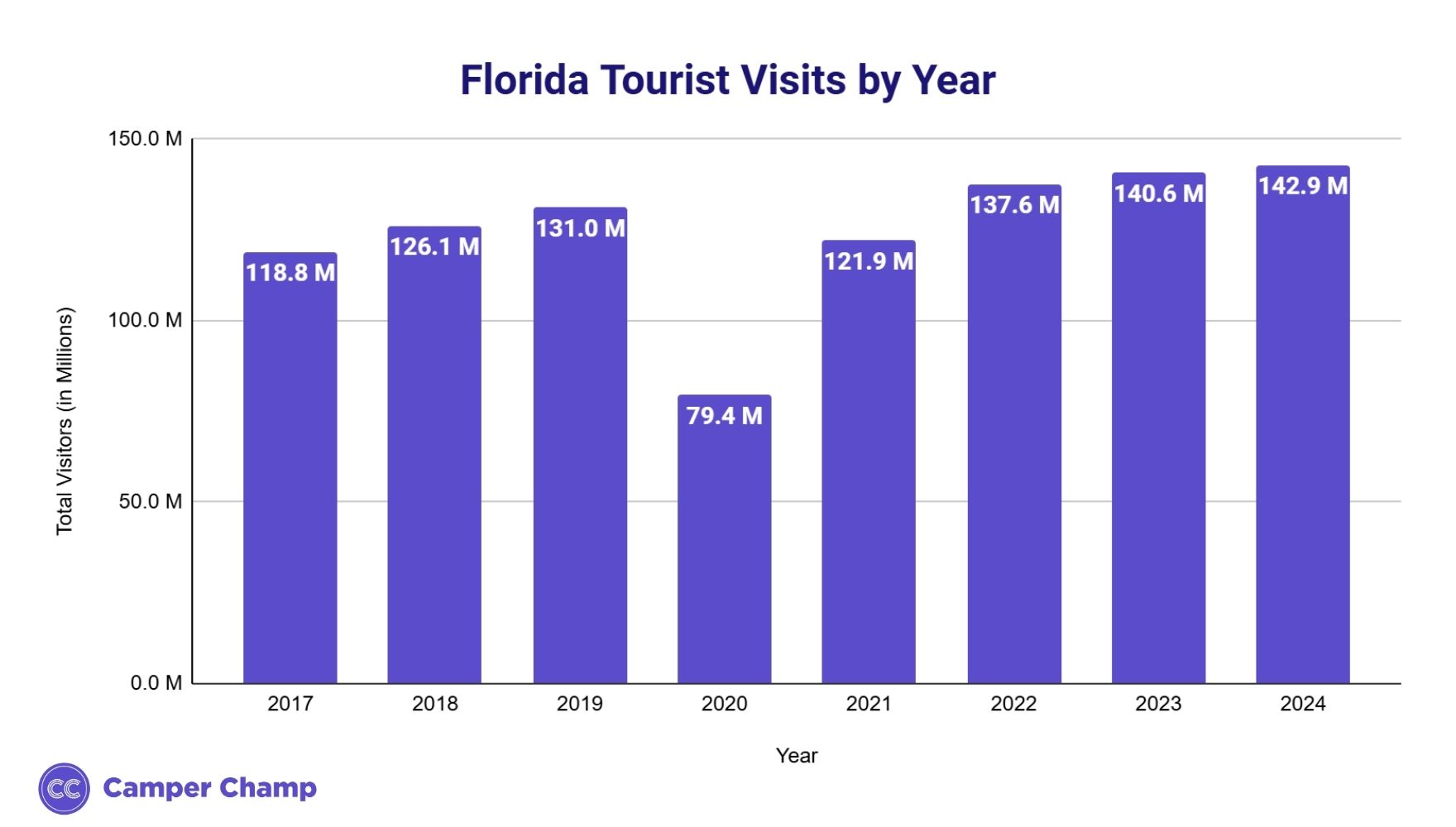
Measuring the exact number of tourists visiting Florida is a complex but meticulously tracked endeavor, primarily spearheaded by agencies like Visit Florida, the state’s official tourism marketing corporation. While specific annual figures can fluctuate based on global economic conditions, travel trends, and unforeseen events, Florida consistently welcomes well over 100 million visitors per year, often exceeding 120 million in robust years. This colossal figure underscores the state’s immense popularity and the vital role tourism plays in its economy.
These impressive numbers are influenced by several factors. Seasonal variations are prominent, with peak times typically aligning with school holidays, such as summer breaks, spring break, and the end-of-year festive period, especially for the central Florida theme park corridor. Economic conditions, both domestically and internationally, also play a significant role; a strong economy generally translates to increased disposable income for travel. Furthermore, global events, such as the recent pandemic, can cause temporary dips, but Florida’s tourism sector has consistently demonstrated remarkable resilience and a strong capacity for recovery, often bouncing back quicker than many other destinations.
Domestic vs. International Visitor Contributions
A breakdown of visitor origins reveals a dynamic balance between domestic and international tourists. The vast majority of Florida’s annual visitors originate from within the United States. Americans, particularly from the Northeastern, Midwestern, and Southern states, find Florida an accessible and appealing destination for road trips, family vacations, and seasonal escapes. This strong domestic base provides a stable foundation for the tourism industry, making it less susceptible to international travel restrictions or currency fluctuations.
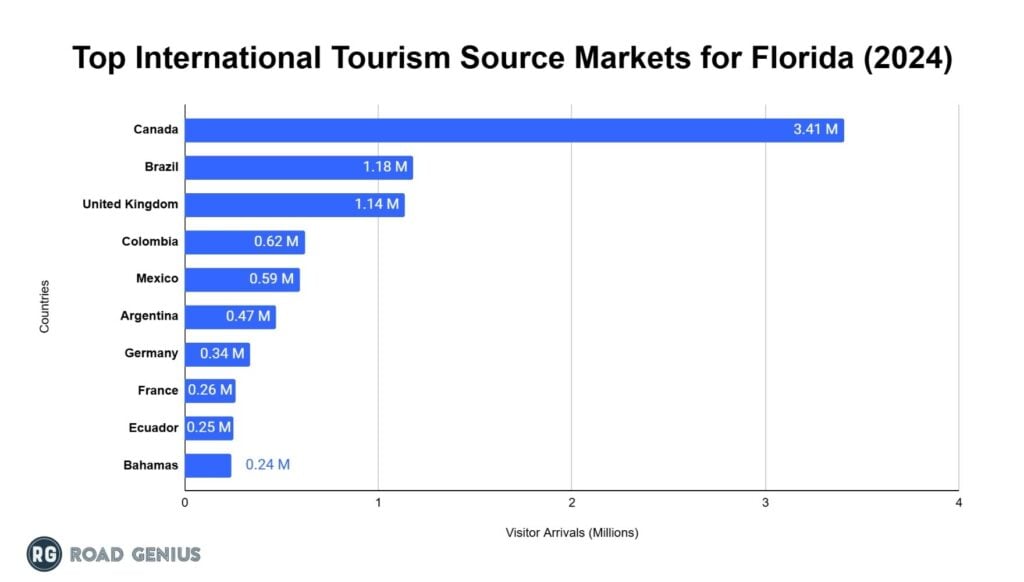
However, international visitors are incredibly valuable, often staying longer and spending more per trip. Key international markets historically include Canada, the United Kingdom, and various countries across Latin America and Europe. These visitors are often drawn by Florida’s global reputation, particularly its iconic attractions and diverse cultural experiences. The return of international travel post-pandemic has been a significant boost, helping the state’s tourism figures climb back to or even surpass pre-pandemic levels. Targeted marketing campaigns by Visit Florida play a crucial role in enticing these lucrative international segments.
Economic Impact of Tourism Volume
The sheer volume of tourists translates into a monumental economic impact for Florida. Tourism is not merely about vacationers; it’s a fundamental pillar of the state’s economy, generating billions of dollars in economic activity annually. This revenue supports a vast ecosystem of businesses, ranging from accommodation providers and restaurants to retail shops, transportation services, and entertainment venues.
The industry is a significant employer, creating hundreds of thousands of jobs directly and indirectly across various sectors. These jobs encompass roles in hospitality, food service, attraction operations, retail, and numerous support industries. Beyond direct employment, tourism also generates substantial tax revenue for the state and local governments through sales taxes, bed taxes, and other levies. This revenue is often reinvested into public services, infrastructure improvements, and even conservation efforts, benefiting both residents and future visitors. The high visitor numbers ensure a continuous flow of capital, fueling economic growth and driving development throughout Florida’s diverse regions.
Key Drivers and Destination Popularity
Florida’s ability to maintain its status as a top-tier destination is largely attributable to its iconic attractions and diverse offerings. These drivers cater to a broad spectrum of interests, ensuring a constant stream of both first-time and returning visitors.
Theme Park Capitals
Central Florida, particularly the Orlando area, is unequivocally the world capital of theme parks. Home to the Walt Disney World Resort with its four major parks, and the Universal Orlando Resort, which includes The Wizarding World of Harry Potter, these destinations alone attract tens of millions of visitors each year. Other notable parks like Busch Gardens Tampa Bay in Tampa further solidify Florida’s reputation as a family entertainment hub. These parks are continually innovating, introducing new rides, shows, and experiences to maintain their competitive edge and draw new generations of visitors.
Pristine Beaches and Coastal Charms
Beyond the fantastical realms of Orlando, Florida’s coastline stretches for thousands of miles, offering an unparalleled selection of beaches. From the vibrant, celebrity-studded shores of Miami Beach on the Atlantic Coast to the soft, white sands of Clearwater Beach and Panama City Beach on the Gulf Coast, there is a beach for every preference. These coastal destinations are popular for swimming, sunbathing, water sports, and simply relaxing, contributing significantly to the state’s overall visitor numbers. The allure of warm waters and sunny skies year-round makes Florida’s beaches a prime attraction.
Nature, Wildlife, and Cultural Attractions
Florida is also a haven for nature and wildlife enthusiasts. The unique ecosystem of Everglades National Park offers airboat tours and glimpses of alligators and diverse birdlife. The stunning chain of islands known as the Florida Keys, stretching down to Key West, provides world-class diving, snorkeling, and fishing opportunities within its vibrant coral reefs.
For those interested in history and culture, destinations like St. Augustine, the oldest continuously inhabited European-established settlement in the United States, offer a rich tapestry of historical sites. Miami, particularly its Art Deco Historic District, offers a blend of architectural beauty and a lively South Florida cultural scene. Additionally, the Kennedy Space Center Visitor Complex provides an inspiring look into space exploration.
Cruise Industry Hub
Florida is also a global leader in the cruises industry, hosting three of the busiest cruise ports in the world: PortMiami, Port Canaveral, and Port Everglades. Millions of passengers embark on cruises to the Caribbean and beyond from these ports each year, contributing significantly to the state’s transit visitor numbers and providing a robust pre- and post-cruise tourism market for hotels and local businesses.
Managing Growth and Sustaining Tourism
While the high volume of tourists is a boon for Florida’s economy, it also presents significant challenges and requires careful management to ensure sustainability. The strain on infrastructure, including roads, public transport, and utilities, must be continuously addressed to prevent congestion and maintain a high quality of life for residents and visitors alike.
Environmental considerations are paramount. With delicate ecosystems like the Everglades National Park and extensive coastlines, sustainable tourism practices are essential to protect Florida’s natural resources from the impacts of mass tourism. Initiatives focused on conservation, responsible development, and eco-tourism are increasingly important to preserve the very attractions that draw visitors in the first place.
The state actively engages in strategic marketing and development efforts not only to attract new visitors but also to disperse tourism geographically and seasonally. This includes promoting lesser-known destinations and encouraging travel during off-peak times to balance visitor flow and minimize overcrowding in popular areas. By continuously investing in infrastructure, promoting responsible travel, and enhancing visitor experiences while respecting local communities and environments, Florida aims to sustain its position as a world-class tourism destination for generations to come. The question of “how many” tourists visit Florida each year is not just a statistic; it’s a barometer of the state’s global appeal and the ongoing success of its vibrant tourism ecosystem.
LifeOutOfTheBox is a participant in the Amazon Services LLC Associates Program, an affiliate advertising program designed to provide a means for sites to earn advertising fees by advertising and linking to Amazon.com. Amazon, the Amazon logo, AmazonSupply, and the AmazonSupply logo are trademarks of Amazon.com, Inc. or its affiliates. As an Amazon Associate we earn affiliate commissions from qualifying purchases.