
Bakersfield’s Distinct Climate Profile: An Overview for Travelers
For any traveler planning a visit to Bakersfield, California, understanding its unique climate is paramount to ensuring a comfortable and enjoyable experience. Situated in the southern end of the San Joaquin Valley, a significant part of the larger Central Valley of California, Bakersfield is characterized by an arid climate that brings with it distinct seasonal variations. This inland location, far removed from the moderating influence of the Pacific Ocean, results in significant temperature swings, particularly between day and night, and between seasons. Travelers should prepare for a climate dominated by long, hot summers and short, mild winters, with minimal precipitation concentrated primarily during the cooler months. The city’s geography also plays a role, as the surrounding mountain ranges – the Sierra Nevada to the east and the Tehachapi Mountains to the south – create a rain shadow effect, contributing to its dryness.

The Arid Interior and Its Influence
The defining feature of Bakersfield’s weather is its arid, semi-desert environment. This translates to very low humidity for much of the year, particularly during the peak summer months. While this can be a blessing for those who prefer dry heat over oppressive humidity, it also means a higher risk of dehydration and the need for diligent sun protection. The dry air also contributes to often clear skies, making for abundant sunshine throughout the year, averaging over 270 sunny days annually. This relentless sun can be a major factor in planning outdoor activities, dictating the best times of day for exploration. Dust and pollen can also be considerations, particularly for travelers with respiratory sensitivities, as the dry conditions can exacerbate airborne particulates.
Seasonal Swings and Temperature Extremes
The annual temperature range in Bakersfield is considerable, often experiencing some of the hottest temperatures in the United States during summer and relatively cool, though rarely freezing, conditions in winter. Summers frequently see daytime highs soaring above 100°F (38°C), with many days pushing towards 105°F (41°C) or even higher. Conversely, winter temperatures are mild by comparison, with daytime averages in the 50s and 60s°F (10-18°C), and nighttime lows occasionally dipping into the 30s°F (around 0°C). Spring and autumn act as transitional periods, offering some of the most pleasant weather conditions for visitors. These distinct seasonal shifts necessitate different packing strategies and activity planning, emphasizing the importance of checking forecasts close to the travel date.
Decoding Summer Travel: Preparing for Bakersfield’s Heat
Summer in Bakersfield, typically from June through September, is synonymous with intense heat. Travelers visiting during these months must prioritize strategies for managing the high temperatures to ensure comfort and safety. This is the time when the city truly earns its reputation for being hot, with consistent daily highs well into the triple digits Fahrenheit. The dry heat, while less oppressive than humid climates, still demands respect.
Managing the Intense Summer Sun
Hydration is key. Travelers should carry water bottles and drink frequently, even if they don’t feel thirsty. Light-colored, loose-fitting clothing made from breathable fabrics like cotton or linen is highly recommended. Wide-brimmed hats, sunglasses, and high-SPF sunscreen are not optional; they are essential for protecting against the powerful California sun. Planning activities for early mornings or late evenings is a wise strategy, avoiding the peak heat of midday (usually between 1 PM and 5 PM). Air-conditioned environments become havens during these hours.
Recommended Outdoor and Indoor Activities for Warm Months
Despite the heat, Bakersfield offers numerous ways to enjoy the summer, provided you adapt to the conditions. Early morning visits to outdoor attractions like Hart Park or a stroll along the Kern River Parkway Trail can be refreshing before temperatures escalate. Water-based activities, such as kayaking or paddleboarding on the Kern River, are popular ways to cool down.
For midday, Bakersfield provides an array of air-conditioned indoor attractions. The Bakersfield Museum of Art offers cultural enrichment, while the Buena Vista Museum of Natural History & Science provides engaging exhibits for all ages. Shopping centers, movie theaters, and various restaurants also serve as excellent retreats from the sun. The California Living Museum (CALM), while partially outdoors, has shaded areas and indoor exhibits that can be enjoyed strategically.
Essential Packing for Summer Ventures
Beyond the hydration and sun protection mentioned, consider packing a small, portable fan. Electrolyte tablets or powders can be beneficial to replenish salts lost through perspiration. Comfortable, open-toed shoes or sandals are ideal, but also pack closed-toe shoes if you plan on hiking during cooler parts of the day, as trails can be sandy or rocky. A light jacket or sweater might be useful for air-conditioned interiors or surprisingly cool desert evenings, though these are less common during the hottest periods.
Embracing Autumn and Spring: The Ideal Seasons for Exploration
Many travelers consider spring (March to May) and autumn (October to November) to be the prime seasons for visiting Bakersfield. During these transitional periods, the extreme summer heat recedes, and winter’s chill has yet to fully set in, offering a delightful balance of warm days and comfortably cool evenings.
Mild Temperatures and Outdoor Pursuits in Fall
Autumn brings a welcome respite from summer’s intensity. Daytime temperatures typically range from the high 70s to low 90s°F (24-34°C) in October, gradually cooling into the 60s and 70s°F (15-25°C) by November. The air is often crisp and clear, making it perfect for outdoor activities. Hiking, biking, and exploring local parks like The Park at River Walk or the Kern County Museum’s outdoor exhibits become incredibly pleasant. These months are also ideal for exploring the agricultural bounty of the Central Valley with farm tours or visits to local produce stands. As the sun sets, temperatures can drop noticeably, so a light jacket or sweater is advisable for evening outings.
Spring’s Bloom: Perfect Conditions for Sightseeing
Spring in Bakersfield is a season of rejuvenation, with comfortable daytime temperatures ranging from the 60s to 80s°F (15-30°C). This period often follows the brief winter rains, leading to a vibrant landscape, particularly in the surrounding foothills. Wildflower viewing is a major draw, with poppies and other native blooms carpeting hillsides like those near the Tehachapi Loop. The moderate weather is perfect for extended explorations of the Kern River Parkway Trail, golf at courses like the Sundale Country Club, or enjoying the animal exhibits at CALM. Picnics in various city parks are also highly enjoyable without the threat of extreme heat.
Seasonal Events and Festivals Guided by Weather
Both spring and fall host a variety of outdoor events and festivals that capitalize on the pleasant weather. Harvest festivals in the fall celebrate the region’s agricultural heritage, while spring brings community fairs and art walks. Travelers planning their trips around these seasons should check local event calendars for specific dates and activities. The comfortable conditions allow for prolonged enjoyment of open-air markets, concerts, and cultural gatherings, enhancing the overall travel experience. Packing light layers for both day and evening, along with comfortable walking shoes, will prepare travelers for the varied conditions and opportunities of these delightful seasons.
Winter’s Subtlety: Experiencing Bakersfield’s Cooler Side
Winter in Bakersfield, from December through February, presents a distinctly different weather profile compared to the hot summers. While not characterized by heavy snow or prolonged freezing temperatures, it is the city’s coolest and wettest season, offering a more subdued and cozy atmosphere for travelers.
Moderate Winters and Occasional Precipitation
Daytime temperatures during winter typically hover in the 50s and 60s°F (10-18°C), providing a mild escape for those from colder climates. Nights can be quite cool, often dropping into the 30s°F (around 0°C), with occasional light frost. While Bakersfield is generally arid, the majority of its annual rainfall occurs during these months. Precipitation is usually light to moderate, coming in short bursts rather than prolonged downpours, averaging around 0.5 to 1.5 inches per month. Fog, particularly the dense “Tule Fog,” can be a notable phenomenon during winter mornings and evenings, reducing visibility and potentially impacting travel plans, especially for drivers on major highways like Highway 99. Travelers should monitor local weather alerts if driving during foggy periods.
Engaging Indoor Activities and Cozy Experiences
The cooler, sometimes damp, winter weather lends itself perfectly to exploring Bakersfield’s indoor attractions. This is an excellent time to delve into the rich history of the region at the Kern County Museum, which features both indoor exhibits and a fascinating “Pioneer Village” that can be explored between rain showers. Art enthusiasts will appreciate the rotating collections at the Bakersfield Museum of Art, while families can spend hours at the Buena Vista Museum of Natural History & Science.
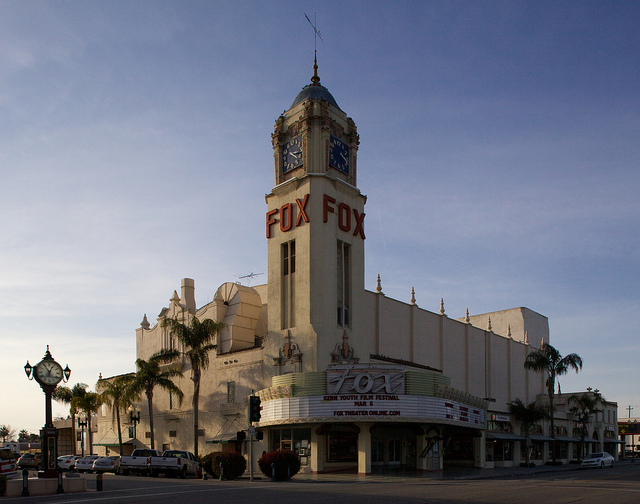
Winter also offers the opportunity for cozy culinary experiences. Bakersfield boasts a diverse food scene, from authentic Basque restaurants like the Norris Roadhouse to classic American diners. Enjoying a warm meal or a hot drink indoors becomes a highlight of the travel experience. For those seeking entertainment, the Fox Theater often hosts concerts and shows, providing a perfect evening activity out of the cold.
Layering Strategies for Winter Visits
Packing for a Bakersfield winter requires smart layering. A medium-weight jacket or coat is essential for outdoor excursions and chilly evenings. Underneath, long-sleeved shirts, sweaters, and even thermal wear can provide warmth. While heavy winter boots are rarely necessary, waterproof shoes can be beneficial on rainy days. Gloves and a hat might be appreciated during early morning or late-night walks, especially if temperatures drop to freezing. Even though the sun often shines, its warmth is less intense than in other seasons, making layers crucial for adapting to the day’s varying conditions.
Beyond Daily Forecasts: Long-Term Weather Planning for Your Bakersfield Trip
While daily forecasts are indispensable for last-minute packing and activity adjustments, understanding Bakersfield’s long-term weather patterns and historical data is crucial for selecting the optimal travel window based on individual preferences. This forward-looking approach allows travelers to align their visit with the climate that best suits their desired experiences.
Understanding Averages and Historical Patterns
Reviewing average monthly temperatures and precipitation records can provide a robust framework for trip planning. For instance, knowing that July and August consistently register average highs above 100°F (38°C) immediately signals the need for heat-centric preparation or suggests opting for a different month if extreme heat is a deterrent. Conversely, recognizing that March through May and October through November offer average highs in the 70s and 80s°F (21-32°C) highlights these as ideal periods for outdoor exploration and comfortable sightseeing. Historical data also reveals the dry nature of the summer months and the modest increase in rainfall during winter, aiding in packing decisions regarding rain gear. Understanding these broader trends helps set realistic expectations for the weather a traveler might encounter.
Preparing for Unexpected Weather Events
Despite predictable seasonal patterns, no climate is entirely without surprises. Bakersfield can occasionally experience unseasonable cold snaps in spring or fall, or late-season heatwaves that extend summer’s grip. Winter, while typically mild, can see occasional hard freezes, especially overnight. Strong winds can also occur, particularly during transitional seasons, contributing to dust and affecting outdoor comfort. Travelers should always maintain flexibility in their itinerary and have backup plans for indoor activities. Monitoring local weather advisories leading up to and during the trip is a wise practice, especially for potential Tule Fog in winter, which can severely impact driving conditions and flight schedules at Meadows Field Airport.
Best Times to Visit Based on Weather Preferences
Ultimately, the “best” time to visit Bakersfield hinges on what weather conditions a traveler prefers.
- For Heat Seekers and Summer Fun: June, July, and August offer abundant sunshine and intense heat, ideal for those who thrive in hot, dry climates and plan to enjoy water activities or air-conditioned indoor attractions.
- For Mild Weather and Outdoor Activities: March, April, May, October, and November are the golden windows. These months provide comfortable temperatures perfect for hiking, biking, exploring parks, and attending outdoor festivals without the extremes of summer or winter. Spring showcases wildflowers, while fall offers clear skies and pleasant warmth.
- For Cooler Temperatures and Cultural Exploration: December, January, and February are suitable for travelers who prefer cooler, potentially damp weather. This period is excellent for museum visits, dining, and experiencing Bakersfield’s indoor cultural scene, with a less crowded atmosphere.
By aligning your travel dates with Bakersfield’s distinct climate patterns, you can optimize your visit, ensuring a delightful and memorable experience tailored to your specific weather preferences.
LifeOutOfTheBox is a participant in the Amazon Services LLC Associates Program, an affiliate advertising program designed to provide a means for sites to earn advertising fees by advertising and linking to Amazon.com. Amazon, the Amazon logo, AmazonSupply, and the AmazonSupply logo are trademarks of Amazon.com, Inc. or its affiliates. As an Amazon Associate we earn affiliate commissions from qualifying purchases.