
While the allure of a teacher’s salary might not typically draw the same attention as, say, the vibrant jazz scene of New Orleans or the opulent plantations dotting the Louisiana landscape, understanding the financial realities for educators is crucial. For those considering a career in teaching within the Pelican State, or for parents and communities invested in their local schools, knowledge about teacher compensation is paramount. This exploration delves into the average salaries, influencing factors, and the broader economic context of teaching in Louisiana, offering insights that extend beyond mere numbers to touch upon the value placed on education itself.

Understanding the Average Teacher Salary in Louisiana
The compensation for teachers in Louisiana, like in many other states, is a complex equation influenced by a variety of factors. While specific figures can fluctuate annually and vary significantly by district, an overview of the general salary landscape provides a foundational understanding. Data from reputable sources consistently places Louisiana’s average teacher salary in a range that often falls below the national average. This is a recurring theme in discussions about teacher pay across the Southern United States.
Key Salary Benchmarks
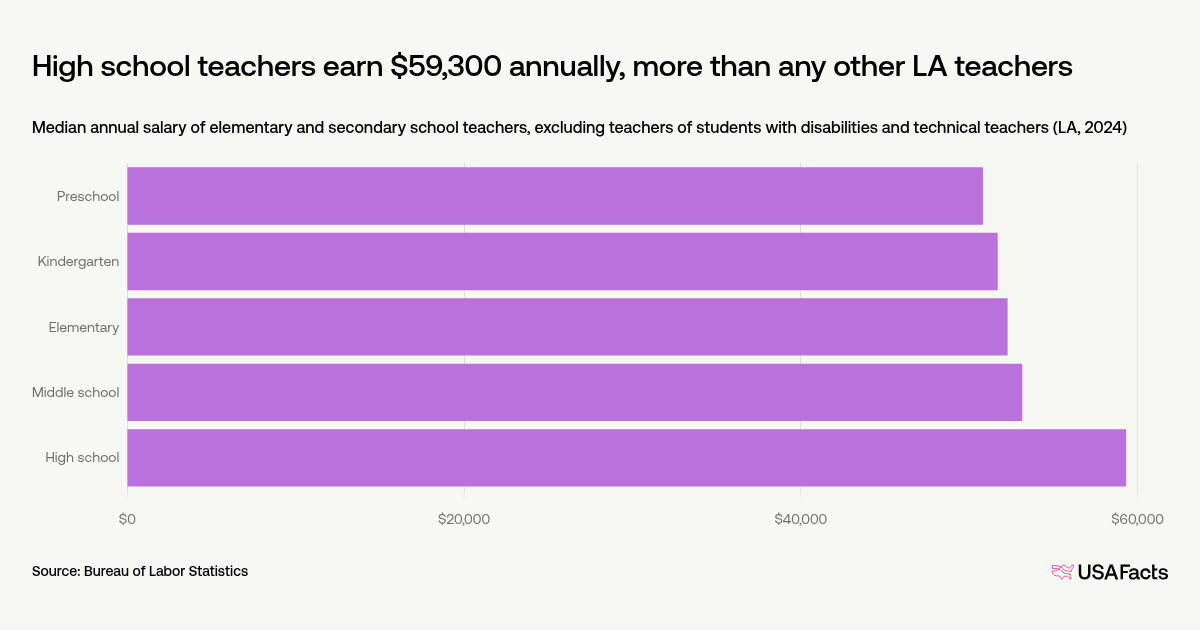
To provide a tangible understanding, it’s helpful to look at reported averages. For instance, recent reports indicate that the average annual salary for a public school teacher in Louisiana hovers around the $50,000 to $55,000 mark. This figure represents an average across all experience levels and districts. Entry-level teachers will, naturally, earn less, while those with many years of experience and advanced degrees will command higher salaries.
It’s also important to consider the average monthly take-home pay. A gross annual salary of $52,000, for example, translates to approximately $4,333 per month before taxes and other deductions. After deductions, the net pay can be significantly lower, impacting the day-to-day financial planning for educators. This reality underscores the challenges many teachers face, especially in areas with a higher cost of living, even within Louisiana.
National Comparisons
When juxtaposed with national averages, Louisiana’s teacher salaries often appear less competitive. The national average for public school teachers typically ranges from $60,000 to $65,000 annually. This disparity is a critical point of discussion for policymakers and education advocates seeking to attract and retain high-quality educators in the state. The ability to offer salaries that are more in line with national benchmarks is seen as essential for addressing teacher shortages and ensuring educational excellence.
Factors Influencing Teacher Salaries in Louisiana
The average salary is merely a starting point. Several dynamic factors contribute to the wide spectrum of earnings within the teaching profession in Louisiana. Understanding these variables provides a more nuanced perspective on teacher compensation.
Experience Level
The most direct correlation with salary is a teacher’s years of experience. Entry-level teachers, typically holding a bachelor’s degree and a teaching license, will earn at the lower end of the pay scale. As teachers gain experience, demonstrating their effectiveness and commitment to the profession, their salaries increase incrementally. Many Louisiana school districts utilize a step-based salary schedule, where teachers advance a “step” for each year of service, often accompanied by a modest pay raise. This system provides a predictable path for salary growth throughout a teaching career.
Education Level
Beyond experience, a teacher’s educational attainment significantly impacts their earning potential. Holding a master’s degree, a specialist degree, or a doctorate in an education-related field can lead to substantial salary increases. School districts often have salary differentials for teachers who pursue advanced degrees, recognizing the increased knowledge, specialized skills, and commitment to professional development that these qualifications represent. For example, a teacher with a master’s degree might earn several thousand dollars more annually than a colleague with only a bachelor’s degree, assuming similar experience levels.
District and Location
Geographic location within Louisiana plays a notable role in teacher salaries. Larger, more affluent school districts, often found in suburban areas around major cities like Baton Rouge or the aforementioned New Orleans, may offer higher salaries and more comprehensive benefits packages to attract and retain talent. Conversely, smaller, rural, or economically disadvantaged districts may struggle to offer competitive compensation due to limited tax bases and funding constraints. This disparity can lead to challenges in staffing schools in certain parts of the state, impacting the quality of education available to students in those communities.
Subject Area and Specializations
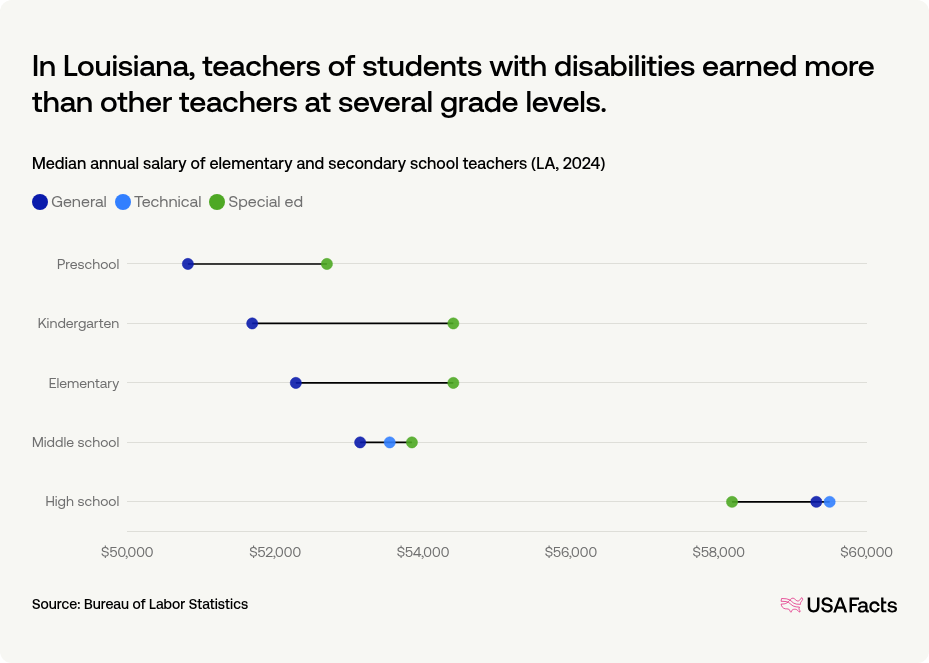
In some districts, there can be variations in salary based on the subject area being taught, particularly for high-demand fields. Teachers in critical shortage areas, such as special education, STEM (Science, Technology, Engineering, and Mathematics), or certain foreign languages, might be offered signing bonuses or slightly higher starting salaries to incentivize them to enter these fields. Similarly, teachers with specialized certifications or those who take on additional responsibilities, such as coaching a sports team or leading a club, may receive stipends or additional compensation.
Funding and Budgetary Constraints
Ultimately, teacher salaries are heavily influenced by the funding available to school districts. Louisiana’s education system relies on a combination of state, local, and federal funding. Fluctuations in state budgets, property tax revenues, and federal grants can directly impact the ability of districts to offer competitive salaries. This reliance on fluctuating funding streams often leads to budget constraints that limit salary increases, even when there is a recognized need for better compensation.
The Broader Context: Teacher Compensation and Quality of Life
Understanding teacher salaries in Louisiana requires looking beyond the raw numbers to consider the broader implications for the teaching profession and the quality of life for educators. While passion for teaching is a primary motivator, financial stability is essential for long-term career sustainability and for attracting a diverse pool of talented individuals to the profession.
Cost of Living Considerations
When evaluating teacher salaries, it’s crucial to consider the cost of living in different regions of Louisiana. While some areas, particularly rural ones, may have a lower cost of living, making a $50,000 salary stretch further, others, such as New Orleans or Baton Rouge, can present greater financial challenges. Housing, transportation, and everyday expenses can significantly impact the purchasing power of a teacher’s salary. For many, particularly those with families, the average salary may not be sufficient to afford a comfortable lifestyle without supplementary income or significant financial planning.
The Impact on Teacher Recruitment and Retention
The level of teacher compensation directly affects a state’s ability to recruit and retain qualified educators. When salaries are perceived as uncompetitive, it can lead to a shortage of teachers, particularly in critical subject areas and in underserved communities. High turnover rates can disrupt the learning environment for students and place additional burdens on remaining staff. Investing in competitive teacher salaries is not just about fairness to educators; it’s a strategic investment in the future of the state’s educational system. Many states are exploring various incentives, including loan forgiveness programs, housing assistance, and performance-based bonuses, to bolster teacher recruitment and retention.
Beyond Salary: Benefits and Professional Support
While salary is a primary concern, it’s not the only factor that contributes to a teacher’s overall compensation and job satisfaction. Health insurance benefits, retirement plans, paid time off, and opportunities for professional development also play a significant role. Louisiana school districts, like others nationwide, typically offer a benefits package to their teachers. The quality and comprehensiveness of these benefits can vary by district. Furthermore, strong administrative support, access to resources, and a positive school culture are crucial for teacher morale and retention, often outweighing salary differences for some individuals.
Advocacy and Future Outlook
The discussion surrounding teacher pay in Louisiana is ongoing. Teacher unions and advocacy groups consistently lobby for increased state funding for education and for salary increases that reflect the importance of the profession. Future salary trends will likely depend on economic conditions, political will, and the state’s commitment to prioritizing education. As the importance of a well-educated populace becomes increasingly evident, there is a growing recognition that investing in teachers is investing in the future prosperity and well-being of Louisiana.
LifeOutOfTheBox is a participant in the Amazon Services LLC Associates Program, an affiliate advertising program designed to provide a means for sites to earn advertising fees by advertising and linking to Amazon.com. Amazon, the Amazon logo, AmazonSupply, and the AmazonSupply logo are trademarks of Amazon.com, Inc. or its affiliates. As an Amazon Associate we earn affiliate commissions from qualifying purchases.