
When planning a visit to Los Angeles, California, understanding the local weather is paramount to crafting the perfect itinerary and ensuring a comfortable, enjoyable experience. While Los Angeles is famed for its perpetually sunny skies, the reality is a bit more nuanced, influenced by its unique geography and climate patterns. Knowing what to expect, day by day and season by season, can transform a good trip into an unforgettable adventure, whether you’re hitting the beaches, exploring urban landscapes, or venturing into the surrounding mountains.
Understanding Los Angeles’s Unique Climate
Los Angeles boasts a climate often described as idyllic, primarily due to its position within a Mediterranean climate zone. This classification means hot, dry summers and mild, wet winters, a stark contrast to many other major global cities. However, the city’s vast geographical spread introduces fascinating variations, creating distinct microclimates that travelers should be aware of.
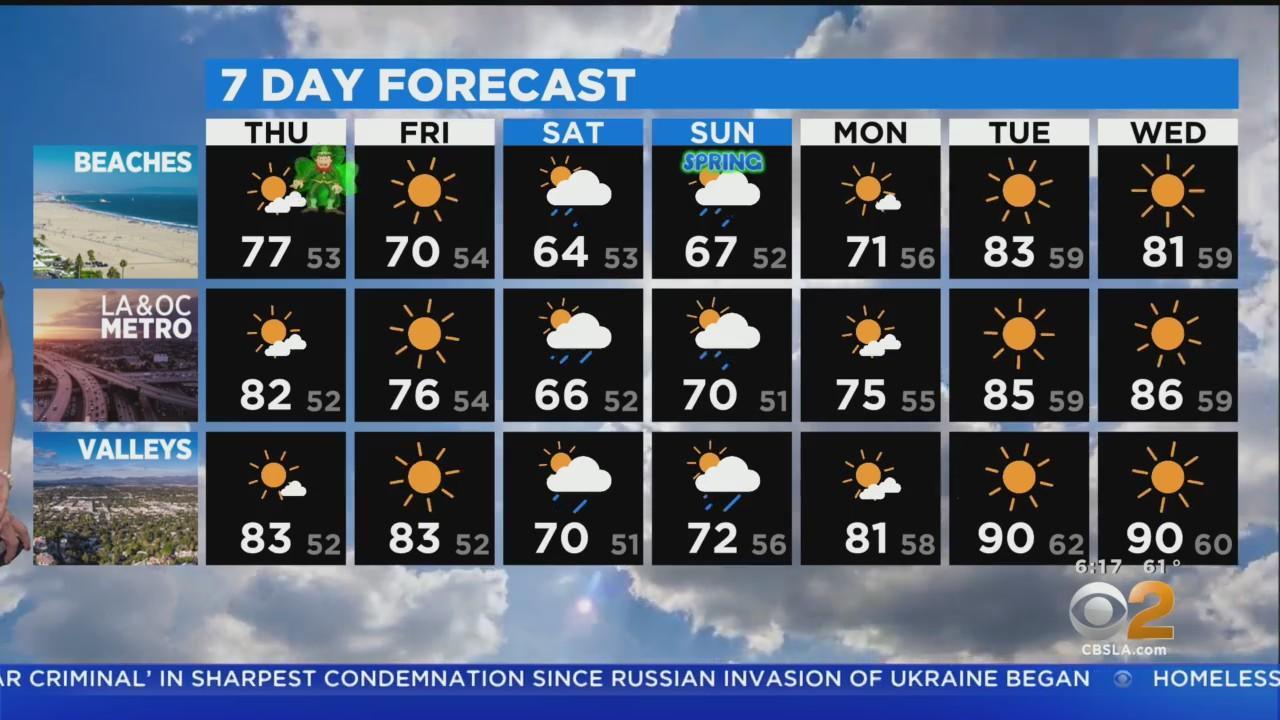
The Mediterranean Influence
The fundamental characteristic of Los Angeles’s weather is its Mediterranean climate. This blessing grants the region abundant sunshine for most of the year, with low humidity during the summer months making even high temperatures feel more manageable. Rainfall is largely concentrated between November and March, with summer typically experiencing very little precipitation. This predictable pattern allows for consistent outdoor activity planning, from scenic drives along Pacific Coast Highway to enjoying al fresco dining experiences. The presence of the Pacific Ocean plays a critical role, moderating temperatures along the coast and often bringing refreshing sea breezes, especially in the afternoons.
Microclimates Across the City of Angels
One of the most captivating aspects of Los Angeles weather, particularly for travelers, is its pronounced microclimates. What might be a warm, sunny day in coastal Santa Monica could be significantly hotter and drier just a few miles inland in the San Fernando Valley.
These variations are primarily due to the city’s topography, which includes coastal plains, valleys, and mountain ranges.
Coastal areas like Malibu, Santa Monica, and Venice Beach experience cooler temperatures and higher humidity, often tempered by sea breezes and coastal fog.
Moving eastward to downtown Los Angeles and Hollywood, temperatures rise slightly, and the air becomes drier.
Further inland, the San Fernando Valley can be considerably hotter in summer and cooler in winter due to its distance from the ocean’s moderating influence.
Even higher elevations, such as those near the San Gabriel Mountains, will have their own distinct temperature profiles, often much cooler and even prone to snow in winter months. Understanding these microclimates is crucial for packing appropriately and planning activities across different parts of the vast metropolitan area.
Daily Weather Impact on LA Travel Experiences
The day-to-day weather in Los Angeles directly shapes the travel experience, dictating clothing choices, activity suitability, and even driving conditions. A clear understanding of these localized impacts allows for more dynamic and enjoyable trip planning.
Coastal Breezes and Beach Days
For those drawn to Los Angeles’s iconic coastline, the weather pattern is generally consistent: cool mornings, often with a marine layer (fog), burning off to bright sunshine by late morning or early afternoon, followed by refreshing sea breezes. These breezes are a godsend on hotter days, making beach cities like Santa Monica, Malibu, and Hermosa Beach popular havens. Water temperatures, even in summer, remain relatively cool due to the California Current, typically ranging from the mid-60s to low-70s Fahrenheit (around 18-22°C). This makes swimming invigorating, but many opt for wetsuits for prolonged surfing or paddleboarding. When visiting the coast, always pack layers: a light jacket or sweater for mornings and evenings, even if the afternoon promises sun.
Downtown and Valley Variations
Central Los Angeles, including downtown, Hollywood, and Beverly Hills, experiences slightly warmer temperatures than the coast, with less humidity. Summers here can be quite warm, often reaching into the 80s and 90s Fahrenheit (27-35°C), while winters are mild with daytime highs in the 60s Fahrenheit (15-20°C). The San Fernando Valley, encompassing areas like Burbank and Pasadena, pushes these extremes further. Summer temperatures frequently exceed 100°F (38°C), and while winters are mild, nights can be significantly cooler than on the coast. When planning to visit attractions such as Universal Studios Hollywood or the Hollywood Walk of Fame, be prepared for warmer conditions, especially if venturing inland during summer. Hydration is key, and seeking shade becomes a priority during peak afternoon hours.
Mountain Adventures and Desert Escapes
Los Angeles’s proximity to diverse landscapes means travel plans can extend to nearby mountains and deserts, each with its own weather considerations. The San Gabriel Mountains, easily accessible for hiking and scenic drives, are considerably cooler, particularly at higher elevations. In winter, these mountains often receive snow, offering opportunities for skiing or snowboarding just an hour or two from the city. For those venturing further afield to desert destinations like Palm Springs or Joshua Tree National Park, prepare for extreme heat in summer (often exceeding 110°F/43°C) and surprisingly cold nights in winter. Timing is everything for these trips; spring and fall offer the most comfortable temperatures for desert exploration, while winter is ideal for mountain snow sports.
Seasonal Travel Planning Based on Weather
Understanding Los Angeles’s seasonal weather patterns is crucial for deciding the best time to visit and what activities to prioritize. Each season offers a distinct flavor of the city.
Spring’s Mild Charm and “May Gray”/”June Gloom”
Spring (March to May) in Los Angeles is generally delightful, with mild temperatures, blooming flora, and relatively clear skies. It’s an excellent time for outdoor activities like hiking at Runyon Canyon Park or visiting Disneyland Park. However, travelers should be aware of “May Gray” and “June Gloom.” These phenomena involve persistent coastal low clouds and fog that can linger well into the day, especially along the immediate coast. While they usually burn off by the afternoon, mornings can feel cooler and less sunny than anticipated. Inland areas typically remain sunny. This period offers a refreshing escape from hotter climates and fewer crowds before the peak summer season.
Summer’s Sunny Allure
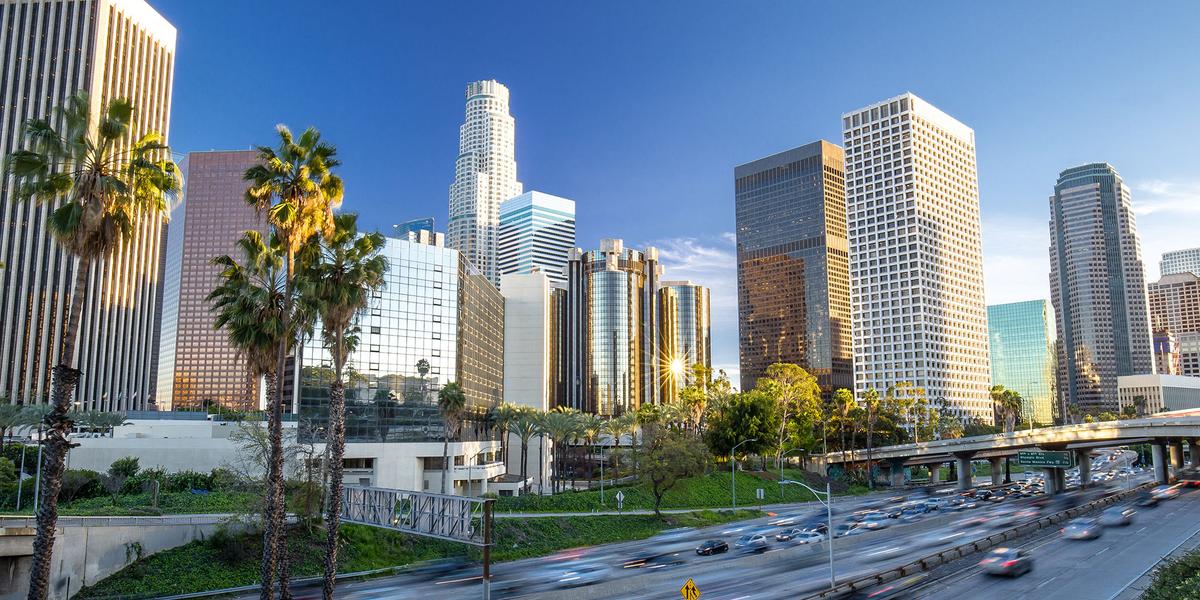
Summer (June to August) is peak season in Los Angeles, characterized by abundant sunshine, high temperatures, and virtually no rain. This is the ideal time for beach lovers, water sports, and enjoying the city’s vibrant outdoor life. Coastal areas remain the most pleasant, with the constant ocean breeze providing relief. Inland, temperatures can soar, making pool days or air-conditioned indoor attractions like museums or shopping centers more appealing. Evenings are warm and perfect for outdoor dining and stargazing at the Griffith Observatory. While the weather is reliably sunny, prepare for crowds at popular attractions and beaches.
Autumn’s Golden Comfort
Autumn (September to November) is arguably one of the best times to visit Los Angeles. The oppressive summer heat begins to wane, but the days remain warm and sunny, often with beautifully clear skies thanks to the disappearance of the marine layer. Ocean temperatures are often at their warmest, making for enjoyable swimming conditions without the summer crowds. This season is perfect for exploring the city’s diverse neighborhoods, enjoying outdoor festivals, or taking scenic drives. The weather is consistently pleasant, offering ideal conditions for almost any travel activity.
Winter’s Mild Refreshment
Winter (December to February) brings cooler temperatures and the majority of Los Angeles’s annual rainfall. However, “mild” is the operative word; unlike many parts of the world, snow is rare in the city itself, and daytime temperatures usually stay in the 60s Fahrenheit (15-20°C). While rain showers can occur, they are typically intermittent, interspersed with plenty of clear, crisp days. This season is excellent for museum visits, gallery hopping, or enjoying cozy cafes. For those seeking snow, the nearby San Gabriel Mountains offer winter sports opportunities. Prices for flights and accommodations can also be more favorable outside of the holiday rush.
Essential Packing Tips for Los Angeles Weather
Given Los Angeles’s microclimates and seasonal shifts, smart packing is crucial for a comfortable trip.
Layering is Key
The golden rule for packing for Los Angeles is to dress in layers. Even on a hot day, mornings and evenings can be surprisingly cool, especially near the coast. A light jacket, cardigan, or sweater is essential, regardless of the season. For summer, breathable fabrics are best, allowing you to adapt to temperature changes as you move from the beach to an air-conditioned restaurant or an inland excursion.
Sun Protection is Non-Negotiable
With Los Angeles’s abundant sunshine, sun protection is vital year-round. Pack high-SPF sunscreen, sunglasses, and a wide-brimmed hat. Even on cloudy days or during “May Gray,” UV rays can still penetrate. Staying hydrated by carrying a water bottle is also crucial, particularly when exploring outdoors or during warmer months.
Footwear for Every Terrain
Your Los Angeles itinerary will likely involve a mix of walking, perhaps some hiking, and potentially visits to upscale venues. Pack comfortable walking shoes or sneakers for exploring attractions like the Santa Monica Pier or Griffith Park. If you plan on beach time, flip-flops or sandals are a must. For evening outings or fine dining, a dressier pair of shoes will be appropriate. Consider the activities you have planned to ensure your footwear supports your adventures.
Making the Most of Any LA Weather Scenario
Regardless of what the weather app predicts, Los Angeles offers a wealth of activities to ensure a fulfilling travel experience.
Indoor Attractions for Cooler Days
On rare rainy days or if the marine layer proves particularly stubborn, Los Angeles shines with its world-class indoor attractions. Explore the vast collections at the Getty Center or the Los Angeles County Museum of Art (LACMA). Immerse yourself in movie magic at the Academy Museum of Motion Pictures, or delve into history at the Natural History Museum of Los Angeles County. Shopping districts like The Grove or Westfield Century City also offer plenty of sheltered entertainment.

Embracing the Outdoors Year-Round
Even with occasional cooler temperatures or “gloomy” mornings, Los Angeles’s outdoor appeal remains strong. The mild winters are perfect for hiking, cycling, or exploring gardens. When the sun is out, which it usually is, make the most of the city’s numerous parks, botanical gardens, and outdoor dining patios. The ability to enjoy diverse landscapes, from mountains to beaches, all within a relatively short drive, ensures that you can always find an outdoor activity suited to the day’s weather, cementing Los Angeles as a premier travel destination no matter the forecast.
LifeOutOfTheBox is a participant in the Amazon Services LLC Associates Program, an affiliate advertising program designed to provide a means for sites to earn advertising fees by advertising and linking to Amazon.com. Amazon, the Amazon logo, AmazonSupply, and the AmazonSupply logo are trademarks of Amazon.com, Inc. or its affiliates. As an Amazon Associate we earn affiliate commissions from qualifying purchases.