
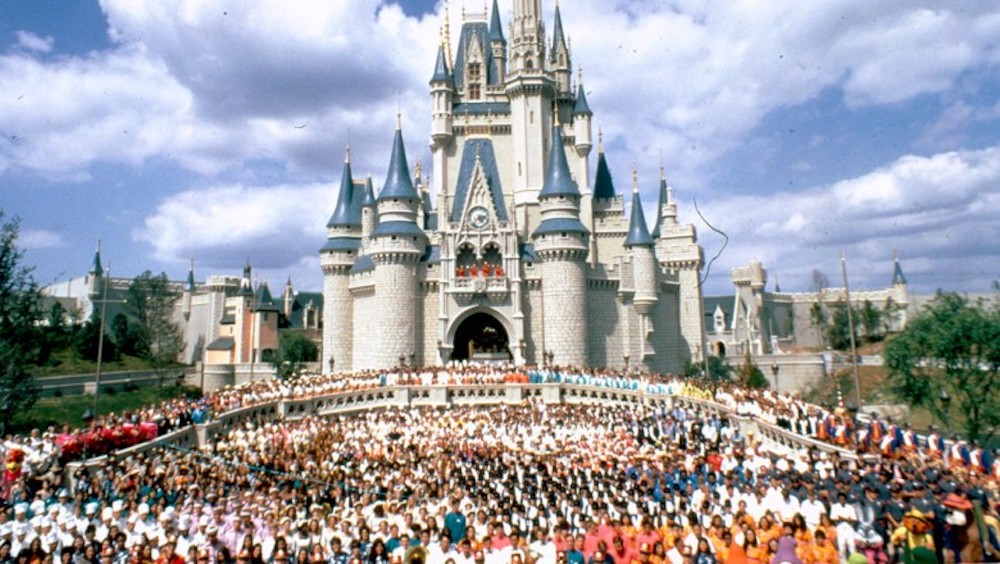
The magical gates of Walt Disney World Resort in Florida first swung open to eager visitors on October 1, 1971. This momentous date marked the culmination of years of ambitious planning, groundbreaking construction, and an unwavering commitment to realizing a dream that had originated with Walt Disney himself. Far more than just an amusement park, Disney World Florida was envisioned as an expansive vacation kingdom, a place where families could immerse themselves in meticulously crafted worlds of fantasy, adventure, and technological marvels. Its opening forever changed the landscape of tourism in Central Florida and established a new benchmark for themed entertainment and hospitality worldwide.
The Grand Unveiling: A Dream Realized
The story of Walt Disney World begins not with its opening, but with the vision that preceded it. Walt Disney had already revolutionized the theme park industry with Disneyland in California in 1955. However, he quickly realized the limitations of its relatively small footprint and the burgeoning commercial development that sprang up around it, detracting from the immersive experience. His solution was to acquire a vast parcel of land, secretly, in the heart of Florida.
Walt Disney’s Vision for a Florida Project
Walt Disney’s grander vision for Florida was known as the “Experimental Prototype Community of Tomorrow” or EPCOT. This was not initially conceived as another theme park, but rather a futuristic city where innovation in urban living and technology could be continuously explored and demonstrated. While Walt Disney tragically passed away in December 1966, before the Florida project could fully take shape, his brother, Roy O. Disney, ensured that his brother’s legacy would continue. Roy decided to first build the theme park component, which was to be named Walt Disney World in his brother’s honor, before tackling the EPCOT city concept. The extensive land acquisition, estimated at nearly 27,000 acres (or 43 square miles), near Orlando, provided ample space to control every aspect of the guest experience, from transportation to accommodation, preventing the unchecked commercialization that had surrounded Disneyland.
October 1, 1971: Opening Day and Its Immediate Impact
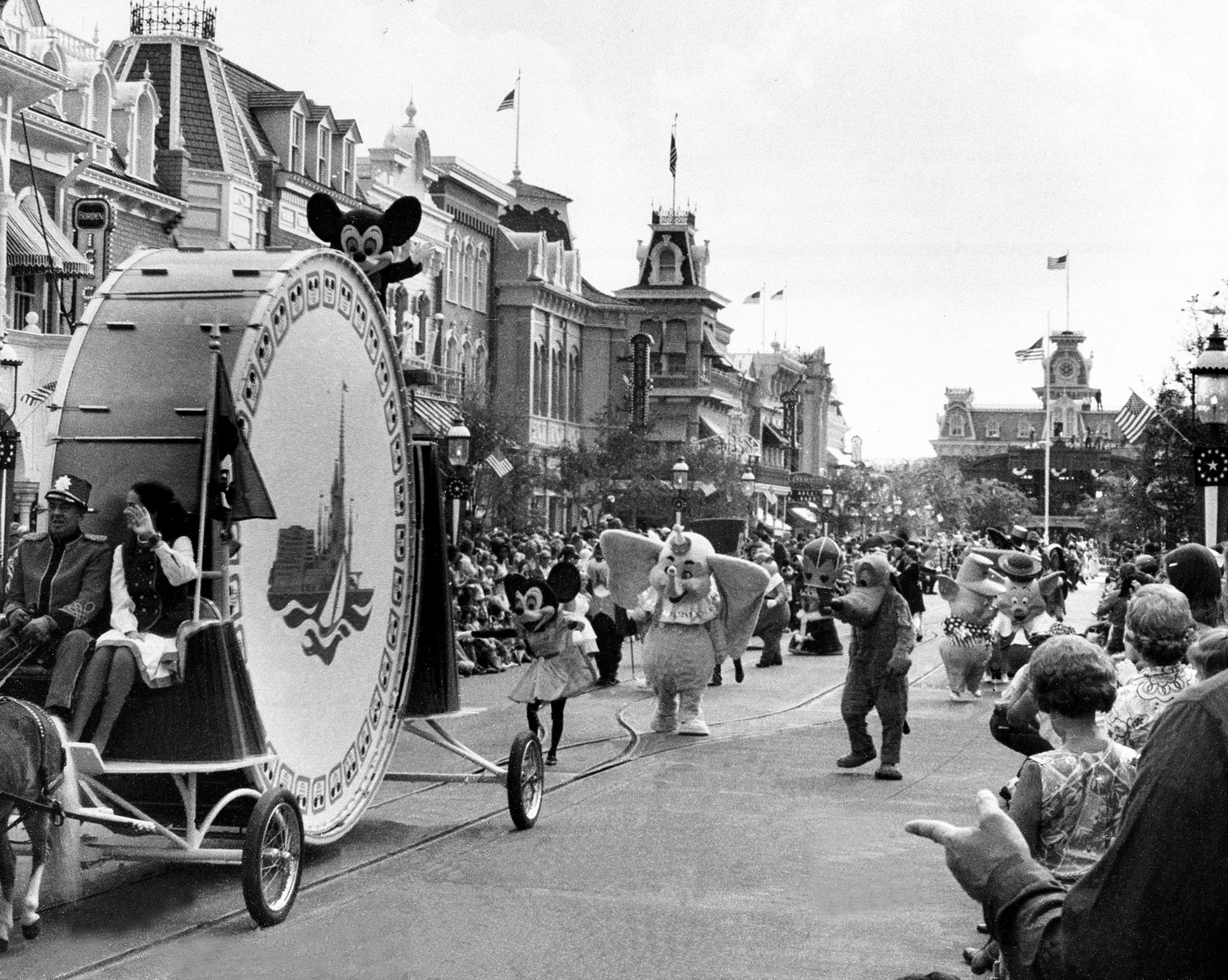
On that pivotal autumn day in 1971, Walt Disney World Resort officially opened its doors, featuring the crown jewel: Magic Kingdom Park. With its iconic Cinderella Castle at its heart, the park mirrored many of the beloved lands from Disneyland, including Fantasyland, Adventureland, Frontierland, Liberty Square, and Tomorrowland, alongside the charming Main Street, U.S.A.. Initial attractions like “It’s a Small World,” “The Haunted Mansion,” and “Jungle Cruise” immediately captivated visitors.
Accompanying the Magic Kingdom were two resort hotels designed to immerse guests fully in the Disney experience: the futuristic Contemporary Resort and the South Pacific-inspired Polynesian Village Resort. The Fort Wilderness Resort & Campground also debuted, offering a more rustic accommodation option. The opening was not without its challenges; Hurricane Ginger threatened the region just days before, but the resort infrastructure, including a sophisticated drainage system, held firm. While initial attendance was modest compared to later years, the foundation for what would become the world’s premier vacation destination was firmly laid. It quickly became clear that Walt Disney World was not just an attraction but an entire ecosystem of entertainment, lodging, and transportation, all meticulously planned and executed.
Beyond the Magic Kingdom: The Evolution of a Destination
The 1971 opening was merely the first chapter. The true genius of Walt Disney’s original plan was its scalability and foresight. The vast acreage allowed for continuous expansion, transforming the initial theme park into an unparalleled resort complex.
The Master Plan: From Theme Park to Full Resort
The initial resort encompassed not only the Magic Kingdom and its hotels but also championship golf courses, recreational facilities on Bay Lake and Seven Seas Lagoon, and the Transportation and Ticket Center. A monorail system, a marvel of modern transportation at the time, seamlessly connected the Magic Kingdom with the Contemporary and Polynesian Resorts. This integrated approach meant that once guests arrived, they were fully enveloped in the Disney experience, a crucial element in creating the “vacation kingdom” Walt had dreamed of. The creation of the Reedy Creek Improvement District, a special taxing district granted by the Florida legislature, provided Disney with municipal-like powers over its land, enabling it to build and govern its infrastructure effectively, from roads and utilities to emergency services. This unique arrangement facilitated rapid and controlled development.
Expanding Horizons: Epcot, Hollywood Studios, and Animal Kingdom
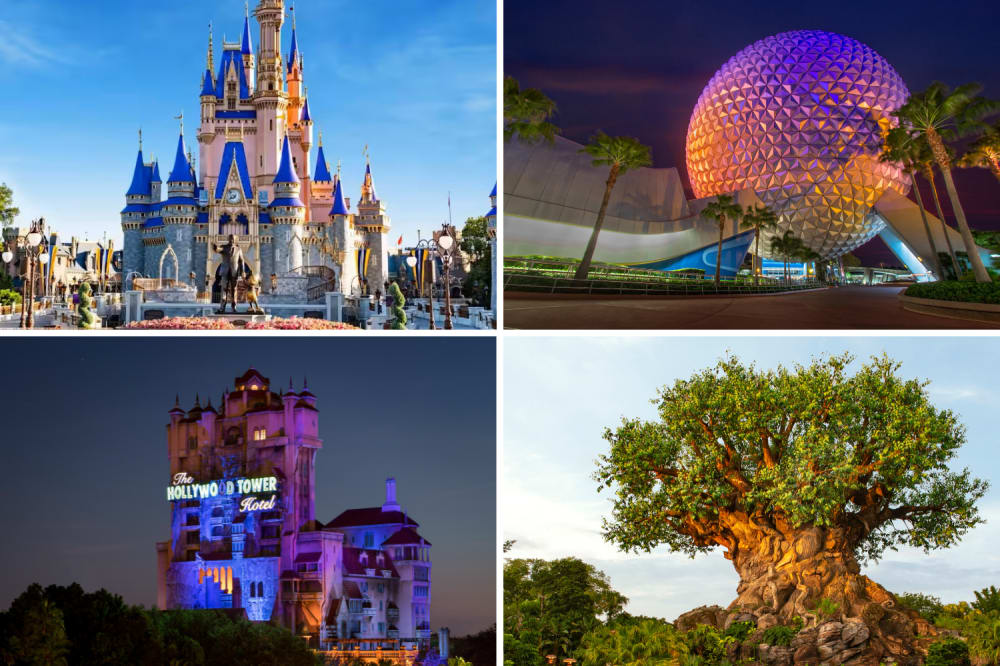
The decades following the 1971 opening saw continuous growth and diversification. The second major theme park, EPCOT Center (later simply Epcot), opened in 1982. This park finally brought a version of Walt Disney’s futuristic vision to life, albeit as a theme park rather than a functioning city. Divided into Future World (focused on innovation and discovery) and World Showcase (celebrating global cultures), Epcot offered a distinctly different, more educational, and culturally rich experience.
Next came Disney-MGM Studios in 1989, later renamed Disney’s Hollywood Studios. This park brought the magic of movies and television to life, allowing guests to step into the worlds of their favorite films and experience thrilling attractions themed to cinematic adventures. Its focus on behind-the-scenes glimpses and high-octane shows offered another unique dimension to the resort.
Finally, in 1998, Disney’s Animal Kingdom Theme Park completed the quartet of major theme parks. Dedicated to natural environment and animal conservation, Animal Kingdom blended thrilling rides, spectacular live shows, and expansive animal habitats, delivering both entertainment and a powerful message about wildlife preservation. In addition to the four theme parks, Walt Disney World also introduced two water parks, Typhoon Lagoon (1989) and Blizzard Beach (1995), and the entertainment, dining, and shopping district, Disney Springs (formerly Downtown Disney). This continuous expansion solidified Walt Disney World’s status as the ultimate multi-day, multi-faceted travel destination.
The Economic and Cultural Impact of Disney World
The opening of Walt Disney World in 1971 was not just a landmark event for the Disney company; it was a watershed moment for the state of Florida and the global tourism industry. Its influence extends far beyond its gates, shaping economies, cultures, and travel patterns for generations.
A Florida Tourism Powerhouse
Before Walt Disney World, Florida’s tourism was largely concentrated on its beaches and the Miami area. The advent of Disney World dramatically shifted the focus inland to Central Florida, transforming Orlando from a relatively small agricultural hub into one of the world’s most visited cities. The resort became an economic engine, creating hundreds of thousands of jobs directly and indirectly, fueling development in hospitality, retail, transportation, and construction across the region. It also spurred the growth of numerous other attractions and businesses in the area, all vying for a share of the immense tourist traffic Disney generated. The influx of visitors and investment has had a ripple effect across the state, establishing tourism as a cornerstone of Florida’s economy.
Shaping the Travel Experience for Generations
Walt Disney World set a new standard for themed entertainment and immersive travel. It pioneered concepts like integrated resort experiences, themed hotels, and advanced guest services that have been emulated by destinations worldwide. For millions, a trip to Disney World became a quintessential family vacation, an rite of passage that created indelible memories. It introduced generations to the idea that a vacation could be more than just relaxation; it could be an adventure, a fantasy brought to life, and a seamless escape from the everyday. The resort’s meticulous attention to detail, commitment to storytelling, and continuous innovation have ensured its enduring appeal, making it a dream destination that continues to evolve and captivate new visitors while retaining the loyalty of returning guests.
Planning Your Visit: Maximizing the Disney World Experience
With its vast array of parks, resorts, dining, and entertainment options, planning a trip to Walt Disney World can seem daunting but is key to unlocking its magic. Understanding the resort’s scale and making informed choices will enhance any travel experience.
Navigating the Parks and Resorts
A trip to Walt Disney World requires strategic planning, especially for first-time visitors. Each of the four theme parks—Magic Kingdom, Epcot, Hollywood Studios, and Animal Kingdom—offers unique experiences that often demand a full day or more to fully explore. Choosing to stay at a Disney Resort hotel provides significant perks, including early theme park entry, complimentary transportation throughout the property (buses, monorails, boats, and the Disney Skyliner), and convenient access to Dining Plans. These benefits contribute to a more seamless and immersive vacation, allowing guests to maximize their time in the parks rather than dealing with logistics. Beyond the parks, explore the vibrant Disney Springs for world-class dining, shopping, and entertainment, or cool off at one of the water parks, Typhoon Lagoon or Blizzard Beach.
Tips for First-Time Travelers and Returning Guests
For first-time travelers, prioritizing which parks to visit and making advanced dining reservations are crucial steps. Utilizing the My Disney Experience app helps manage daily itineraries, check wait times, and place mobile food orders. Consider visiting during off-peak seasons (typically late January through early March, late August through September) for lighter crowds and potentially better resort rates. Returning guests might explore new experiences, such as the EPCOT International Food & Wine Festival or Mickey’s Not-So-Scary Halloween Party, or delve into the resort’s extensive array of unique tours and behind-the-scenes experiences. Regardless of how many times one has visited, Walt Disney World continuously offers new attractions, shows, and culinary delights, ensuring that the magic, first unveiled on October 1, 1971, remains as vibrant and captivating as ever.
LifeOutOfTheBox is a participant in the Amazon Services LLC Associates Program, an affiliate advertising program designed to provide a means for sites to earn advertising fees by advertising and linking to Amazon.com. Amazon, the Amazon logo, AmazonSupply, and the AmazonSupply logo are trademarks of Amazon.com, Inc. or its affiliates. As an Amazon Associate we earn affiliate commissions from qualifying purchases.