
Navigating California‘s Roads: Essential Tips for Aspiring Drivers
The allure of California is undeniable, with its sprawling coastlines, majestic mountains, bustling cities, and serene deserts. For many, experiencing the true breadth of the Golden State means hitting the open road. Whether you’re planning an extended visit to immerse yourself in local culture or considering a long-term stay, understanding how to obtain a driver’s permit is a crucial step towards unlocking countless tourism opportunities. A permit isn’t just a legal formality; it’s your key to independent exploration, allowing you to discover hidden gems, embark on scenic road trips, and fully engage with the diverse activities California has to offer.
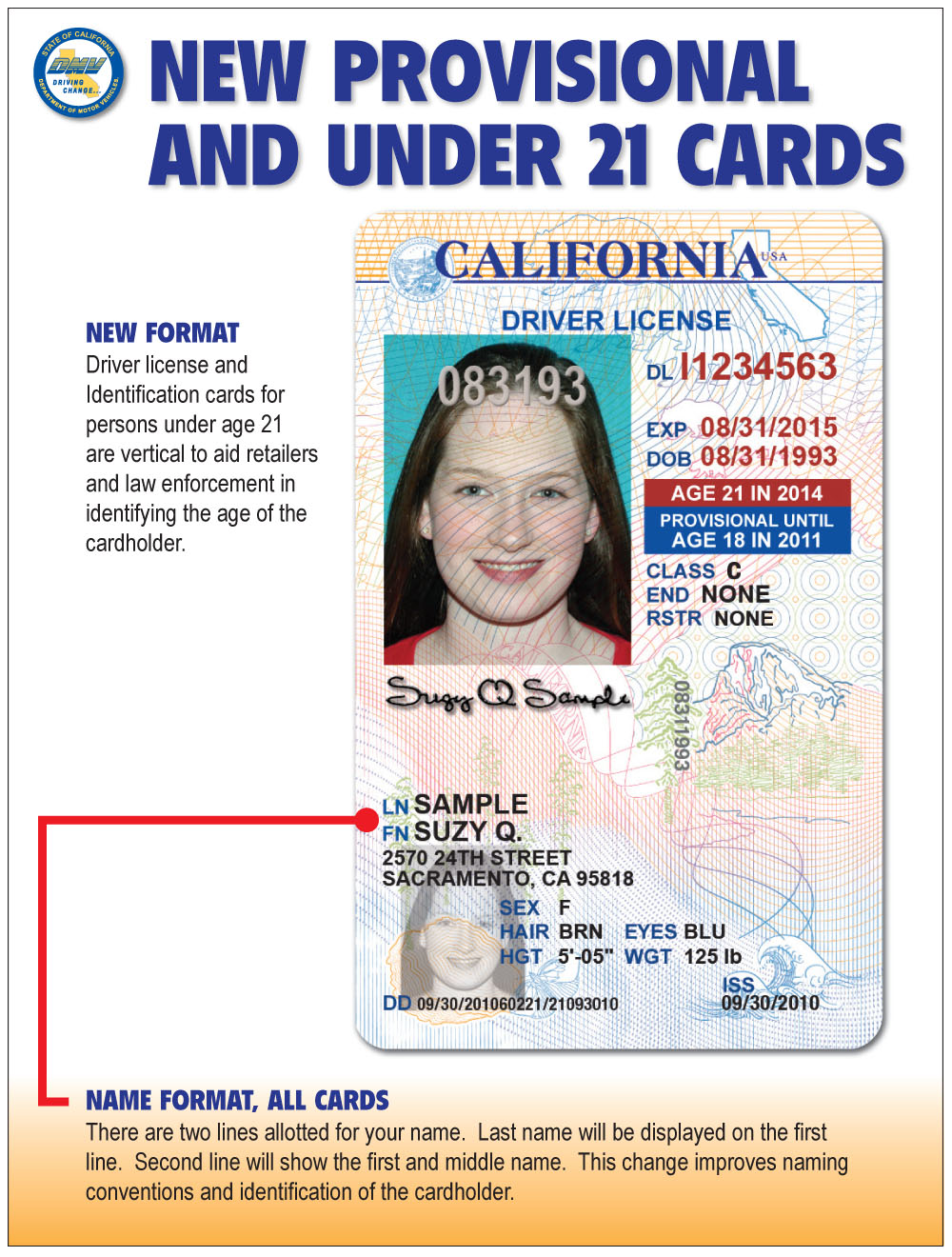
The Golden State’s Driving Culture
Driving is deeply woven into the fabric of life and tourism in California. Public transportation options are robust in major urban centers like Los Angeles and San Francisco, but much of the state’s natural beauty, iconic landmarks, and unique cultural experiences are best accessed by car. Imagine cruising down Highway 1 along the Big Sur coastline, exploring the vineyards of Napa Valley, or venturing into the vast expanses of Death Valley National Park – these quintessential California experiences are all facilitated by the freedom of personal transportation. For visitors and new residents alike, securing a driver’s permit is an invaluable step towards truly experiencing the state at your own pace and itinerary.
Eligibility and Age Requirements for a California Learner’s Permit
The “when” of getting your permit in California primarily hinges on your age. The state operates distinct programs for minors and adults, each with specific requirements designed to ensure new drivers are prepared for the road. Understanding these age gates is the first step on your journey to driving independence and seamless exploration of the state’s tourism landscape.
Provisional Instruction Permit (Under 18)
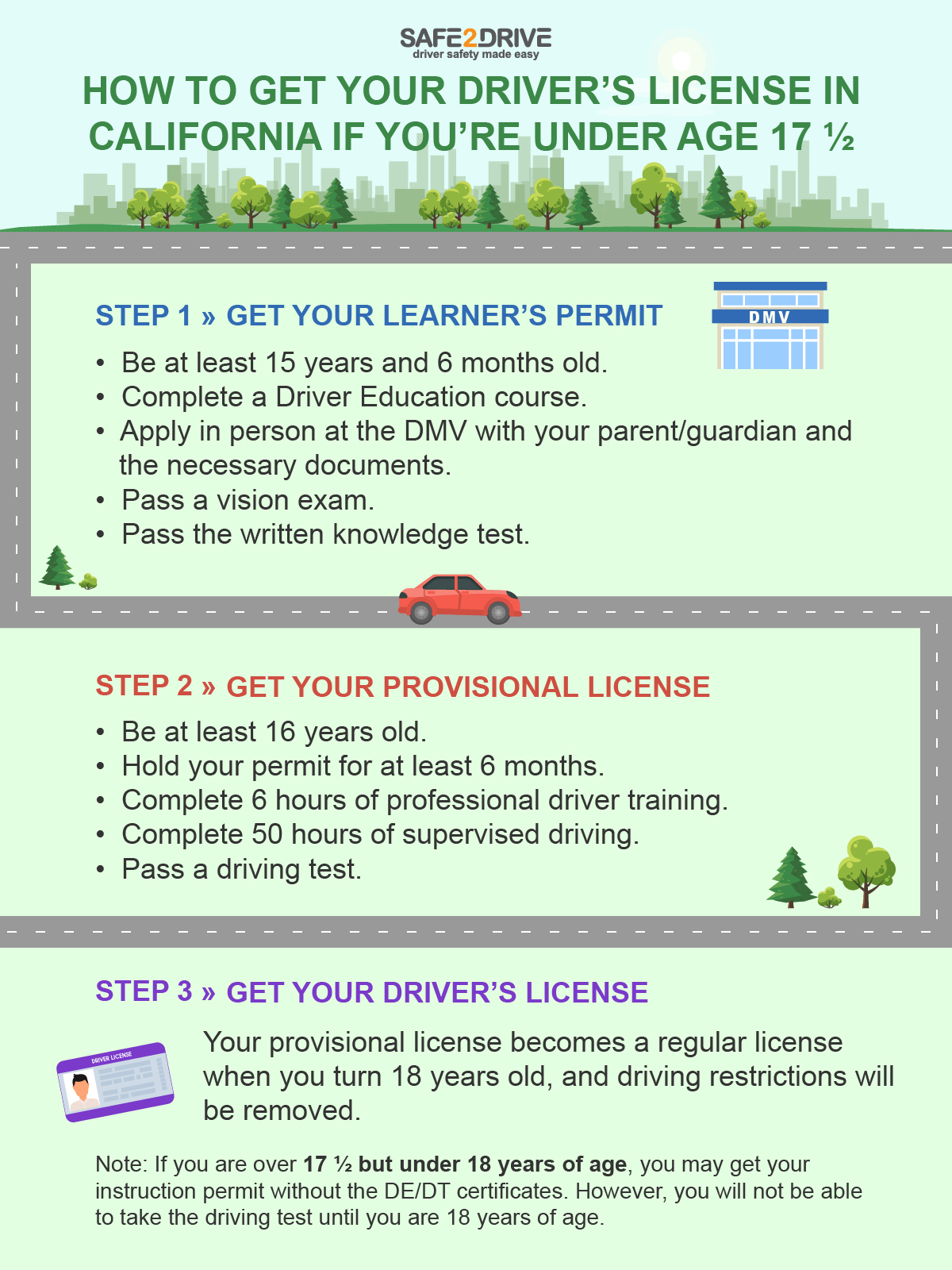
For individuals under the age of 18, California issues a Provisional Instruction Permit. The earliest you can apply for this permit is 15½ years old. However, merely meeting the age requirement isn’t enough. You must also:
- Complete Driver Education: Before applying, you need to complete an approved driver education course. This typically involves 30 hours of classroom instruction or an equivalent online course. This educational foundation is critical, providing aspiring young drivers with a comprehensive understanding of traffic laws, safe driving practices, and defensive driving techniques – all essential for navigating California’s diverse roadways, from busy city streets to winding mountain passes.
- Enroll in Driver Training: Simultaneously, or shortly after, you must be enrolled in an approved driver training program, which includes at least six hours of professional behind-the-wheel instruction. This hands-on experience is vital for developing practical skills and confidence, which are invaluable for any future road trips or daily commutes around tourist destinations.
Once these prerequisites are met and you’ve reached 15½, you can apply for the provisional permit, marking the official start of your supervised driving practice.
Adult Instruction Permit (18 and Over)
For adults aged 18 and older, the process is generally more streamlined. There is no minimum age beyond 18 required, nor is there a mandatory driver education or training course requirement before applying for an Adult Instruction Permit. While formal training isn’t legally required for adults, it is highly recommended. Many adults choose to take driver education courses or professional driving lessons to prepare for the written test and build confidence behind the wheel, especially if they are new to driving or California’s specific traffic laws. This can be particularly beneficial for those planning to drive extensively for tourism, ensuring they are well-versed in navigating unfamiliar roads and complex traffic situations. This permit allows you to practice driving with a licensed California driver aged 18 or older in the passenger seat.
The Application Process: Your Gateway to California Exploration
Regardless of your age, the path to obtaining a California permit involves a visit to the Department of Motor Vehicles (DMV). This critical step is more than just paperwork; it’s an initiation into the state’s driving system, ensuring you’re ready to safely embark on your adventures.
Gathering Necessary Documents
Before heading to the DMV, ensure you have all the required documentation. This typically includes:
- Proof of Identity: A certified birth certificate, U.S. passport, or other acceptable identity documents. For non-U.S. citizens, valid immigration documents are essential. This establishes who you are for the purpose of official state identification.
- Proof of Residency: Two documents showing your California residency, such as utility bills, rental agreements, or bank statements. This is particularly important for visitors considering longer stays, as it confirms your eligibility to obtain a resident permit.
- Social Security Number: Your Social Security card or other acceptable proof of your SSN.
- Completed Application Form (DL 44): Available online or at the DMV office.
- Driver Education/Training Certificates (for minors): Proof of completion of the required courses.
- Application Fee: Be prepared to pay the non-refundable application fee.
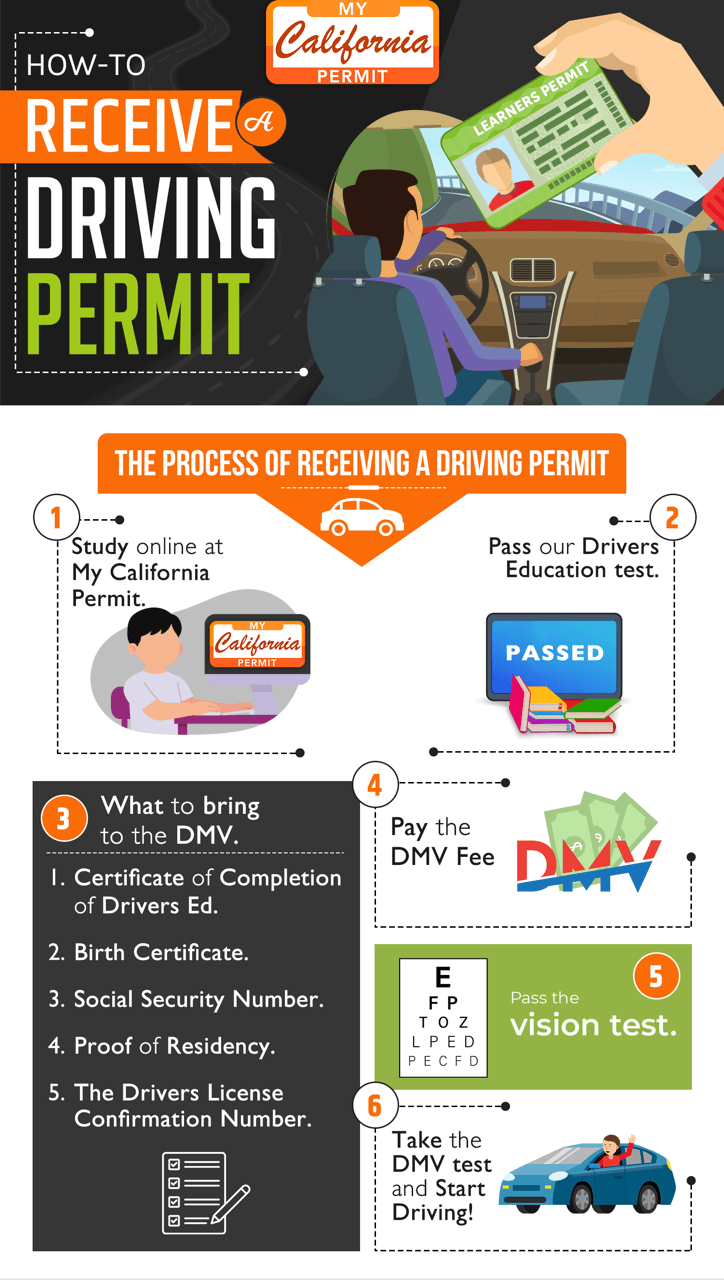
Having these documents meticulously organized will significantly streamline your DMV experience, allowing you to move swiftly towards your goal of driving freedom and access to California’s wonders.
The DMV Written Test: What to Expect
Once your documents are in order and your application submitted, the next hurdle is the written knowledge test. This test assesses your understanding of California vehicle laws and safe driving practices.
- Study the California Driver Handbook: This handbook is your primary resource. It covers everything from traffic signs and road rules to specific laws about DUIs and pedestrian safety. Dedicate ample time to studying it thoroughly. Knowing these rules is not just for passing the test; it’s fundamental to safe driving on busy California highways and through popular tourist zones.
- Practice Tests: Many online resources offer practice tests that simulate the actual DMV exam. These can be incredibly helpful for identifying areas where you need more study.
- Number of Questions: The provisional permit test (under 18) has 46 questions, requiring 38 correct answers. The adult permit test (18 and over) has 36 questions, requiring 30 correct answers. Both tests allow a limited number of incorrect answers before you fail.
Passing this test is a testament to your preparedness to safely navigate California’s roads, from scenic coastal routes to bustling urban arteries.
Vision and Fingerprint Scans
In addition to the written test, you will undergo a vision screening to ensure your eyesight meets the minimum requirements for driving. You will also have your thumbprint taken and your photograph captured for your permit. These steps are standard security and identification procedures, solidifying your entry into the California driving system.
Beyond the Permit: Practicing for California’s Diverse Driving Scenarios
Obtaining your permit is just the beginning. The permit grants you the legal right to learn to drive under supervision. This practice period is invaluable, allowing you to develop the skills and confidence necessary to eventually explore California independently, whether it’s for a weekend getaway to Lake Tahoe or a visit to family across the state.
Required Practice Hours and Supervision
- For Minors (Provisional Permit): If you are under 18, you are required to complete a minimum of 50 hours of supervised driving practice, including at least 10 hours at night, with a licensed California driver aged 25 or older. You must hold your provisional permit for at least six months before you are eligible to take the driving test for a provisional license. This extensive practice ensures young drivers are well-prepared for various driving conditions across California.
- For Adults (Adult Instruction Permit): While there are no minimum practice hours mandated by law for adults, it is strongly advised to get plenty of supervised practice. The more time you spend behind the wheel with an experienced driver, the more comfortable and proficient you will become, making your future independent drives around tourist spots much safer and more enjoyable.
Planning Your Driving Adventures
Utilize your permit to practice driving in a variety of California environments. Start with quiet residential streets, then gradually move to busier roads, highways, and even some of the state’s iconic routes during off-peak hours. This incremental exposure will build your confidence for when you are ready to tackle places like the winding roads of Yosemite National Park or the bustling thoroughfares of Hollywood. Consider practicing in different weather conditions too, if safely possible, as California’s climate can vary dramatically from coastal fog to desert heat.
California Road Trips: Unlocking the State with Your New Permit
Once you progress from a permit to a full driver’s license, the entire state of California truly opens up for exploration. Your permit and subsequent license are not just documents; they are enablers of incredible travel and tourism experiences.
From Coastal Highways to Desert Landscapes
With your driving privileges, you can plan epic road trips that define the California experience. Drive the scenic Pacific Coast Highway (PCH) from San Diego to Mendocino, stopping at charming beach towns and breathtaking overlooks. Head inland to explore the natural wonders of Sequoia National Park or the dramatic landscapes of the Mojave Desert. Visit world-class museums in San Francisco, explore the vibrant nightlife of West Hollywood, or find tranquility in the vineyards of Sonoma County. The ability to drive transforms the state from a list of destinations into a personally curated adventure.
Respecting Local Driving Laws
As you embark on these exciting journeys, always remember that safe and responsible driving is paramount. Respect California’s traffic laws, observe speed limits, and be mindful of other drivers. Driving provides unparalleled access to California’s diverse tourism offerings, but it comes with the responsibility of ensuring your safety and the safety of those around you. With your permit and ultimately your license, you gain the freedom to truly discover the rich tapestry of experiences that make California a premier global destination.
LifeOutOfTheBox is a participant in the Amazon Services LLC Associates Program, an affiliate advertising program designed to provide a means for sites to earn advertising fees by advertising and linking to Amazon.com. Amazon, the Amazon logo, AmazonSupply, and the AmazonSupply logo are trademarks of Amazon.com, Inc. or its affiliates. As an Amazon Associate we earn affiliate commissions from qualifying purchases.