
The sight of rolling hills ablaze with the vibrant orange hues of California poppies (Eschscholzia californica) is one of the Golden State’s most iconic and sought-after natural spectacles. For travelers dreaming of witnessing this breathtaking display, timing is everything. Unlike a fixed landmark, the poppy bloom is a dynamic event, heavily influenced by natural cycles. Understanding when and where to go is crucial for planning an unforgettable travel experience focused on this ephemeral beauty.
The Golden State’s Dazzling Display: Understanding Poppy Season
The bloom period for California poppies is not set in stone, but rather a flexible window typically spanning from late winter through late spring. This window can shift significantly from year to year, primarily driven by rainfall patterns and ambient temperatures.

The Science of the Bloom: Factors Influencing Timing
The life cycle of the California poppy is intimately tied to the state’s Mediterranean climate. Abundant winter rains are the most critical factor. These rains germinate the poppy seeds, which then develop roots and foliage. Mild spring temperatures, followed by ample sunshine, encourage the plants to grow and produce their characteristic four-petaled flowers.
- Rainfall: A wet winter, especially with consistent, moderate rainfall, sets the stage for a spectacular bloom. Periods of drought severely limit germination and growth, resulting in sparse or non-existent displays.
- Temperature: Cool but not freezing winter temperatures allow seeds to germinate and establish. As spring progresses, warmer days coax the flowers open, while excessively hot temperatures can cause them to wilt and fade prematurely.
- Sunshine: Poppies are heliotropic, meaning their flowers open with the sun and close at night or on cloudy days. Consistent sunny weather is essential for them to display their full glory.
Typical Bloom Period: A General Window
Generally, the poppy season in California begins in late February or early March in warmer, lower-elevation areas, such as the deserts or Southern California foothills. The peak bloom typically occurs from mid-March to mid-April across most prime viewing locations. By late April or early May, as temperatures rise and the ground dries, the poppies usually begin to fade, returning to seed for the following year. Travelers aiming for the most vibrant displays should target this mid-March to mid-April timeframe, always checking current bloom reports.
Superbloom Phenomenon: What It Is and How It Impacts Timing
The term “superbloom” has gained significant traction in recent years, referring to an exceptionally prolific and widespread wildflower bloom, often carpeting vast landscapes. A superbloom occurs when several ideal conditions align: above-average rainfall, specific timing of that rainfall (e.g., consistent soaking rains without extreme downpours that wash away seeds), cool temperatures prolonging the growing season, and minimal high winds.
During a superbloom, not only are the poppy fields denser and more expansive, but other wildflowers also flourish, creating a tapestry of color. While a superbloom promises an unparalleled visual feast, it also brings immense crowds, impacting the travel experience significantly. The timing of a superbloom can sometimes extend the season slightly due to the sheer volume of flowers, but the core factors of rainfall and temperature still dictate its duration. Planning for a superbloom requires even more diligence in checking reports and booking accommodations well in advance.
Prime Destinations for Poppy Viewing
While poppies can be found in many natural areas across California, certain locations are renowned for their magnificent displays and are designed to accommodate visitors eager to witness the bloom.
Antelope Valley California Poppy Reserve: The Epicenter
Located near the city of Lancaster in Los Angeles County, the Antelope Valley California Poppy Reserve is arguably the most famous and accessible destination for poppy viewing. It is a state-protected reserve dedicated to preserving the poppies and educating visitors.
- Location and Accessibility: Approximately 1.5 to 2 hours drive north of Los Angeles, making it a popular day trip. The reserve is well-marked and has paved access roads.
- Best Time to Visit: Peak bloom at the reserve typically falls between mid-March and mid-April. Regular bloom updates are posted on the park’s official website, which are invaluable for travelers planning their visit.
- What to Expect: The reserve features an extensive network of well-maintained walking trails ranging from easy strolls to moderate hikes, allowing visitors to immerse themselves in the fields without disturbing the flowers. There’s also a visitor center with exhibits, restrooms, and knowledgeable staff. Strict rules are enforced to protect the poppies, including staying on trails and no picking of flowers.
Carrizo Plain National Monument: A Remote Spectacle
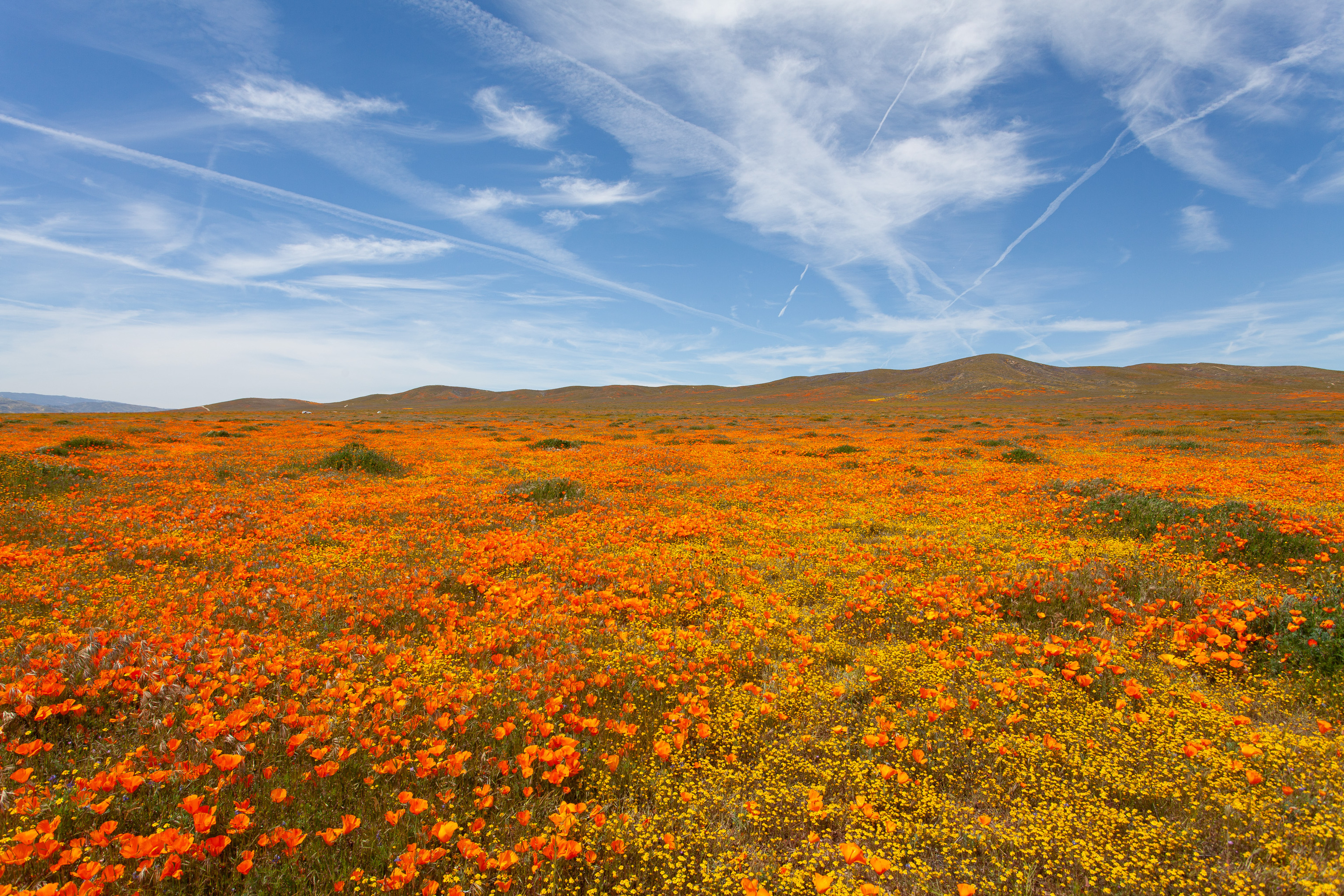
For those seeking a more remote and expansive experience, the Carrizo Plain National Monument offers a truly breathtaking landscape. Situated between the Tehachapi Mountains and the Temblor Range in San Luis Obispo County, this vast grassland plain can erupt in a glorious superbloom, especially along Highway 58.
- Location: Located off the beaten path, roughly 100 miles southeast of San Luis Obispo. Access is primarily via Highway 58 and various unpaved roads within the monument.
- Bloom Characteristics and Timing: When conditions are right, the Carrizo Plain National Monument transforms into a kaleidoscope of color, featuring not just poppies but also fiddlenecks, lupines, and various other wildflowers. Its peak bloom often aligns with Antelope Valley, mid-March to mid-April, but being further north and at a slightly different elevation, it can sometimes peak a bit later.
- Travel Considerations: Due to its remoteness, services are extremely limited. There are no gas stations, food vendors, or extensive facilities within the monument. Travelers must come prepared with a full tank of gas, plenty of water, food, and emergency supplies. Cell service is spotty at best. The unpaved roads can be rough, so a high-clearance vehicle is recommended, especially after rain. This destination is best for adventurous travelers seeking solitude amidst nature’s grandeur.
Desert Blooms: Anza-Borrego Desert State Park and Beyond
California’s desert regions, particularly Anza-Borrego Desert State Park in San Diego County, often experience earlier wildflower blooms, including desert poppies.
- Earlier Blooms: Due to warmer winter temperatures, the desert floor around Borrego Springs can see significant blooms as early as late January through February, sometimes extending into March.
- Different Flora: While poppies are present, the desert bloom is often a mix of various species like brittlebush, verbena, sand verbena, and evening primrose, creating a different, but equally stunning, floral tapestry.
- Death Valley National Park: While famous for its extreme temperatures, Death Valley National Park can also experience rare superblooms, though poppies are less dominant here than in other locations. These usually occur in late winter to early spring after unusually heavy rains.
Other Notable Locations
- Chino Hills State Park: Convenient for Southern California residents, this park occasionally boasts beautiful poppy displays on its rolling hills, typically from March to April.
- Historical Superbloom Sites: Locations like Walker Canyon near Lake Elsinore gained international fame during past superblooms. However, due to overwhelming crowds and ecological damage, access to such sites can be heavily restricted or even closed entirely in subsequent years. Always check local regulations before planning a trip to these specific areas.
Planning Your Poppy Pilgrimage: Essential Travel Tips
A trip to see the California poppies requires careful planning to maximize enjoyment and minimize impact.
Timing Your Visit: Daily and Seasonal Considerations
- Best Time of Day: Poppies are sensitive to sunlight. They typically begin to open mid-morning, reach their peak openness around 10 AM to 3 PM, and then start to close as the sun gets lower or if clouds roll in. Arriving early in the morning allows for better parking and fewer crowds.
- Checking Bloom Reports: This is the single most important tip. Before traveling, check the official websites of the Antelope Valley California Poppy Reserve, Carrizo Plain National Monument, and other state park resources. These sites provide weekly, sometimes daily, updates on bloom status, intensity, and recommended viewing areas. Social media (e.g., #CApoppies, #superbloom) can also offer real-time insights from other travelers.
Respecting Nature and Fellow Travelers
- Stay on Marked Trails: This cannot be overstressed. Poppies and other wildflowers are delicate. Stepping off trails can crush plants, damage their root systems, and compact soil, preventing future growth. It also disturbs wildlife habitats.
- No Picking or Trampling: Picking wildflowers is illegal in California state parks and reserves. Leave the flowers for others to enjoy and for the plants to produce seeds for future blooms. Do not lie down or sit among the poppies for photos.
- Photography Etiquette: While the desire for a perfect photo is understandable, prioritize the flowers’ preservation and respect other visitors. Do not block trails, use drones where prohibited, or spend excessive time in one spot.
- Dealing with Crowds: During peak bloom or a superbloom, expect significant crowds, especially on weekends. Plan for traffic delays, limited parking, and a less solitary experience. Weekdays, particularly Tuesday through Thursday, are generally less crowded.
What to Bring
- Water and Snacks: Especially in remote areas like Carrizo Plain National Monument, bring ample hydration and food. Even at the Antelope Valley Reserve, it’s wise to be self-sufficient.
- Sun Protection: California sun can be intense, even in spring. Wear a wide-brimmed hat, sunglasses, and apply sunscreen.
- Comfortable Shoes: You’ll be doing a lot of walking on uneven trails.
- Camera Gear: Bring your camera, extra batteries, and memory cards to capture the stunning scenery. A telephoto lens can be useful for capturing details without leaving the trail.
Accommodation and Logistics
- Booking Early: If you plan to stay overnight near a major poppy viewing site, book accommodations well in advance, especially during peak bloom periods or potential superblooms. Options can be limited and fill up quickly.
- Transportation: A rental car is virtually essential for reaching most poppy viewing destinations. Public transportation options are minimal to non-existent for these natural areas. Consider an SUV or higher-clearance vehicle if venturing to places like Carrizo Plain National Monument.
- Combining with Other California Attractions: A poppy viewing trip can be seamlessly integrated into a larger California itinerary. For instance, the Antelope Valley Reserve is a manageable day trip from Los Angeles, allowing travelers to combine nature with urban exploration. Carrizo Plain could be part of a scenic drive between Southern California and San Francisco, offering a unique contrast to the coastal routes.

The Unforgettable Experience of a California Poppy Bloom
Witnessing the California poppy bloom is more than just seeing pretty flowers; it’s a profound sensory experience. The visual impact of vibrant orange stretching across undulating landscapes, often framed by distant mountains, is truly mesmerizing. On a calm day, you can hear the gentle hum of bees flitting among the blossoms. While not strongly fragrant, the air often carries the subtle, earthy scent of the warming soil and fresh vegetation.
It’s a fleeting moment of natural artistry, a vivid reminder of nature’s power to transform a landscape into something extraordinary. This ephemeral quality makes the travel experience all the more special and rewarding. Each bloom is unique, a testament to the year’s specific environmental conditions, ensuring that every poppy pilgrimage offers a distinct memory. By traveling responsibly and preparing thoughtfully, visitors can ensure this unique California experience remains a cherished highlight.
LifeOutOfTheBox is a participant in the Amazon Services LLC Associates Program, an affiliate advertising program designed to provide a means for sites to earn advertising fees by advertising and linking to Amazon.com. Amazon, the Amazon logo, AmazonSupply, and the AmazonSupply logo are trademarks of Amazon.com, Inc. or its affiliates. As an Amazon Associate we earn affiliate commissions from qualifying purchases.