
Understanding the scope of child support in Texas is crucial for parents navigating financial responsibilities and ensuring the well-being of their children. While often simplified to a direct monetary payment, Texas child support encompasses a broader range of expenses designed to maintain a child’s standard of living as closely as possible to what it would have been if the parents remained together. This comprehensive approach aims to cover essential needs and contribute to the child’s overall development and future.
Core Child Support Payments
The primary component of child support in Texas is the monthly cash payment made by the non-custodial parent to the custodial parent. This payment is calculated based on specific guidelines established by the state.

The Texas Child Support Guidelines
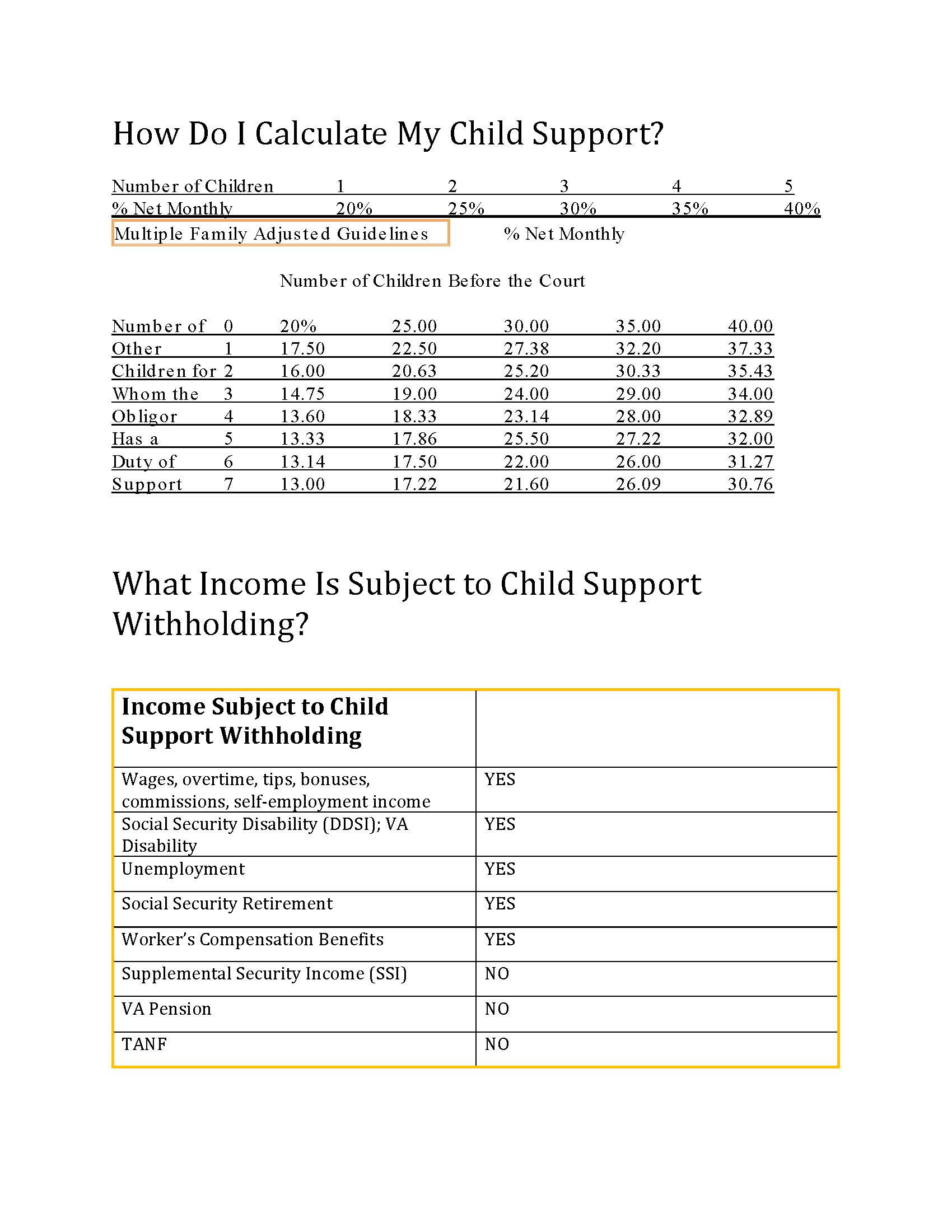
The Texas Legislature has adopted a percentage-of-income model to determine child support obligations. The guidelines consider the net monthly income of the obligor (the parent paying support) and the number of children they are responsible for.
- Net Monthly Income Calculation: This is the gross income minus federal income tax, state income tax (if applicable), Social Security taxes, and the cost of the child’s health insurance if paid by the obligor. For self-employed individuals, deductions for business expenses are also considered.
- Percentage Standards: The guidelines provide a table that outlines the percentage of the obligor’s net monthly income that should be allocated for child support. For one child, the guideline is 20% of net monthly income; for two children, it’s 25%; for three children, it’s 30%; for four children, it’s 35%; and for five or more children, it’s 40%.
- Maximum Net Monthly Income: The guidelines cap the net monthly income subject to these percentages. As of recent adjustments, this cap is typically around $9,200 net monthly income. For income exceeding this amount, the court may order additional support based on the child’s proven needs, but the guideline percentage only applies up to the cap.
- Deviations from Guidelines: While the guidelines are presumed to be in the best interest of the child, courts have the discretion to deviate from them if it’s deemed necessary and just. Reasons for deviation can include extraordinary medical expenses, special needs of the child, the child’s standard of living, or the financial resources of both parents.
Purpose of Core Payments
These core child support payments are intended to cover the day-to-day expenses associated with raising a child. This includes, but is not limited to:
- Food: Providing nutritious meals and groceries for the child.
- Clothing: Ensuring the child has appropriate attire for different seasons and occasions.
- Shelter: Contributing to the costs associated with housing, including rent or mortgage payments, utilities, and basic household maintenance.
- Daily Care: Covering expenses related to childcare, babysitting, and other forms of supervision necessary for the child’s well-being while parents are working.
Health Insurance and Medical Expenses
A significant aspect of child support in Texas involves ensuring the child has access to adequate healthcare. This is typically addressed through provisions for health insurance and the allocation of medical expenses.
Health Insurance Coverage
One parent is usually ordered to provide health insurance for the child. This often falls to the parent with access to group insurance through their employer, as it can be more cost-effective. The cost of the child’s portion of the health insurance premium is factored into the net monthly income calculation when determining the support obligation.
Uninsured Medical Expenses
Beyond the cost of the insurance premium, Texas law also requires parents to share the responsibility for uninsured medical expenses. These are costs not covered by the child’s health insurance, such as deductibles, co-pays, and services that are not deemed medically necessary by the insurance provider.
- Proportional Allocation: Typically, uninsured medical expenses are ordered to be shared by both parents in proportion to their net monthly incomes. For example, if one parent earns 70% of the combined net monthly income, they would be responsible for 70% of the uninsured medical expenses.
- Definition of Medical Expenses: This category can include a wide range of costs, such as:
- Dental care, including braces and routine check-ups.
- Vision care, including eye exams and glasses.
- Therapy and counseling services.
- Prescription medications.
- Durable medical equipment.
- Specialized medical treatments or procedures.
The specific terms for sharing these expenses will be detailed in the child support order. It is important for parents to maintain clear records of all medical expenses and payments made.
Childcare Costs
When parents are employed or seeking employment, and a child requires supervision due to their age, childcare costs are often a significant and necessary expense. Texas law recognizes this and includes provisions for how these costs are covered.
Work-Related Childcare Expenses
Child support orders in Texas can include provisions for the cost of work-related childcare. This means that if the custodial parent needs to pay for daycare, a nanny, or another form of childcare in order to work or attend school to improve their earning potential, these costs can be factored into the child support calculation.
- Allocation Method: Similar to uninsured medical expenses, work-related childcare costs are typically ordered to be shared by both parents. The division is usually based on each parent’s net monthly income, ensuring fairness and proportionality.
- Purpose of Childcare: The underlying principle is that childcare is a necessary expense enabling a parent to maintain employment and provide for the child. Therefore, the cost is shared as a part of the overall financial support for the child.
- Documentation: Parents will need to provide documentation of childcare expenses, such as invoices from licensed daycare facilities or receipts for nanny services.
Educational and Extracurricular Expenses
While core child support payments primarily cover immediate needs, the definition of what child support “covers” can extend to expenses that contribute to a child’s development and future opportunities, particularly in cases where parents agree or a court orders.
Educational Costs
In some instances, child support may be structured to include contributions towards a child’s education beyond the standard public school system.
- Private School Tuition: If both parents previously agreed to or consistently provided for private school education for the child, a court may order the obligor to contribute to tuition costs, often based on the parents’ income levels.
- Tutoring and Educational Support: If a child requires extra academic assistance, such as private tutoring, this may also be considered a reimbursable expense, depending on the court’s order and the parents’ agreement.
- College Expenses: While less common for standard child support orders, parents can agree, or a court can order, provisions for college expenses. This might include contributions towards tuition, room and board, books, and fees. Such agreements often specify the extent of support and the duration.
Extracurricular Activities
Participation in extracurricular activities is vital for a child’s holistic development, fostering talents, social skills, and physical well-being.
- Sports, Arts, and Other Programs: Expenses for activities like organized sports leagues, music lessons, art classes, or other enriching programs can be included in child support agreements or court orders.
- Reasonable and Necessary: The court will assess whether such expenses are reasonable and necessary for the child’s upbringing and development, taking into account the family’s financial circumstances.
- Cost Sharing: Similar to other shared expenses, these costs are often divided proportionally between the parents.
Other Potential Expenses and Considerations
Beyond the more common categories, child support in Texas can, in specific circumstances, encompass other needs that are directly related to the child’s well-being.
Special Needs of a Child
Children with special needs, whether medical, developmental, or educational, may incur significant expenses beyond those of a typical child. Texas law is designed to accommodate these unique situations.
- Therapy and Rehabilitation: Costs associated with ongoing therapies, specialized medical treatments, assistive devices, or rehabilitation services are often included.
- Specialized Education: Expenses related to specialized educational programs or aids designed to meet a child’s specific learning requirements may be covered.
- Court’s Discretion: Courts have broad discretion to ensure that a child with special needs receives the necessary support to thrive, and may order higher support amounts or specific allocations for these costs.

Travel Expenses for Visitation
In some cases, particularly when parents live far apart, child support orders may include provisions for the costs associated with travel for visitation purposes.
- Transportation: This can include airfare, gas for driving, or other transportation-related expenses necessary for the child to visit the non-custodial parent or for the non-custodial parent to visit the child.
- Proportional Responsibility: The allocation of these travel costs is typically determined by the court based on the parents’ incomes and the specific visitation schedule.
It is important for parents to remember that child support orders are legally binding documents. Any modifications or specific inclusions of expenses should be formally established through a court order to ensure enforceability and clarity. Consulting with a legal professional in Texas is highly recommended to fully understand individual rights and obligations concerning child support.
LifeOutOfTheBox is a participant in the Amazon Services LLC Associates Program, an affiliate advertising program designed to provide a means for sites to earn advertising fees by advertising and linking to Amazon.com. Amazon, the Amazon logo, AmazonSupply, and the AmazonSupply logo are trademarks of Amazon.com, Inc. or its affiliates. As an Amazon Associate we earn affiliate commissions from qualifying purchases.