
California, renowned globally for its vibrant agricultural landscape and world-class wine production, offers a captivating experience during its grape season. For the discerning tourist, understanding the timing of the grape harvest is paramount to planning an immersive journey into the state’s vinicultural heartlands. More than just a period of agricultural activity, grape season transforms various regions into bustling hubs of cultural festivals, culinary delights, and unparalleled scenic beauty, making it an ideal time for a rich tourism experience.
Understanding California’s Diverse Grape Harvest
The vast geographical and climatic diversity of California means that grape season isn’t a singular event but rather a prolonged period stretching across several months. From the sun-drenched valleys producing succulent table grapes to the fog-kissed hillsides nurturing premium wine varietals, the harvest unfolds in stages, each offering distinct opportunities for visitors.
Early Season Grapes: Table Grapes and Early Wine Varieties
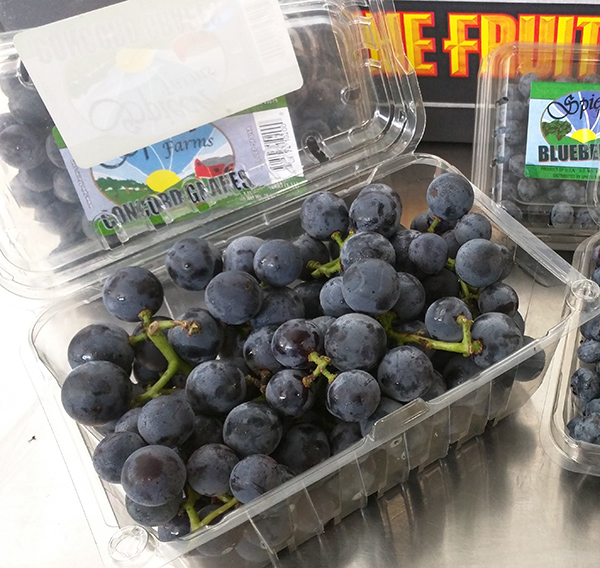
Typically, the grape season in California commences in late July and early August. This initial phase is often dominated by the harvest of table grapes, particularly in the warmer Central Valley, including areas like the San Joaquin Valley. Here, varieties such as Flame Seedless, Thompson Seedless, and Red Globe are picked fresh for consumption. Tourists visiting these regions during this time can witness the meticulous process of hand-picking and packing these sweet, crisp grapes destined for markets worldwide.
Simultaneously, some of the earlier-ripening wine grape varietals, often white grapes like Sauvignon Blanc and Chardonnay, may begin their harvest in the warmer wine regions, particularly in the southern reaches or warmer pockets of Napa Valley and Sonoma County. These early harvests signal the exciting beginning of winemaking for the year, offering a glimpse into the initial stages of grape pressing and fermentation. While large-scale festivities might be less common during this initial period, many smaller wineries offer pre-harvest tours and tastings, allowing an intimate look at the preparations for the season ahead. It’s a quieter time, perfect for those seeking a more serene and educational vineyard experience before the major crowds descend.
Peak Season: The Heart of Wine Country Activity
September and October represent the zenith of California’s grape season, the period often referred to as “crush.” This is when the majority of wine grapes, both red and white varietals, reach their optimal ripeness across the state’s premier wine regions. From the iconic Cabernet Sauvignon of Napa Valley to the Pinot Noir of the Russian River Valley in Sonoma County, and the Zinfandel stronghold of Lodi, vineyards are abuzz with activity.
Tourists during peak season will find themselves amidst a vibrant atmosphere. Trucks laden with freshly picked grapes rumble towards wineries, the air is often thick with the sweet, yeasty aroma of fermenting juice, and the vineyards themselves are a hive of focused labor. This is the ideal time for those who wish to see winemaking in full swing. Many wineries offer specialized harvest tours that include walking through vineyards where grapes are being picked, witnessing the crushing and pressing processes, and even barrel tastings of wines in various stages of development. The scenery is also at its most picturesque, with vines heavy with fruit and the golden light of autumn illuminating the rolling hills. Accommodation and tours should be booked well in advance for this period, as it is the most popular time for visitors.
Late Season Harvests: Dessert Wines and Resilient Varietals
As the peak season wanes in late October and November, the harvest isn’t entirely over. Some grape varietals, particularly those destined for sweeter dessert wines like Late Harvest Riesling or Botrytized wines, are left on the vine longer to concentrate their sugars. These late harvests, often occurring after the first few frosts, are a testament to the patience and skill of winemakers. In regions like Anderson Valley or cooler pockets of the Santa Cruz Mountains, hardy red varietals may also continue to ripen into November.
For tourists, the late season offers a quieter, more contemplative experience. The frenetic pace of crush subsides, allowing for more intimate interactions with winemakers and vineyard owners. The autumn foliage in the vineyards and surrounding landscapes can be breathtaking, particularly in cooler regions. While large-scale festivals may have concluded, many wineries continue to offer educational tours and tastings, focusing on the finished product and the artistry behind these later-harvested wines. It’s an excellent time to explore if you prefer fewer crowds and a deeper dive into the nuances of winemaking, often with crisp, pleasant weather for exploration.
Experiencing Grape Season: Tourism Activities and Cultural Immersion
The grape season in California is a prime opportunity for tourists to delve into the state’s agricultural heritage and rich cultural tapestry. It extends far beyond simply tasting wine, offering a spectrum of activities that engage all senses and provide a deeper understanding of the region.
Winery Tours and Tastings
During grape season, winery tours become particularly vibrant and educational. Many wineries, especially in famed areas like Napa Valley, Sonoma County, Paso Robles, and the Temecula Valley, offer specialized “harvest tours.” These often include walks through the vineyards where grapes are actively being picked, demonstrations of the crushing and pressing processes, and visits to the barrel rooms where the new wine begins its aging journey. Some even provide opportunities to taste unfermented grape juice, giving visitors a unique perspective on the journey from vine to bottle.
Tastings during this period are often enhanced with discussions about the current vintage, providing insight into the challenges and triumphs of the season. Many establishments pair their wines with local cheeses, charcuterie, or even gourmet meals, transforming a simple tasting into a comprehensive culinary event. For an authentic experience, consider booking a private tour or a behind-the-scenes session that highlights the intense work and passion involved in the harvest.
Grape Stomping Festivals and Harvest Events
The epitome of cultural immersion during grape season is participation in a grape stomping festival. Inspired by ancient winemaking traditions, these events allow visitors to kick off their shoes and literally stomp grapes, often to live music and with a festive atmosphere. While primarily for entertainment and photo opportunities today, they connect participants to the historic roots of winemaking. Regions across California, from the major wine countries to smaller, family-run vineyards, host these lively celebrations from late August through October.
Beyond grape stomping, numerous harvest festivals and fairs pop up throughout the state. These events are not just about wine; they celebrate the entire agricultural bounty of the season. Expect to find local artisans showcasing their crafts, regional musicians performing, and an abundance of fresh, seasonal produce. Many festivals feature cook-offs, art displays, and activities for all ages, making them perfect for family tourism. These gatherings offer an authentic taste of California’s community spirit and agricultural pride.
Farm-to-Table Dining and Local Markets
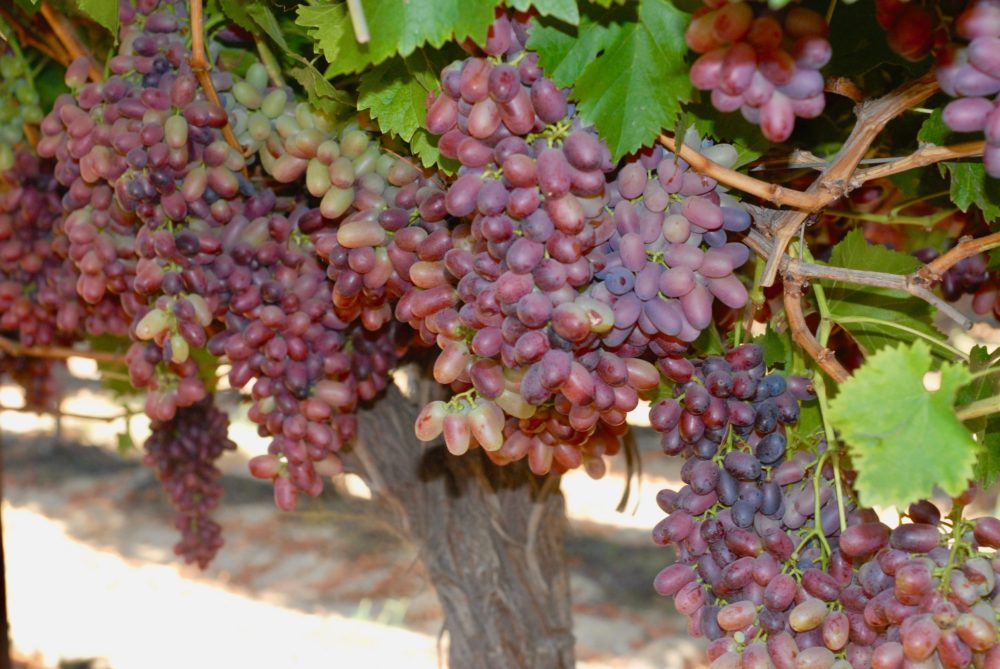
Grape season aligns perfectly with the peak of California’s broader agricultural harvest, meaning farm-to-table dining experiences are at their finest. Restaurants in wine country and beyond, from Michelin-starred establishments to charming bistros, proudly feature seasonal menus incorporating freshly picked grapes, figs, pomegranates, squash, and other autumn produce. Many wineries also host special harvest dinners, often set amidst the vineyards, providing an unforgettable gastronomic experience.
Visiting local farmers’ markets during grape season is another must-do activity. These markets, found in cities like Sacramento, San Luis Obispo County, and smaller towns, overflow with the freshest produce directly from local farms. You can purchase a variety of table grapes, artisanal cheeses, olive oils, and baked goods, allowing you to create your own gourmet picnic to enjoy amidst the stunning vineyard landscapes. Engaging with local farmers and producers offers valuable insight into the region’s agricultural practices and passion for quality.
Planning Your Visit: Best Regions and Tips for Tourists
To maximize your grape season tourism experience in California, strategic planning is key. The state offers diverse wine regions, each with its unique character and specialties.
Napa Valley and Sonoma County: Iconic Wine Destinations
Napa Valley and Sonoma County are arguably the most famous wine regions in California, known for their picturesque landscapes, world-class wineries, and gourmet dining. During grape season, these regions are particularly vibrant. Napa Valley is celebrated for its Cabernet Sauvignon and luxurious experiences, while Sonoma County, with diverse appellations like the Russian River Valley and Dry Creek Valley, offers a broader range of varietals including Pinot Noir, Chardonnay, and Zinfandel, often with a more laid-back charm. Both offer extensive harvest tours, private tastings, and numerous festivals. Booking accommodations, tours, and restaurant reservations months in advance is highly recommended due to the high demand during this peak period. Consider visiting during early September or late October for slightly fewer crowds while still experiencing significant harvest activity.
Central Coast: Paso Robles and Santa Barbara
The Central Coast region, encompassing areas like Paso Robles and Santa Barbara, provides a contrasting yet equally rewarding grape season experience. Paso Robles, known for its Rhone varietals (Syrah, Grenache, Mourvèdre) and Zinfandel, has a rapidly growing reputation for innovative winemaking and a welcoming, rustic atmosphere. Harvest here typically runs from late August through October. Santa Barbara, particularly the Santa Rita Hills and Santa Ynez Valley, excels in Pinot Noir and Chardonnay, benefiting from cool ocean breezes that extend the ripening season. The harvest in Santa Barbara can sometimes stretch into November for certain varietals. These regions offer a more relaxed pace than Napa or Sonoma, with opportunities to interact closely with winemakers and explore charming coastal towns like San Luis Obispo or Carmel-by-the-Sea in Monterey County.
Lodi and the Central Valley: Table Grapes and Zinfandel
For a different perspective on grape season, consider visiting Lodi and the Central Valley. While less renowned for luxury wine tourism, these regions are the workhorses of California’s grape industry. Lodi is particularly famous for its old-vine Zinfandel and sustainable farming practices, offering robust, fruit-forward wines. The Central Valley is where the vast majority of California’s table grapes are grown. A visit here during grape season offers an educational insight into large-scale agriculture and provides access to fresh, affordable produce. Many farms offer roadside stands and u-pick experiences. The cities of Stockton and Fresno serve as gateways to exploring this vital agricultural heartland.
Essential Packing and Booking Advice
When planning your grape season trip, comfortable walking shoes are a must, especially if you intend to explore vineyards. Layered clothing is advisable, as California’s autumn mornings can be cool, warming up significantly by midday. Sun protection, including hats and sunscreen, is essential. Always book accommodations, winery tours, and any special harvest events well in advance, especially for visits during September and October. Many popular wineries require reservations for tastings even outside of peak season. Consider hiring a designated driver or using a tour service if you plan on visiting multiple wineries to ensure a safe and enjoyable experience.
Beyond the Vine: Other Seasonal Attractions During Grape Harvest
While grapes are undoubtedly the star, grape season in California coincides with an abundance of other attractions that enhance the overall tourist experience, extending the appeal beyond just wine enthusiasts.
Scenic Drives and Outdoor Activities
The autumn months, spanning from late August through November, offer some of the most pleasant weather for outdoor activities across California. The intense summer heat begins to mellow, making it ideal for scenic drives through wine country, cycling tours along vineyard-lined roads, or hiking through regional parks. The rolling hills of Napa and Sonoma, the majestic coastline near Santa Barbara and Monterey, and the rugged beauty of the Sierra Foothills all offer breathtaking vistas, often enhanced by the changing colors of both the vineyards and deciduous trees. Many wineries provide picnic areas, allowing visitors to enjoy the landscape while savoring local wines and produce.
Local Arts and Crafts
The creative spirit of California’s wine regions extends beyond viticulture. Grape season often sees local artists and artisans showcasing their work in galleries, studios, and at harvest festivals. From landscape paintings inspired by vineyard scenes to handcrafted jewelry and ceramics, there’s a rich tradition of local artistry. Exploring these artistic expressions provides a cultural counterpoint to the agricultural focus, offering unique souvenirs and deeper insight into the community’s creative pulse. Towns like St. Helena in Napa Valley or Healdsburg in Sonoma County are particularly known for their vibrant arts scenes.
Culinary Delights Beyond Grapes
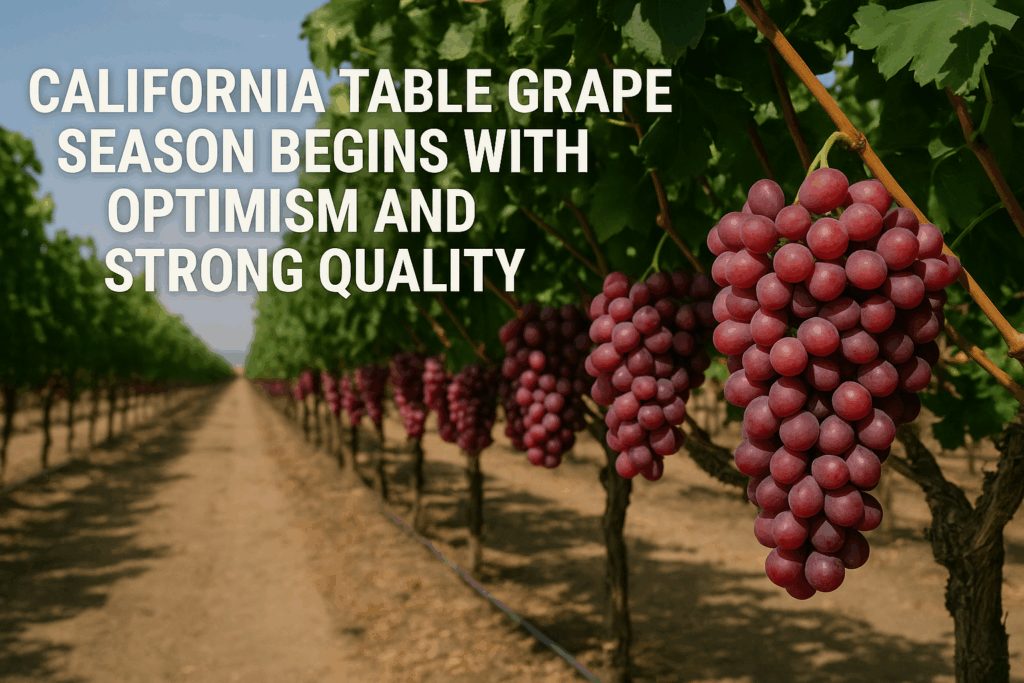
While wine and fresh grapes are central, grape season also ushers in a bounty of other seasonal produce. Tourists can enjoy apples from Apple Hill, pumpkins from various patches, olives ready for pressing into new olive oil (especially in areas like Livermore Valley), and a wide array of nuts. Many restaurants incorporate these seasonal ingredients into their menus, offering a broader spectrum of California’s culinary excellence. This expanded gastronomic landscape ensures that a trip during grape season is a feast for all palates, offering a comprehensive taste of the Golden State’s agricultural richness and the vibrant local culture it fosters.
LifeOutOfTheBox is a participant in the Amazon Services LLC Associates Program, an affiliate advertising program designed to provide a means for sites to earn advertising fees by advertising and linking to Amazon.com. Amazon, the Amazon logo, AmazonSupply, and the AmazonSupply logo are trademarks of Amazon.com, Inc. or its affiliates. As an Amazon Associate we earn affiliate commissions from qualifying purchases.